
Wild Huckleberry Live Plant – 3in Pot – Edible Berries – Outdoor Shrub
Original price was: $34.10.$25.99Current price is: $25.99.
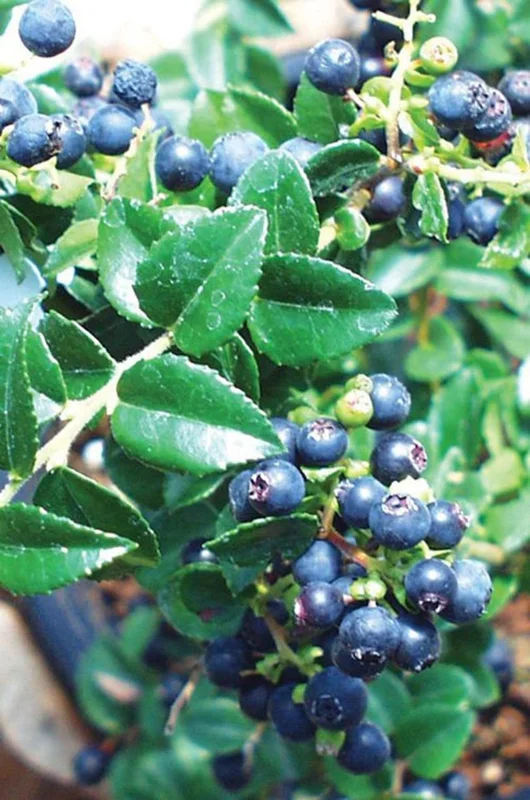
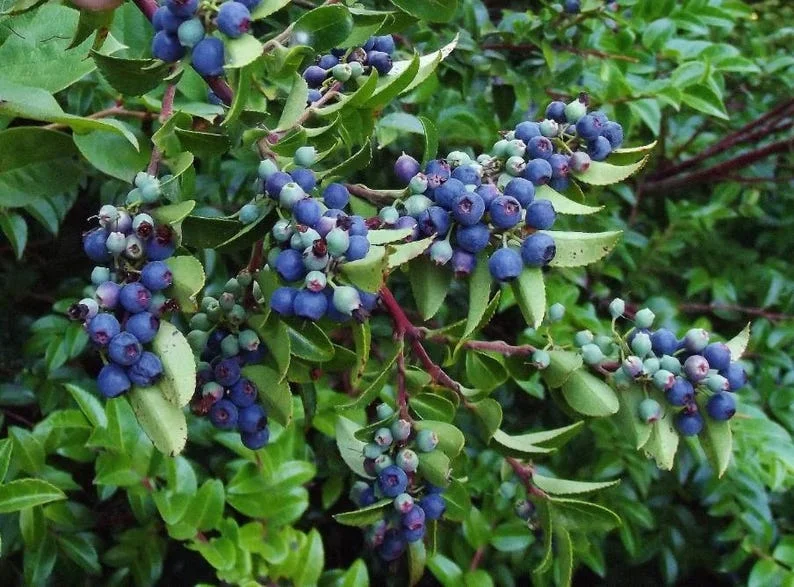
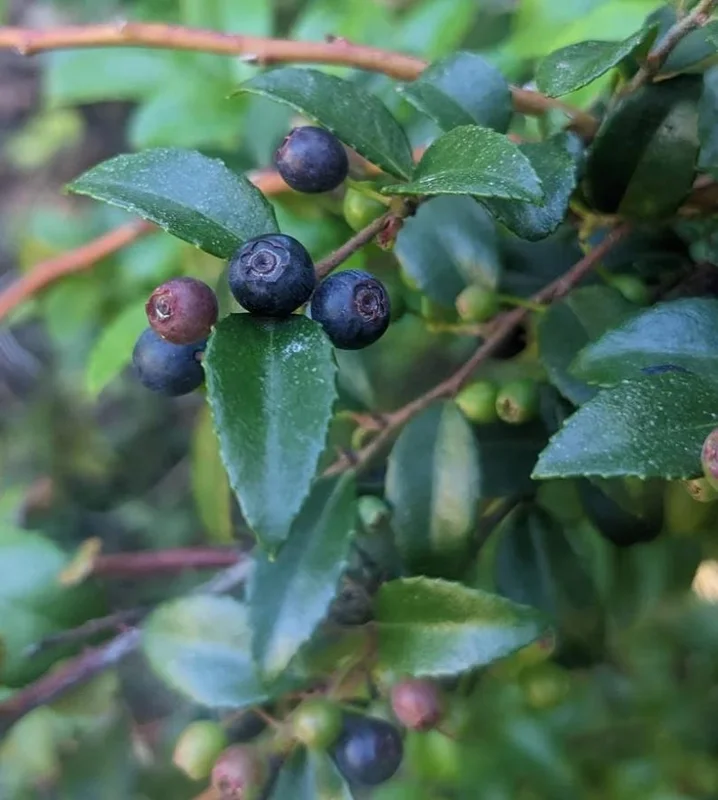
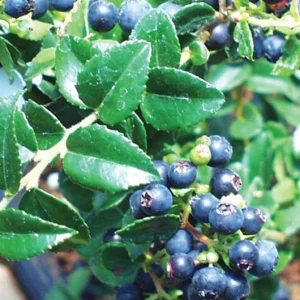
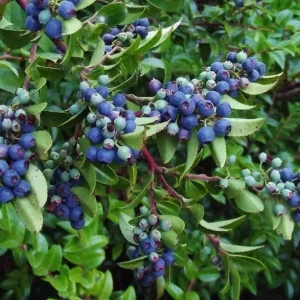
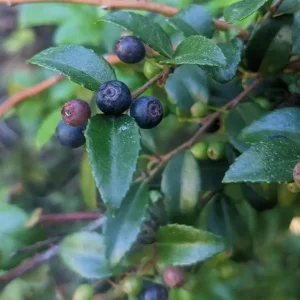
Cultivate your own delicious berries with this wild huckleberry live plant, presented in a convenient 3-inch pot. Ideal for adding a touch of native beauty and edible fruit to your garden, this shrub is perfect for both experienced gardeners and beginners looking for a rewarding berry bush.
-
USDA Hardiness Zone
USDA Zones 4-8 -
Soil Type
Acidic, well-draining soil (pH 4.5-5.5) -
Sunlight Exposure
Full sun to partial shade -
Expected Planting Period
Spring or early fall

You can track your order HERE
Sep 25
Sep 30 - Oct 02
Oct 05 - Oct 09
Shipping and return policies: Our Alive & Thrive Guarantee covers issues with your plants within the first 30 days. Reach out to us. Our team will answer your questions and help you find the plants that are truly suitable for your environment, climate, and personal preferences.

Overview
Bring the taste of the wild to your backyard with this vibrant wild huckleberry live plant. Huckleberries, often associated with the Vaccinium genus (which also includes blueberries), are cherished for their sweet, tart, and intensely flavorful berries. This particular plant comes nurtured in a 3-inch pot, ready to be transplanted into your garden or a larger container. Known for their resilience and adaptability, wild huckleberry plants are not only a source of delicious fruit but also contribute to local ecosystems, attracting pollinators and wildlife. Adding a wild huckleberry live plant to your landscape is an investment in both beauty and bounty, providing a unique edible experience that differs from more common berries.
Whether you’re an avid berry grower or simply looking to incorporate more native and edible plants into your outdoor space, this huckleberry is an excellent choice. Its attractive foliage and seasonal berries make it a delightful addition to any garden design. The experience of harvesting your own fresh huckleberries is truly rewarding, offering a taste sensation that store-bought varieties can rarely match. Discover the joy of growing your own with this robust and promising plant.
Key Benefits
Growing your own huckleberries offers a multitude of benefits, from the sheer joy of harvesting fresh fruit to enhancing your garden’s biodiversity. This wild huckleberry live plant is a fantastic choice for those seeking both aesthetic appeal and practical yield.
- Delicious Edible Berries: Enjoy a seasonal bounty of intensely flavored, sweet-tart huckleberries perfect for jams, pies, or eating fresh off the bush. The distinct taste of these berries is a true culinary delight.
- Attractive Garden Addition: With its delicate foliage and seasonal flowers, the huckleberry plant adds natural beauty to your landscape throughout the growing season. It provides visual interest even when not in fruit.
- Supports Local Wildlife: The berries and flowers provide a valuable food source for birds, bees, and other pollinators, contributing to the ecological health of your garden. It’s an excellent choice for a wildlife-friendly garden.
- Relatively Low Maintenance: Once established, this huckleberry plant care is straightforward, requiring minimal intervention to thrive, especially when planted in suitable conditions. It’s a hardy and resilient shrub.
- Adaptable Growth: While preferring specific soil conditions, many Vaccinium species are quite adaptable, making them suitable for various garden settings and climates within their hardiness zones. This flexibility makes growing huckleberries accessible.
- Unique Flavor Profile: Huckleberries offer a more complex and often richer flavor than many cultivated berries, providing a gourmet experience right from your garden. This unique taste sets them apart.
- Native Plant Appeal: Choosing a wild huckleberry live plant helps promote native plant species, which are often better suited to local climates and require fewer resources.
Plant Care & Growing Tips
Successful cultivation of your wild huckleberry live plant depends on providing the right conditions, mimicking its natural habitat as closely as possible. Huckleberries, particularly those in the Vaccinium genus, generally thrive in acidic, well-draining soil and prefer specific light conditions. Understanding these key aspects of huckleberry plant care will ensure your plant flourishes and produces abundant fruit.
For optimal growth, plant your huckleberry in a location that receives full sun to partial shade. Full sun (6+ hours of direct sunlight) will encourage the most fruit production, but partial shade (especially in hotter climates) can protect the plant from scorching afternoon sun. The soil is crucial; huckleberries require acidic soil with a pH between 4.5 and 5.5. Amend your soil with peat moss, pine bark, or other organic matter to lower the pH and improve drainage. Ensure the planting site has excellent drainage, as huckleberry roots are shallow and susceptible to rot in waterlogged conditions. Regular watering is essential, especially during dry spells and when the plant is establishing. Keep the soil consistently moist but never soggy. Fertilize sparingly with an acid-loving plant fertilizer in early spring, following product instructions carefully to avoid over-fertilization.
Pruning is generally minimal for huckleberries, primarily involving the removal of dead, damaged, or weak branches in late winter or early spring to maintain plant health and shape. Protect young plants from extreme winter conditions if you live in the colder end of their hardiness zone by applying a layer of mulch around the base. Watch out for common pests like aphids or diseases like powdery mildew, addressing them promptly with organic solutions if they appear. By following these guidelines, your edible berry bush will thrive, providing you with years of delicious harvests and a beautiful addition to your garden.
Size & Details
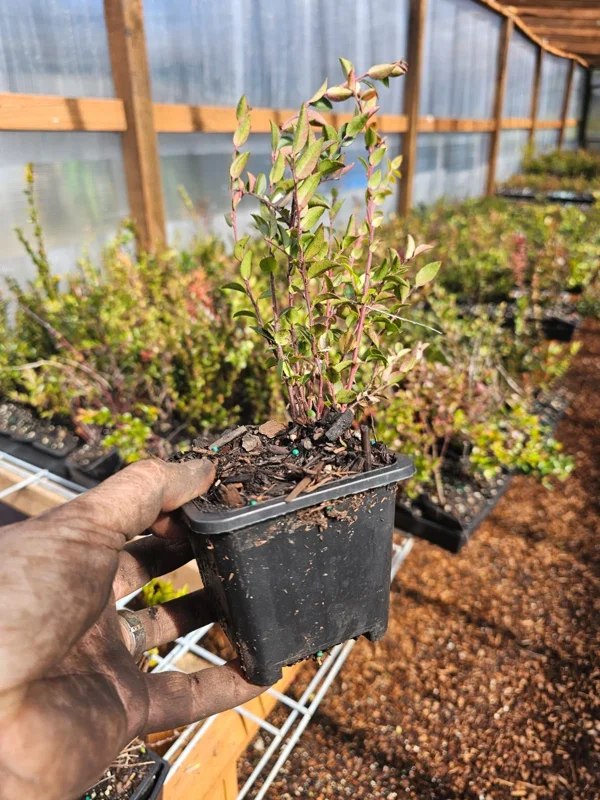
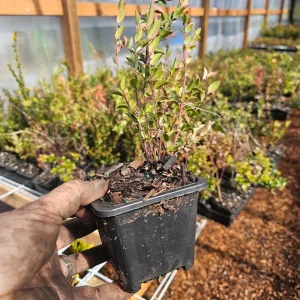
This wild huckleberry live plant is presented in a 3-inch nursery pot, providing a healthy start for your gardening endeavors. At the time of shipment, the plant typically stands between 6 to 12 inches tall, depending on the specific variety and growing cycle. Huckleberry shrubs are generally slow to moderate growers, with mature plants reaching heights of 2 to 6 feet and a spread of 3 to 5 feet, creating a compact to medium-sized edible berry bush. The exact size will vary based on the specific species (many plants are referred to as ‘huckleberry’ but are different Vaccinium species) and growing conditions.
When you receive your plant, it will be a well-rooted specimen, ready for transplanting into its permanent location. Expect to see flowers in late spring to early summer, followed by the development of berries during mid to late summer. The typical fruiting period can extend over several weeks, offering a prolonged harvest. While some varieties can begin producing fruit in their first year, a significant yield usually begins in the second or third year after planting. This plant is shipped as a live, potted specimen, ensuring its health and vitality upon arrival.
Frequently Asked Questions
- Q: How big does this plant get? A: This wild huckleberry live plant is currently in a 3-inch pot. When mature, most huckleberry varieties grow to an average height of 2 to 6 feet and spread 3 to 5 feet, depending on the specific type and growing conditions.
- Q: Is this an indoor or outdoor plant? A: Huckleberry plants are primarily outdoor shrubs. They require specific light and soil conditions that are best provided in an outdoor garden setting. They are not typically grown as houseplants.
- Q: How much sunlight does it need? A: For the best fruit production, huckleberries prefer full sun, meaning at least 6 hours of direct sunlight per day. In very hot climates, some afternoon shade can be beneficial to prevent leaf scorch.
- Q: Is this plant easy to care for? A: Once established in the correct acidic, well-draining soil, huckleberries are relatively low-maintenance. The most critical aspects of huckleberry plant care are ensuring proper soil pH and consistent moisture.
- Q: What condition will it arrive in? A: Your huckleberry plant will arrive as a healthy, live, potted specimen, carefully packaged to minimize stress during transit. It will be ready for immediate transplanting upon arrival.
- Q: Can I use the berries in cooking? A: Absolutely! The berries from this wild huckleberry live plant are highly prized for their unique flavor and are excellent for making jams, pies, sauces, or simply eating fresh. They are a delicious and versatile fruit.
- Q: When is the best time to plant this huckleberry? A: The best time to plant your huckleberry is typically in spring or early fall, when temperatures are moderate. This allows the plant to establish its root system before the stress of extreme summer heat or winter cold.
- Q: Will it survive winter in my zone? A: Huckleberries are hardy shrubs. The specific hardiness will depend on the exact species, but most commonly grown huckleberries are suitable for USDA Zones 4-8. Ensure you know your local hardiness zone for best results.
- Q: What type of soil does a vaccinium species plant need? A: Huckleberries, being a vaccinium species, require highly acidic soil with a pH between 4.5 and 5.5. The soil should also be rich in organic matter and have excellent drainage to prevent root rot.
- Q: Is this plant pet-safe? A: While the berries are safe for human consumption, it’s always best to consult a veterinarian or a reliable source regarding specific plant toxicity for pets, especially if your pet tends to chew on plants.
Be the first to review “Wild Huckleberry Live Plant – 3in Pot – Edible Berries – Outdoor Shrub”
People Also Viewed
HousePlants
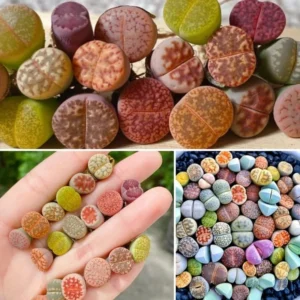
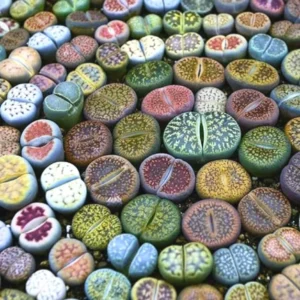
Lithops Live Plants Mix – 10 Large Colorful Living Stones Succulents for Indoor/Outdoor Growing
Sold 93 products
Original price was: $27.98.$13.99Current price is: $13.99.
Vegetable Seeds
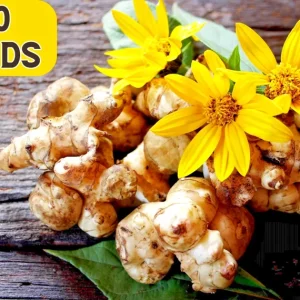
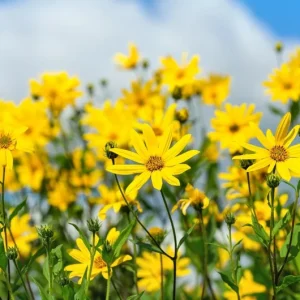
Jerusalem Artichoke Sunchoke Seeds – 20 Count Helianthus Tuberosus Yellow Flower Perennial
Sold 70 products
Original price was: $18.76.$9.38Current price is: $9.38.





Reviews
There are no reviews yet.