
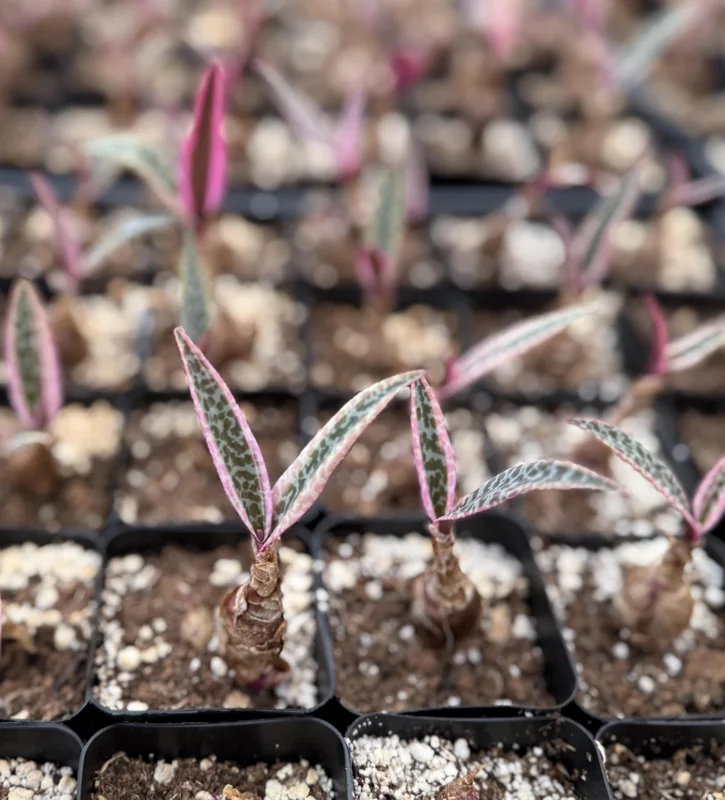
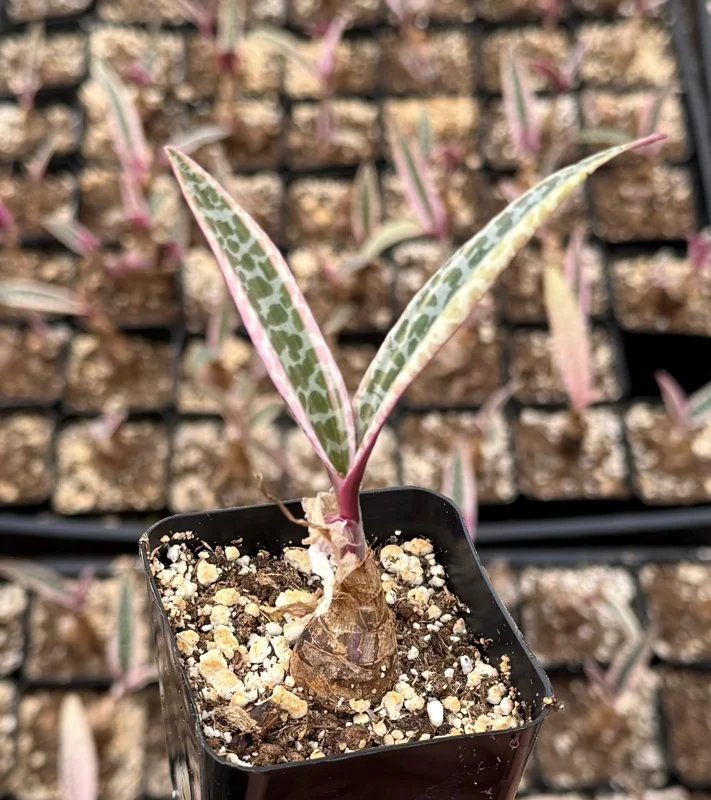
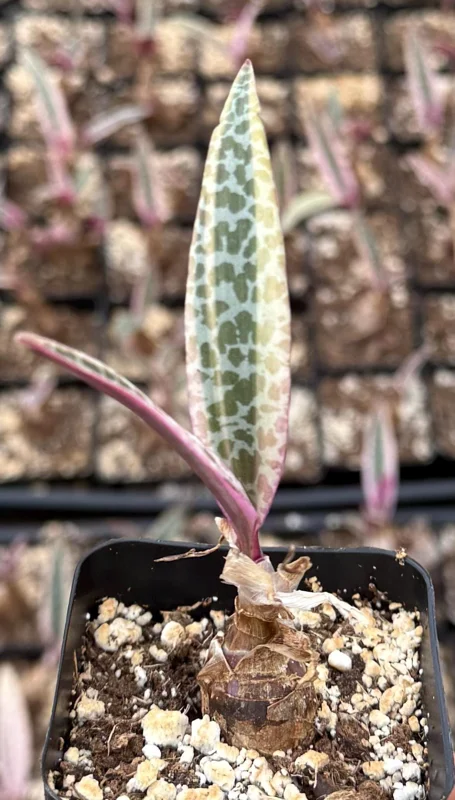
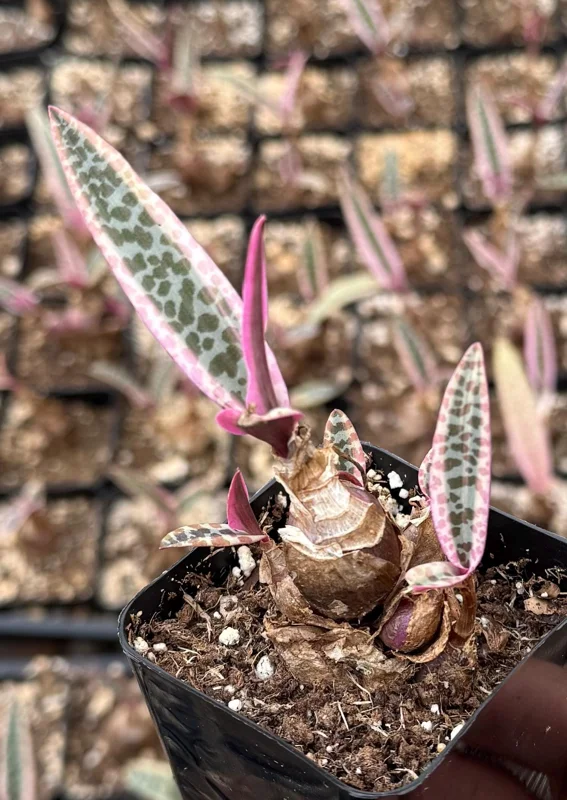
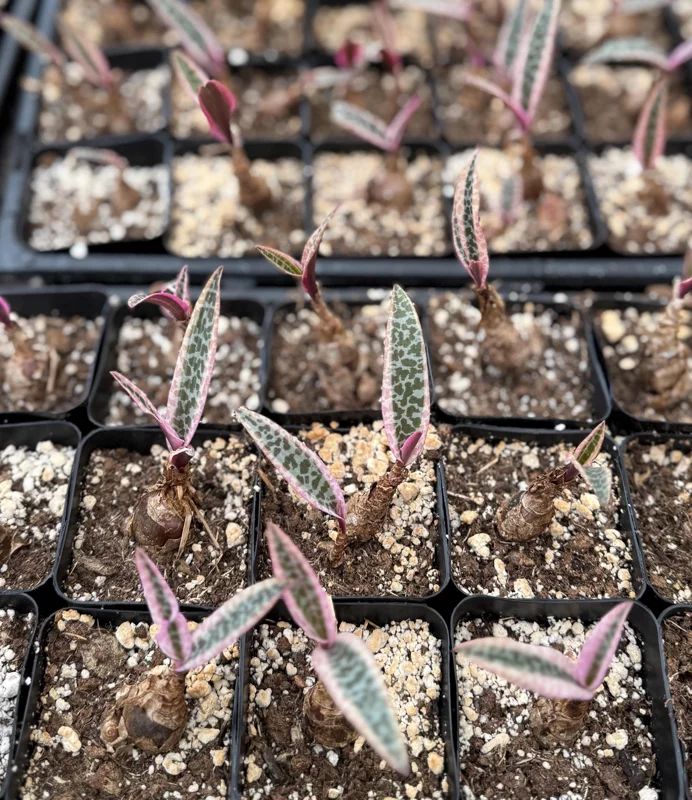
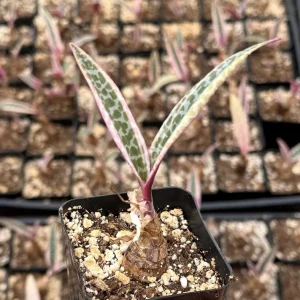
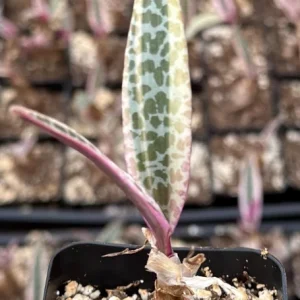
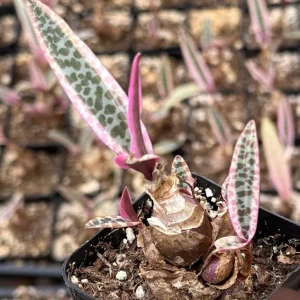
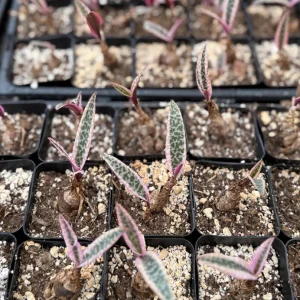
Variegated Silver Squill Live Plant – Ledebouria Socialis in 2.5″ Pot
Original price was: $24.18.$16.92Current price is: $16.92.
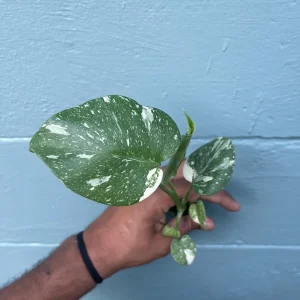
Bring home a unique variegated silver squill live plant (Ledebouria Socialis) in a 2.5″ pot. This striking houseplant features beautiful green and silvery leaves with cream, white, or yellow variegation, adding a touch of elegance to any indoor space. Easy to care for and visually captivating, it’s perfect for collectors and beginners alike.
-
USDA Hardiness Zone
USDA zones 9-11 (indoors elsewhere) -
Soil Type
Well-draining succulent or cactus potting mix -
Sunlight Exposure
Bright indirect light -
Expected Planting Period
Year-round indoors

You can track your order HERE
Sep 20
Sep 25 - Sep 27
Sep 30 - Oct 04
Shipping and return policies: Our Alive & Thrive Guarantee covers issues with your plants within the first 30 days. Reach out to us. Our team will answer your questions and help you find the plants that are truly suitable for your environment, climate, and personal preferences.

Overview
Introduce a touch of captivating beauty to your indoor plant collection with the exquisite variegated silver squill live plant. Scientifically known as Ledebouria socialis ‘Violacea’, this rare variant of the popular Silver Squill is a true botanical gem. Unlike its standard counterpart, this unique variety boasts striking variegation, presenting a mesmerizing display of green or silvery leaves adorned with patches or streaks of creamy white, soft yellow, or even delicate pink hues. The variegated silver squill live plant is highly sought after by plant enthusiasts for its distinctive foliage and charming growth habit. It forms attractive clusters with a bulbous base, reminiscent of a miniature onion, from which its elegant leaves emerge. This easy-to-care-for succulent-like plant is originally from South Africa, making it well-adapted to various indoor conditions.
The common name, Silver Squill, hints at the silvery markings on its leaves, which are even more pronounced and beautiful in the variegated form. Beyond its stunning foliage, the variegated silver squill live plant also produces delicate, bell-shaped purple flowers on slender stalks, adding another layer of charm to its appearance. This plant is perfectly sized for windowsills, desks, or as a delightful addition to a mixed succulent arrangement. Its unique coloring ensures it stands out, making it a fantastic conversation starter and a focal point in any room.
Key Benefits
The variegated silver squill live plant offers a multitude of benefits, making it an excellent choice for both seasoned plant parents and those new to gardening. Its unique aesthetic appeal is just one of the many reasons to welcome this plant into your home.
- Stunning Variegated Foliage: The primary benefit is its incredibly attractive leaves, featuring a beautiful mix of green, silver, cream, and sometimes pink. This natural artistry provides year-round visual interest and makes the variegated silver squill live plant a standout specimen.
- Low Maintenance: This plant is remarkably forgiving and requires minimal attention, making it ideal for busy individuals or those just starting their plant journey. It tolerates occasional neglect and thrives with basic care, proving why ledebouria socialis care is straightforward.
- Compact Size: Its modest size makes it perfect for smaller spaces, apartments, office desks, or as part of a larger plant display. It won’t outgrow its spot quickly, maintaining its charm for years.
- Unique Appearance: The bulbous base and clustering growth habit, combined with the variegated leaves and delicate purple flowers, give it a truly distinctive look that sets it apart from more common houseplants. It’s a fantastic alternative to traditional succulents.
- Air Purifying Qualities: Like many houseplants, the Silver Squill contributes to a healthier indoor environment by helping to filter toxins and improve air quality, albeit on a smaller scale given its size.
- Drought Tolerant: Thanks to its bulbous structure, this plant can store water, making it highly drought-tolerant. This reduces the frequency of watering and lessens the risk of root rot from overwatering.
- Easy Propagation: The plant readily produces offsets, allowing for easy propagation and sharing with friends, expanding your collection effortlessly. This characteristic also contributes to its charming, clumping growth.
Plant Care & Growing Tips
Providing proper ledebouria socialis care is straightforward, ensuring your variegated silver squill live plant thrives and displays its beautiful foliage. This plant is known for its resilience and adaptability, making it a joy to grow.
Sunlight Requirements
The variegated silver squill live plant prefers bright, indirect light. A spot near an east or west-facing window is ideal, where it can receive several hours of bright light without direct, harsh afternoon sun which can scorch its delicate leaves. While it can tolerate lower light conditions, its variegation may become less pronounced, and growth may be slower. If you notice the colors fading, consider moving it to a brighter location. For optimal growth and vibrant coloration, aim for at least 4-6 hours of bright, filtered light daily.
Watering & Soil
As a succulent-like plant, the Silver Squill is drought-tolerant. Water thoroughly when the top 1-2 inches of soil feel dry to the touch, then allow the soil to dry out almost completely before watering again. Overwatering is the most common cause of problems, leading to bulb rot. Reduce watering significantly in winter when the plant’s growth slows. The ideal soil for this plant is a well-draining potting mix, such as a succulent or cactus blend, which prevents waterlogging. Ensure the pot has drainage holes to allow excess water to escape.
Temperature & Humidity
This plant thrives in average household temperatures between 65-80°F (18-27°C). It is not tolerant of cold temperatures and should be protected from frost. Keep it away from drafts and sudden temperature fluctuations. Average indoor humidity levels are generally sufficient for the variegated silver squill live plant; it does not require high humidity and can tolerate dry indoor air. It is best suited for USDA zones 9-11 if grown outdoors, but it is primarily cultivated as an indoor houseplant.
Fertilization & Pruning
Feed your silver squill plant sparingly during its active growing season (spring and summer) with a balanced liquid fertilizer diluted to half strength. Fertilize once every 4-6 weeks, or less if you prefer slower growth. Avoid fertilizing in fall and winter. Pruning is generally not necessary, beyond removing any yellowing or dead leaves to maintain its tidy appearance. You can also snip off spent flower stalks near the base to encourage new blooms and foliage growth.
Common Problems
The variegated houseplant is generally pest-resistant. However, watch out for common houseplant pests like mealybugs or spider mites, especially if the plant is stressed or in a very dry environment. Treat promptly with neem oil or insecticidal soap if an infestation occurs. Overwatering can lead to soft, mushy bulbs or root rot, so always err on the side of underwatering. If leaves start to yellow, it could be a sign of either overwatering or insufficient light.
Size & Details
This offering is for one variegated silver squill live plant, also known as pink silver squill or Ledebouria socialis, carefully grown and shipped in a 2.5-inch nursery pot. At the time of shipping, the plant will typically stand approximately 4-6 inches tall, including the pot, with a spread of about 3-5 inches, forming attractive clusters. Each plant showcases its distinctive variegated foliage, with varying patterns of green, silver, cream, and pink. It is a slow to moderate grower, gradually expanding its bulbous clusters over time. It typically ships as a well-rooted, healthy specimen, ready to be acclimated to its new home. Expect the plant to continue growing and producing more offsets, eventually filling out its pot with dense, colorful foliage and occasional charming purple blooms. The plant is mature enough to display its characteristic variegation vividly upon arrival.
Frequently Asked Questions
- Q: How big does this variegated silver squill live plant get? A: While typically compact, a mature variegated silver squill live plant can reach 6-12 inches in height and spread, forming dense clusters of bulbs and foliage. Its growth rate is moderate, allowing it to remain a manageable size for many years, especially in a 2.5″ pot.
- Q: Is this an indoor or outdoor plant? A: The variegated silver squill live plant is primarily grown as an indoor houseplant in most climates. It can be grown outdoors in USDA zones 9-11, where temperatures do not drop below freezing, but it thrives in the stable environment of a home.
- Q: How much sunlight does my ledebouria socialis need? A: This plant prefers bright, indirect light. Avoid direct, harsh afternoon sun, which can burn its leaves. A spot near an east or west-facing window is usually perfect for optimal growth and to maintain its vibrant variegation.
- Q: Is this plant easy to care for? A: Yes, the silver squill plant is considered very easy to care for, making it an excellent choice for beginners. It is quite forgiving of neglect and tolerates dry conditions better than overwatering, simplifying ledebouria socialis care.
- Q: What condition will the plant arrive in? A: Your variegated silver squill live plant will arrive as a healthy, well-rooted specimen in its 2.5″ nursery pot, carefully packaged to ensure minimal stress during transit. It will be ready to be placed in its new environment.
- Q: Is this a pet-safe plant? A: Unfortunately, Ledebouria socialis, including the pink silver squill variant, is considered toxic if ingested by pets. It’s best to keep it out of reach of curious animals.
- Q: How often should I water my variegated houseplant? A: Water thoroughly when the top 1-2 inches of soil are dry, then allow the soil to dry out almost completely before watering again. This typically means watering every 1-2 weeks, depending on your home’s environment.
- Q: What kind of soil is best for a silver squill? A: A well-draining potting mix is crucial. A succulent or cactus mix works perfectly, ensuring that excess water can drain away, preventing root and bulb rot.
- Q: Will my plant have pink variegation? A: While some individuals of the pink silver squill variant can display subtle pink hues, the variegation primarily consists of cream, white, and silver streaks on green leaves. The exact amount of pink can vary by plant and light exposure.
- Q: How long until it blooms? A: Mature Silver Squill plants typically bloom in spring and summer, producing small purple bell-shaped flowers on slender stalks. With good care, your plant should bloom annually once established.
Be the first to review “Variegated Silver Squill Live Plant – Ledebouria Socialis in 2.5″ Pot”
People Also Viewed
Sold 61 products
Original price was: $319.96.$159.98Current price is: $159.98.
Sold 78 products
Original price was: $25.56.$12.78Current price is: $12.78.
Sold 55 products
Original price was: $39.98.$19.99Current price is: $19.99.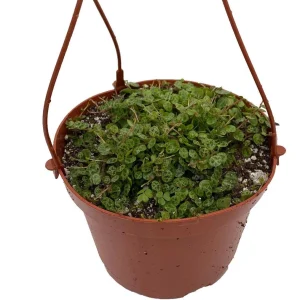
HousePlants
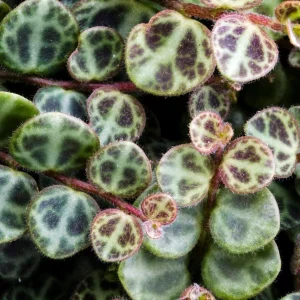
String of Turtles Peperomia Prostrata Live Plant – 5 inch Hanging Basket – Indoor Houseplant
Sold 99 products
Original price was: $95.96.$47.98Current price is: $47.98.
Sold 72 products
Original price was: $54.36.$27.18Current price is: $27.18.
Sold 69 products
Original price was: $31.96.$15.98Current price is: $15.98.
Sold 56 products
Original price was: $79.96.$39.98Current price is: $39.98.
Sold 84 products
From $63.80
Sold 98 products
Original price was: $84.00.$67.20Current price is: $67.20.
Sold 73 products
Original price was: $56.00.$44.80Current price is: $44.80.
Sold 66 products
Original price was: $310.00.$232.50Current price is: $232.50.
Sold 77 products
Original price was: $95.96.$47.98Current price is: $47.98.
Sold 68 products
Original price was: $38.00.$30.40Current price is: $30.40.
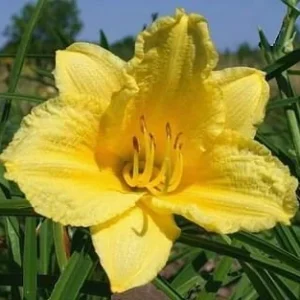
Flowers
Happy Returns Daylily Bare Root Plant – Lemon Yellow Reblooming Perennial, 1-2 Fans, Outdoor
Sold 89 products
From $79.80
Sold 58 products
Original price was: $35.18.$24.62Current price is: $24.62.
Sold 100 products
Original price was: $31.96.$15.98Current price is: $15.98.
Sold 99 products
Original price was: $31.96.$15.98Current price is: $15.98.
Sold 100 products
Original price was: $65.98.$56.08Current price is: $56.08.




%20–%206%20Inches%20Tall,%20Dormant,%20Outdoor%20Cold%20Hardy&url=https://gardennursery.net/product/pawpaw-tree-live-plant-asimina-triloba-6-inches-tall-dormant-outdoor-cold-hardy/&media=https://img.gardennursery.net/2026/02/pawpaw-tree-live-plant-asimina-triloba-6-inches-ta-dae0c5b8.webp)


Reviews
There are no reviews yet.