
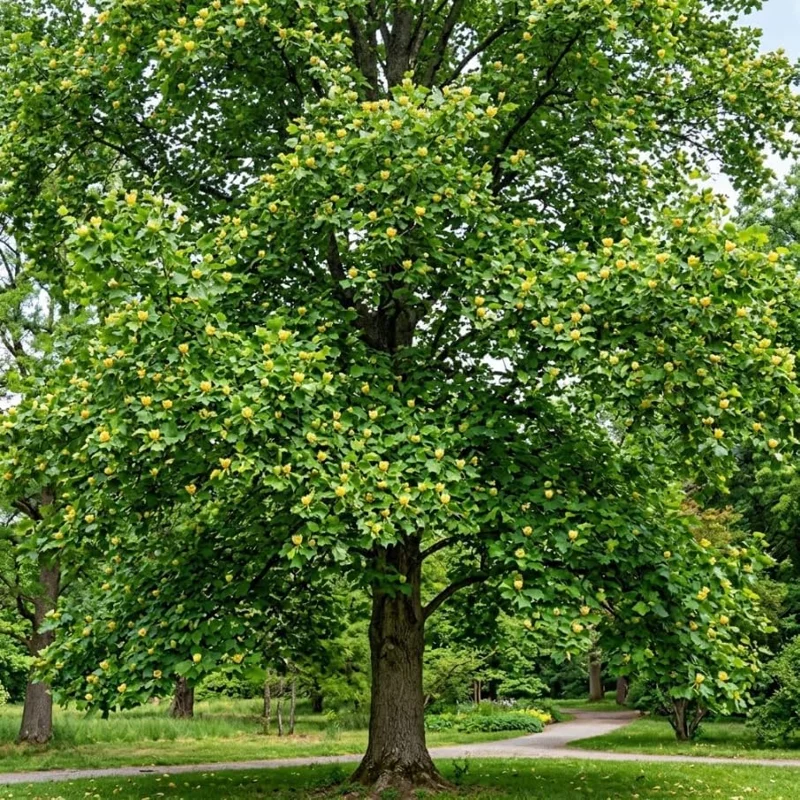
2 Tulip Poplar Live Plants 8-12″ Tall – Yellow Blooming Deciduous Trees for Outdoor
Original price was: $81.98.$40.99Current price is: $40.99.
Bring vibrant beauty to your landscape with this tulip poplar live plant 2-pack. Each yellow blooming tree arrives 8-12 inches tall in a quart pot, ready to thrive outdoors. Enjoy striking yellow-green flowers and brilliant golden fall foliage from this hardy, low-maintenance deciduous tree.
-
USDA Hardiness Zone
USDA Zones 4–9 -
Soil Type
Well-draining, moist, slightly acidic to neutral soil -
Sunlight Exposure
Full sun -
Expected Planting Period
Spring to early fall

You can track your order HERE
Oct 31
Nov 05 - Nov 07
Nov 10 - Nov 14
Shipping and return policies: Our Alive & Thrive Guarantee covers issues with your plants within the first 30 days. Reach out to us. Our team will answer your questions and help you find the plants that are truly suitable for your environment, climate, and personal preferences.

Overview
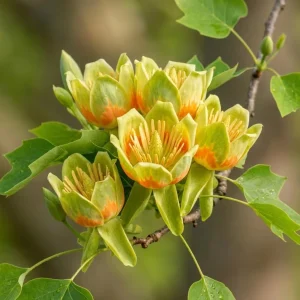
Transform your outdoor space with the majestic tulip poplar live plant. This offering includes a convenient 2-pack of young Liriodendron tulipifera, each standing 8-12 inches tall in a quart pot, perfectly sized for easy transplanting and establishment in your garden. Known for its rapid growth and distinctive beauty, the Tulip Poplar is a beloved native American tree that adds significant aesthetic value to any landscape. Its common name, ‘Tulip Tree’, comes from the unique, tulip-shaped yellow-green flowers that emerge in spring, creating a truly enchanting display. This magnificent yellow blooming tree also provides excellent shade and boasts striking foliage that turns a brilliant golden yellow in the fall, ensuring year-round visual interest. Whether you’re looking to create a focal point or add to a native planting, the tulip poplar live plant is an exceptional choice for gardeners seeking both beauty and resilience.
The tulip poplar live plant is a fantastic addition for those looking to introduce a stately and long-lived specimen to their property. Its upright growth habit and impressive mature size make it ideal as a shade tree, while its unique flowers and vibrant fall color ensure it stands out in any setting. This deciduous tree is not only beautiful but also provides valuable habitat for local wildlife, including pollinators attracted to its nectar-rich blooms. Investing in a tulip poplar live plant means investing in the future beauty and ecological health of your garden.
Key Benefits
The tulip poplar live plant offers a multitude of benefits, making it a highly desirable choice for any garden or landscape. Its impressive features contribute to both the aesthetic appeal and ecological value of your outdoor environment.
- Stunning Floral Display: Enjoy the unique beauty of yellow-green, tulip-shaped flowers with orange accents that bloom in late spring to early summer. This distinctive floral show makes the yellow blooming tree a true conversation starter and a highlight of your garden.
- Vibrant Fall Foliage: As seasons change, the lush green leaves transform into a brilliant golden yellow, providing a spectacular autumn display. This dramatic color shift ensures your landscape remains captivating throughout the year.
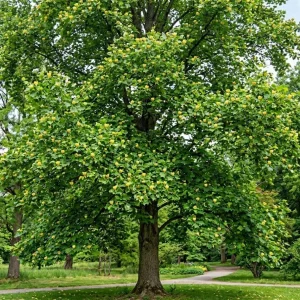
- Excellent Shade Provider: With its tall, upright growth habit and dense canopy, the Tulip Poplar quickly develops into a magnificent shade tree. It’s perfect for cooling your home or creating comfortable outdoor living spaces during warm months.
- Hardy and Adaptable: This resilient tree thrives across a wide range of climates, specifically USDA Zones 4–9. It adapts well to various soil conditions and is known for its robust nature once established, making it a reliable choice for many regions.
- Low Maintenance Once Established: After its initial establishment period, the liriodendron tulipifera requires minimal care. It’s a great option for gardeners who appreciate beauty without excessive upkeep.
- Native Landscape Appeal: As a native species, the Tulip Poplar supports local ecosystems, attracts pollinators, and integrates seamlessly into naturalized or native garden designs. It’s an eco-conscious choice for enhancing biodiversity.
- Versatile Landscaping Use: Ideal as a specimen tree, a component of a naturalized planting, or a majestic shade tree, the tulip tree for garden offers versatile design possibilities to suit your landscape vision.
Plant Care & Growing Tips
Caring for your tulip poplar live plant is straightforward, especially once it’s established. This hardy deciduous tree thrives with proper initial care, ensuring it grows into a magnificent specimen in your landscape. For optimal growth, plant your Tulip Poplar in a location that receives full sun, meaning at least 6 hours of direct sunlight per day. While it tolerates a range of soil types, well-drained, moist, and slightly acidic to neutral soil is ideal. Amend heavy clay soils with organic matter to improve drainage and aeration. When planting, dig a hole twice as wide as the root ball and just as deep, ensuring the top of the root ball is level with the surrounding soil. Water thoroughly after planting to settle the soil around the roots.
Watering is crucial during the first year of establishment. Aim for consistent moisture, especially during dry spells, but avoid overwatering, which can lead to root rot. Once established, the tulip poplar live plant becomes quite drought-tolerant, though supplemental watering during extended dry periods will benefit its health and vigor. Fertilization is generally not necessary for established trees in good soil, but young trees can benefit from a balanced, slow-release fertilizer in early spring. Pruning should be done in late winter or early spring while the tree is dormant, focusing on removing dead, damaged, or crossing branches. The deciduous shade tree is generally resistant to most pests and diseases, but monitoring for common issues like aphids or powdery mildew will help maintain its health. It is reliably hardy in USDA Zones 4–9, making it suitable for a broad range of climates.
Size & Details
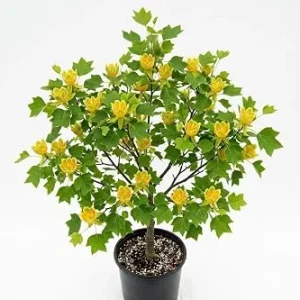
This offering includes two individual tulip poplar live plant specimens, each carefully nurtured in a quart-sized pot. Upon arrival, each young tree will measure approximately 8–12 inches tall, providing a robust start for your garden. The plants are shipped in their pots, ensuring minimal transplant shock and a smooth transition to your outdoor space. The liriodendron tulipifera is known for its relatively fast growth rate, and with proper care, these young plants will quickly establish and begin to develop into substantial trees. Expect to see significant growth within the first few years after planting. This yellow blooming tree will eventually mature into a large, stately specimen, typically reaching heights of 70-90 feet, though some can exceed 100 feet in ideal conditions, with a spread of 30-50 feet. Its tall, upright growth habit makes it an excellent choice for a prominent landscape feature or as a long-term shade provider. The unique tulip-shaped flowers typically appear in late spring to early summer, usually after the tree has reached a certain level of maturity, often within 5-10 years.
Frequently Asked Questions
- Q: How big does this plant get? A: The tulip poplar live plant you receive will be 8-12 inches tall. When mature, a Tulip Poplar can grow to an impressive height of 70-90 feet, and sometimes over 100 feet, with a spread of 30-50 feet. It develops into a grand deciduous shade tree over time.
- Q: What size pot does it come in? A: Each tulip poplar live plant is shipped in a quart-sized pot. This size is ideal for young seedlings, providing enough space for initial root development while remaining easy to transplant into your garden.
- Q: Is this an indoor or outdoor plant? A: The Tulip Poplar is an outdoor plant. It is a large deciduous tree that requires ample space and sunlight to thrive. It is not suitable for indoor cultivation.
- Q: How much sunlight does it need? A: This yellow blooming tree thrives in full sun, meaning it requires at least 6 hours of direct sunlight per day. While it can tolerate some partial shade, full sun exposure promotes the best growth and flowering.
- Q: Is this plant easy to care for? A: Yes, the liriodendron tulipifera is considered relatively easy to care for, especially once established. It requires consistent watering during its first year, but after that, it is quite hardy and low-maintenance.
- Q: What condition will it arrive in? A: Your tulip poplar live plant will arrive as a healthy seedling, carefully packaged in its quart pot with soil, ready for transplanting. We take great care to ensure the plants are protected during transit.
- Q: How long until it blooms? A: Tulip Poplars typically begin to bloom once they reach a certain maturity, which can take anywhere from 5 to 10 years after planting. The wait is well worth it for the stunning yellow, tulip-shaped flowers.
- Q: When is the best time to plant? A: The best time to plant your tulip tree for garden is in spring or early fall. This allows the roots to establish before the stress of extreme summer heat or winter cold.
- Q: Will it survive winter in my zone? A: Yes, the Tulip Poplar is very hardy and suitable for USDA Zones 4–9. It is well-adapted to surviving cold winters within this range.
- Q: What type of soil does it prefer? A: The Tulip Poplar prefers well-drained, moist, and slightly acidic to neutral soil. It can tolerate a range of soil types but thrives best when good drainage is provided.
Be the first to review “2 Tulip Poplar Live Plants 8-12″ Tall – Yellow Blooming Deciduous Trees for Outdoor”
People Also Viewed
Trees
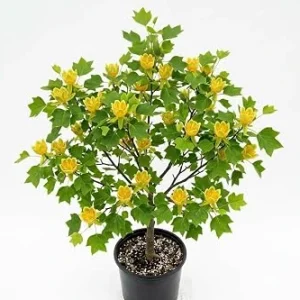
Tulip Poplar Tree Live Plant – 8-12 inch Tall, Yellow Blooming Deciduous Tree in Quart Pot, Outdoor
Sold 98 products
Original price was: $46.98.$23.49Current price is: $23.49.


HousePlants
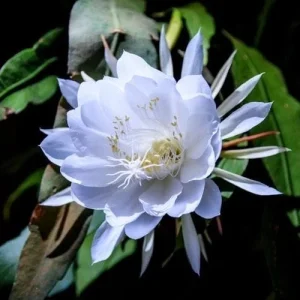
Night Blooming Cereus Live Plant – Queen of the Night Cactus, 4 Inch Pot, Indoor/Outdoor
Sold 80 products
Original price was: $36.99.$21.99Current price is: $21.99.




Trees
Tulip Poplar Live Plant – Quart Pot – Fast-Growing Native Shade Tree – Liriodendron tulipifera
Sold 54 products
Original price was: $63.98.$44.78Current price is: $44.78.







Reviews
There are no reviews yet.