
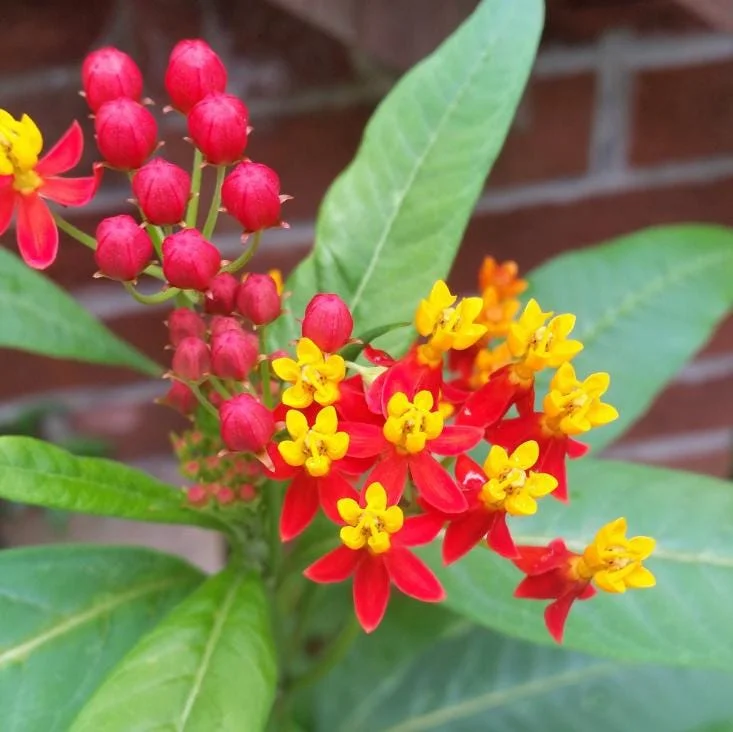
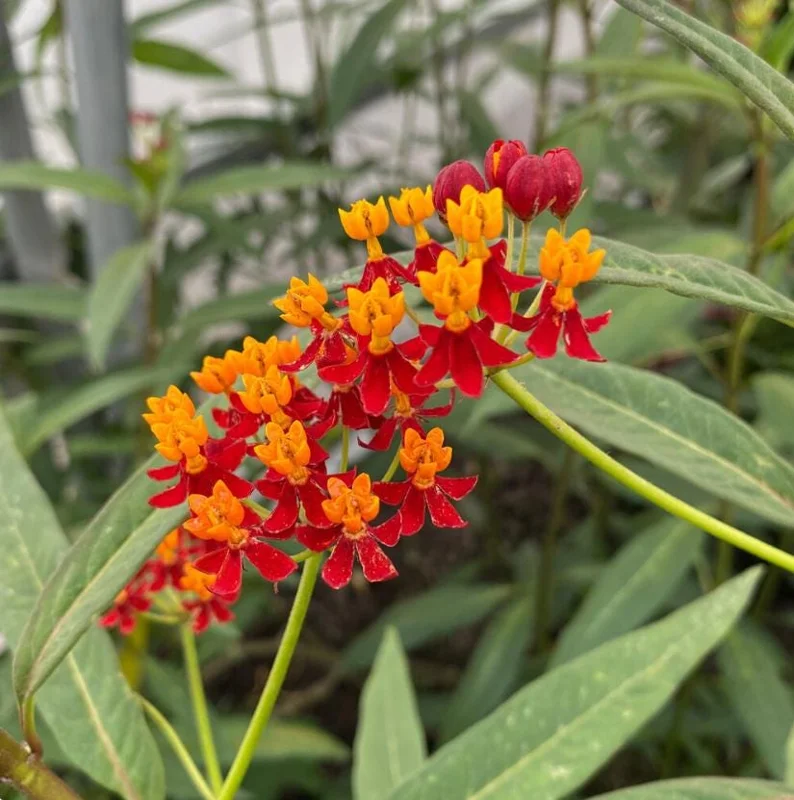
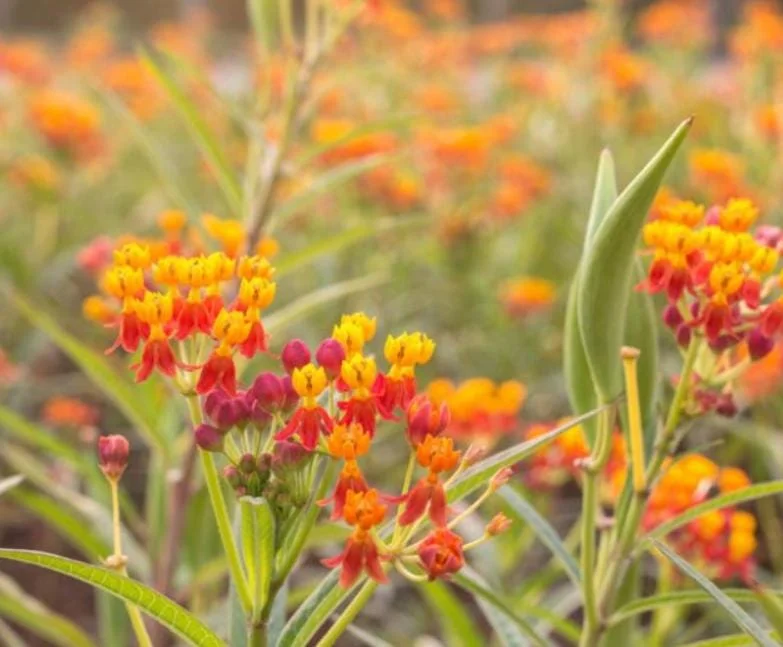
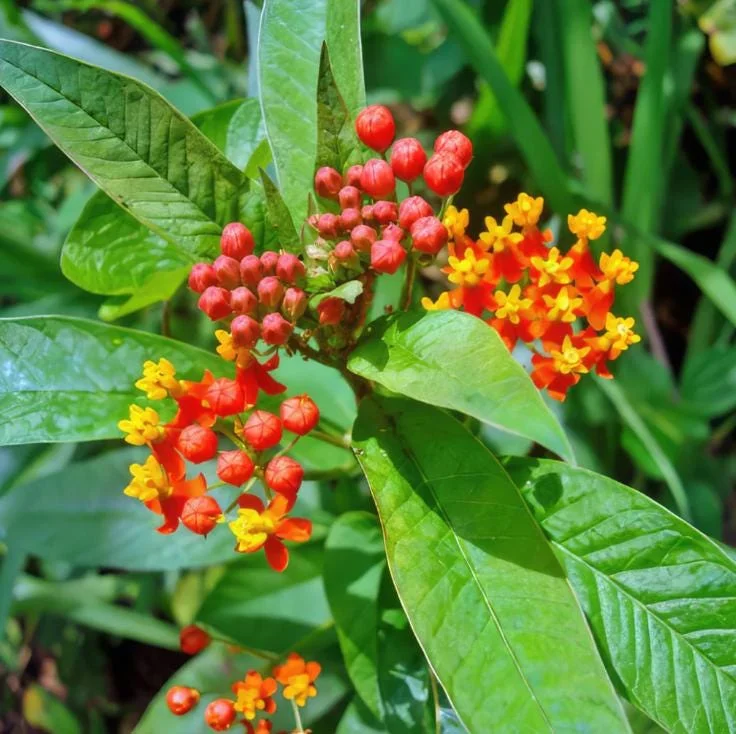
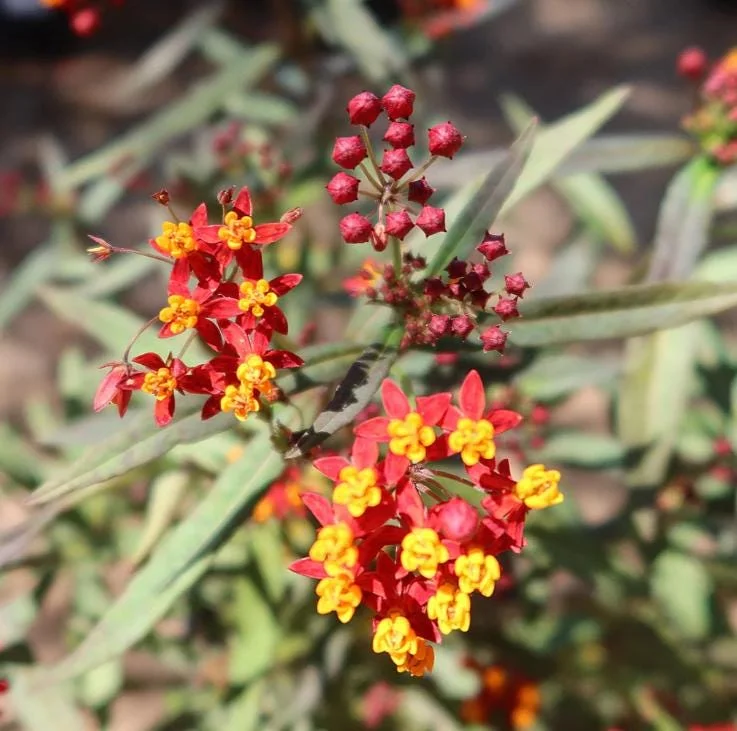
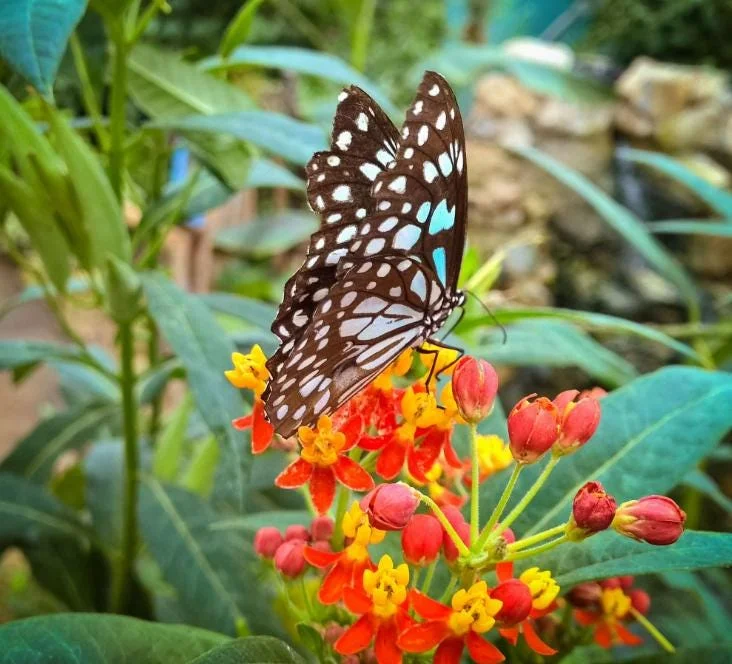
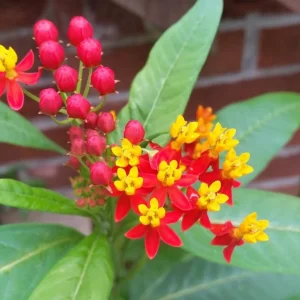
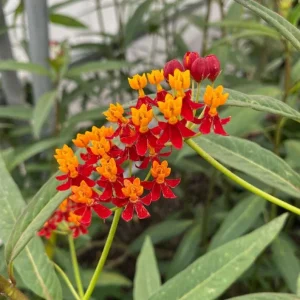
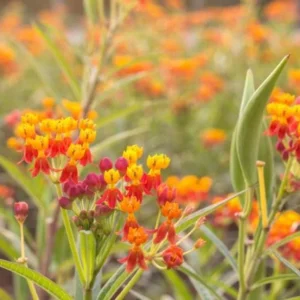
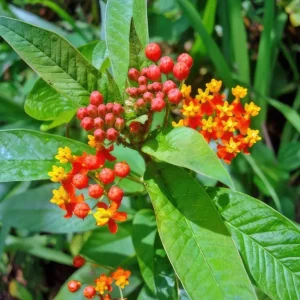
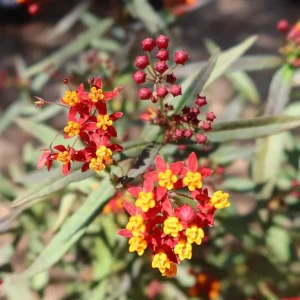
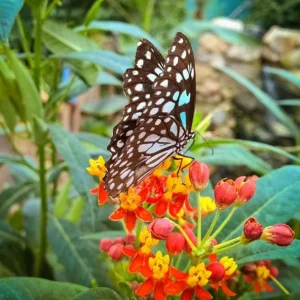
Tropical Milkweed Live Plant – Asclepias curassavica – 3-6″ Tall – Pollinator Flower
Original price was: $18.69.$13.08Current price is: $13.08.
Cultivate a haven for monarch butterflies with this beautiful tropical milkweed live plant. Known for its vibrant flowers and crucial role in the monarch lifecycle, this asclepias curassavica plant arrives 3-6 inches tall, ready to thrive in your garden or containers. Ideal for creating a stunning pollinator garden plants display.
-
USDA Hardiness Zone
USDA zones 8-11 -
Soil Type
Well-draining soil -
Sunlight Exposure
Full sun -
Expected Planting Period
Spring to early summer

You can track your order HERE
Oct 09
Oct 14 - Oct 16
Oct 19 - Oct 23
Shipping and return policies: Our Alive & Thrive Guarantee covers issues with your plants within the first 30 days. Reach out to us. Our team will answer your questions and help you find the plants that are truly suitable for your environment, climate, and personal preferences.

Overview
Welcome a burst of color and life into your garden with the vibrant tropical milkweed live plant. This captivating perennial, scientifically known as Asclepias curassavica, is a true superstar for any pollinator enthusiast. Renowned for its brilliant red, orange, and yellow flowers, tropical milkweed serves as a vital host plant for monarch butterfly caterpillars and a rich nectar source for adult monarchs and other beneficial insects. Unlike native milkweeds, tropical milkweed often blooms continuously, providing a consistent food source throughout warmer months. Our live plants arrive healthy and ready to establish, typically measuring 3-6 inches tall, making them perfect for immediate integration into your landscape or container arrangements.
The allure of tropical milkweed live plant extends beyond its ecological benefits. Its striking appearance adds a dramatic flair to borders, cottage gardens, and patio pots. Easy to grow and relatively low-maintenance, this plant is an excellent choice for both seasoned gardeners and beginners eager to support local ecosystems. By planting asclepias curassavica, you’re not just adding a beautiful flower; you’re contributing to the conservation of a beloved pollinator and creating an educational, dynamic outdoor space that will enchant visitors of all ages.
Embrace the joy of gardening with a purpose. The tropical milkweed live plant provides an unparalleled opportunity to observe the fascinating metamorphosis of the monarch butterfly up close, right in your own backyard. Its resilience and beauty make it an indispensable addition to any garden aiming to be a haven for wildlife.
Key Benefits
Adding a tropical milkweed live plant to your garden offers a multitude of advantages, transforming your outdoor space into a vibrant ecological hub. These benefits make it an essential choice for anyone passionate about biodiversity and beautiful flora:
- Monarch Butterfly Host Plant: This is the primary benefit of the tropical milkweed live plant. Its leaves are the sole food source for monarch butterfly caterpillars, making it crucial for their survival and development. Planting it directly supports monarch populations.
- Attracts Pollinators: Beyond monarchs, the bright flowers are a magnet for a wide array of pollinators, including bees, other butterfly species, and hummingbirds, enriching your garden’s biodiversity.
- Vibrant, Long-Lasting Blooms: Enjoy a prolonged display of stunning red, orange, and yellow flowers from spring through fall, adding continuous color and visual interest to your landscape.
- Easy to Grow: Asclepias curassavica is known for its hardiness and adaptability, thriving in various conditions with minimal fuss, making it suitable for gardeners of all experience levels.
- Versatile Garden Use: Perfect for garden beds, borders, and especially effective as a milkweed for containers, allowing you to place it strategically to maximize pollinator visits or enjoy it on patios and balconies.
- Educational Opportunity: Observing the monarch lifecycle unfold on your pollinator garden plants provides an incredible educational experience for children and adults alike, fostering an appreciation for nature.
- Drought Tolerant: Once established, tropical milkweed is relatively drought-tolerant, requiring less frequent watering compared to many other flowering plants.
Plant Care & Growing Tips
Caring for your tropical milkweed live plant is straightforward, ensuring a thriving display of flowers and a welcoming environment for pollinators. This resilient plant flourishes with proper attention to its basic needs. For optimal growth and bloom production, choose a location that receives at least 6 hours of direct sunlight per day. While it can tolerate some partial shade, full sun will result in the most vibrant colors and abundant flowers. In hotter climates, a little afternoon shade can prevent leaf scorch.
When it comes to watering, tropical milkweed prefers consistently moist soil but is also quite forgiving of drier conditions once established. Water deeply when the top inch or two of soil feels dry to the touch, especially during hot, dry spells. Ensure good drainage, as soggy roots can lead to rot. A well-draining potting mix is essential if you are growing your milkweed for containers. For soil type, a moderately fertile, well-draining soil is ideal. Amend heavy clay soils with compost or sand to improve drainage, and sandy soils with compost to enhance water retention and nutrient availability. The plant is generally hardy in USDA Zones 8-11, where it can be grown as a perennial. In colder zones, it is typically grown as an annual or brought indoors during winter.
Fertilization is generally not heavily required for asclepias curassavica. A light application of a balanced, all-purpose fertilizer in early spring can encourage vigorous growth and more blooms. Avoid over-fertilizing, as this can lead to lush foliage at the expense of flowers. Deadheading spent blooms will encourage the plant to produce more flowers and prevent excessive self-seeding. For optimal monarch health, some gardeners prune back tropical milkweed in late fall to prevent the buildup of Ophryocystis elektroscirrha (OE), a protozoan parasite that can harm monarch populations. Regularly inspect your tropical milkweed live plant for pests like aphids and treat them with organic insecticidal soap if necessary, being mindful of monarch caterpillars.
Size & Details
This offering is for a single tropical milkweed live plant, which will arrive as a healthy, actively growing specimen. Each plant typically measures between 3 to 6 inches in height from the base of the soil to the tip of its tallest leaf or stem. The plant is shipped without a pot, with its roots carefully wrapped to ensure moisture retention and protection during transit, ready for immediate planting upon arrival. While specific measurements can vary slightly due to natural growth patterns, we ensure each plant is robust and well-rooted, prepared for transplanting into your garden bed or chosen container.
Once established, the asclepias curassavica can grow to an average mature height of 2 to 3 feet tall and spread about 1 to 2 feet wide, forming an attractive, bushy presence. Its growth rate is considered moderate to fast, allowing you to quickly enjoy its vibrant blooms and the monarch activity it attracts. Expect the first blooms to appear within a few weeks to months after planting, depending on growing conditions and the time of year. This versatile plant is also excellent for gardeners looking for pollinator garden plants that offer continuous visual appeal and ecological benefits throughout the growing season.
Frequently Asked Questions
- Q: How big does this Tropical Milkweed plant get? A: This tropical milkweed live plant ships at 3-6 inches tall. Once established, it typically grows to a mature height of 2-3 feet and spreads 1-2 feet wide, forming a bushy, vibrant plant.
- Q: Is this an indoor or outdoor plant? A: Asclepias curassavica is primarily grown as an outdoor plant in gardens or containers, especially in warmer climates. In colder regions (USDA Zones 7 and below), it’s often grown as an annual or brought indoors during winter.
- Q: How much sunlight does it need? A: For best results, your tropical milkweed live plant requires at least 6 hours of direct sunlight per day. It thrives in full sun conditions, which promote abundant flowering and healthy growth.
- Q: Is this plant easy to care for? A: Yes, tropical milkweed is considered an easy-to-care-for plant. It’s relatively drought-tolerant once established and doesn’t require extensive fertilization, making it a great choice for beginner gardeners.
- Q: What condition will it arrive in? A: Your tropical milkweed live plant will arrive with its roots carefully wrapped and protected, ensuring it is healthy and ready for planting immediately upon receipt. It is shipped without a pot.
- Q: When is the best time to plant Tropical Milkweed? A: The best time to plant your asclepias curassavica is in spring after the last frost, or in early summer, to allow it ample time to establish before cooler weather arrives.
- Q: Will it survive winter in my zone? A: Tropical milkweed is perennial in USDA Zones 8-11. In colder zones, it will likely not survive winter outdoors and is best treated as an annual or overwintered indoors.
- Q: Can I grow this milkweed for containers? A: Absolutely! This milkweed for containers thrives in pots, making it perfect for patios, balconies, or small gardens. Just ensure the container has good drainage and is large enough to accommodate its mature size.
- Q: Why is Tropical Milkweed important for butterflies? A: Tropical milkweed is a crucial host plant for monarch butterflies. Its leaves are the only food source that monarch caterpillars can eat, making it essential for their development into adult butterflies.
- Q: What kind of soil does it prefer? A: This plant prefers well-draining soil. If planting in the ground, amend heavy clay soils with compost. For containers, use a good quality, well-draining potting mix.
Be the first to review “Tropical Milkweed Live Plant – Asclepias curassavica – 3-6″ Tall – Pollinator Flower”
People Also Viewed






Fruits
Strawberry Guava Live Plant, Psidium cattleyanum, 5-9 inch, Edible Fruit Tree, Indoor/Outdoor
Sold 73 products
$29.98






%20–%2030+%20Seeds%20for%20Fall%20Color%20&%20Syrup&url=https://gardennursery.net/product/sugar-maple-tree-seeds-acer-saccharum-30-seeds-for-fall-color-syrup/&media=https://img.gardennursery.net/2026/01/sugar-maple-tree-seeds-acer-saccharum-30-seeds-for-63ddf5b7.webp)


Reviews
There are no reviews yet.