
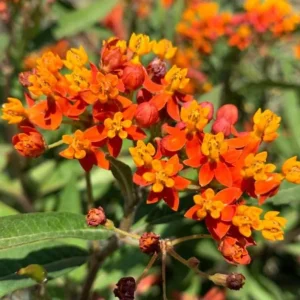
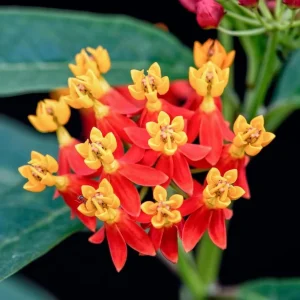
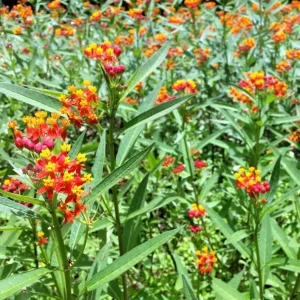
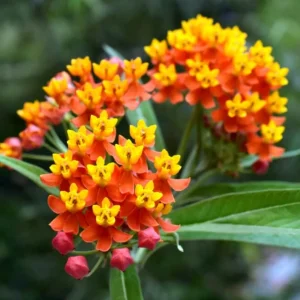
Tropical Milkweed Live Plant – 4 inch Pot – Outdoor Butterfly Host
Original price was: $25.98.$12.99Current price is: $12.99.
Bring life and color to your garden with this beautiful tropical milkweed live plant. Perfect for attracting monarch butterflies, this 4-inch potted plant serves as an essential host for monarch caterpillars. Enjoy vibrant blooms and support local pollinators with this easy-to-grow perennial.
-
USDA Hardiness Zone
USDA zones 9–11 (perennial), Zones 3–8 (annual) -
Soil Type
Well-draining soil -
Sunlight Exposure
Full sun -
Expected Planting Period
Spring to early summer

You can track your order HERE
Oct 09
Oct 14 - Oct 16
Oct 19 - Oct 23
Shipping and return policies: Our Alive & Thrive Guarantee covers issues with your plants within the first 30 days. Reach out to us. Our team will answer your questions and help you find the plants that are truly suitable for your environment, climate, and personal preferences.

Overview
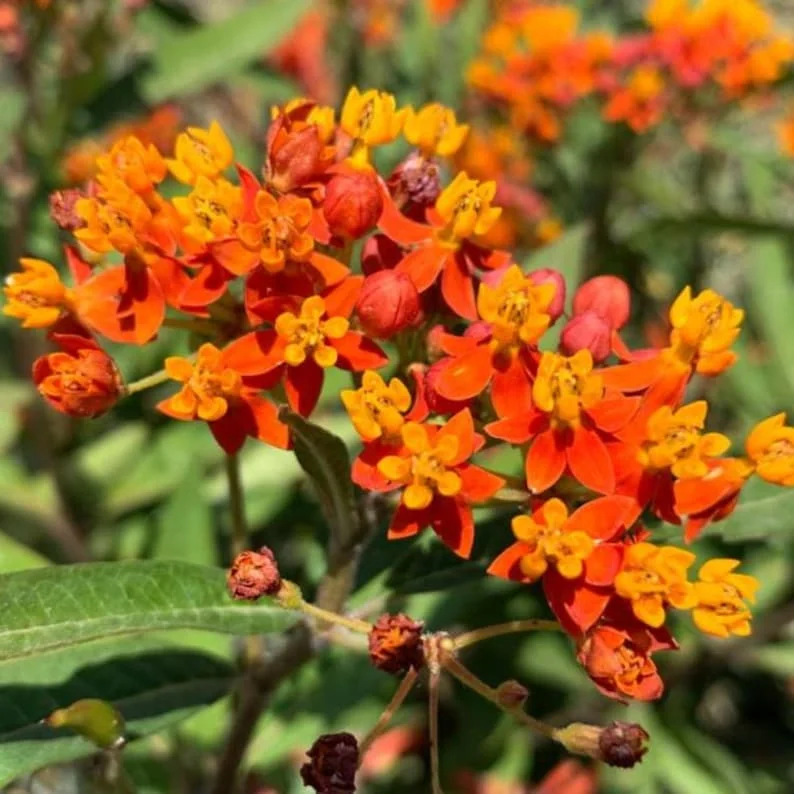
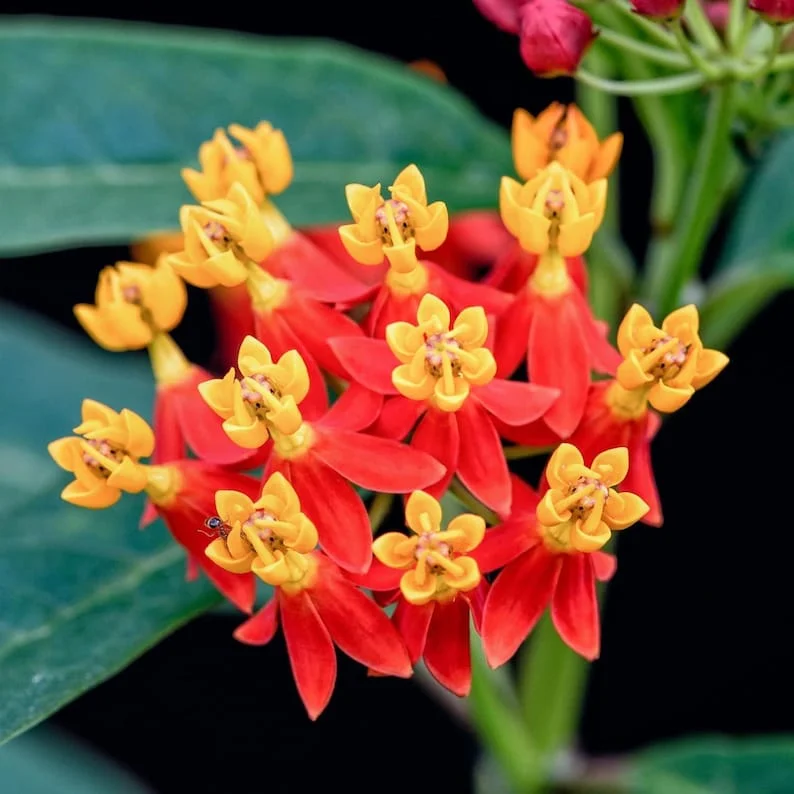
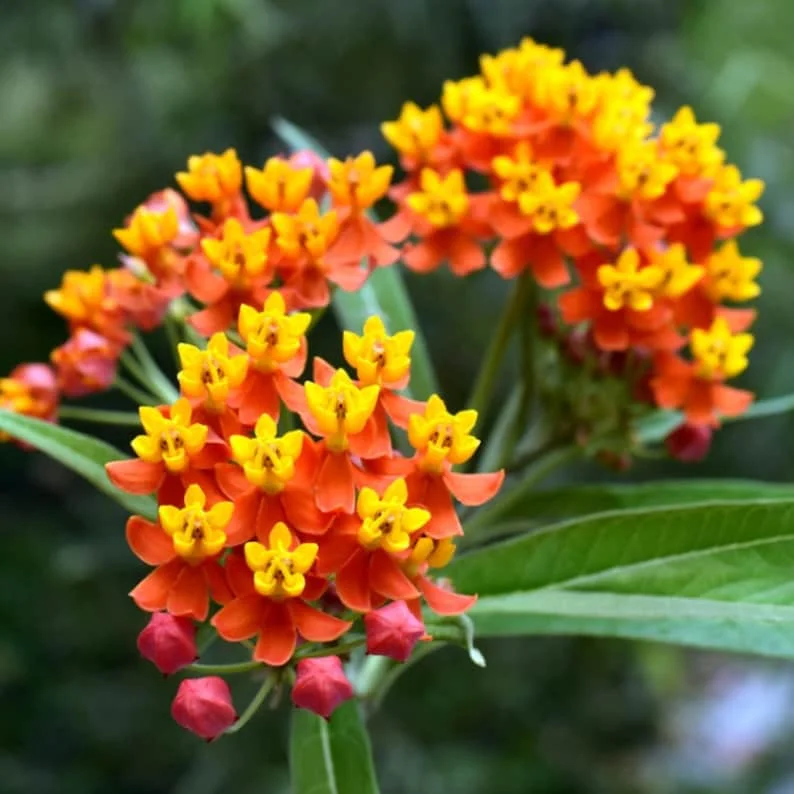
The tropical milkweed live plant, also known as Asclepias curassavica, is a vibrant and essential addition to any garden, especially for those looking to support local wildlife. This particular offering is a healthy, established plant in a 4-inch nursery pot, ready for transplanting into your garden or a larger container. Tropical milkweed care is relatively straightforward, making it an excellent choice for both novice and experienced gardeners. Its bright red and yellow flowers provide a stunning visual display throughout the growing season, but its most important role is as a critical butterfly host plant for monarch caterpillars. Without milkweed, monarch butterflies cannot complete their life cycle, making this plant an invaluable resource for conservation efforts. Beyond its ecological importance, the tropical milkweed adds a touch of exotic beauty to patios, borders, and pollinator gardens, thriving in warm climates and bringing a dynamic element to your outdoor space.
Originating from Central and South America, Asclepias curassavica has become a favorite in North American gardens due to its vigorous growth and continuous blooming. It’s often referred to as Bloodflower, Scarlet Milkweed, or Mexican Butterfly Weed. Unlike native milkweed species that go dormant, tropical milkweed can bloom almost year-round in warmer zones, providing a consistent food source for nectar-feeding insects and laying sites for monarch butterflies. Its upright growth habit and cheerful flowers create an inviting habitat for a variety of beneficial insects, enhancing the biodiversity of your garden.
Key Benefits
Adding a tropical milkweed live plant to your garden offers a multitude of benefits, from ecological support to aesthetic appeal. Here are some of the key advantages:
- Monarch Butterfly Magnet: This plant is the primary food source for monarch caterpillars, making it indispensable for supporting the monarch butterfly population. By planting asclepias curassavica, you are directly contributing to the survival of this iconic species.
- Vibrant Blooms: Enjoy a continuous display of bright red and yellow flowers that add a splash of tropical color to your landscape, attracting not only monarchs but also other pollinators like bees and hummingbirds.
- Easy to Grow: Tropical milkweed is known for its resilience and adaptability. It thrives in various conditions and requires minimal maintenance once established, perfect for busy gardeners.
- Extended Bloom Season: In warmer climates, it can bloom almost continuously, providing nectar for pollinators and host leaves for caterpillars over an extended period compared to native milkweeds.
- Educational Opportunity: Observe the fascinating life cycle of the monarch butterfly firsthand, from egg to caterpillar to chrysalis to butterfly, right in your own garden. This makes it a wonderful plant for families and educational settings.
- Drought Tolerant: Once established, tropical milkweed has good drought resistance, requiring less frequent watering than many other flowering plants.
- Versatile Landscaping: Ideal for garden beds, borders, containers, or even as a standalone specimen, its upright form and colorful flowers fit beautifully into many garden designs.
Plant Care & Growing Tips
Caring for your tropical milkweed live plant is generally straightforward, ensuring a thriving habitat for monarch butterflies and a beautiful display in your garden. This plant prefers full sun, meaning at least 6-8 hours of direct sunlight per day. In very hot climates, some afternoon shade can be beneficial, but too much shade will result in fewer flowers and leggy growth. Ensure your chosen location receives ample light for optimal health and blooming. When it comes to soil, tropical milkweed is not overly particular but thrives in well-draining soil. A standard garden soil amended with some compost for fertility is usually sufficient. Avoid heavy, waterlogged soils, as this can lead to root rot.
Watering should be consistent, especially during dry spells and when the plant is young. Water deeply when the top inch of soil feels dry to the touch, but allow the soil to dry out slightly between waterings. Established plants are more drought-tolerant. In terms of temperature, asclepias curassavica is typically grown as an annual in cooler climates (USDA Zones 8 and below) because it is not frost-hardy. In warmer regions (USDA Zones 9-11), it can be a perennial. Fertilize sparingly; too much nitrogen can promote foliage growth at the expense of flowers. A balanced, slow-release fertilizer applied in spring or a liquid feed every few weeks during the growing season is usually sufficient. Watch out for aphids, a common pest on milkweed; a strong spray of water or insecticidal soap can help manage them. Pruning can encourage bushier growth and more blooms, especially after a flush of flowering or if the plant starts to look leggy. Regularly checking for caterpillars will also help you understand the health of your monarch butterfly plant population.
Size & Details
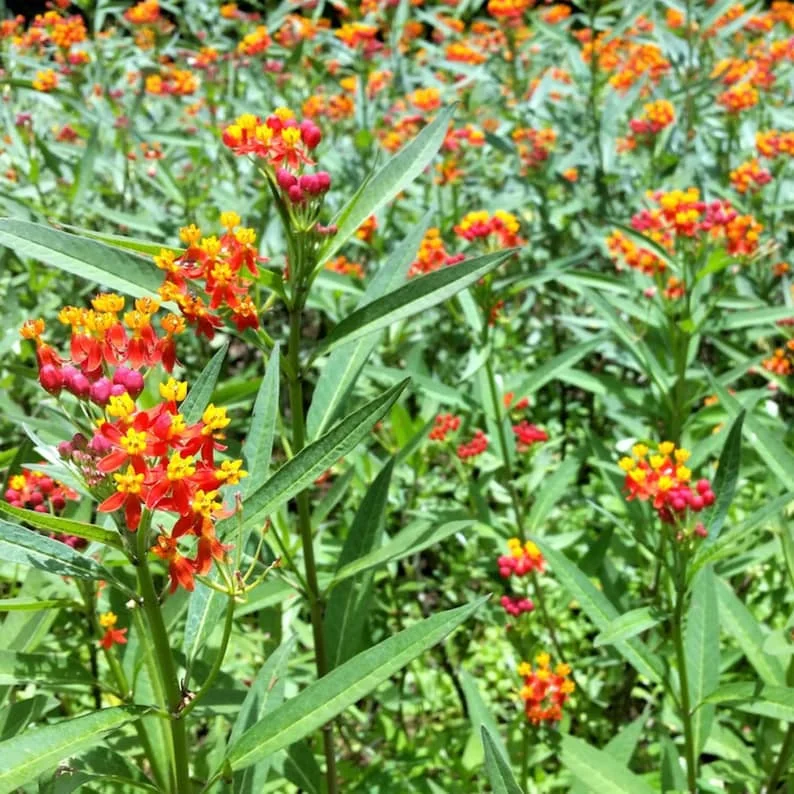
This offering is for a single tropical milkweed live plant, delivered in a 4-inch nursery pot. At the time of shipment, the plant will typically stand between 6 to 10 inches tall, depending on growth stage and seasonal timing, ensuring it is well-rooted and ready for transplanting. Tropical milkweed is a fast-growing perennial in warm climates, often reaching heights of 2 to 4 feet (60-120 cm) with a spread of 1 to 2 feet (30-60 cm) in a single growing season. It produces clusters of vibrant red and yellow flowers that emerge throughout the warmer months, providing continuous nectar and host material. The plant will arrive carefully packaged, with its root ball intact and some soil, ready to be planted in your garden or a larger container upon arrival. Expect the first blooms within a few weeks to a couple of months of planting, depending on growing conditions. With proper care, this plant will establish quickly and become a focal point for pollinators in your garden.
Frequently Asked Questions
- Q: How big does this tropical milkweed plant get? A: This tropical milkweed live plant typically grows 2 to 4 feet tall and 1 to 2 feet wide in a single growing season. Its size can vary depending on climate and growing conditions, with larger sizes possible in ideal environments.
- Q: What size pot does it come in? A: The plant is shipped in a standard 4-inch nursery pot, perfectly sized for safe transport and immediate transplanting into your garden or a larger container.
- Q: Is this an indoor or outdoor plant? A: While it can be started indoors, tropical milkweed is primarily an outdoor plant that thrives in full sun. It is an excellent choice for garden beds, patios, or large outdoor containers where it can attract butterflies.
- Q: How much sunlight does it need? A: For optimal growth and flowering, tropical milkweed requires at least 6-8 hours of direct sunlight per day. More sun generally leads to more abundant blooms and a healthier plant.
- Q: Is this plant easy to care for? A: Yes, tropical milkweed care is considered relatively easy. It is drought-tolerant once established and doesn’t require extensive fertilization, making it suitable for gardeners of all experience levels.
- Q: What condition will it arrive in? A: Your monarch butterfly plant will arrive carefully packaged, well-rooted in its 4-inch pot with some soil, and ready for planting. We take great care to ensure plants arrive healthy and vibrant.
- Q: Is it shipped in soil? A: Yes, the plant is shipped in its original nursery soil within the 4-inch pot, which helps protect the roots during transit and reduces transplant shock.
- Q: Can I use asclepias curassavica to attract monarch butterflies? A: Absolutely! This is the primary reason many gardeners plant asclepias curassavica. It is a vital host plant for monarch caterpillars and a significant nectar source for adult butterflies.
- Q: How long until it blooms? A: Depending on the season and care, your tropical milkweed should start producing its characteristic red and yellow flowers within a few weeks to a couple of months after planting. It blooms continuously through warm periods.
- Q: Will it survive winter in my zone? A: Tropical milkweed is perennial in USDA Zones 9-11, meaning it can survive winter outdoors in those regions. In cooler zones (8 and below), it is typically grown as an annual or can be overwintered indoors.
Be the first to review “Tropical Milkweed Live Plant – 4 inch Pot – Outdoor Butterfly Host”
People Also Viewed
Vegetable Seeds
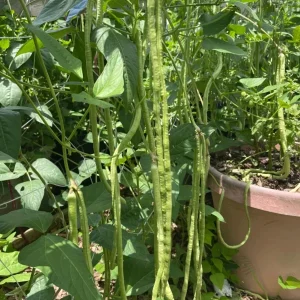
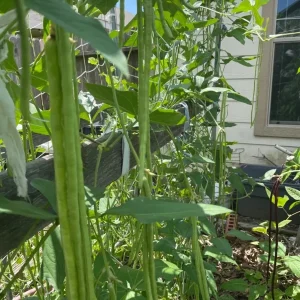
50 Dark Green Yard Long Bean Seeds – Heirloom Chinese Asparagus Vegetable Seeds Outdoor
Sold 64 products
Original price was: $15.92.$7.96Current price is: $7.96.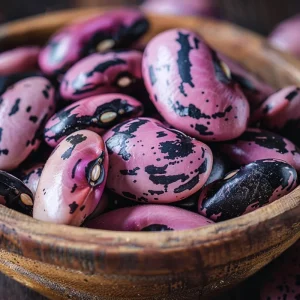

Vegetable Seeds
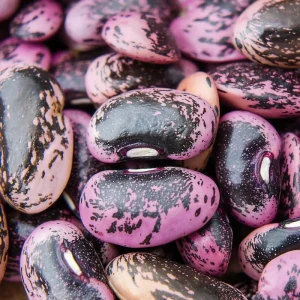
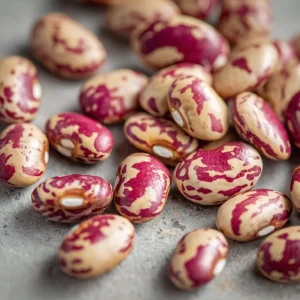
Cranberry Bean Seeds – 20 Count Heirloom Bush Beans for Garden
Sold 64 products
Original price was: $31.99.$11.99Current price is: $11.99.

















%20–%20Heirloom%20Green%20Beans%20for%20Garden&url=https://gardennursery.net/product/contender-bush-bean-seeds-30-ct-heirloom-green-beans-for-garden/&media=https://img.gardennursery.net/2026/04/contender-bush-bean-seeds-30-ct-heirloom-green-bea-c2fcaa65.webp)


Reviews
There are no reviews yet.