
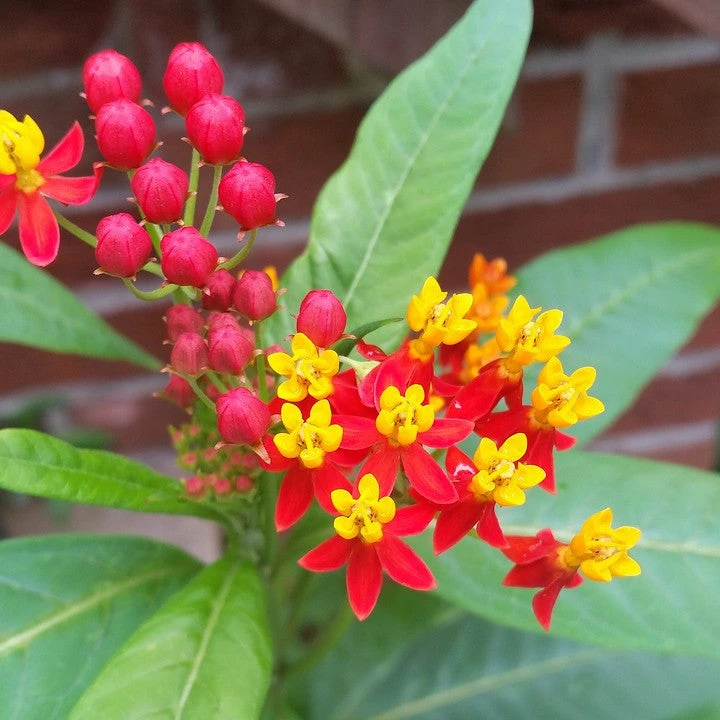
Deep Red Milkweed Live Plant – Asclepias curassavica – Monarch Host
Original price was: $24.98.$11.99Current price is: $11.99.
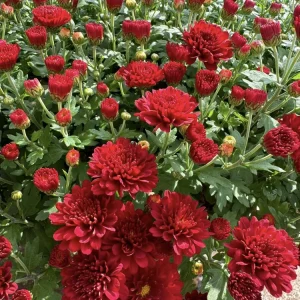
Attract and support monarch butterflies with this stunning deep red milkweed plant, also known as Asclepias curassavica. Its vibrant blooms provide essential food for caterpillars and nectar for adult pollinators, making it a crucial butterfly host plant for any garden.
-
USDA Hardiness Zone
USDA zones 9–11 (perennial), annual elsewhere -
Soil Type
Well-draining, moderately fertile soil -
Sunlight Exposure
Full sun (6-8+ hours daily) -
Expected Planting Period
Spring to early summer

You can track your order HERE
Oct 09
Oct 14 - Oct 16
Oct 19 - Oct 23
Shipping and return policies: Our Alive & Thrive Guarantee covers issues with your plants within the first 30 days. Reach out to us. Our team will answer your questions and help you find the plants that are truly suitable for your environment, climate, and personal preferences.

Overview
Attract a kaleidoscope of butterflies to your garden with the breathtaking deep red milkweed plant. This vibrant perennial, scientifically known as Asclepias curassavica, is a crucial addition to any pollinator garden, especially for those looking to support the monarch butterfly population. Its striking deep red and orange flowers provide a continuous display of color from summer through fall, making it a garden favorite. More than just beautiful, this milkweed variety serves as an essential butterfly host plant, providing food and habitat for monarch caterpillars and nectar for adult butterflies, bees, and other beneficial insects. Easy to grow and low-maintenance, the deep red milkweed plant is perfect for gardeners of all experience levels who want to make a positive impact on their local environment while enjoying stunning blooms.
Known by various common names such as Tropical Milkweed or Bloodflower, Asclepias curassavica is celebrated for its vigorous growth and prolific flowering. Unlike some native milkweed species, this variety offers a prolonged blooming period, ensuring a steady food source for pollinators throughout the warmer months. Its vivid hues are a magnet for the eye, creating a focal point in flower beds, borders, and containers. Embrace sustainable gardening practices and watch your garden come alive with the beauty and activity that this remarkable plant brings.
Key Benefits
The deep red milkweed plant offers a multitude of benefits, transforming your garden into a lively sanctuary while providing essential ecological support. Its stunning appearance and vital role in nature make it an invaluable addition to any outdoor space. This indispensable milkweed for monarchs also supports a wide range of other pollinators.
- Monarch Butterfly Support: This is an indispensable milkweed for monarchs, providing the only food source for their caterpillars. By planting it, you directly contribute to the survival and migration of these iconic butterflies.
- Pollinator Magnet: Beyond monarchs, its nectar-rich flowers attract a wide array of other pollinators including bees, hummingbirds, and various butterfly species, boosting biodiversity in your garden.
- Vibrant Garden Color: The intense deep red and orange blossoms create a dazzling display, adding a tropical flair and continuous color from late spring until the first frost.
- Low Maintenance: Once established, the deep red milkweed plant is remarkably drought-tolerant and requires minimal care, making it an excellent choice for busy gardeners.
- Deer Resistant: Its natural compounds make it unappealing to deer, helping to protect your garden from unwanted browsing.
- Versatile Use: Ideal for perennial borders, cottage gardens, pollinator gardens, and even containers, allowing you to enjoy its beauty and benefits in various settings.
- Educational Value: Provides a fantastic opportunity to observe the life cycle of monarch butterflies firsthand, making it a great learning tool for families and schools.
Plant Care & Growing Tips
Caring for your deep red milkweed plant is straightforward, ensuring a thriving display that benefits local wildlife. This robust plant prefers conditions similar to its tropical origins, making it relatively easy to establish and maintain in suitable climates. To ensure optimal growth and abundant blooms, choose a location that receives full sun, meaning at least 6-8 hours of direct sunlight per day. While it can tolerate some partial shade, too little sun will result in fewer flowers and leggy growth. The ideal soil for Asclepias curassavica is well-draining and moderately fertile. It can adapt to a range of soil types, but heavy, waterlogged soils should be avoided to prevent root rot. Consistency in watering is key, especially during dry spells; however, once established, this plant is quite drought-tolerant. Fertilize sparingly with a balanced liquid fertilizer during the growing season to encourage robust flowering. In colder climates, treat it as an annual or bring it indoors before the first frost. Understanding tropical milkweed care ensures a healthy, thriving plant.
Pruning can encourage bushier growth and more blooms. Deadhead spent flowers regularly to promote continuous flowering and prevent excessive self-seeding. While generally pest-resistant, keep an eye out for aphids, which can be easily managed with a strong spray of water. This butterfly host plant is a resilient choice for gardeners seeking both beauty and ecological impact.
Size & Details
The deep red milkweed plant typically grows to a height of 2-4 feet with a similar spread, forming a bushy, upright perennial. It is usually shipped as a live plant in a nursery pot, ready for transplanting into your garden or a larger container. Its vigorous growth habit means it will quickly establish itself and begin producing its striking deep red and orange flowers from late spring through fall, often until the first frost. This prolonged blooming period is crucial for supporting monarch migration. The plant’s growth rate is considered medium to fast, allowing you to enjoy its full beauty and benefits within its first growing season. Expect a continuous show of color and butterfly activity with this rewarding plant.
Frequently Asked Questions
- Q: How big does this deep red milkweed plant get? A: This plant typically grows to a height of 2-4 feet with a similar spread, forming a bushy perennial that provides ample space for monarch caterpillars and adult butterflies.
- Q: Is this an indoor or outdoor plant? A: Asclepias curassavica is primarily grown as an outdoor plant in USDA zones 9-11 as a perennial, and as an annual in colder climates. It can be overwintered indoors in pots in colder regions.
- Q: How much sunlight does Asclepias curassavica need? A: This milkweed thrives in full sun, requiring at least 6-8 hours of direct sunlight per day for optimal growth and abundant flowering.
- Q: Is this plant easy to care for? A: Yes, the deep red milkweed plant is considered low-maintenance once established. It’s relatively drought-tolerant and requires minimal attention, making it suitable for gardeners of all experience levels.
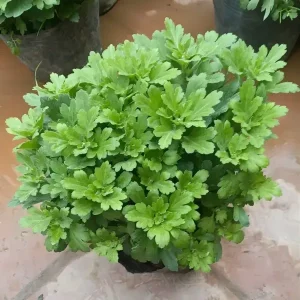
- Q: What condition will the butterfly host plant arrive in? A: Your milkweed plant will arrive as a healthy, live plant in a nursery pot, carefully packaged to ensure its safe journey and ready for planting.
- Q: How long until it blooms? A: Depending on the planting time and climate, your milkweed plant should begin flowering from late spring through fall in its first growing season, providing a continuous food source for pollinators.
- Q: Will this milkweed for monarchs survive winter in my zone? A: It is perennial in USDA Zones 9-11. In colder zones, it is typically grown as an annual or can be brought indoors during winter.
- Q: What type of soil is best for tropical milkweed care? A: This plant prefers well-draining, moderately fertile soil. Avoid heavy, waterlogged soils to ensure healthy root development.
- Q: Does this plant attract other pollinators? A: Yes, in addition to monarchs, its nectar-rich flowers attract a wide variety of other pollinators including bees, hummingbirds, and various butterfly species.
- Q: Is this milkweed deer resistant? A: Yes, due to its natural compounds, this milkweed variety is known to be deer resistant, helping to protect your garden from browsing.
Be the first to review “Deep Red Milkweed Live Plant – Asclepias curassavica – Monarch Host”
People Also Viewed

Sold 55 products
Original price was: $91.98.$45.99Current price is: $45.99.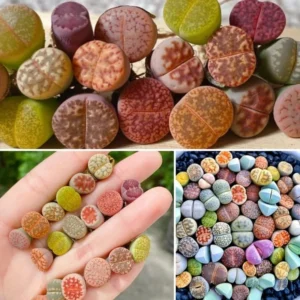
HousePlants
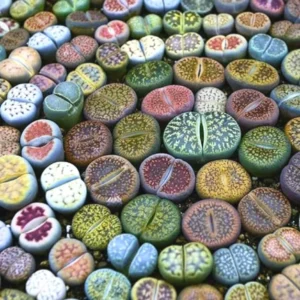
Lithops Live Plants Mix – 10 Large Colorful Living Stones Succulents for Indoor/Outdoor Growing
Sold 58 products
Original price was: $27.98.$13.99Current price is: $13.99.











Reviews
There are no reviews yet.