
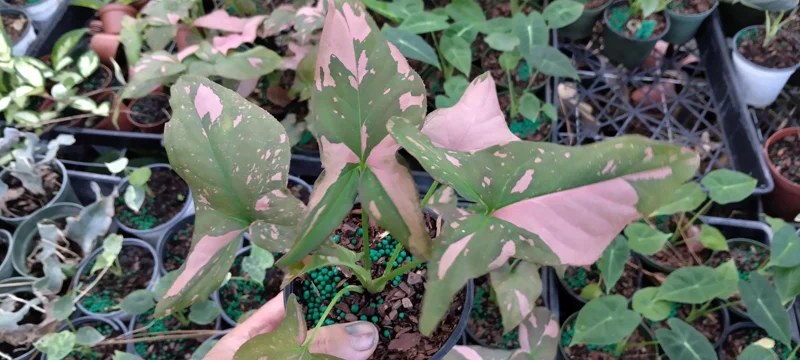
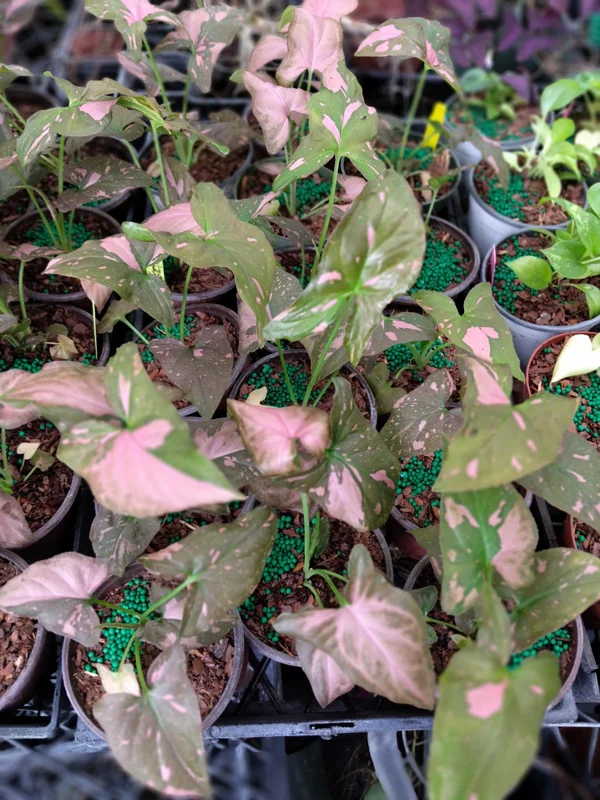
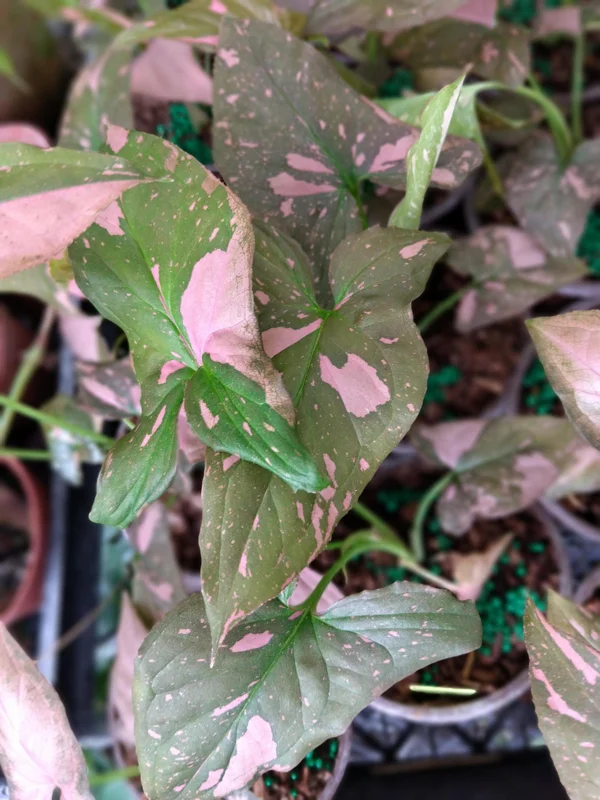
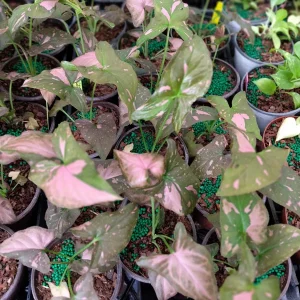
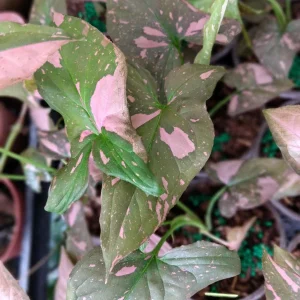
Syngonium Pink Splash Live Plant – 4in Pot, Starter, Indoor SHIP NO POT
Original price was: $37.38.$24.92Current price is: $24.92.
Introduce a splash of vibrant color to your indoor space with the exquisite Syngonium Pink Splash live plant. This beautiful 4in potted starter plant features striking pink and green variegated foliage, making it a captivating addition to any home or office decor. Easy to care for and visually stunning.
-
USDA Hardiness Zone
unknown (best as indoor plant) -
Soil Type
well-draining potting mix -
Sunlight Exposure
bright indirect light -
Expected Planting Period
year-round indoors

You can track your order HERE
Oct 20
Oct 25 - Oct 27
Oct 30 - Nov 03
Shipping and return policies: Our Alive & Thrive Guarantee covers issues with your plants within the first 30 days. Reach out to us. Our team will answer your questions and help you find the plants that are truly suitable for your environment, climate, and personal preferences.

Overview
The Syngonium Pink Splash live plant is a highly sought-after aroid known for its stunning and unique foliage. Also commonly referred to as the Arrowhead Plant or Nephthytis, this particular cultivar, ‘Pink Splash’, boasts an eye-catching display of green leaves heavily variegated with various shades of pink. Each leaf is a miniature work of art, with splashes, speckles, and patches of vibrant pink against a deep green backdrop. This makes the Syngonium Pink Splash live plant a focal point in any plant collection, bringing a cheerful and exotic touch to your indoor environment. As a young starter plant in a 4-inch pot, it’s perfectly sized for windowsills, desks, or as a charming addition to a plant shelf. Its relatively compact growth habit and ease of care make it suitable for both novice and experienced plant enthusiasts looking to add a truly special plant to their home.
Key Benefits
Adding a Syngonium Pink Splash live plant to your home offers numerous advantages beyond its undeniable beauty. This plant is not just a decorative item; it’s a living, breathing accent that contributes positively to your living space.
- Stunning Aesthetic Appeal: The primary benefit is its breathtaking coloration. The unique pink and green variegation on each leaf ensures that no two leaves are exactly alike, providing endless visual interest and a vibrant pop of color that can brighten any room.
- Air Purification Qualities: Like many houseplants, the Syngonium Pink Splash live plant contributes to improved indoor air quality by filtering out common toxins. This makes your home environment not only more beautiful but also healthier.
- Relatively Low Maintenance: Despite its exotic appearance, this plant is surprisingly easy to care for. It tolerates a range of indoor conditions and doesn’t demand constant attention, making it an ideal choice for busy individuals.
- Versatile Decor Element: Its compact size, especially as a 4-inch starter, allows it to fit into various settings. It can be a charming desk plant, a vibrant accent on a bookshelf, or part of a larger indoor jungle display.
- Encourages Plant Parenthood: Caring for a beautiful plant like the pink syngonium care cultivar can be a rewarding experience, fostering a sense of accomplishment and connection with nature, even in urban environments.
- Growth & Transformation: Observing the new leaves unfurl and develop their unique patterns is a constant source of delight, offering a dynamic and evolving piece of living art in your home.
Plant Care & Growing Tips
Proper pink syngonium care is crucial for ensuring your plant thrives and maintains its vibrant coloring. This section provides detailed guidance to help you keep your Syngonium Pink Splash live plant healthy and happy. Understanding its specific needs will ensure it continues to be a stunning feature in your home.
Sunlight Requirements: The Syngonium Pink Splash live plant prefers bright, indirect light. Too much direct sun can scorch its delicate leaves and fade the pink variegation, while too little light can reduce the intensity of the pink and lead to leggy growth. An east-facing window is ideal, or a few feet away from a south or west-facing window. If natural light is insufficient, a grow light can provide the necessary illumination to maintain its vibrant hues.
Watering Schedule and Soil Moisture: Water thoroughly when the top 1-2 inches of soil feel dry to the touch. It’s better to slightly underwater than to overwater, as syngoniums are susceptible to root rot. Ensure the pot has drainage holes to prevent waterlogging. During winter, reduce watering frequency as the plant’s growth slows. The soil should be consistently moist but never soggy. You can assess soil moisture by lifting the pot; if it feels light, it’s likely time to water.
Soil Type and Drainage Requirements: A well-draining potting mix is essential for the health of your Syngonium podophyllum. A good blend would consist of equal parts potting soil, perlite, and orchid bark or coco coir. This combination provides excellent aeration and drainage while retaining enough moisture for the plant’s roots. Avoid heavy, compact soils that can suffocate the roots and lead to issues.
Temperature Range and USDA Hardiness Zone: Being a tropical plant, the Syngonium Pink Splash live plant thrives in warm temperatures between 60-85°F (15-29°C). Protect it from cold drafts and sudden temperature fluctuations, which can cause stress and leaf damage. It is an arrowhead plant indoor variety and not suitable for outdoor planting in most climates, though it can be placed outdoors in shaded areas during warm summer months in USDA zones 10-11. Humidity is also appreciated; consider misting regularly or placing it near a humidifier.
Fertilization Schedule and Type: Feed your Syngonium every 2-4 weeks during the growing season (spring and summer) with a balanced liquid fertilizer diluted to half strength. Reduce or stop fertilization during fall and winter when the plant is dormant. Over-fertilizing can lead to nutrient burn, so always follow the product instructions carefully.
Common Problems and Solutions: Yellowing leaves can indicate overwatering or nutrient deficiency. Brown, crispy edges often point to low humidity or underwatering. Pests like spider mites or mealybugs can occur; inspect your plant regularly and treat with neem oil or insecticidal soap if necessary. Leggy growth suggests insufficient light, prompting you to move it to a brighter spot or provide supplemental lighting.
Size & Details
This offering is for a vibrant Syngonium Pink Splash live plant, presented as a starter plant in a 4-inch nursery pot. At this stage, the plant typically stands about 4-6 inches tall from the soil line, with a spread of 4-5 inches, making it a perfect compact size for immediate display. The growth rate of this colorful houseplant is moderate, and with optimal care, it can grow to have trailing or climbing vines of several feet long over time. However, it can also be pruned to maintain a bushier, more compact form. It ships as a healthy, established plant, ready to acclimate to its new home. Expect to see new growth and further development of its characteristic pink variegation as it settles in and matures.
Frequently Asked Questions
- Q: How big does this plant get? A: As a starter plant, it’s about 4-6 inches tall. With proper care, the Syngonium Pink Splash live plant can grow long, trailing vines of several feet, or it can be pruned to maintain a bushy, compact size according to your preference.
- Q: What size pot does it come in? A: This Syngonium Pink Splash live plant is supplied in a 4-inch diameter nursery pot, which is an ideal size for a starter plant to establish itself.
- Q: Is this an indoor or outdoor plant? A: It is primarily an indoor plant, thriving in typical household conditions. It can be placed outdoors in shaded areas during warm summer months if temperatures consistently stay above 60°F.
- Q: How much sunlight does it need? A: The pink syngonium care requires bright, indirect light. Avoid direct sunlight which can scorch its leaves, and too little light which can diminish its vibrant pink coloring.
- Q: Is this plant easy to care for? A: Yes, the Syngonium Pink Splash is considered a relatively easy-care houseplant, making it suitable for beginners and experienced plant enthusiasts alike.
- Q: What condition will it arrive in? A: Your Syngonium podophyllum will arrive as a healthy, well-rooted starter plant, carefully packaged to ensure its safe journey to your home.
- Q: Is it shipped in soil? A: Yes, it is shipped rooted in its 4-inch nursery pot with appropriate potting mix, ready to be placed in your home.
- Q: Is this arrowhead plant indoor pet-safe? A: No, like many Araceae family members, Syngoniums contain calcium oxalate crystals which can be irritating if ingested. Keep away from pets and small children.
- Q: What’s the best way to maintain the pink color? A: Providing ample bright, indirect light is key to maintaining the vivid pink variegation. Good humidity and consistent care also contribute to its health and coloration.
- Q: When is the best time to repot this plant? A: Repotting is best done in spring or early summer when the plant is actively growing, usually when it becomes root-bound in its current pot.
Be the first to review “Syngonium Pink Splash Live Plant – 4in Pot, Starter, Indoor SHIP NO POT”
People Also Viewed





Vines
Grape Vine Collection – Concord, Catawba, Niagara – 3 Bare Root Live Plants – Outdoor Fruit Vines
Sold 98 products
Original price was: $179.80.$89.90Current price is: $89.90.
Flower Plants
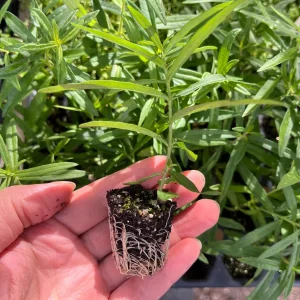
Butterflyweed Live Plant (Asclepias tuberosa) Orange Starter for Pollinator Gardens, 1.15-inch Pot
Sold 66 products
From $13.98

Flower Bulbs
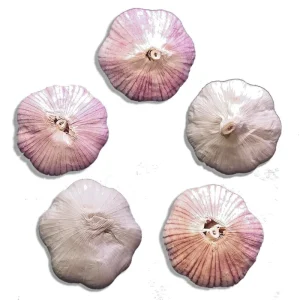
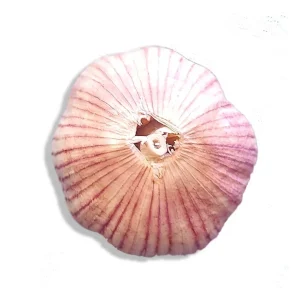
Organic Garlic Bulbs – 5 Varieties: Chesnok, Music, Italian, German, Russian – 1-40 lbs
Sold 85 products
From $42.04







Sold 77 products
Original price was: $36.00.$28.80Current price is: $28.80.

Flower Plants
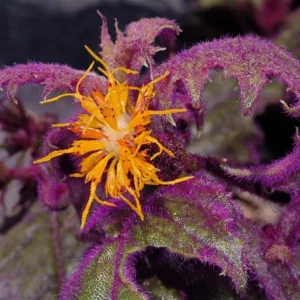
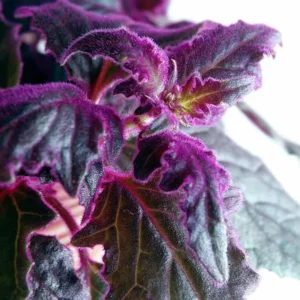
Purple Passion Plant Live – 2 Gynura Aurantiaca Plants, 4-9 Inch, Purple Velvet Royal Plant Indoor
Sold 73 products
Original price was: $49.98.$24.99Current price is: $24.99.
Vegetable Seeds
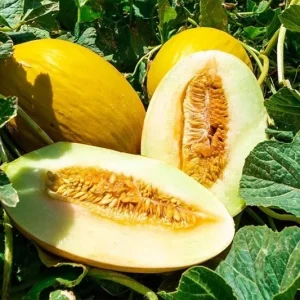
Amarillo Oro Melon Seeds – Winter Canary Yellow Gold Melon Seeds
Sold 74 products
From $4.82







%20Orange%20Starter%20for%20Pollinator%20Gardens,%201.15-inch%20Pot&url=https://gardennursery.net/product/butterflyweed-live-plant-asclepias-tuberosa-orange-starter-for-pollinator-gardens-1-15-inch-pot/&media=https://img.gardennursery.net/2026/01/butterflyweed-live-plant-asclepias-tuberosa-orange.webp)


%20Live%20Houseplant%20–%20Easy%20Care%20Indoor&url=https://gardennursery.net/product/variegated-spider-plant-chlorophytum-live-houseplant-easy-care-indoor/&media=https://img.gardennursery.net/2026/01/variegated-spider-plant-chlorophytum-live-housepla.webp)


Reviews
There are no reviews yet.