
Sugar Apple Live Plant – Annona squamosa – 1 Gallon Pot – 16-20in Tall
Original price was: $75.85.$65.96Current price is: $65.96.
Bring the tropics to your home with a sugar apple live plant. This 16-20 inch tall plant, provided in a 1 gallon pot, is ready to grow and produce delicious, sweet fruit. Perfect for containers or warmer climates.
-
USDA Hardiness Zone
USDA zones 9-11 (or indoors) -
Soil Type
Well-draining, rich in organic matter, slightly acidic to neutral -
Sunlight Exposure
Full sun (6-8+ hours direct sunlight) -
Expected Planting Period
Spring to early summer (or year-round indoors)

You can track your order HERE
Sep 20
Sep 25 - Sep 27
Sep 30 - Oct 04
Shipping and return policies: Our Alive & Thrive Guarantee covers issues with your plants within the first 30 days. Reach out to us. Our team will answer your questions and help you find the plants that are truly suitable for your environment, climate, and personal preferences.

Overview
Cultivate your own exotic fruit with this vibrant sugar apple live plant. Also known as Annona squamosa or Custard Apple, this tropical delight is celebrated for its uniquely sweet, creamy, and aromatic fruit, often described as a blend of pineapple, mango, and strawberry. Originating from the West Indies and tropical Americas, the sugar apple is a small, deciduous tree that thrives in warm climates, but can also be successfully grown in containers in cooler regions. This particular specimen arrives as a healthy, robust plant, typically 16-20 inches tall, rooted in a 1 gallon nursery pot, ready to establish itself in your garden or a larger container. Growing your own sugar apple allows you to enjoy fresh, organic fruit with unparalleled flavor and texture, a true taste of paradise right from your backyard or patio.
The sugar apple is not only prized for its delicious fruit but also for its ornamental value. Its attractive foliage and unique flowers add a tropical touch to any setting. Whether you’re an experienced gardener looking to expand your edible landscape or a beginner eager to try growing something new and exciting, this annona squamosa plant offers a rewarding experience. With proper care, you can look forward to harvesting your own sweet, custardy sugar apples.
Key Benefits
Bringing a sugar apple live plant into your home or garden offers numerous advantages beyond just its delicious fruit:
- Exotic Fruit Production: Enjoy the unique, sweet, and creamy flavor of fresh sugar apples, a tropical delicacy not commonly found in local grocery stores. Harvesting fruit directly from your own plant ensures peak freshness and taste.
- Ornamental Appeal: The attractive foliage and distinctive flowers of the annona squamosa plant add a beautiful, tropical aesthetic to any garden, patio, or indoor space, making it a focal point.
- Container Growing Potential: This plant adapts well to container life, making it suitable for growing on patios, balconies, or indoors in regions with colder winters. This flexibility allows more gardeners to experience growing sugar apple.
- Nutrient-Rich Fruit: Sugar apples are a good source of vitamins C and B, as well as minerals like potassium and magnesium, contributing to a healthy diet.
- Relatively Low Maintenance: Once established, the sugar apple is a resilient plant that requires moderate care, making it accessible for gardeners of various skill levels.
- Unique Culinary Ingredient: Beyond eating fresh, the fruit can be used in smoothies, desserts, ice creams, and other culinary creations, offering versatility in the kitchen.
- Educational Experience: Provides a fantastic opportunity to learn about tropical fruit cultivation and witness the fascinating life cycle of a fruit-bearing tree firsthand.
Plant Care & Growing Tips
Caring for your sugar apple live plant requires attention to its tropical origins. For optimal growth and fruit production, provide plenty of sunlight. It thrives in full sun, meaning at least 6-8 hours of direct sunlight per day. If growing indoors, place it near a south-facing window or use supplemental grow lights. Ensure it is protected from strong, cold winds. The plant prefers consistently moist soil but dislikes being waterlogged. Water thoroughly when the top inch or two of soil feels dry to the touch, and reduce watering slightly during its dormant period.
The ideal soil for growing sugar apple should be well-draining, slightly acidic to neutral (pH 6.0-7.0), and rich in organic matter. A good quality potting mix amended with compost and perlite works well for container-grown plants. For outdoor planting, ensure your garden soil drains well. The sugar apple is sensitive to cold and frost. It is best suited for USDA hardiness zones 9-11. In colder zones, it must be grown in a container and brought indoors before temperatures drop below 40°F (4°C). Protect young plants from frost with covers or by moving them to a sheltered location. Fertilize your custard apple plant every 2-3 months during the growing season (spring through summer) with a balanced, slow-release fertilizer or an organic fruit tree fertilizer. Reduce fertilization in fall and winter. Pruning can be done to maintain shape, size, and encourage branching, typically after the fruiting season. Watch out for common pests like mealybugs and scale insects; treat with horticultural oil or insecticidal soap if necessary.
Size & Details
This offering is for one healthy sugar apple live plant, which typically arrives at a height of 16-20 inches from the base of the pot to the top of the foliage. It is established in a 1-gallon nursery container, providing ample root space for initial growth and easy transplanting. The plant is well-rooted and actively growing, ensuring a smooth transition to its new home. Sugar apple trees are considered small to medium-sized, typically reaching 10-20 feet tall when planted in the ground, but can be maintained at a more compact size of 6-10 feet through pruning, especially when grown in containers. They have a moderate growth rate, and with proper care, you can expect fruit production within 2-3 years.
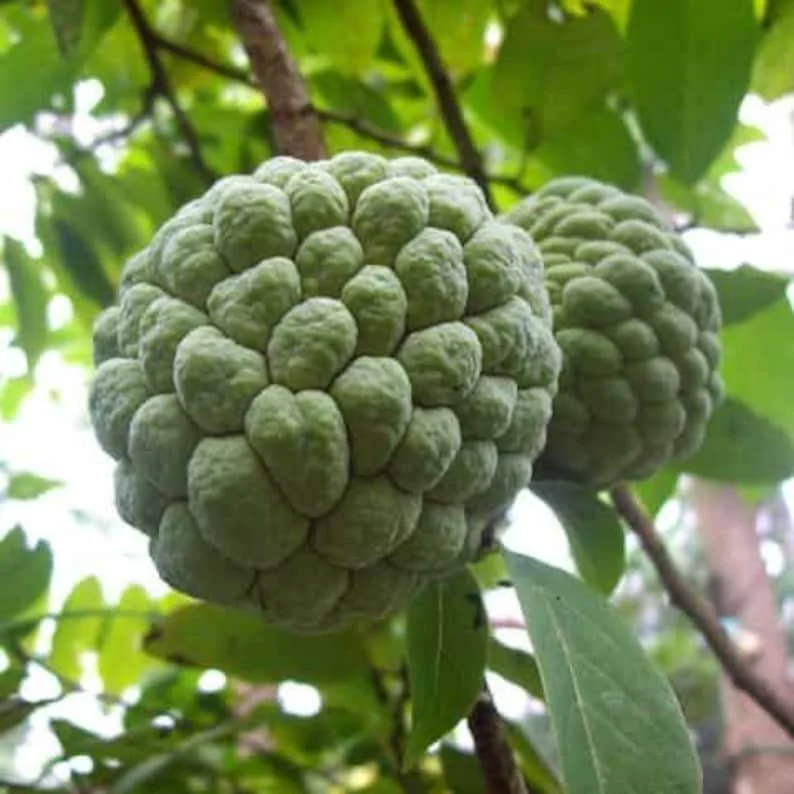
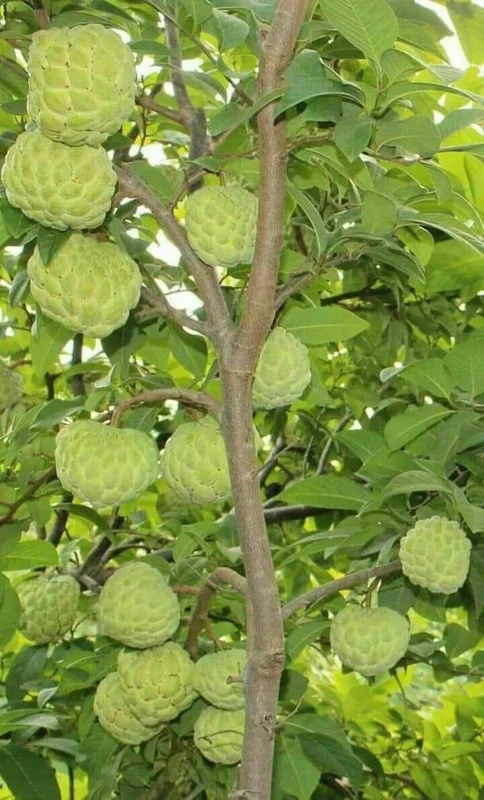
The fruit itself is round to heart-shaped, about 2-4 inches in diameter, with a knobby, segmented skin. The flesh is white, creamy, and highly aromatic, containing several large, shiny black seeds. This plant will be shipped securely to minimize stress during transit, ensuring it arrives in excellent condition, ready for you to continue the journey of growing sugar apple. The exact height may vary slightly based on natural plant growth and available stock but will always be within the specified range.
Frequently Asked Questions
- Q: How big does this plant get? A: This sugar apple live plant arrives 16-20 inches tall in a 1-gallon pot. When mature, it can reach 10-20 feet tall in the ground, or 6-10 feet if container-grown and pruned.
- Q: What size pot does it come in? A: The plant is delivered in a 1-gallon nursery pot, which is suitable for its current size and provides a good foundation for transplanting into a larger container or directly into the ground.
- Q: Is this an indoor or outdoor plant? A: The annona squamosa plant is a tropical outdoor plant for USDA zones 9-11. In colder climates, it must be grown in a container and brought indoors during winter months to protect it from frost.
- Q: How much sunlight does it need? A: Sugar apple thrives in full sun, requiring at least 6-8 hours of direct sunlight daily for optimal growth and fruit production. Indoors, place it in the brightest possible location.
- Q: Is this plant easy to care for? A: While it has specific requirements for warmth and sunlight, the custard apple plant is considered moderately easy to care for once established, especially with consistent watering and feeding.
- Q: What condition will it arrive in? A: Your sugar apple live plant will be carefully packaged and shipped to ensure it arrives healthy, well-hydrated, and ready for planting, minimizing any stress from transit.
- Q: How long until it produces fruit? A: With proper care, your sugar apple plant can begin producing fruit within 2-3 years of planting. Fruiting typically occurs in late summer to early fall.
- Q: When is the best time to plant? A: The best time to plant your sugar apple live plant is in spring or early summer, once all danger of frost has passed and temperatures are consistently warm.
- Q: Can I use sugar apple in cooking? A: Absolutely! The sweet, creamy flesh of the sugar apple is delicious eaten fresh, used in smoothies, ice creams, custards, and other desserts.
- Q: Will it survive winter in my zone? A: This plant is suitable for USDA zones 9-11 outdoors. If you live in a colder zone, you must grow it in a container and bring it indoors to a warm, bright location before temperatures drop below 40°F (4°C).
Be the first to review “Sugar Apple Live Plant – Annona squamosa – 1 Gallon Pot – 16-20in Tall”
People Also Viewed
Vines
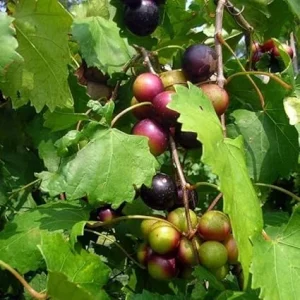
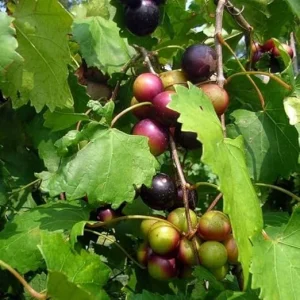
Black Muscadine Grape Vine Plant – 2 Year Old Sweet Grape Vine, Live Plant, Outdoor, USDA Zones 6-10
Sold 66 products
Original price was: $103.60.$51.80Current price is: $51.80.
Sold 52 products
Original price was: $53.98.$26.99Current price is: $26.99.
Sold 77 products
$44.00
Sold 55 products
Original price was: $34.99.$14.99Current price is: $14.99.
Sold 68 products
Original price was: $123.98.$69.99Current price is: $69.99.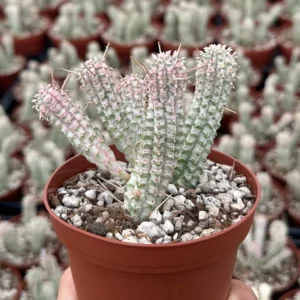
Succulents
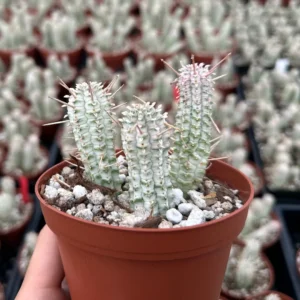
Euphorbia Mammillaris Variegated Succulent Live Plant – Rare Pink Corn Cob in 2-4 inch Pot
Sold 74 products
From $9.78
Sold 61 products
Original price was: $57.06.$28.53Current price is: $28.53.

Sold 57 products
Original price was: $19.96.$9.98Current price is: $9.98.
Sold 87 products
Original price was: $57.56.$28.78Current price is: $28.78.
Sold 57 products
Original price was: $189.98.$109.99Current price is: $109.99.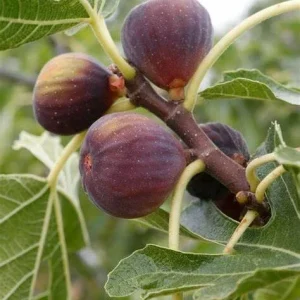

Fruits
Olympian Fig Tree Live Plant – Cold Hardy Ficus Carica – Fruiting Fig Tree – 6-12 inches Tall
Sold 55 products
Original price was: $47.96.$23.98Current price is: $23.98.
Sold 71 products
Original price was: $90.00.$72.00Current price is: $72.00.
Sold 57 products
Original price was: $72.00.$36.00Current price is: $36.00.
HousePlants
Hoya Krimson Queen Live Plant – Variegated Carnosa Wax Plant, 3 inch nursery pot, Indoor
Sold 62 products
Original price was: $64.00.$32.00Current price is: $32.00.
Sold 93 products
Original price was: $34.98.$17.49Current price is: $17.49.
Sold 94 products
Original price was: $32.00.$25.60Current price is: $25.60.
Sold 53 products
From $12.98
Sold 91 products
Original price was: $81.99.$68.98Current price is: $68.98.





%20Outdoor&url=https://gardennursery.net/product/indigo-cherry-tomato-seeds-heirloom-purple-tomatoes-20-seeds-outdoor/&media=https://img.gardennursery.net/2026/04/indigo-cherry-tomato-seeds-heirloom-purple-tomatoe-7e094466.webp)


%20Tall,%201%20Gallon%20Pot&url=https://gardennursery.net/product/curry-leaf-live-plant-22-26-inch-2-ft-tall-1-gallon-pot/&media=https://img.gardennursery.net/2026/04/curry-leaf-live-plant-22-26-inch-2-ft-tall-1-gallo-9e15f0f4.webp)
Reviews
There are no reviews yet.