
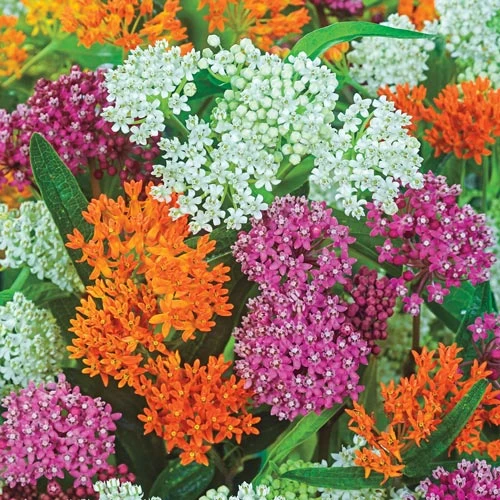
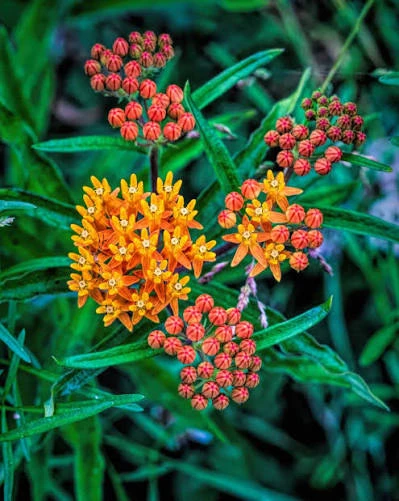
RANDOM Milkweed Live Plant – Asclepias syriaca – 4 inch Tall
Original price was: $24.98.$12.98Current price is: $12.98.
Introduce a RANDOM milkweed live plant to your garden and create a vital habitat for monarch butterflies. This monarch butterfly host plant, Asclepias syriaca, arrives in a 4-inch Tall, ready to support monarch caterpillars and attract a variety of pollinators.
-
USDA Hardiness Zone
USDA Zones 3-9 -
Soil Type
Well-draining soil -
Sunlight Exposure
Full sun -
Expected Planting Period
Spring to early fall

You can track your order HERE
Oct 09
Oct 14 - Oct 16
Oct 19 - Oct 23
Shipping and return policies: Our Alive & Thrive Guarantee covers issues with your plants within the first 30 days. Reach out to us. Our team will answer your questions and help you find the plants that are truly suitable for your environment, climate, and personal preferences.

SHIP NO POT
Overview
Introduce a vital element to your garden ecosystem with our RANDOM milkweed live plant, presented in a convenient 4-inch Tall. This isn’t just any plant; it’s a cornerstone for biodiversity, especially for the iconic monarch butterfly. Milkweed, scientifically known as Asclepias syriaca (Tropical Milkweed), is the sole host plant for monarch caterpillars, meaning monarch butterflies rely exclusively on milkweed for their survival. By planting milkweed, you directly contribute to the conservation of these magnificent pollinators, whose populations have faced significant declines. Our robust RANDOM milkweed live plant arrives ready to thrive, offering a natural and beautiful way to support local wildlife and add vibrant life to your outdoor space. It’s an excellent choice for educational gardens, wildlife habitats, or simply to enjoy the incredible life cycle of the monarch butterfly right in your backyard. This particular offering is a healthy, established specimen ready for planting, making it an ideal option for gardeners looking to make an immediate impact on their local pollinator populations. The plant will establish quickly and begin to attract butterflies and other beneficial insects. Embrace the joy of watching monarchs flutter and caterpillars munch, knowing you’ve provided a safe haven for their growth and reproduction.
Key Benefits
Cultivating a Tropical milkweed live plant in your garden offers a multitude of benefits, transforming your outdoor area into a dynamic and ecologically rich space. Beyond its aesthetic appeal, milkweed plays a critical role in supporting a healthy environment. This resilient plant is not only beautiful but also vital for ecological balance.
- Monarch Butterfly Host Plant: This is the primary and most crucial benefit. Milkweed is the only plant monarch caterpillars can eat. By providing this vital food source, you directly aid in the reproduction and survival of monarch butterflies, making your garden a haven for these beloved insects. Your garden becomes a critical part of the monarch migration pathway.
- Pollinator Magnet: Beyond monarchs, milkweed flowers are rich in nectar, attracting a wide array of other pollinators including bees, other butterfly species, and hummingbirds. This enhances the overall health and productivity of your garden, contributing to a thriving ecosystem. This makes it an excellent choice for anyone interested in supporting local wildlife.
- Low Maintenance & Drought Tolerant: Once established, milkweed plant care is remarkably easy. It’s a hardy perennial that can withstand various conditions, including periods of drought, making it suitable for busy gardeners or those in drier climates. This resilience ensures your plant will thrive with minimal effort.
- Educational Opportunity: Observing the monarch life cycle from egg to caterpillar to chrysalis and finally to butterfly is an incredible learning experience for all ages. It fosters an appreciation for nature and conservation, making your garden a living classroom.
- Natural Beauty & Fragrance: Milkweed produces attractive clusters of pinkish-purple flowers that add a touch of natural beauty to any garden. Many varieties also emit a pleasant, sweet fragrance, enhancing your outdoor enjoyment and attracting more beneficial insects.
- Erosion Control: With its deep root system, milkweed can help stabilize soil, making it a good choice for areas prone to erosion. This adds another practical benefit to its ecological contributions.
- Supports Ecosystem Health: By reintroducing native plants like this asclepias syriaca plant, you contribute to the restoration of natural habitats and support the complex web of life in your local ecosystem. This helps in building a more sustainable and vibrant environment.
Plant Care & Growing Tips
Caring for your RANDOM milkweed live plant is straightforward, as these native perennials are generally quite resilient. To ensure your milkweed thrives and effectively serves as a monarch butterfly host plant, follow these essential guidelines. Milkweed prefers full sun, meaning at least six hours of direct sunlight per day. It can tolerate partial shade, but flowering and overall vigor will be reduced. Choose a location in your garden that receives abundant sunlight for the best results. When it comes to watering, milkweed is quite drought-tolerant once established. Water regularly after planting to help it get established, but once mature, it can handle drier conditions. Avoid overwatering, as this can lead to root rot. Well-draining soil is crucial for healthy growth. Milkweed isn’t particular about soil type and can grow in various conditions, from sandy to clay, as long as drainage is adequate. This adaptability makes milkweed plant care relatively simple for most gardeners.
Asclepias syriaca plant is hardy in USDA zones 3-9, tolerating a wide range of temperatures. Fertilization is generally not necessary, especially in rich garden soil. If your soil is very poor, a light application of a balanced, slow-release fertilizer in spring can be beneficial, but avoid over-fertilizing. RANDOM milkweed spreads via rhizomes, so be aware that it can spread aggressively in ideal conditions. You can manage its spread by planting it in an area where it has room to grow or by digging up unwanted shoots. Pests are usually not a major issue, though aphids may occasionally appear; a strong spray of water can typically dislodge them. Enjoy watching your garden come alive with pollinators thanks to your new milkweed.
Size & Details
This offering is for one RANDOM milkweed live plant, scientifically known as Asclepias syriaca, provided in a 4-inch nursery pot. The plant arrives healthy and ready for immediate planting in your garden. RANDOM milkweed typically grows to a height of 3 to 5 feet (90-150 cm) with a similar spread, forming sturdy clumps. Its growth rate is moderate to fast, and it will establish quickly once planted, especially in favorable conditions. Expect to see its distinctive pinkish-purple flower clusters in mid to late summer, which are highly attractive to bees, butterflies, and other beneficial insects. This plant is a perennial, meaning it will return year after year, providing a consistent food source for monarchs and other pollinators. The plant’s robust root system will help it survive winters and periods of drought, ensuring its longevity in your landscape. You’ll soon have a thriving milkweed for pollinators, transforming your outdoor space.
Frequently Asked Questions
- Q: How big does this RANDOM milkweed plant get? A: A RANDOM milkweed live plant typically grows to a height of 3 to 5 feet (90-150 cm) and can spread similarly, forming robust clumps over time. Its size makes it a prominent feature in any pollinator garden.
- Q: Is this an indoor or outdoor plant? A: This is primarily an outdoor plant, best suited for gardens, meadows, and naturalized areas. It thrives in full sun conditions and is essential for the outdoor life cycle of monarch butterflies.
- Q: How much sunlight does this milkweed need? A: RANDOM milkweed prefers full sun, which means at least six hours of direct sunlight per day. While it can tolerate partial shade, full sun promotes the best flowering and overall plant health.
- Q: Is this plant easy to care for? A: Yes, milkweed plant care is generally considered easy. Once established, it is a hardy and low-maintenance perennial that is drought-tolerant and adaptable to various soil conditions, making it great for beginners.
- Q: What condition will the plant arrive in? A: Your asclepias syriaca plant will arrive as a healthy, live specimen in a 4-inch , ready for planting. We ensure careful packaging to protect the plant during transit.
- Q: When is the best time to plant RANDOM milkweed? A: The best time to plant your milkweed is in spring after the last frost, or in early fall. This allows the plant to establish its root system before extreme weather conditions.
- Q: Will it survive winter in my zone? A: Yes, RANDOM milkweed is a hardy perennial, typically surviving winters in USDA Zones 3-9. It will die back to the ground in colder climates and regrow from its roots in spring.
- Q: Why is this plant important for monarchs? A: This monarch butterfly host plant is crucial because it is the only plant monarch caterpillars can eat. Planting it directly supports the monarch population by providing essential food and habitat.
- Q: Does this milkweed attract other pollinators? A: Absolutely! Beyond monarchs, the flowers of this milkweed for pollinators are rich in nectar and attract a wide range of other beneficial insects, including various bees, other butterfly species, and hummingbirds.
- Q: What kind of soil does RANDOM milkweed prefer? A: RANDOM milkweed is quite adaptable and can grow in various soil types, from sandy to clay, as long as the soil is well-draining. Good drainage is key to preventing root issues.
Be the first to review “RANDOM Milkweed Live Plant – Asclepias syriaca – 4 inch Tall”
People Also Viewed



Sold 100 products
Original price was: $147.16.$73.58Current price is: $73.58.

Vegetables
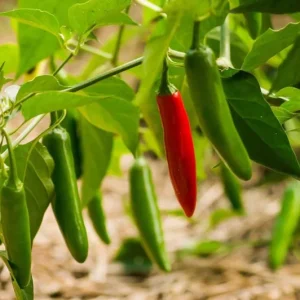
Serrano Pepper Live Plant – 2 Plants, 100 Days Old, 4-Inch Pot, Hot Peppers for Harvesting
Sold 83 products
Original price was: $35.99.$20.99Current price is: $20.99.
Sold 62 products
Original price was: $151.20.$75.60Current price is: $75.60.
Sold 57 products
From $75.80








Reviews
There are no reviews yet.