
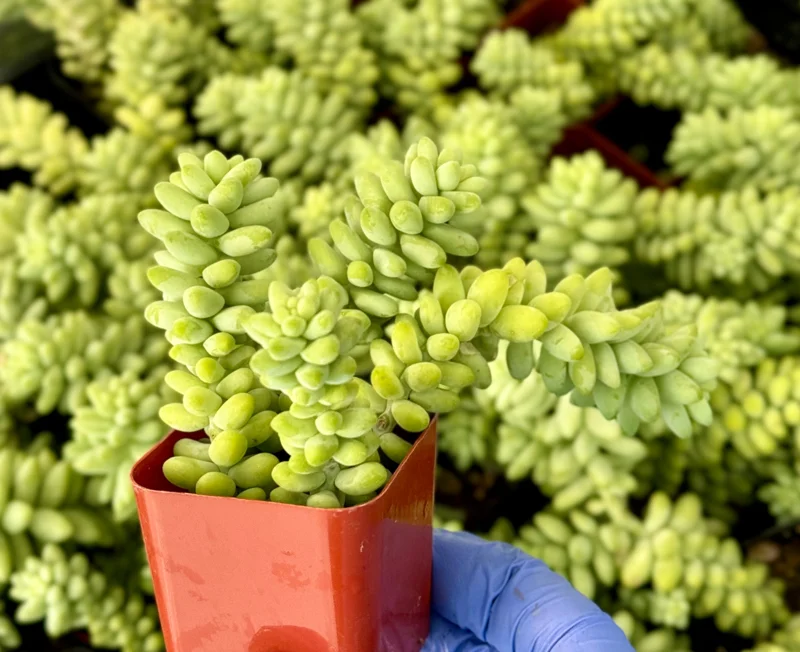
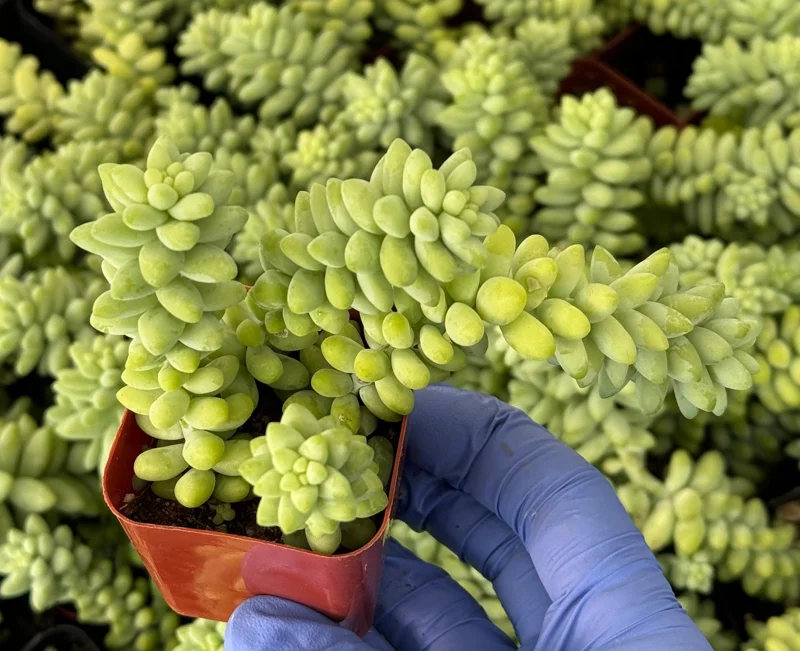
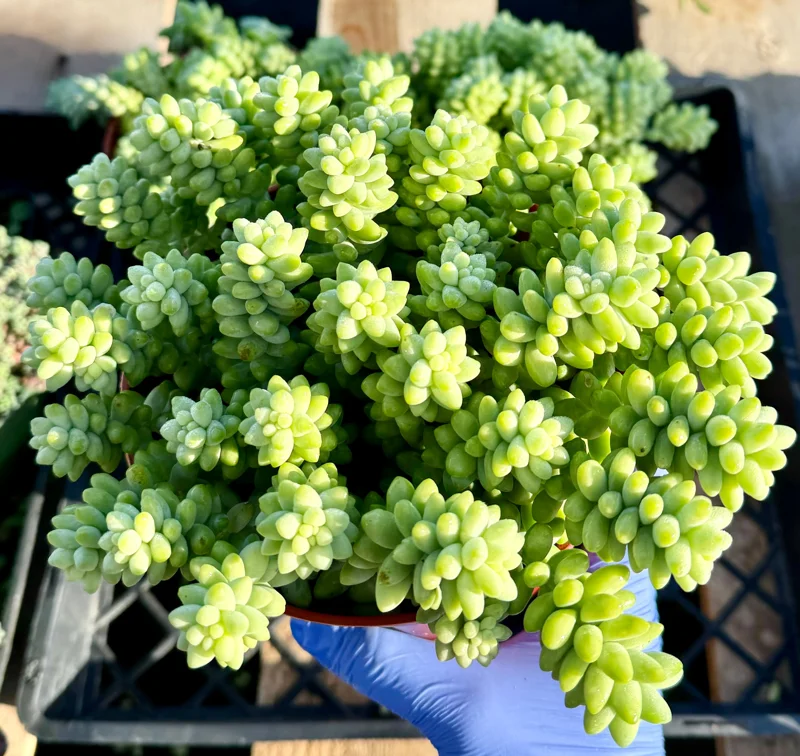
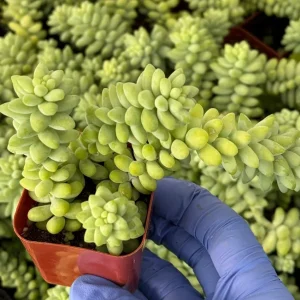
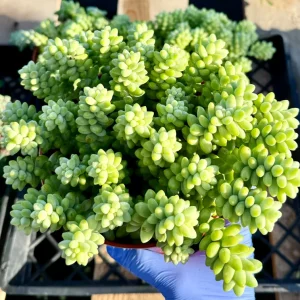
Donkey’s Tail Sedum Burrito Live Plant – Trailing Succulent for Hanging Baskets
Original price was: $15.38.$10.76Current price is: $10.76.
Bring unique charm to your home with the donkey’s tail sedum burrito, a captivating trailing succulent plant known for its cascading stems and bean-like leaves. This easy care succulent is perfect for hanging baskets and adds elegant greenery to any indoor space.
-
USDA Hardiness Zone
USDA zones 9–11 -
Soil Type
Well-draining succulent/cactus mix -
Sunlight Exposure
Bright indirect light -
Expected Planting Period
Year-round indoors

You can track your order HERE
Sep 20
Sep 25 - Sep 27
Sep 30 - Oct 04
Shipping and return policies: Our Alive & Thrive Guarantee covers issues with your plants within the first 30 days. Reach out to us. Our team will answer your questions and help you find the plants that are truly suitable for your environment, climate, and personal preferences.

Overview
Introducing the enchanting donkey’s tail sedum burrito live plant, also widely known as Burro’s Tail. This captivating succulent, native to Mexico, is celebrated for its distinctive trailing growth habit and its small, bean-like leaves that bear a charming resemblance to the tails of donkeys. As a live plant, it arrives ready to bring natural beauty and a unique texture to your home or garden. Its scientific name, Sedum burrito, highlights its botanical classification within the extensive Sedum genus, renowned for its diverse and resilient succulent species. This particular variety stands out for its exceptional ability to create a visually striking cascading effect, making it a favorite among succulent enthusiasts and beginners alike. The lush, blue-green foliage provides a calming aesthetic, perfectly complementing various decor styles.
The donkey’s tail sedum burrito is a marvel of natural design, offering both elegance and ease of care. Its long, pendulous stems can grow to impressive lengths, creating a waterfall of succulent leaves that gracefully spill over the edges of containers. This makes it an ideal choice for elevated displays, such as hanging baskets, shelves, or plant stands, where its unique form can be fully appreciated. The plant’s robust nature and minimal requirements contribute to its popularity, allowing even novice gardeners to successfully cultivate this beautiful specimen. Whether you’re looking to enhance an existing succulent collection or start a new one, this plant is a fantastic addition, promising enduring beauty with relatively little effort. Understanding sedum burrito care is straightforward, focusing on proper light and watering.
Beyond its striking appearance, the donkey’s tail sedum burrito offers a delightful opportunity for plant propagation, allowing you to easily expand your collection or share its beauty with others. Its unique foliage and growth pattern make it a conversation starter, adding a touch of botanical artistry to any environment. This trailing succulent plant is not just a decorative item; it’s a living piece of art that evolves and grows, providing continuous enjoyment. Its resilience and adaptability to various indoor conditions further solidify its status as a top choice for houseplant lovers. For those interested in an easy care succulent that truly makes a statement, the Sedum burrito is an unparalleled option.
Key Benefits
The donkey’s tail sedum burrito offers a multitude of benefits, making it an excellent choice for a wide range of plant enthusiasts. Its unique aesthetics and low-maintenance requirements contribute to its widespread appeal, ensuring it remains a beloved plant for years to come. This plant is not only beautiful but also incredibly rewarding to grow, providing a touch of nature’s artistry with minimal fuss.
- Stunning Trailing Display: The most distinctive feature of the donkey’s tail sedum burrito is its long, cascading stems adorned with plump, bean-like leaves. These stems can reach several feet, creating an elegant waterfall effect that is perfect for hanging baskets, high shelves, or as a graceful spiller in mixed arrangements. Its unique form adds architectural interest and movement to any space, making it a focal point.
- Low Maintenance & Drought Tolerant: This easy care succulent is incredibly forgiving, thriving on neglect rather than constant attention. It requires infrequent watering, making it ideal for busy individuals or those new to plant care. Its succulent nature allows it to store water in its leaves, providing resilience during periods of drought and reducing the need for frequent watering.
- Unique Foliage & Texture: The small, rounded, blue-green leaves of the Sedum burrito are truly captivating. Densely packed along the stems, they resemble tiny beans or donkey tails, providing a unique texture and visual interest that sets it apart from other succulents. This distinct foliage adds a whimsical touch to any plant collection.
- Versatile Decor Accent: Whether placed indoors in a bright room or outdoors in a sheltered patio, this trailing succulent plant adapts beautifully. Its ability to thrive in various settings makes it a versatile choice for enhancing home decor, adding a natural element to offices, or creating stunning displays in outdoor succulent gardens.
- Easy to Propagate: Expanding your collection of donkey’s tail sedum burrito is remarkably simple. Cuttings root easily, allowing you to create new plants from existing ones. This makes it a great plant for sharing with friends and family, or for filling multiple containers with its charming cascades.
- Air Purifying Qualities: Like many houseplants, the Sedum burrito contributes to a healthier indoor environment by helping to filter airborne toxins. While not as potent as some other plants, its presence still aids in improving air quality, making your living space more pleasant.
- Long-Lived Beauty: With proper sedum burrito care, this succulent can live for many years, becoming a long-term fixture in your plant collection. Its enduring beauty and easy-going nature ensure it remains a cherished part of your home for a long time.
Plant Care & Growing Tips
Caring for your donkey’s tail sedum burrito is refreshingly straightforward, making it an ideal choice for both seasoned gardeners and beginners. Understanding its basic needs will ensure a thriving, beautiful plant that provides continuous enjoyment. The key to successful sedum burrito care lies in replicating its native arid environment, focusing on proper light, well-draining soil, and conservative watering.
Sunlight Requirements: This succulent thrives in bright, indirect sunlight. Indoors, place it near a south or west-facing window where it can receive several hours of bright, filtered light daily. Direct, intense afternoon sun, especially during hot summer months, can scorch its delicate leaves, so some protection is advised. If grown outdoors, a spot with morning sun and afternoon shade is ideal. Adequate light is crucial for maintaining the compact growth and vibrant color of the leaves. Insufficient light can lead to leggy growth and pale foliage. This easy care succulent appreciates consistency in its lighting conditions.
Watering Schedule and Soil Moisture: Overwatering is the most common cause of problems for the donkey’s tail sedum burrito. It’s essential to allow the soil to dry out completely between watering sessions. A good rule of thumb is to water thoroughly until water drains from the bottom of the pot, then wait until the soil is bone dry before watering again. This could be every 2-4 weeks depending on humidity, temperature, and pot size. In winter, reduce watering frequency significantly. Always err on the side of underwatering rather than overwatering to prevent root rot. When you’re learning sedum burrito care, feel the soil to determine its dryness.
Soil Type and Drainage Requirements: A well-draining soil mix is paramount for this succulent. Use a specialized succulent and cactus potting mix, or create your own by amending regular potting soil with perlite, pumice, or coarse sand to improve drainage. The pot must have drainage holes to prevent water from sitting at the bottom, which can quickly lead to root rot. Good drainage is non-negotiable for a healthy trailing succulent plant.
Temperature Range and USDA Hardiness Zone: The Donkey’s Tail prefers warm temperatures, ideally between 65-80°F (18-27°C). It is not frost-tolerant and should be protected from temperatures below 40°F (4°C). If grown outdoors in colder climates, it should be brought indoors before the first frost. Its USDA hardiness zone is typically 9-11, making it an excellent choice for outdoor cultivation in warmer regions. When considering a burro’s tail succulent, understanding its temperature needs is vital for its longevity.
Fertilization Schedule and Type: Fertilize sparingly, if at all. During the growing season (spring and summer), you can feed your donkey’s tail sedum burrito with a diluted succulent or cactus fertilizer once every 2-3 months. Use a fertilizer with a balanced NPK ratio or one slightly lower in nitrogen. Avoid fertilizing in fall and winter when the plant is dormant. Too much fertilizer can harm the plant. This easy care succulent doesn’t require heavy feeding.
Common Problems and Solutions: The most common issues are related to overwatering, leading to root rot or mushy leaves. If you notice these symptoms, reduce watering immediately and check the roots. Pests are generally not a major problem, but mealybugs or aphids can occasionally appear. Treat with rubbing alcohol on a cotton swab or an insecticidal soap. Ensure good air circulation to prevent fungal issues. Regular inspection is a key part of good sedum burrito care.
Size & Details
This offering is for a live donkey’s tail sedum burrito plant, ready to thrive in your home or garden. The plant typically ships in a nursery pot, ensuring its roots are established and it’s ready for its new environment. The exact size will vary depending on availability, but these plants generally feature multiple trailing stems that can range from a few inches to over a foot in length upon arrival. With proper care, these stems can eventually reach several feet, creating a dramatic cascading effect.
The burro’s tail succulent is known for its moderate to fast growth rate under optimal conditions, quickly filling out hanging baskets or containers. The small, bean-like leaves are a distinctive blue-green color, providing a lush and vibrant appearance. While the primary appeal is its foliage, mature plants may produce delicate, star-shaped flowers in shades of pink or red during warmer months, adding an unexpected burst of color. This trailing succulent plant is a perfect specimen for adding unique texture and form to your indoor plant collection or a sheltered outdoor display. It is shipped carefully packaged to minimize stress during transit, ensuring it arrives in good health, ready for you to continue its journey of growth and beauty.
Frequently Asked Questions
- Q: How big does this plant get? A: The donkey’s tail sedum burrito is known for its long, trailing stems, which can reach several feet in length over time. The individual leaves are small, typically less than an inch long, and densely packed along the stems.
- Q: Is this an indoor or outdoor plant? A: This burro’s tail succulent can thrive both indoors and outdoors. Indoors, it needs bright, indirect light. Outdoors, it prefers morning sun and afternoon shade, especially in hot climates, and must be protected from frost.
- Q: How much sunlight does it need? A: The donkey’s tail sedum burrito requires bright, indirect sunlight for at least 4-6 hours daily. Direct, harsh afternoon sun can cause sunburn, while too little light can lead to leggy growth.
- Q: Is this plant easy to care for? A: Yes, this is considered an easy care succulent. Its primary needs are bright light, well-draining soil, and infrequent watering, making it suitable for beginners and those with busy schedules.
- Q: What condition will it arrive in? A: Your trailing succulent plant will arrive as a live, healthy plant in a nursery pot, carefully packaged to ensure minimal stress during shipping. It will be ready for you to acclimate to its new environment.
- Q: How often should I water my Sedum Burrito? A: Water sparingly. Allow the soil to dry out completely between waterings. This could be every 2-4 weeks, depending on environmental conditions. Overwatering is the biggest risk for this plant.
- Q: Is the donkey’s tail sedum burrito pet-safe? A: While generally considered non-toxic, it’s always best to keep plants out of reach of pets to prevent any potential mild irritation if ingested.
- Q: Can I propagate this plant easily? A: Yes, propagation is very easy. Simply snip off a stem section, allow it to callus for a few days, and then place it on or in well-draining soil. New roots will emerge, creating a new plant.
- Q: What type of soil is best for sedum burrito care? A: Use a well-draining succulent or cactus potting mix. Adding perlite or pumice to regular potting soil can also improve drainage, which is crucial for this succulent’s health.
- Q: When does it bloom? A: In ideal conditions, typically during spring or summer, the burro’s tail succulent may produce small, star-shaped pink or red flowers at the tips of its stems. The flowers are a bonus, as the foliage is the main attraction.
| Size | 2", 4", 6" |
|---|
Be the first to review “Donkey’s Tail Sedum Burrito Live Plant – Trailing Succulent for Hanging Baskets”
People Also Viewed
Flower Seeds
Pink Pokers Statice Seeds – Limonium Suworowii – 50 Seeds for Vibrant Dried Flower Blooms
Sold 59 products
Original price was: $33.99.$13.99Current price is: $13.99.
Sold 70 products
Original price was: $37.78.$18.89Current price is: $18.89.
Sold 85 products
Original price was: $95.80.$47.90Current price is: $47.90.
Sold 85 products
Original price was: $147.16.$73.58Current price is: $73.58.
Sold 62 products
Original price was: $30.76.$15.38Current price is: $15.38.
Sold 62 products
Original price was: $56.00.$44.80Current price is: $44.80.
Sold 70 products
Original price was: $59.18.$29.59Current price is: $29.59.

Sold 98 products
Original price was: $31.96.$15.98Current price is: $15.98.
Sold 95 products
Original price was: $64.98.$32.49Current price is: $32.49.
Sold 65 products
Original price was: $391.96.$195.98Current price is: $195.98.
Sold 99 products
From $75.80

Sold 58 products
Original price was: $15.00.$7.50Current price is: $7.50.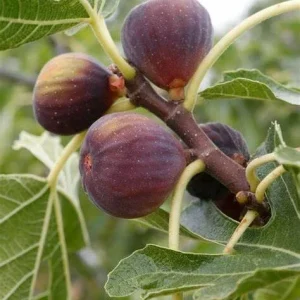

Fruits
Olympian Fig Tree Live Plant – Cold Hardy Ficus Carica – Fruiting Fig Tree – 6-12 inches Tall
Sold 67 products
Original price was: $47.96.$23.98Current price is: $23.98.

Sold 82 products
Original price was: $147.16.$73.58Current price is: $73.58.
Sold 68 products
Original price was: $123.98.$69.99Current price is: $69.99.

Sold 65 products
Original price was: $14.76.$7.38Current price is: $7.38.
Sold 57 products
From $99.80

Sold 66 products
Original price was: $108.00.$54.00Current price is: $54.00.




Reviews
There are no reviews yet.