
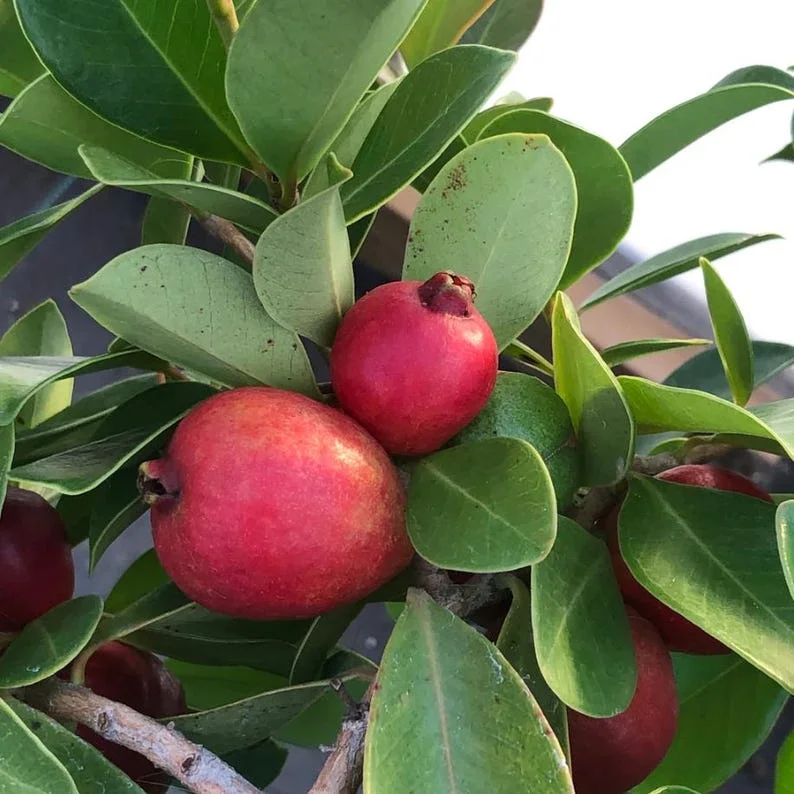
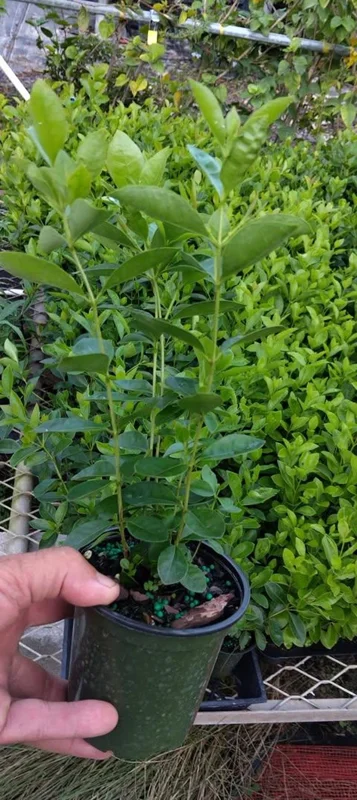
Strawberry Guava Live Plant – Half Gallon Pot – Edible Fruit Bush
Original price was: $50.55.$43.96Current price is: $43.96.
Bring the tropics to your home with a strawberry guava live plant, thriving in a half-gallon pot. This compact, evergreen bush produces delectable, aromatic fruits, ideal for fresh eating or culinary uses. Easy to grow and beautiful in any garden or patio setting.
-
USDA Hardiness Zone
USDA Zones 9-11 -
Soil Type
Well-draining, slightly acidic to neutral soil -
Sunlight Exposure
Full sun (6-8 hours daily) -
Expected Planting Period
Spring to early summer or year-round indoors

You can track your order HERE
Sep 19
Sep 24 - Sep 26
Sep 29 - Oct 03
Shipping and return policies: Our Alive & Thrive Guarantee covers issues with your plants within the first 30 days. Reach out to us. Our team will answer your questions and help you find the plants that are truly suitable for your environment, climate, and personal preferences.

Overview
Discover the joy of growing your own exotic fruits with this vibrant strawberry guava live plant. Housed in a convenient half-gallon pot, this robust plant is ready to be a delightful addition to your garden, patio, or even a sunny indoor spot. Known scientifically as Psidium cattleyanum, the strawberry guava is a charming evergreen shrub recognized for its glossy green leaves and small, highly aromatic, and sweet-tart fruits that ripen to a beautiful red or yellow hue. Often referred to as Cattley guava or Cherry guava, this resilient plant is a fantastic choice for both novice and experienced gardeners looking to add an edible and ornamental touch to their landscape. Its compact size makes it versatile, perfect for container gardening where space is a consideration, or as an attractive hedge in warmer climates. The strawberry guava live plant offers a unique flavor profile, often described as a blend of passion fruit, strawberry, and guava, making it a culinary delight straight from your own backyard.
Key Benefits
Adding a strawberry guava live plant to your collection offers a multitude of advantages beyond just its delicious fruit. This versatile plant is not only a source of fresh, homegrown produce but also contributes significantly to the aesthetic and ecological value of your space. Its evergreen foliage provides year-round beauty, while its delightful fruits attract beneficial pollinators and birds.
- Delicious, Homegrown Fruit: Enjoy the unique and refreshing taste of homegrown strawberry guava. These fruits are perfect for eating fresh, making jams, jellies, desserts, or adding a tropical twist to beverages. The satisfaction of harvesting your own sweet, aromatic produce is unparalleled.
- Ornamental Appeal: With its attractive, glossy green leaves, reddish new growth, and small, fragrant flowers, the strawberry guava bush serves as a beautiful ornamental plant. It can be grown as a specimen plant, in hedges, or as part of a mixed border, adding year-round visual interest to your garden or patio.
- Compact & Versatile Growth: This plant’s moderate size makes it highly adaptable. It thrives in containers, allowing you to enjoy fresh fruit even in smaller spaces like balconies or patios. In suitable climates, it can also be planted directly in the ground, forming a lovely bush or small tree.
- Relatively Low Maintenance: Once established, the strawberry guava care requirements are quite manageable. It’s known for its resilience and ability to tolerate various soil conditions, making it a good choice for gardeners seeking a rewarding plant without excessive fuss.
- Rich in Nutrients: Beyond its great taste, strawberry guava fruit is packed with vitamins, particularly Vitamin C, and antioxidants, contributing to a healthy diet. Growing your own ensures you have access to fresh, chemical-free produce.
- Adaptable to Various Climates: While preferring warmer climates, the psidium cattleyanum has a decent cold tolerance compared to other guava varieties, making it suitable for a wider range of USDA zones. It can also be overwintered indoors in colder regions.
- Attracts Pollinators: The small, white, fragrant flowers of the edible guava plant attract bees and other beneficial pollinators to your garden, contributing to the health and biodiversity of your local ecosystem.
Plant Care & Growing Tips
Caring for your strawberry guava live plant is a rewarding experience that will lead to bountiful harvests of delicious fruit. To ensure your plant thrives, pay close attention to its specific needs regarding sunlight, water, soil, and temperature. These plants are generally resilient, but providing optimal conditions will maximize their growth and fruit production. Understanding the nuances of strawberry guava care is key to success.
Sunlight Requirements: Strawberry guava plants prefer a location with full sun, meaning at least 6-8 hours of direct sunlight per day. While they can tolerate partial shade, fruit production may be reduced. If growing indoors, place your plant near a south-facing window or under grow lights to provide ample light. Rotate the plant periodically to ensure even growth. For outdoor planting, choose a spot that receives morning sun and some afternoon shade in extremely hot climates to prevent leaf scorch.
Watering Schedule & Soil Moisture: Consistent moisture is crucial for young plants and during fruit development. Water thoroughly when the top inch of soil feels dry to the touch. Avoid overwatering, as this can lead to root rot. Ensure the pot or planting area has excellent drainage. Mature plants are more drought-tolerant but will produce better fruit with regular watering, especially during dry spells. Reduce watering slightly in cooler months or if the plant is dormant.
Soil Type & Drainage: Strawberry guava thrives in rich, well-draining soil with a slightly acidic to neutral pH (6.0-7.0). A good quality potting mix amended with compost or organic matter is ideal for container plants. For in-ground planting, amend heavy clay soils with sand and compost to improve drainage, or very sandy soils with compost to improve water retention. The success of your edible guava plant heavily relies on proper soil conditions.
Temperature Range & USDA Hardiness Zone: This plant is best suited for USDA Hardiness Zones 9-11 for outdoor planting. It can tolerate brief dips in temperature to around 20-25°F (-6 to -4°C) but prolonged freezes can cause damage. In colder zones, it should be grown in containers and brought indoors when temperatures drop below 40°F (4°C). When bringing indoors, acclimate it gradually to the change in environment. The psidium cattleyanum is more cold-hardy than its tropical relatives.
Fertilization Schedule & Type: Feed your strawberry guava live plant with a balanced, slow-release fertilizer or an organic fruit tree fertilizer during the growing season (spring through summer). Follow the product instructions for application rates. Reduce or stop fertilizing in fall and winter. Yellowing leaves can often indicate a nutrient deficiency, so observe your plant closely.
Common Problems & Solutions: Watch out for common pests like aphids, scale, or mealybugs. Treat them with insecticidal soap or neem oil. Fungal issues, often caused by overwatering, can be prevented by ensuring good air circulation and proper drainage. Pruning can help maintain shape, improve air circulation, and encourage more fruit production. Remove any dead or diseased branches promptly.
Size & Details
This strawberry guava live plant is currently supplied in a half-gallon nursery pot, making it a perfect starter plant for your garden or collection. At the time of shipping, plants typically range from 8 to 15 inches tall, ready to quickly establish in their new environment. Strawberry guava is known for its moderate growth rate, eventually forming a dense, evergreen shrub that can reach heights of 6 to 15 feet and a similar spread if planted in the ground in ideal conditions. When grown in containers, its size can be easily managed through pruning, often staying within the 4-8 foot range. The plant typically begins to flower and fruit within 1-3 years from planting, with peak fruiting seasons in late summer to fall. The fruits are small, round to oval, about 1 inch in diameter, and have a thin, edible skin. You can expect a consistent harvest of these delightful fruits once your strawberry guava bush matures.
Frequently Asked Questions
- Q: How big does this plant get? A: If planted in the ground in suitable climates, a strawberry guava live plant can grow up to 6-15 feet tall and wide. When grown in a container, its size can be managed through pruning, typically staying between 4-8 feet, making it an excellent choice for patios or smaller spaces.
- Q: What size pot does it come in? A: This strawberry guava live plant is shipped in a half-gallon nursery pot, providing a healthy root system ready for transplanting into a larger container or directly into your garden.
- Q: Is this an indoor or outdoor plant? A: While psidium cattleyanum prefers outdoor conditions in USDA Zones 9-11, it can be successfully grown indoors in colder climates. It requires a bright, sunny location if kept indoors, such as near a south-facing window.
- Q: How much sunlight does it need? A: The strawberry guava bush thrives in full sun, requiring at least 6-8 hours of direct sunlight daily for optimal growth and fruit production. It can tolerate partial shade, but fruiting may be less abundant.
- Q: Is this plant easy to care for? A: Yes, strawberry guava care is considered relatively easy once the plant is established. It’s quite resilient and adaptable, making it a good option for gardeners of all experience levels. Consistent watering and adequate sunlight are key.
- Q: What condition will it arrive in? A: Your edible guava plant will arrive as a healthy, live plant, carefully packaged to ensure its safety during transit. It will be rooted in its half-gallon nursery pot, ready for you to acclimate and plant.
- Q: Is it shipped in soil? A: Yes, the strawberry guava live plant is shipped securely in its original nursery pot with soil, ensuring its roots remain undisturbed and hydrated during delivery.
- Q: How long until it blooms and fruits? A: Typically, a young strawberry guava live plant will begin to flower and produce fruit within 1 to 3 years after planting. Fruiting usually occurs in late summer to fall, depending on your climate and growing conditions.
- Q: Can I eat the fruit directly from the plant? A: Absolutely! The fruits of the strawberry guava are delicious when eaten fresh directly from the plant. They are known for their sweet-tart flavor, often compared to a blend of passion fruit and strawberry.
- Q: Will it survive winter in my zone? A: If you are in USDA Zones 9-11, your psidium cattleyanum should survive winter outdoors. In colder zones, it’s best to grow it in a container and bring it indoors before the first frost to protect it from freezing temperatures.
Be the first to review “Strawberry Guava Live Plant – Half Gallon Pot – Edible Fruit Bush”
People Also Viewed
Sold 57 products
Original price was: $60.00.$48.00Current price is: $48.00.
Sold 67 products
Original price was: $85.98.$42.99Current price is: $42.99.
Sold 71 products
Original price was: $139.80.$69.90Current price is: $69.90.

Sold 62 products
Original price was: $80.00.$64.00Current price is: $64.00.
Sold 54 products
Original price was: $60.00.$48.00Current price is: $48.00.
Sold 86 products
Original price was: $56.00.$44.80Current price is: $44.80.

Sold 73 products
Original price was: $71.80.$35.90Current price is: $35.90.

Sold 71 products
Original price was: $86.00.$43.00Current price is: $43.00.
Sold 84 products
Original price was: $130.00.$104.00Current price is: $104.00.
Sold 52 products
Original price was: $80.00.$64.00Current price is: $64.00.

Sold 98 products
Original price was: $58.14.$29.07Current price is: $29.07.
Sold 77 products
Original price was: $56.00.$44.80Current price is: $44.80.
Sold 92 products
From $19.98
Sold 100 products
Original price was: $136.00.$108.80Current price is: $108.80.
Sold 81 products
Original price was: $64.00.$51.20Current price is: $51.20.

Sold 58 products
Original price was: $18.76.$9.38Current price is: $9.38.
Sold 70 products
Original price was: $190.00.$142.50Current price is: $142.50.
Sold 79 products
Original price was: $136.00.$108.80Current price is: $108.80.





Reviews
There are no reviews yet.