
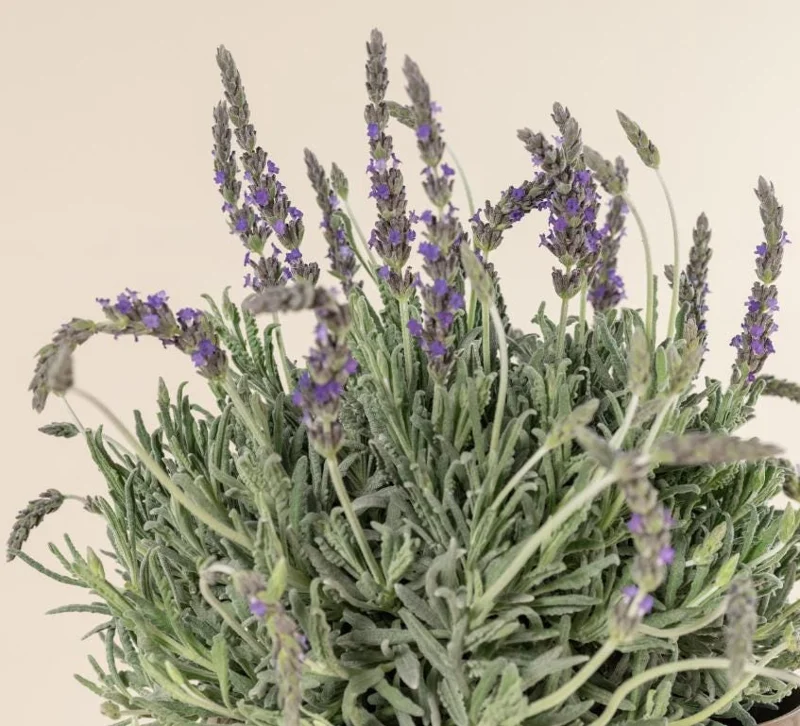
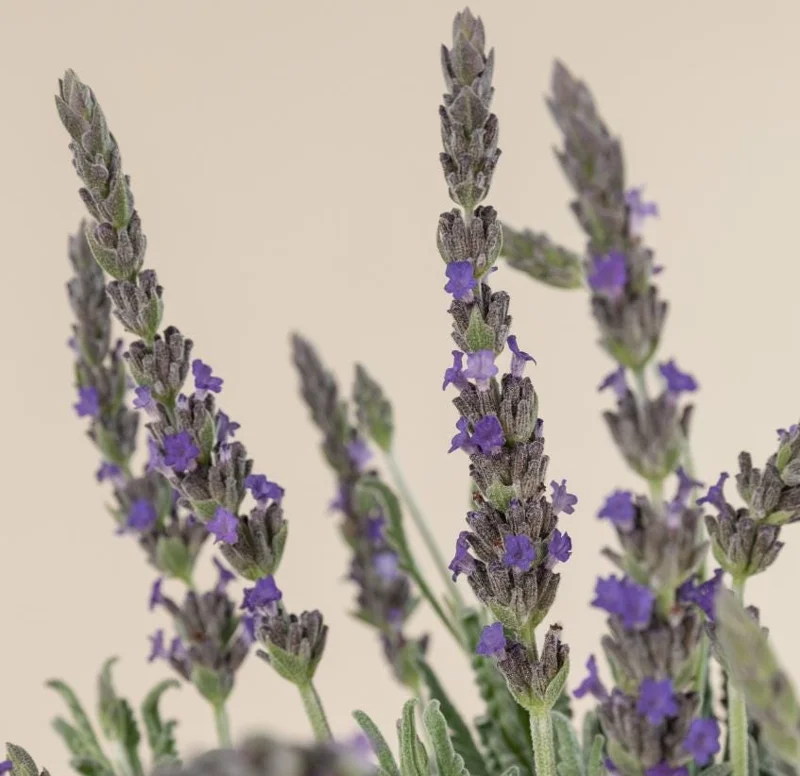
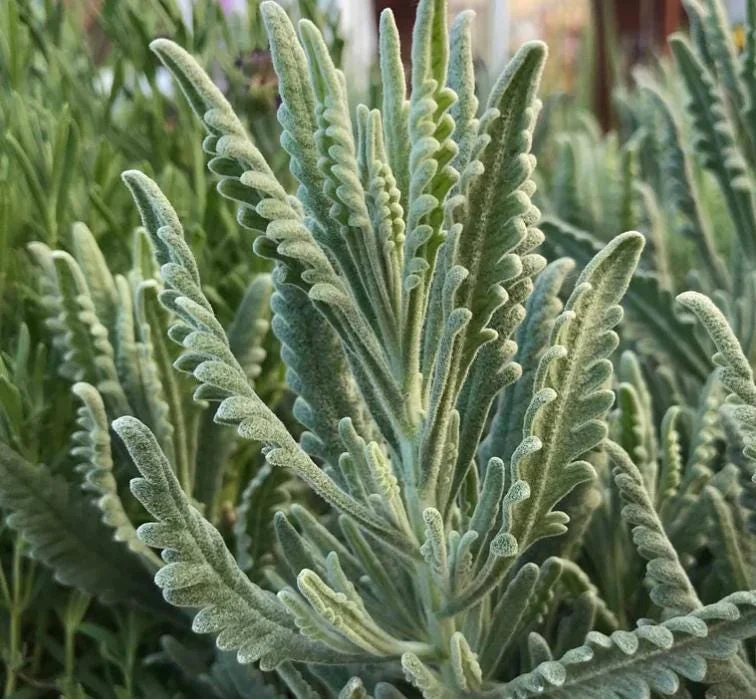
Set of 2 Lavender Live Plants – 3-6″ Tall – Fragrant Herb for Garden, Pollinators & Containers
Original price was: $35.19.$24.63Current price is: $24.63.
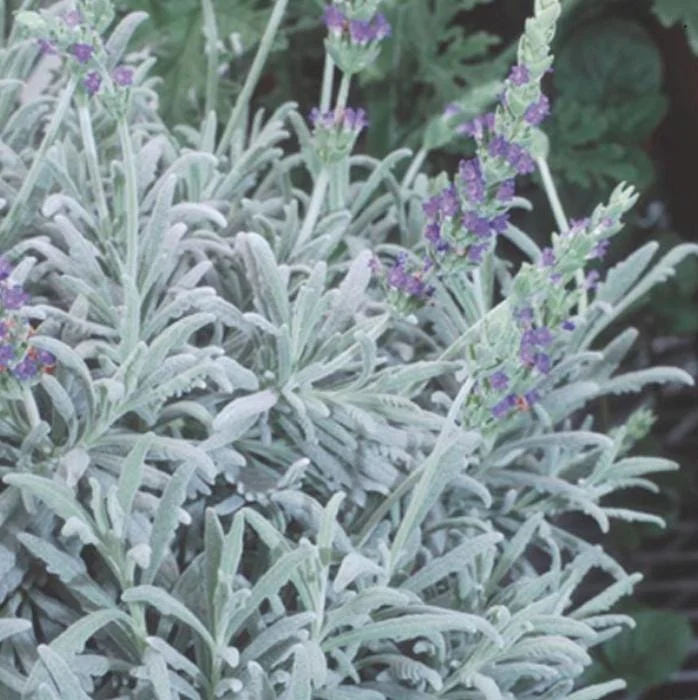
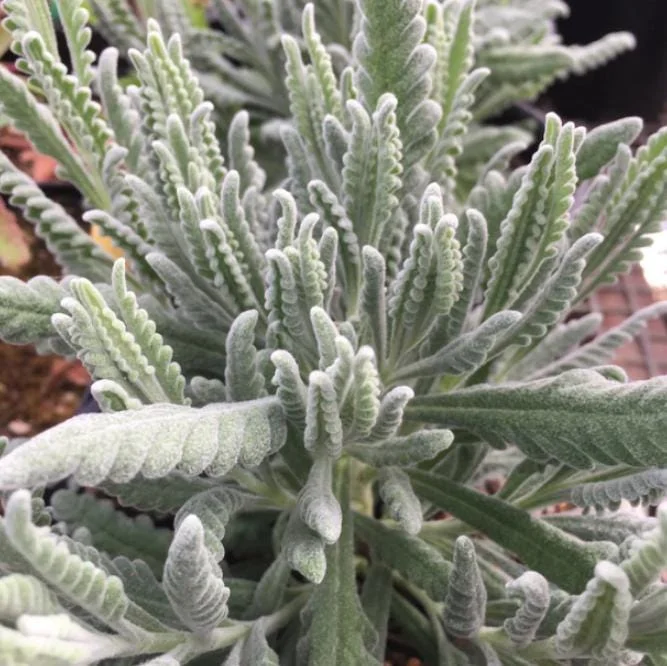
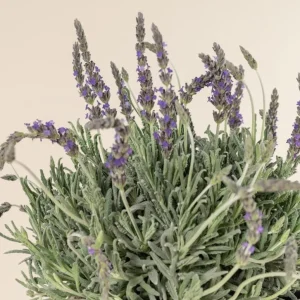
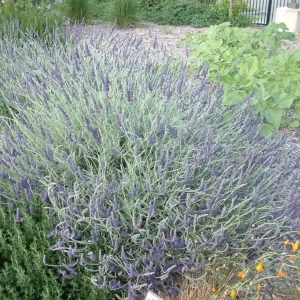
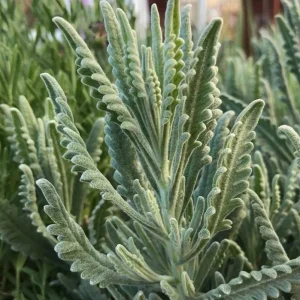
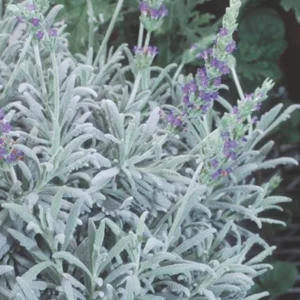
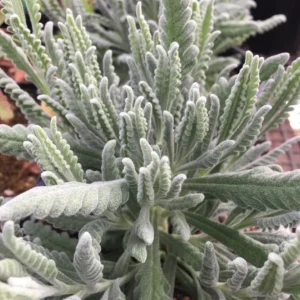
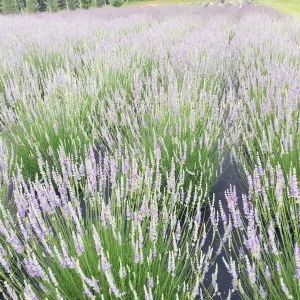
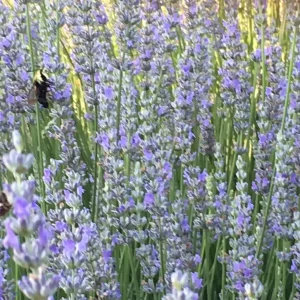
Bring the delightful aroma and beauty of lavender live plants to your garden or patio. This set of 2 lavender live plants, each 3-6 inches tall, offers fragrant blooms perfect for attracting pollinators and creating a serene atmosphere. Ideal for container gardening or garden beds.
-
USDA Hardiness Zone
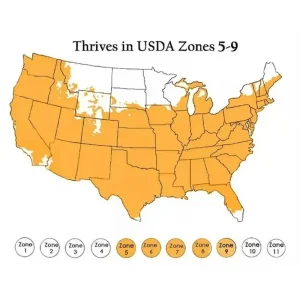
USDA Zones 5-9 -
Soil Type
Well-draining, sandy or gravelly soil -
Sunlight Exposure
Full sun -
Expected Planting Period
Spring to early summer

You can track your order HERE
Oct 26
Oct 31 - Nov 02
Nov 05 - Nov 09
Shipping and return policies: Our Alive & Thrive Guarantee covers issues with your plants within the first 30 days. Reach out to us. Our team will answer your questions and help you find the plants that are truly suitable for your environment, climate, and personal preferences.

Overview
Transform your outdoor space with this exquisite set of 2 lavender live plants. Each plant measures 3-6 inches tall, providing a perfect starting point for establishing a fragrant and beautiful garden feature. Lavender, scientifically known as Lavandula angustifolia, is renowned for its captivating aroma, beautiful purple flowers, and numerous benefits. These young, vibrant plants are ready to be nurtured into mature, blooming specimens, offering both aesthetic appeal and a sensory experience. Whether you’re an experienced gardener or just starting, growing lavender is a rewarding endeavor that brings a touch of Mediterranean charm to any setting. Our lavender live plants are carefully selected to ensure health and vigor, promising a successful addition to your home landscape.
This pair of lavender live plants is perfect for creating aromatic borders, filling decorative containers, or attracting beneficial insects to your garden. Their compact size upon arrival makes them easy to plant and manage, allowing you to design your garden layout with precision. Experience the joy of cultivating your own fragrant lavender, known for its calming properties and versatility in culinary and craft applications. These plants are a testament to natural beauty and functional gardening, making them an excellent choice for anyone looking to enhance their green space.
Key Benefits
Our lavender live plants offer a multitude of benefits, making them a highly desirable addition to any garden. From their enchanting fragrance to their ecological contributions, these plants are truly exceptional.
- Exquisite Fragrance: Enjoy the soothing, iconic scent of fragrant lavender that can help reduce stress and create a peaceful environment. The aroma is released with a gentle breeze or light touch, making your garden a sensory delight.
- Attracts Pollinators: These plants are a magnet for bees, butterflies, and other beneficial pollinators, contributing to the health of your local ecosystem. By adding lavender for pollinators, you help support biodiversity and enhance fruit and vegetable production in your garden.
- Versatile Garden Use: Perfect for a variety of applications, including garden beds, borders, rock gardens, and especially containers. Their adaptability makes them suitable for both small patios and expansive landscapes.
- Low Maintenance: Once established, lavender is remarkably drought-tolerant and requires minimal care, making it an ideal choice for busy gardeners or those new to growing lavender.
- Culinary and Craft Potential: Harvest the flowers for culinary uses, such as infusing teas or baking, or dry them for sachets, potpourri, and essential oils. The versatility of lavender live plants extends far beyond their visual appeal.
- Deer and Rabbit Resistant: The strong scent of lavender naturally deters deer and rabbits, protecting your garden from common pests without the need for chemical deterrents.
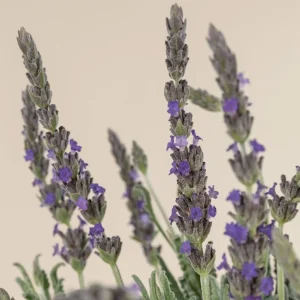
- Beautiful Blooms: Adorn your garden with beautiful spikes of purple flowers that bloom from late spring through summer, adding a splash of vibrant color and texture.
Plant Care & Growing Tips
Ensuring the success of your lavender live plants involves understanding their basic needs. Lavender thrives in conditions that mimic its native Mediterranean habitat. Proper sunlight, well-draining soil, and appropriate watering are crucial for healthy growth and abundant blooms. For optimal results, plant your lavender in a location that receives full sun, meaning at least 6-8 hours of direct sunlight per day. Insufficient light can lead to leggy growth and fewer flowers. When considering lavender plant care, remember that these plants prefer drier conditions once established.
The right soil is paramount for growing lavender. It requires well-draining soil, ideally sandy or gravelly, with a neutral to slightly alkaline pH (6.5-7.5). Avoid heavy clay soils that retain too much moisture, as this can lead to root rot. If your soil is heavy, amend it with sand or grit to improve drainage. Water newly planted lavender regularly until it is established, typically for the first few weeks. After establishment, water sparingly, allowing the soil to dry out completely between waterings. Overwatering is a common cause of lavender failure. Pruning is also an important aspect of lavender plant care; prune after the first flush of blooms to encourage a second flowering and maintain a compact, bushy shape. A more significant prune in early spring can help rejuvenate older plants. Lavender generally performs well in USDA Zones 5-9, tolerating a range of temperatures but preferring warm, dry climates.
Fertilization is rarely necessary for lavender, as it thrives in lean soil. If your soil is particularly poor, a light application of a balanced, slow-release fertilizer in early spring can be beneficial, but avoid high-nitrogen fertilizers which can promote foliage growth at the expense of flowers. Watch out for common pests like aphids or whiteflies, though lavender is generally pest-resistant due to its strong scent. Good air circulation also helps prevent fungal diseases. With consistent and appropriate lavender plant care, your plants will flourish, providing years of beauty and fragrance.
Size & Details
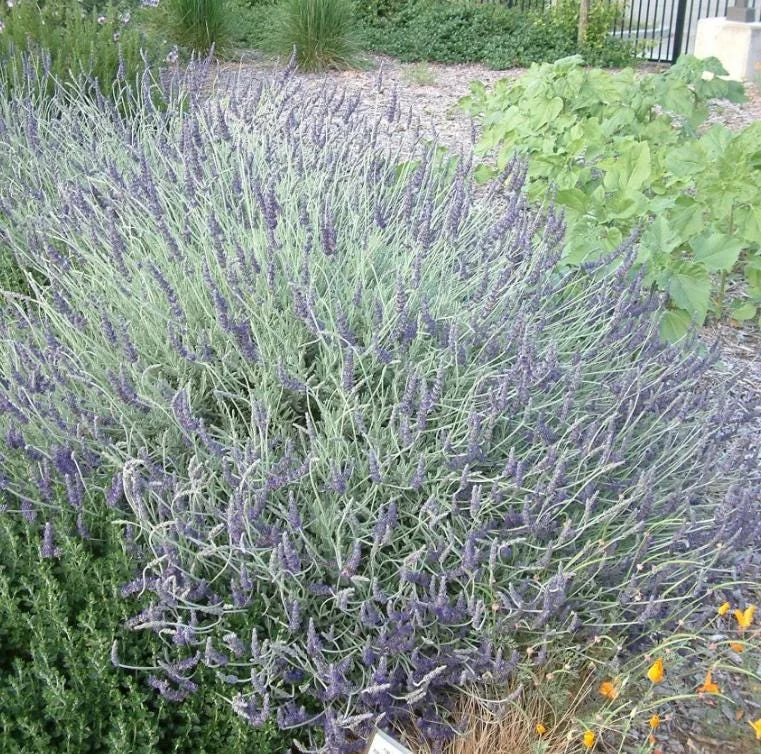
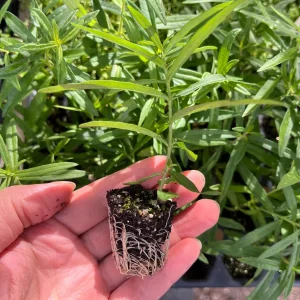
This offering includes a set of 2 lavender live plants, each measuring approximately 3-6 inches in height upon arrival. These young plants are shipped without a pot, often referred to as bare-root or with minimal soil, to ensure safe and efficient transit. This method is ideal for quick establishment in your chosen planting location, whether it’s directly into the garden bed or into larger containers. The mature size of lavender can vary depending on the specific variety and growing conditions, but most common types reach 1-3 feet tall and wide, forming a beautiful, mounding shrub. The growth rate is moderate, with plants typically reaching a significant size within their first year of planting under optimal conditions.
When you receive your lavender live plants, it’s recommended to plant them as soon as possible. Choose a location with ample sunlight and well-draining soil. These plants are known for their resilience and ability to establish quickly, rewarding you with their iconic fragrant blossoms usually within the first growing season. Expect beautiful purple flowers that attract beneficial insects, making your garden a vibrant ecosystem. The plants are robust and ready to thrive, providing a long-lasting addition to your landscape or container arrangements.
Frequently Asked Questions
- Q: How big will these lavender live plants get? A: Each plant is 3-6 inches tall upon arrival. Mature lavender plants typically grow to about 1-3 feet tall and wide, depending on the variety and growing conditions.
- Q: Is this an indoor or outdoor plant? A: While lavender can be grown indoors with proper care, it thrives best as an outdoor plant, requiring ample direct sunlight. It is ideal for garden beds, borders, and outdoor containers.
- Q: How much sunlight does growing lavender require? A: Lavender needs full sun, meaning at least 6-8 hours of direct sunlight per day, to produce the best blooms and maintain its compact form.
- Q: Is this plant easy to care for? A: Yes, lavender is generally considered a low-maintenance plant once established. It is drought-tolerant and prefers lean, well-draining soil, making lavender plant care relatively straightforward.
- Q: What condition will the plants arrive in? A: The plants are shipped without pots and may have minimal soil around their roots to ensure safe and efficient transit. They are packaged to arrive healthy and ready for planting.
- Q: Can I use this fragrant lavender in cooking? A: Yes, many varieties of lavender, especially English lavender, are suitable for culinary use. The flowers and leaves can be used to flavor teas, baked goods, and savory dishes.
- Q: When is the best time to plant these lavender live plants? A: The best time to plant lavender is in the spring after the last frost, or in early fall in warmer climates, allowing the plants to establish before extreme temperatures.
- Q: Will lavender for pollinators attract bees to my garden? A: Absolutely! Lavender is a fantastic plant for attracting bees, butterflies, and other beneficial pollinators, making it an excellent choice for supporting local wildlife.
- Q: What type of soil is best for lavender plant care? A: Lavender prefers well-draining soil that is sandy or gravelly, with a neutral to slightly alkaline pH. Avoid heavy clay soils that retain too much moisture.
- Q: Will these plants survive winter in my zone? A: Lavender is generally hardy in USDA Zones 5-9. In colder zones, some protection or growing in containers that can be moved indoors may be necessary.
Be the first to review “Set of 2 Lavender Live Plants – 3-6″ Tall – Fragrant Herb for Garden, Pollinators & Containers”
People Also Viewed
Sold 55 products
Original price was: $139.96.$69.98Current price is: $69.98.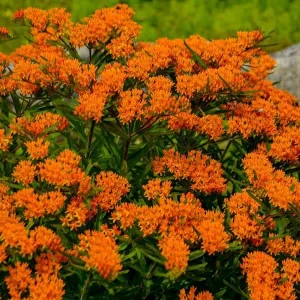
Flower Plants
Butterflyweed Live Plant (Asclepias tuberosa) Orange Starter for Pollinator Gardens, 1.15-inch Pot
Sold 78 products
From $13.98

Herb Seeds
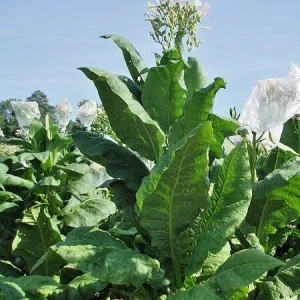
1000 Virginia Gold Tobacco Seeds – Heirloom Nicotiana Tabacum – Fast Growing Annual Herb Seeds
Sold 97 products
Original price was: $19.92.$9.96Current price is: $9.96.



Reviews
There are no reviews yet.