
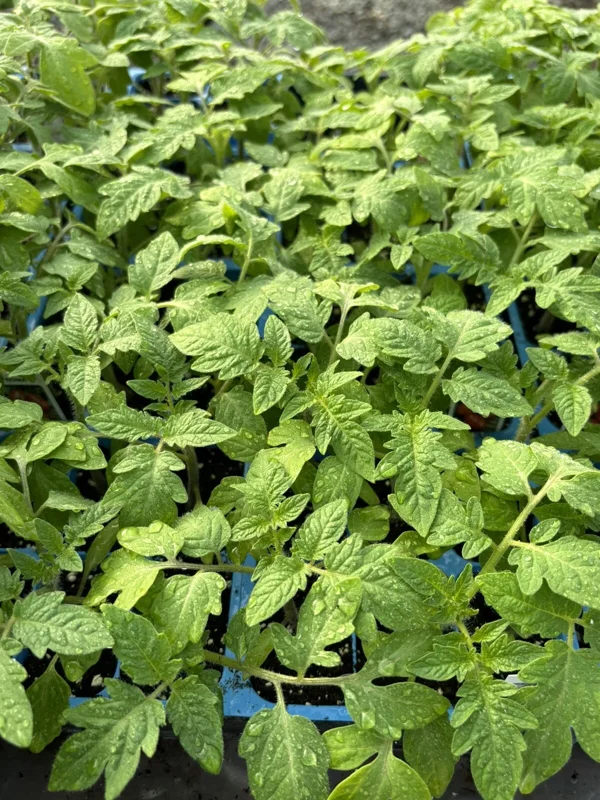
Roma Tomato Live Plants – 3 Pack, 6-10 inches, 60+ Days Old, Outdoor Vegetable
$36.00
Start your backyard garden with this pack of three robust roma tomato live plants, each 6-10 inches tall and over 60 days old. These plum tomato plants are ideal for making rich sauces, canning, or enjoying fresh. Known for their abundant yield and superior flavor, they offer a rewarding gardening experience for both beginners and experienced growers.
-
USDA Hardiness Zone
3-9 (as annuals) -
Soil Type
Rich, well-draining loam -
Sunlight Exposure
Full sun (6-8+ hours daily) -
Expected Planting Period
Spring to early summer

You can track your order HERE
Oct 21
Oct 26 - Oct 28
Oct 31 - Nov 04
Shipping and return policies: Our Alive & Thrive Guarantee covers issues with your plants within the first 30 days. Reach out to us. Our team will answer your questions and help you find the plants that are truly suitable for your environment, climate, and personal preferences.

Overview
Introduce the unparalleled taste of garden-fresh produce to your backyard with our premium roma tomato live plants. This offering includes three robust, established plants, each measuring 6 to 10 inches in height and over 60 days old, ensuring they are well-rooted and ready for successful transplanting. Roma tomatoes, also known as plum tomato plants, are a popular choice among home gardeners and culinary enthusiasts alike, celebrated for their thick walls, low seed count, and rich, tangy flavor. These characteristics make them exceptionally well-suited for making sauces, pastes, and canning, though they are also delightful when eaten fresh. Growing roma tomatoes provides a rewarding experience, yielding a bountiful harvest of these versatile fruits. Our plants are carefully nurtured to reach a healthy vegetative growth stage before shipment, minimizing transplant shock and setting you up for success. Whether you’re a seasoned gardener looking to expand your crop or a beginner eager to try growing vegetables, these roma tomato live plants offer a reliable and productive option.
Key Benefits
Choosing to cultivate roma tomato live plants offers a multitude of advantages for any gardener, providing both culinary and gardening satisfaction. These plants are known for their strong performance and the quality of their fruit. Here are some of the key benefits:
- Abundant Yield: Roma tomato plants are highly productive, providing a generous harvest of fruits throughout the growing season. This makes them an excellent choice for those looking to preserve their harvest through canning or freezing, ensuring you have the best tomatoes for sauce all year long.
- Versatile Culinary Use: The dense flesh and low moisture content of Roma tomatoes make them perfect for sauces, pastes, purees, and drying. Their rich flavor also shines in fresh salads and bruschetta, making them incredibly versatile in the kitchen.
- Disease Resistance: These plants often exhibit good resistance to common tomato diseases, contributing to a healthier crop and less maintenance for the gardener, simplifying your roma tomato care routine.
- Compact Growth Habit: While productive, many Roma varieties have a determinate growth habit, meaning they grow to a certain size and produce their crop within a concentrated period, making them suitable for smaller gardens or container growing.
- Superior Flavor: Homegrown Roma tomatoes offer a significantly richer and more authentic flavor compared to store-bought varieties, enhancing any dish they are used in.
- Gardening Satisfaction: There’s immense satisfaction in watching your plants grow from small starts to fruit-laden bushes, then harvesting and enjoying the literal fruits of your labor.
- Healthy Eating: Freshly picked tomatoes are packed with vitamins and antioxidants, contributing to a healthy diet.
Plant Care & Growing Tips
To ensure your roma tomato live plants thrive and produce a bumper crop, proper care is essential. Tomatoes are sun-loving plants that require consistent attention, but the rewards are well worth the effort. These plants are typically grown outdoors in regions with warm climates. For optimal growth, plant your roma tomato live plants in a location that receives at least 6-8 hours of direct full sun per day. Good air circulation is also beneficial to prevent fungal diseases. The ideal soil for Roma tomatoes is a rich, well-draining loam with a pH between 6.0 and 6.8. Amending your garden soil with compost or other organic matter will improve fertility and drainage. When planting, bury a portion of the stem below the soil line; tomatoes are unique in their ability to root along the stem, which helps create a stronger root system. Space plants about 2-3 feet apart to allow for adequate growth and air circulation.
Consistent watering is crucial, especially during flowering and fruiting. Aim for deep watering 2-3 times a week, ensuring the soil remains evenly moist but not waterlogged. Avoid overhead watering to reduce the risk of leaf diseases. Fertilize your roma tomato plants with a balanced fertilizer at planting, and then switch to a fertilizer higher in phosphorus and potassium once flowering begins. Support is typically needed for Roma tomatoes, even determinate varieties, to keep the heavy fruit off the ground; staking or caging is recommended as part of comprehensive roma tomato care. Monitor for common pests like hornworms and aphids, and treat organically if possible. These plants generally thrive in USDA zones 3-9, as they are annuals that prefer warm temperatures and cannot tolerate frost. Protecting them from cold snaps is vital for a successful harvest. Understanding growing roma tomatoes successfully means providing consistent sunlight, water, and proper nutrients.
Size & Details
This offering includes a lot of three individual roma tomato live plants, each carefully grown to a healthy vegetative stage. The plants measure approximately 6 to 10 inches in height from the base of the soil to the top of the foliage, providing a robust start for your garden. Each plant is approximately 60+ days old, indicating well-developed root systems and established growth, which reduces transplant shock and promotes quicker adaptation to their new environment. These plants are shipped in a nursery pot, ready for direct planting into your garden beds or larger containers upon arrival. Roma tomatoes are known for their vigorous growth and typically reach a mature height of 3-5 feet, producing fruit over an extended period, especially if they are indeterminate varieties. Expect your first harvest of ripe Roma tomatoes typically 70-80 days after transplanting.
Frequently Asked Questions
- Q: How big do these Roma tomato plants get? A: These roma tomato live plants are 6-10 inches tall when shipped. Once mature, most Roma tomato varieties will grow to a height of 3 to 5 feet, depending on the specific cultivar and growing conditions. Consistent staking or caging will help manage their vertical growth.
- Q: What size pot does it come in? A: The roma tomato live plants are shipped in a standard nursery pot, typically around 3-4 inches in diameter, ensuring the root ball is protected and moist during transit. You should transplant them into a larger pot (at least 5-gallon capacity) or directly into your garden.
- Q: Is this an indoor or outdoor plant? A: Roma tomatoes are primarily outdoor plants that require ample sunlight and space to thrive. While they can be started indoors, they should be moved outside once all danger of frost has passed and temperatures are consistently warm.
- Q: How much sunlight does it need? A: For optimal fruit production, roma tomato plants need at least 6 to 8 hours of direct sunlight per day. A location with full sun is ideal for promoting vigorous growth and heavy yields, which is key for growing roma tomatoes.
- Q: Is this plant easy to care for? Is it good for beginners? A: Roma tomatoes are generally considered moderately easy to care for and are a good choice for beginners with some basic gardening knowledge. Consistent watering, adequate sunlight, and proper support are key to success in roma tomato care.
- Q: What condition will it arrive in? Is it shipped in soil? A: Your roma tomato live plants will arrive well-packaged to minimize stress during transit. They are shipped in their original nursery pots with soil to ensure the roots remain hydrated and healthy.
- Q: Can I use Roma tomatoes in cooking? A: Absolutely! Roma tomatoes are renowned for their culinary versatility. Their firm flesh and low seed count make them perfect for making rich sauces, pastes, and salsas. They also hold up well to roasting and drying, making them the best tomatoes for sauce.
- Q: How long until it blooms and produces fruit? A: These plants are already 60+ days old and in a vegetative growth stage. You can typically expect them to start blooming within a few weeks of transplanting, with fruit ripening approximately 70-80 days after transplanting.
- Q: Will it survive winter in my zone? What’s the minimum temperature? A: Roma tomatoes are annual plants and are not frost-tolerant. They thrive in warm temperatures and will not survive freezing conditions. They are best grown during the spring and summer months in most regions, typically within USDA zones 3-9 as annuals.
- Q: What’s the best way to support these plants as they grow? A: Due to the weight of their fruit, plum tomato plants benefit significantly from support. Staking, caging, or using a trellis are all effective methods to keep the plants upright and prevent fruit from touching the ground, which can lead to rot.
Be the first to review “Roma Tomato Live Plants – 3 Pack, 6-10 inches, 60+ Days Old, Outdoor Vegetable”
People Also Viewed
HousePlants
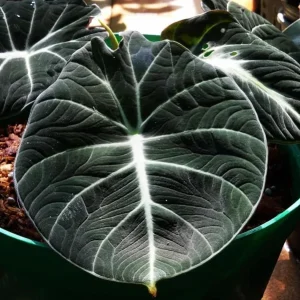
Set of 2 Black Velvet Alocasia Live Plants – Alocasia Reginula – 4-6″ Tall Compact Indoor Houseplant
Sold 86 products
Original price was: $60.18.$30.09Current price is: $30.09.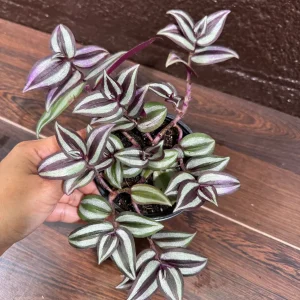



Sold 61 products
$69.90
Sold 90 products
Original price was: $38.98.$22.98Current price is: $22.98.


Sold 85 products
Original price was: $91.98.$45.99Current price is: $45.99.
HousePlants
Tradescantia Nanouk Live Plant – Pink Wandering Jew Houseplant – Vibrant Variegated Foliage
Sold 78 products
Original price was: $32.98.$23.08Current price is: $23.08.







Reviews
There are no reviews yet.