
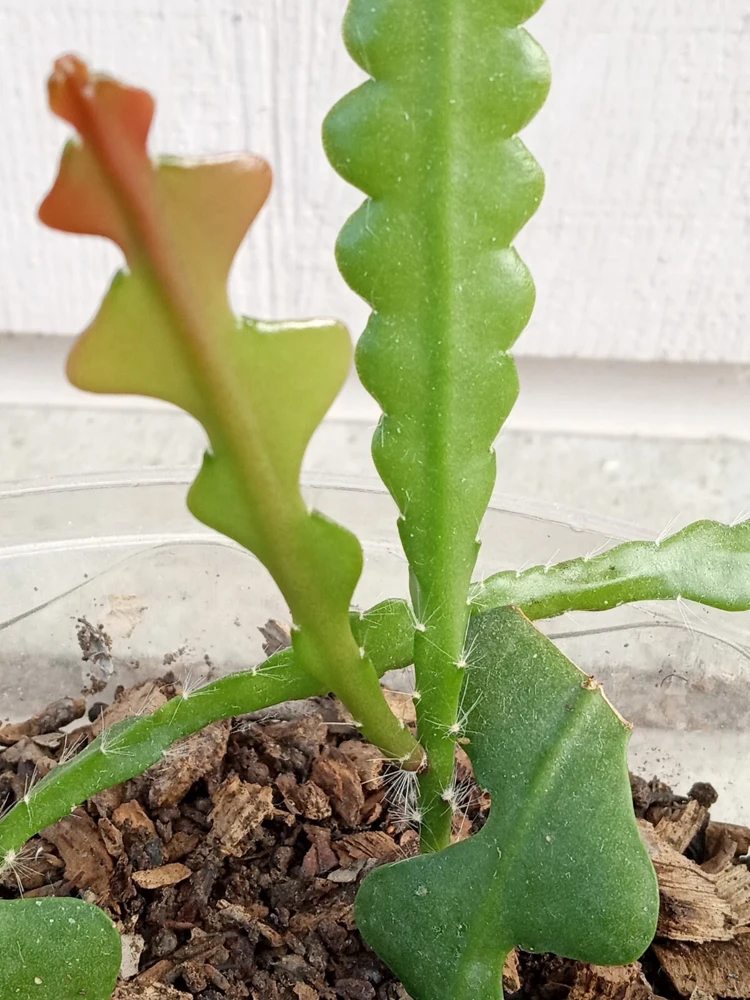
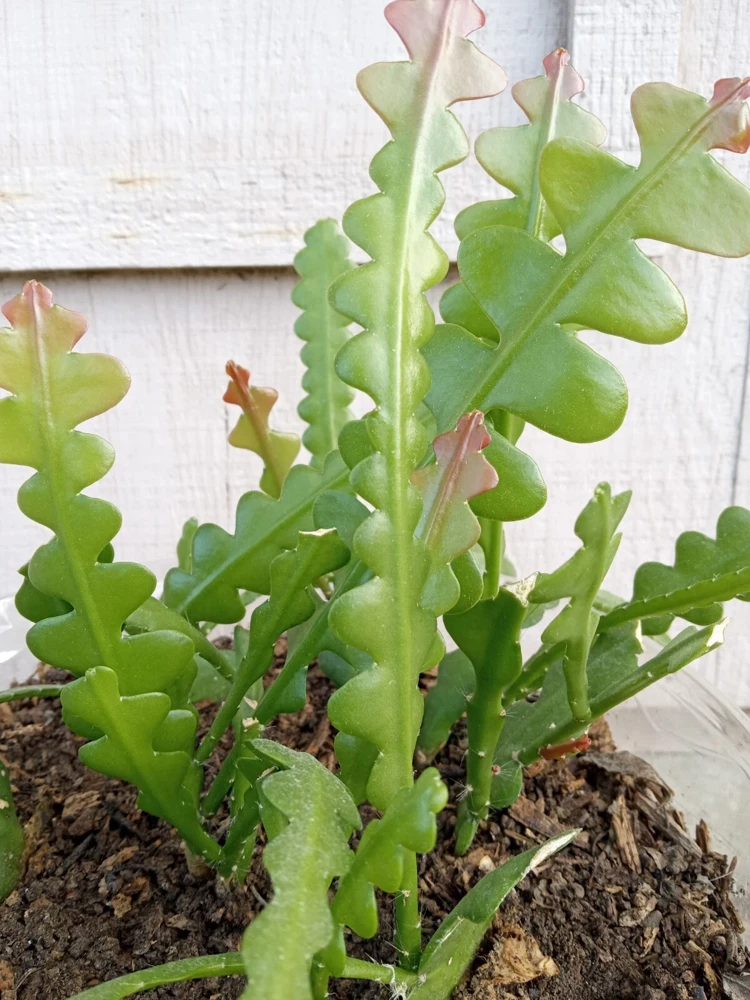
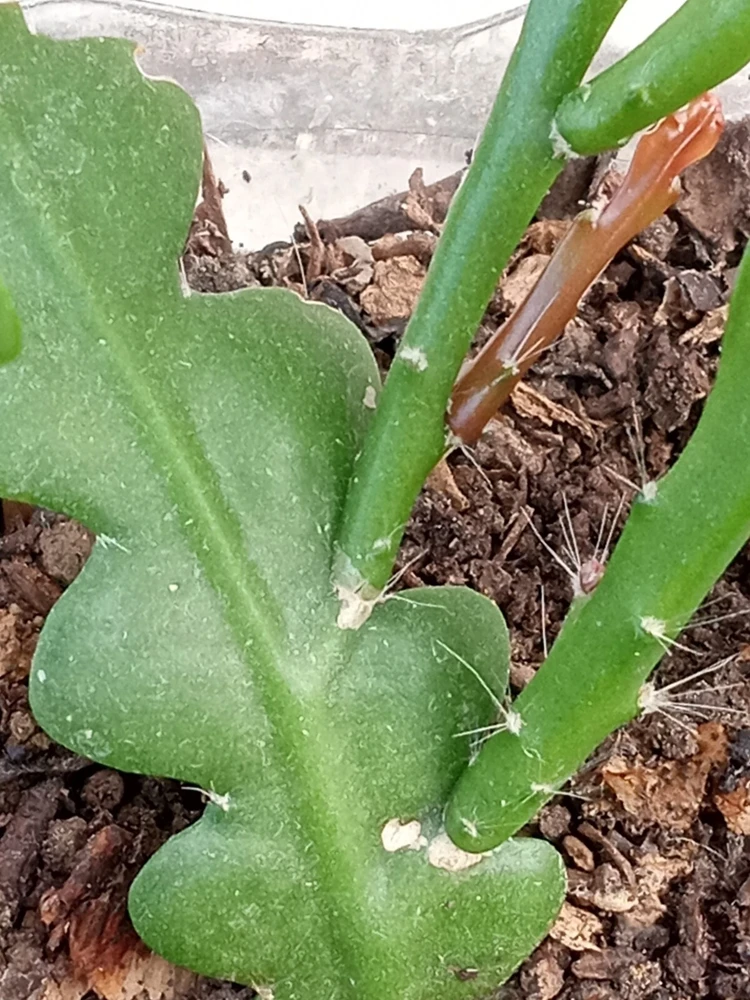
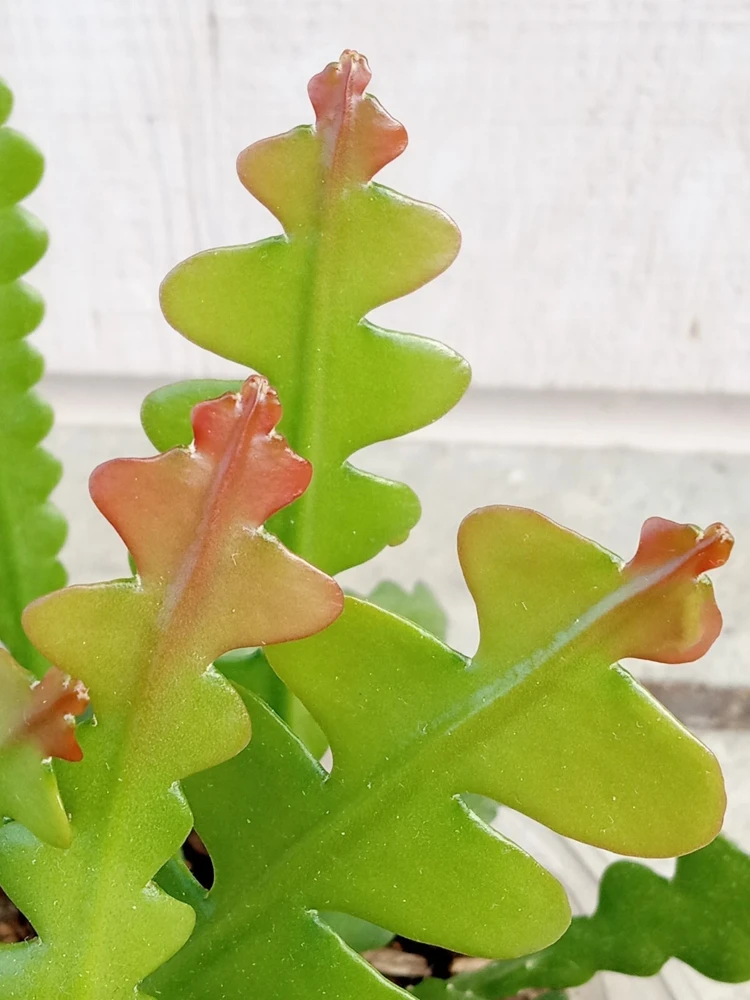
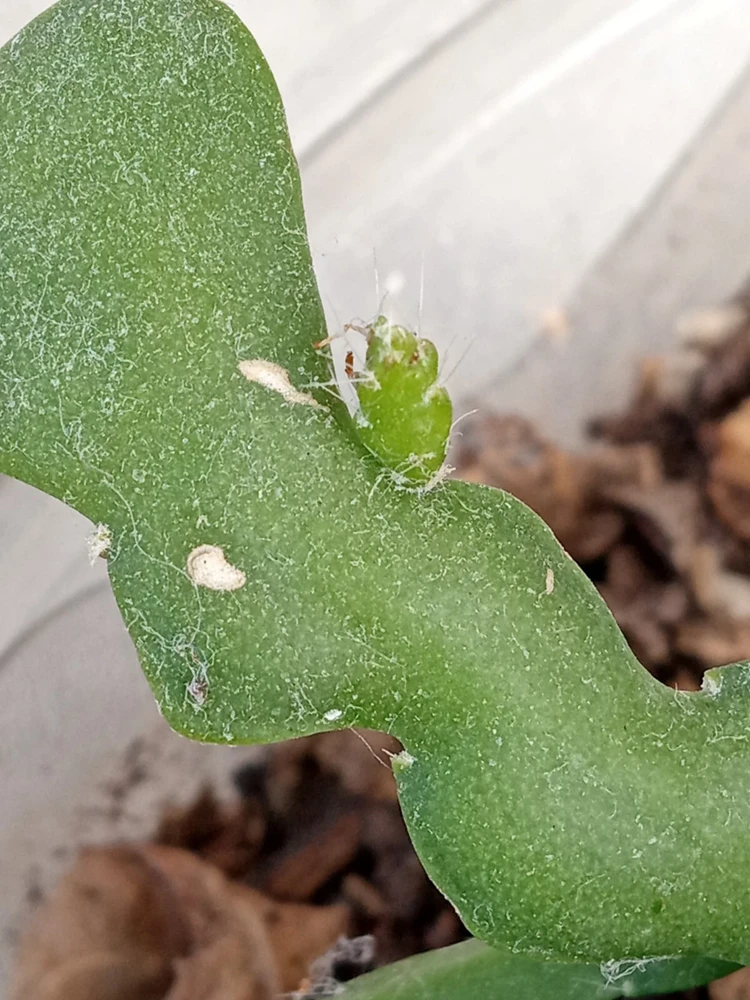
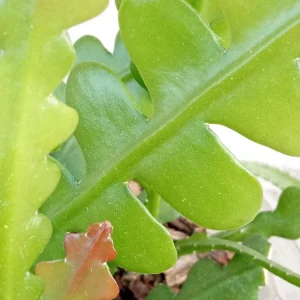
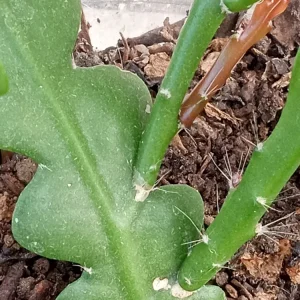
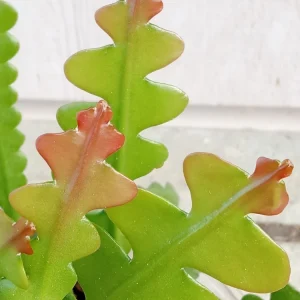
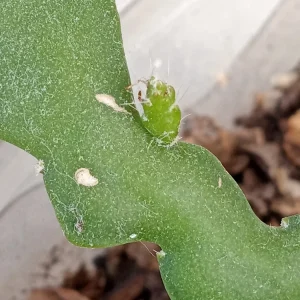
Ric Rac Cactus Live Plant – Epiphyllum Anguliger – Rooted Fishbone Cactus
$57.47
Bring home a unique botanical marvel with this ric rac cactus live plant. Also known as the Fishbone Cactus or Epiphyllum Anguliger, this rooted succulent features eye-catching zig-zag foliage that adds architectural interest to any space. It’s a forgiving and beautiful addition for both indoor and outdoor plant enthusiasts.
-
USDA Hardiness Zone
USDA zones 9-11 (outdoors) or year-round indoors -
Soil Type
Well-draining cactus/succulent mix -
Sunlight Exposure
Bright indirect light, partial shade -
Expected Planting Period
Year-round indoors

You can track your order HERE
Oct 14
Oct 19 - Oct 21
Oct 24 - Oct 28
Shipping and return policies: Our Alive & Thrive Guarantee covers issues with your plants within the first 30 days. Reach out to us. Our team will answer your questions and help you find the plants that are truly suitable for your environment, climate, and personal preferences.

Overview
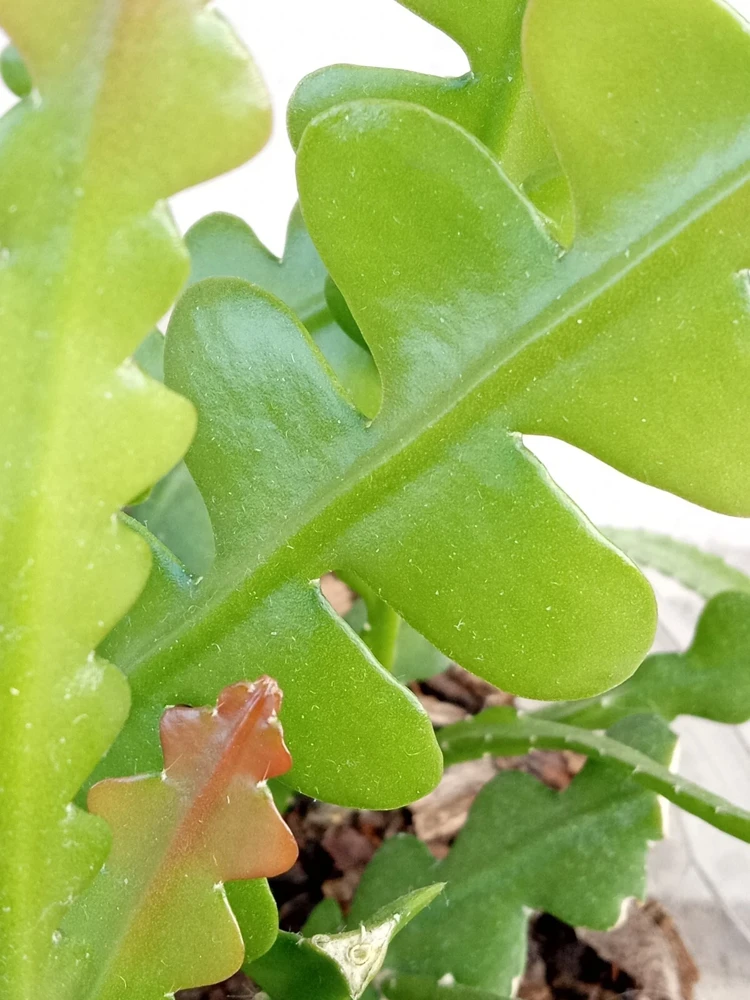
The ric rac cactus live plant, scientifically known as Epiphyllum Anguliger, is a truly captivating succulent recognized for its distinctive zig-zag or fishbone-shaped foliage. This particular offering provides a healthy, rooted specimen, ready to thrive in its new home. Often called the Fishbone Cactus due to its unique leaf structure, this plant is a popular choice among plant collectors and beginners alike for its striking appearance and relatively easy care. Native to the tropical rainforests of Mexico, it’s an epiphytic cactus, meaning it naturally grows on other plants, absorbing moisture and nutrients from the air and rain. This tropical origin explains its preference for humid conditions and indirect light, differentiating it from desert cacti. When mature, the epiphyllum anguliger plant can produce stunning, fragrant white or yellow flowers that bloom at night, adding an extra layer of charm to its already impressive display. It’s a wonderful choice for those seeking an unusual and beautiful addition to their indoor or sheltered outdoor plant collection.
Key Benefits
Adding a ric rac cactus live plant to your home or garden offers a multitude of benefits, blending aesthetic appeal with practical advantages. This unique succulent is more than just a pretty face; it’s a living piece of art that contributes positively to its environment.
- Striking Ornamental Value: The most immediate benefit is its extraordinary appearance. The deeply lobed, zig-zagging stems create a dynamic and sculptural form, making it a focal point in any room or patio. Its unusual structure is a guaranteed conversation starter and adds a modern, artistic touch.
- Low Maintenance & Easy Care: Despite its exotic look, the Fishbone Cactus is surprisingly easy to care for, making it suitable for busy individuals or novice plant parents. It doesn’t demand constant attention and can tolerate a range of conditions, as long as its basic needs for light and water are met. This makes it an ideal choice for those looking for a beautiful plant without a high-maintenance commitment.
- Air-Purifying Qualities: Like many houseplants, the Epiphyllum Anguliger contributes to improved indoor air quality. It helps to filter out common household toxins, promoting a healthier and more refreshing living environment. This natural air purification is a subtle yet significant benefit of keeping a ric rac cactus live plant.
- Unique Night-Blooming Flowers: While primarily grown for its foliage, mature plants can produce spectacular, fragrant flowers that typically bloom at night. These large, often white or pale yellow blossoms offer a delightful surprise and an enchanting experience, adding to its allure.
- Versatile Placement: This plant thrives in a variety of settings, making it perfect for hanging baskets where its cascading stems can be admired, or as an upright plant in a pot. It adapts well to both indoor environments with bright, indirect light and shaded outdoor locations in warmer climates, providing flexibility for placement.
- Drought Tolerant: As a succulent, it stores water in its stems, enabling it to withstand periods of drought. This resilience means it’s more forgiving if you occasionally forget to water, distinguishing it from more delicate houseplants.
- Evergreen Foliage: The vibrant green foliage remains year-round, providing continuous beauty and life to your space regardless of the season. Its evergreen nature ensures your environment always feels fresh and lively.
Plant Care & Growing Tips
Caring for your ric rac cactus live plant is a rewarding experience, as this unique succulent is relatively forgiving. For optimal growth and potential flowering, understanding its specific needs is crucial. Sunlight is key; as an epiphytic cactus, it prefers bright, indirect light. Direct, harsh sunlight, especially during the hottest parts of the day, can scorch its delicate stems. An east-facing window or a spot a few feet away from a south or west-facing window is ideal indoors. If growing outdoors, choose a location with dappled shade or morning sun only. The soil should be well-draining and airy, mimicking its natural habitat. A good quality cactus or succulent mix amended with perlite or orchid bark works perfectly. Avoid heavy, compacted soils that retain too much moisture.
Watering should be consistent but not excessive. Allow the top inch or two of soil to dry out completely between waterings, then water thoroughly until it drains from the bottom. Reduce watering significantly during its dormant period in winter. Overwatering is the most common cause of problems, leading to root rot. This fishbone cactus care also involves maintaining a relatively warm and humid environment. Average room temperatures between 60-80°F (15-27°C) are suitable. While it appreciates humidity, especially during warmer months, it can tolerate average household humidity. Fertilize sparingly during the growing season (spring and summer) with a balanced liquid fertilizer diluted to half strength. Repot only when necessary, typically every 2-3 years, to a pot only slightly larger than the previous one, ensuring good drainage. Watch out for common pests like mealybugs or spider mites, and treat promptly with insecticidal soap if observed.
Size & Details
This offering is for 1 ric rac cactus live plant, a healthy, rooted specimen of Epiphyllum Anguliger. It is provided in a bare root form, carefully prepared for safe transit and ready for you to pot upon arrival. The plant typically grows with cascading stems that can reach lengths of 2-3 feet when mature, making it excellent for hanging baskets or elevated planters. Its growth rate is considered medium, meaning it will gradually fill out and develop its characteristic zig-zag foliage over time. While individual plant sizes may vary slightly, you can expect a robust starter plant that has established roots and shows signs of healthy growth. With proper care, this epiphyllum anguliger plant will develop into a magnificent specimen, potentially producing its unique night-blooming flowers in a few years.
Frequently Asked Questions
- Q: How big does this plant get? A: A mature ric rac cactus live plant can have cascading stems that reach lengths of 2 to 3 feet, making it an impressive display plant. Its width will depend on how you allow its stems to spread and whether it’s in a hanging basket or a pot.
- Q: What size pot does it come in? A: This plant is provided as a rooted bare root specimen, meaning it does not come with a pot. You will need to provide a suitable pot, ideally one with good drainage, around 4-6 inches in diameter for initial planting.
- Q: Is this an indoor or outdoor plant? A: The ric rac cactus live plant is versatile. It thrives as an indoor houseplant in bright, indirect light, but can also be grown outdoors in shaded locations in warmer climates (USDA zones 9-11), protected from direct sun and frost.
- Q: How much sunlight does it need? A: This plant prefers bright, indirect light. Avoid direct, harsh sunlight, which can scorch its leaves. A spot near an east-facing window or a shaded patio is generally ideal.
- Q: Is this plant easy to care for? A: Yes, the fishbone cactus care is considered relatively easy, making it a good choice for both beginners and experienced plant enthusiasts. Its main requirements are bright, indirect light and allowing the soil to dry between waterings.
- Q: What condition will it arrive in? A: Your plant will arrive as a healthy, rooted bare root specimen, carefully packaged to ensure its safety during transit. It will be ready for immediate potting upon arrival.
- Q: When is the best time to plant? A: Since it’s a rooted plant, it can be potted at any time of year when grown indoors. If planting outdoors in suitable climates, spring or early summer is generally preferred to allow it to establish before colder weather.
- Q: What type of soil does it need? A: It requires a well-draining soil mix. A specialized cactus or succulent potting mix, often amended with perlite or orchid bark, is ideal to prevent waterlogging.
- Q: Will it survive winter in my zone? A: If you are in USDA zones 9-11, it can likely survive mild winters outdoors in a protected, shaded location. In colder zones, it must be brought indoors before temperatures drop below 50°F (10°C).
- Q: How long until it blooms? A: The epiphyllum anguliger plant typically needs to reach a certain maturity to bloom, which can take several years. With optimal care, you might see its beautiful night-blooming flowers after 2-3 years.
Be the first to review “Ric Rac Cactus Live Plant – Epiphyllum Anguliger – Rooted Fishbone Cactus”
People Also Viewed
Sold 90 products
Original price was: $27.78.$24.16Current price is: $24.16.



Aquatic Plant Seeds
Colorful Lotus Water Lily Seeds for Aquarium & Pond – Easy Grow Aquatic Plants
Sold 83 products
Original price was: $18.76.$9.38Current price is: $9.38.



Aquatic Plant Seeds
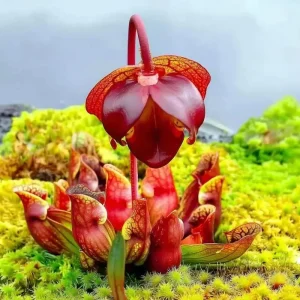
Sarracenia Purpurea Seeds – Purple Pitcher Plant Seeds, 30 Count for Carnivorous Bog Blooms
Sold 100 products
Original price was: $30.99.$10.99Current price is: $10.99.

















%20Seeds%20–%2050%20Count%20for%20Fall%20Planting&url=https://gardennursery.net/product/saffron-autumn-crocus-crocus-sativus-seeds-50-count-for-fall-planting/&media=https://img.gardennursery.net/2026/01/saffron-autumn-crocus-crocus-sativus-seeds-50-coun-1974988c.webp)


%20Live%20Succulent%20Plant%20–%202%20inch%20Pot%20–%20Indoor&url=https://gardennursery.net/product/jade-plant-crassula-ovata-live-succulent-plant-2-inch-pot-indoor/&media=https://img.gardennursery.net/2026/01/jade-plant-crassula-ovata-live-succulent-plant-2-i.webp)


%20–%20Fast%20Growing%20Deciduous%20Perennial%20Outdoor&url=https://gardennursery.net/product/25-red-maple-tree-seeds-acer-rubrum-fast-growing-deciduous-perennial-outdoor/&media=https://img.gardennursery.net/2026/01/25-red-maple-tree-seeds-acer-rubrum-fast-growing-d-98964492.webp)
Reviews
There are no reviews yet.