
Red Russian Kale Seeds – Tender Fresh Greens, Hardy Large Leaves, Vegetable Seeds
From $4.38
Cultivate your own vibrant and nutritious greens with our premium red russian kale seeds. Known for their exceptional tenderness and sweet flavor, these hardy seeds produce large, attractive leaves with a distinctive reddish-purple hue. Ideal for home gardens, they offer a continuous harvest of fresh, delicious kale for salads, smoothies, and cooking.
-
USDA Hardiness Zone
USDA zones 3-9 -
Soil Type
Fertile, well-draining soil rich in organic matter -
Sunlight Exposure
Full sun to partial shade -
Expected Planting Period
Early spring to late summer

You can track your order HERE
Oct 24
Oct 29 - Oct 31
Nov 03 - Nov 07
Shipping and return policies: Our Alive & Thrive Guarantee covers issues with your plants within the first 30 days. Reach out to us. Our team will answer your questions and help you find the plants that are truly suitable for your environment, climate, and personal preferences.

Overview
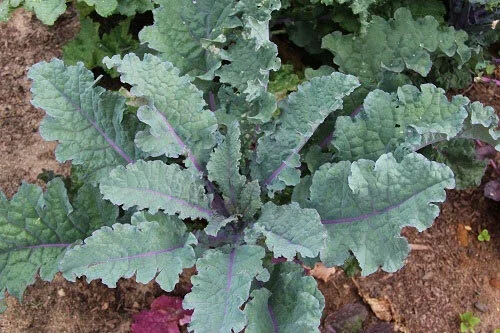
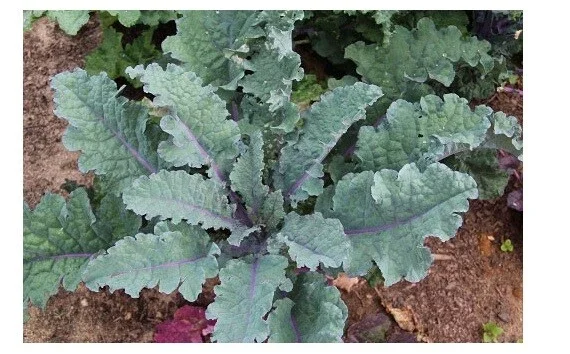
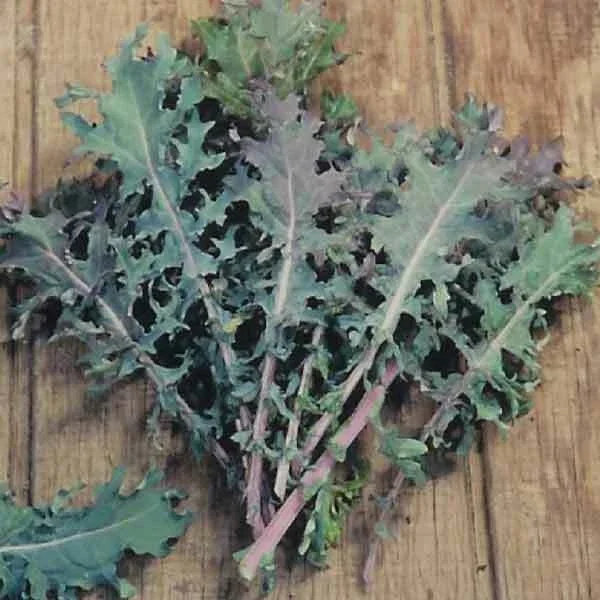
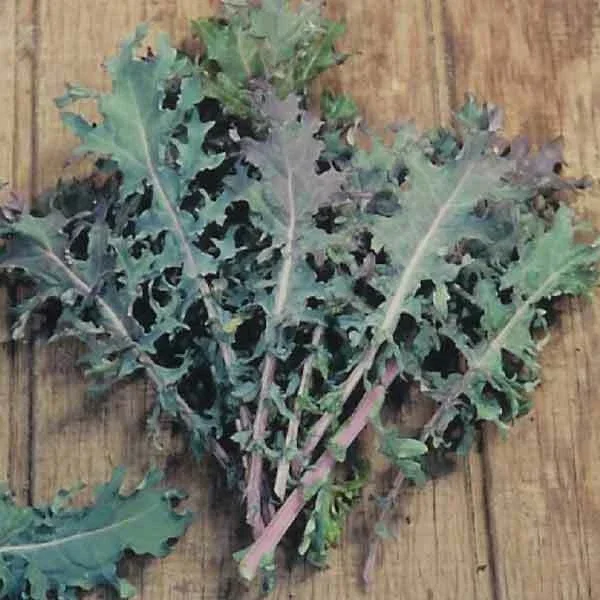
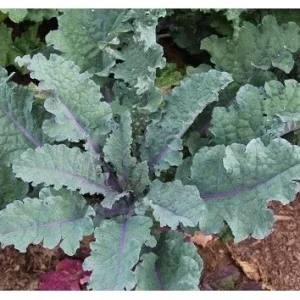
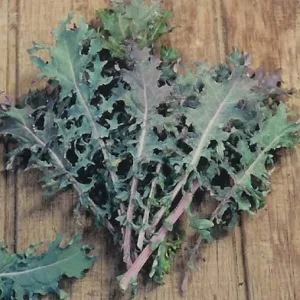
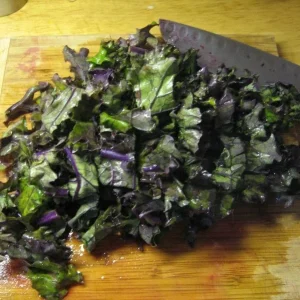
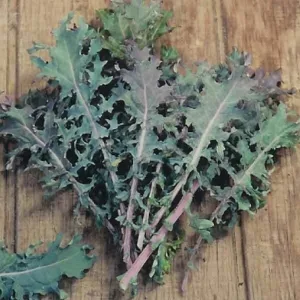
Embark on a rewarding gardening journey with our premium red russian kale seeds. This beloved heirloom variety is celebrated for its exceptional tenderness, sweet flavor, and striking visual appeal. Unlike some other kales, Red Russian Kale boasts flat, deeply lobed leaves that are a beautiful blue-green with purple veins and stems, adding a touch of elegance to any garden bed. These seeds promise a bountiful harvest of nutrient-dense greens, perfect for health-conscious gardeners and culinary enthusiasts alike. Whether you’re a seasoned gardener or just starting out, growing your own Red Russian Kale from seed is a fulfilling experience that provides fresh, organic produce right from your backyard. This variety is known for its cold hardiness, often becoming even sweeter after a light frost, making it a versatile choice for various climates.
Our red russian kale seeds are carefully selected to ensure high germination rates and robust plant growth. Each seed carries the potential for a thriving plant that will consistently produce tender, flavorful leaves. This kale is not only delicious but also packed with vitamins and minerals, making it a fantastic addition to any healthy diet. Its unique texture and mild, sweet taste make it a favorite for both raw consumption in salads and for cooking in various dishes. Discover the joy of cultivating this easy-to-grow and highly productive vegetable.
Key Benefits
Growing Red Russian Kale from seed offers a multitude of benefits, from its culinary versatility to its nutritional value and ease of cultivation. These seeds provide an excellent opportunity to enjoy fresh, organic produce at your fingertips.
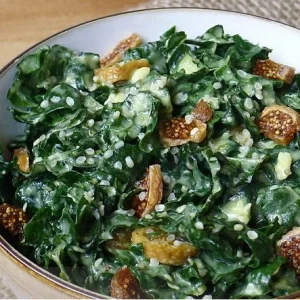
- Exceptional Flavor and Texture: Red Russian Kale is renowned for its tender leaves and sweet, mild flavor, which is less bitter than many other kale varieties. This makes it particularly appealing for fresh salads, smoothies, and light sautés, providing a delightful culinary experience.
- Nutrient-Dense Superfood: Like all kales, Red Russian Kale is a powerhouse of nutrition, rich in vitamins A, C, and K, as well as calcium, iron, and antioxidants. Incorporating this kale into your diet supports overall health and well-being.
- Cold Hardy and Frost Tolerant: This variety is exceptionally tolerant to cold weather and even a light frost can enhance its sweetness and tenderness, making it an excellent choice for late-season harvesting and extending your gardening season.
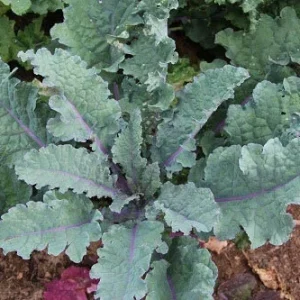
- Beautiful Garden Addition: With its distinctive blue-green leaves and vibrant purple veins and stems, Red Russian Kale adds significant ornamental value to your vegetable garden or edible landscape. It’s as beautiful as it is delicious.
- Easy to Grow: These red russian kale seeds are relatively easy to germinate and grow, making them suitable for gardeners of all experience levels. With proper care, you can expect a consistent and generous yield.
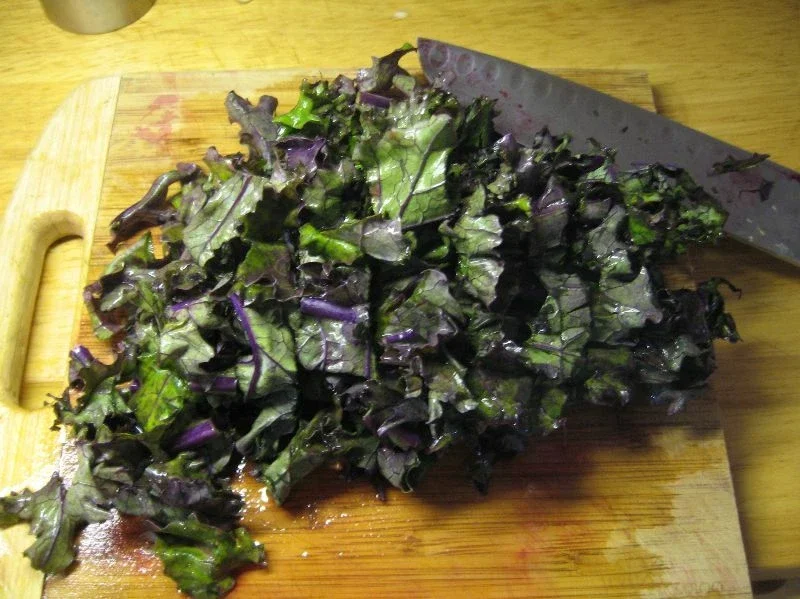
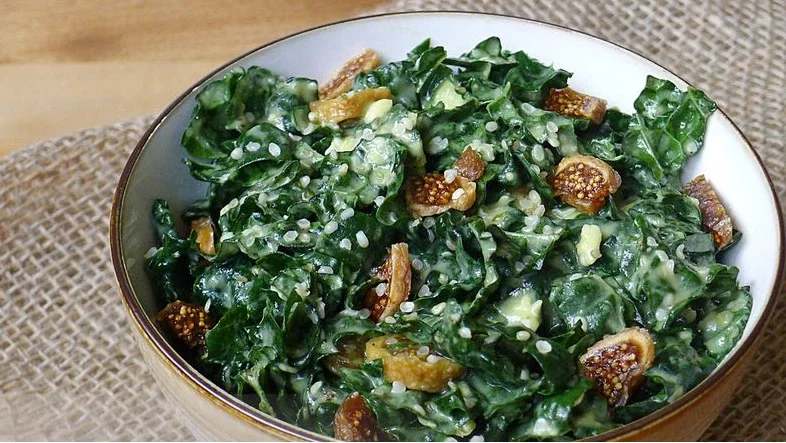
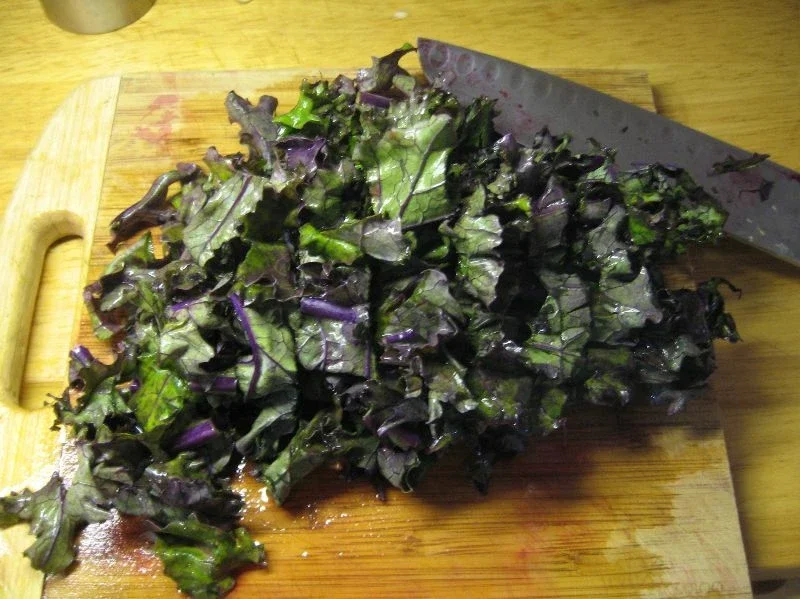
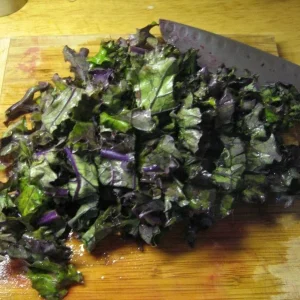
- Versatile Culinary Uses: Beyond salads, the tender leaves of Red Russian Kale are perfect for steaming, stir-frying, baking into chips, or adding to soups and stews. Its versatility in the kitchen makes it a staple for healthy meal preparation.
- Continuous Harvest: Red Russian Kale is a cut-and-come-again vegetable. By harvesting the outer leaves, the plant will continue to produce new growth, providing you with fresh greens over an extended period.
Plant Care & Growing Tips
Successful cultivation of red russian kale seeds begins with proper planting and attentive care. This hardy vegetable is relatively forgiving but thrives best when its basic needs are met, ensuring a bountiful harvest of tender leaves. Start your seeds indoors 4-6 weeks before the last frost date, or sow directly outdoors once the danger of frost has passed and the soil has warmed. Plant seeds about 1/2 inch deep and 1 inch apart in rows that are 18-24 inches apart. Once seedlings emerge and are a few inches tall, thin them to 8-12 inches apart to give each plant ample space to grow and develop large, healthy leaves.
Red Russian Kale prefers a location with full sun, meaning at least 6 hours of direct sunlight per day, but it can tolerate partial shade, especially in warmer climates where some afternoon shade can prevent bolting. The ideal soil for growing Red Russian Kale is fertile, well-draining, and rich in organic matter, with a pH between 6.0 and 7.0. Amend your soil with compost or well-rotted manure before planting to provide essential nutrients. Keep the soil consistently moist, especially during dry periods, but avoid waterlogging, which can lead to root rot. Mulching around the plants can help retain soil moisture, suppress weeds, and regulate soil temperature. Fertilize every 4-6 weeks with a balanced organic fertilizer or a fertilizer rich in nitrogen to promote lush, leafy growth. Watch out for common pests like aphids and cabbage worms; organic pest control methods such as neem oil or insecticidal soap can be effective. A little extra care will help you grow red russian kale successfully.
Size & Details
Our red russian kale seeds provide the foundation for robust plants that typically grow to a height of 2-3 feet (60-90 cm) and spread about 1-2 feet (30-60 cm) wide. The mature leaves are large, deeply lobed, and can reach lengths of 10-12 inches, showcasing their distinctive blue-green color with striking purple veins and stems. This kale has a moderate growth rate, with plants typically ready for their first harvest in about 50-60 days from seeding. You can begin harvesting outer leaves once they are large enough to use, allowing the plant to continue producing new growth from the center. These seeds are suitable for planting in USDA hardiness zones 3-9, demonstrating excellent cold tolerance and even improved flavor after a light frost. Each packet contains a generous quantity of high-quality seeds, ensuring you have plenty to start a thriving kale patch or succession plant for a continuous supply.
Frequently Asked Questions
- Q: How big does this kale plant get? A: Red Russian Kale plants typically grow to a height of 2-3 feet and spread about 1-2 feet wide. The leaves themselves can reach up to a foot in length, providing a substantial harvest.
- Q: Is this an indoor or outdoor plant? A: Red Russian Kale is primarily grown outdoors in garden beds or large containers. While it can be grown indoors in very large pots with sufficient light, it generally thrives best in outdoor conditions.
- Q: How much sunlight does it need? A: For optimal growth and yield, Red Russian Kale requires at least 6 hours of direct sunlight per day (full sun). It can tolerate partial shade, especially in hotter climates.
- Q: Is this plant easy to care for? Is it good for beginners? A: Yes, Red Russian Kale is considered relatively easy to grow and is an excellent choice for beginner gardeners. It’s quite hardy and forgiving, as long as its basic needs for sun, water, and fertile soil are met.
- Q: When is the best time to plant these kale seeds for sale? A: You can sow red russian kale seeds directly outdoors in early spring, as soon as the soil can be worked, or in late summer for a fall/winter harvest. For an earlier start, begin seeds indoors 4-6 weeks before the last frost.
- Q: What condition will the seeds arrive in? A: Your seeds will arrive in a protective packet, ensuring they are fresh, viable, and ready for planting. We take care to package them securely to prevent damage during transit.
- Q: How long until I can harvest the kale? A: You can typically start harvesting the outer leaves of Red Russian Kale in about 50-60 days from the time of seeding. The plants are ‘cut-and-come-again’, meaning you can harvest continuously.
- Q: Will it survive winter in my zone? A: Red Russian Kale is very cold hardy and can often survive winters in USDA zones 3-9, especially if mulched. In milder climates, it can even overwinter and provide early spring greens.
- Q: What is the ideal soil for growing Red Russian Kale? A: This kale thrives in fertile, well-draining soil that is rich in organic matter. A slightly acidic to neutral pH (6.0-7.0) is ideal for healthy growth.
- Q: How do I ensure my kale leaves are tender? A: Consistent moisture, fertile soil, and harvesting leaves when they are young and before they become too large will help ensure tender kale. Light frost can also naturally tenderize the leaves and enhance sweetness.
| Number of seeds | 15K Seeds Or 2 Oz, 1600 Seeds, 200 Seeds, 30K Seeds Or 1/4 Lb, 400 Seeds, 6400 Seeds |
|---|
Be the first to review “Red Russian Kale Seeds – Tender Fresh Greens, Hardy Large Leaves, Vegetable Seeds”
People Also Viewed
Sold 69 products
Original price was: $38.98.$22.98Current price is: $22.98.
HousePlants
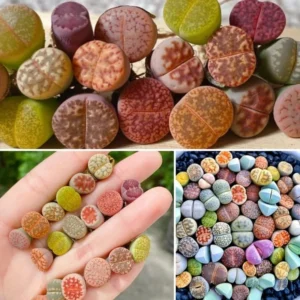
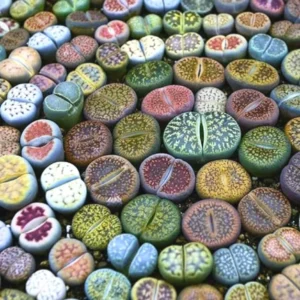
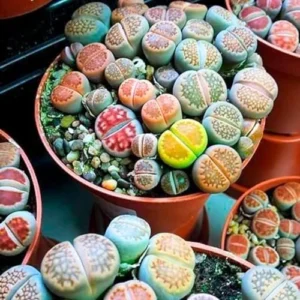
Lithops Live Plants Mix – 10 Large Colorful Living Stones Succulents for Indoor/Outdoor Growing
Sold 59 products
Original price was: $27.98.$13.99Current price is: $13.99.
HousePlants
Lithops Live Plants Mix – 30 Colorful Succulents – Living Stones for Indoor/Outdoor Planting
Sold 68 products
Original price was: $65.98.$32.99Current price is: $32.99.






Reviews
There are no reviews yet.