
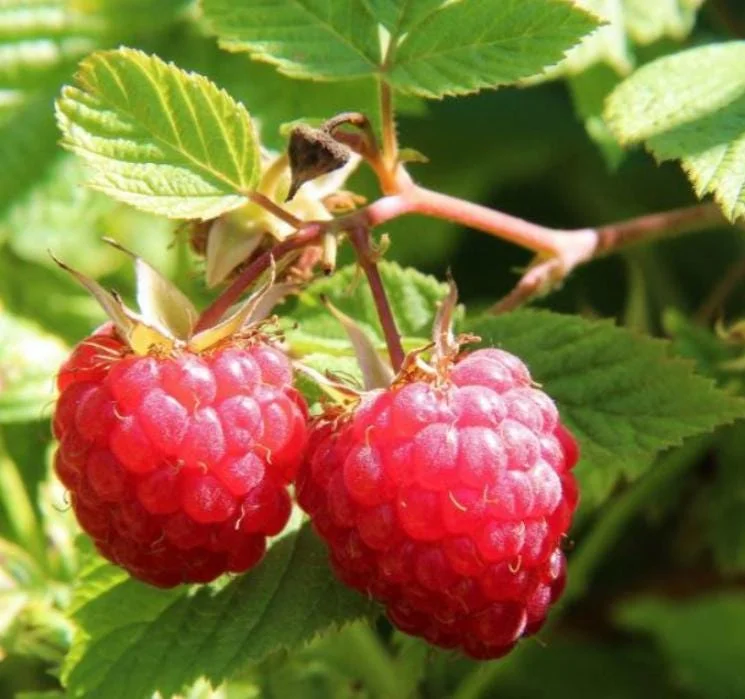
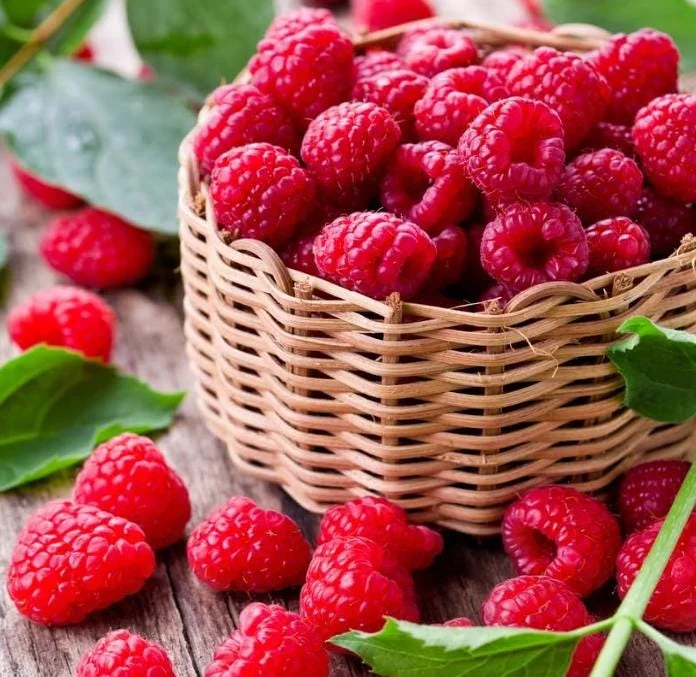
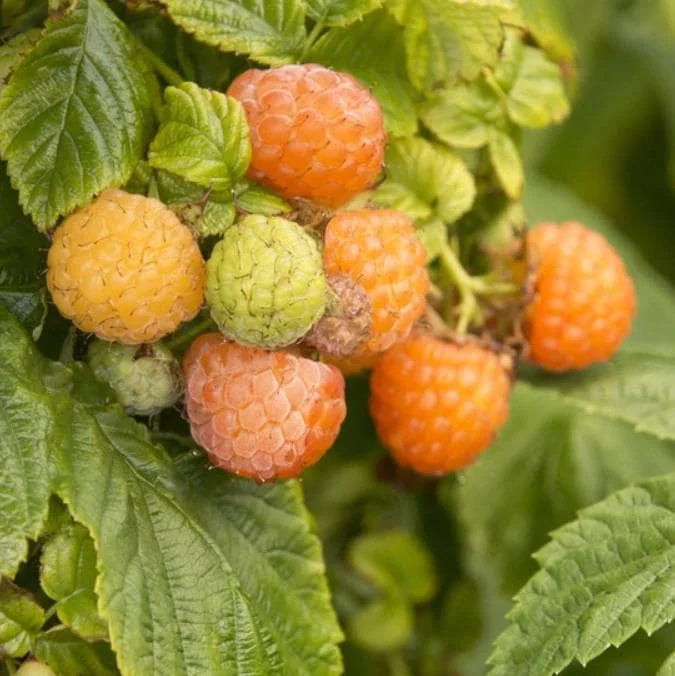
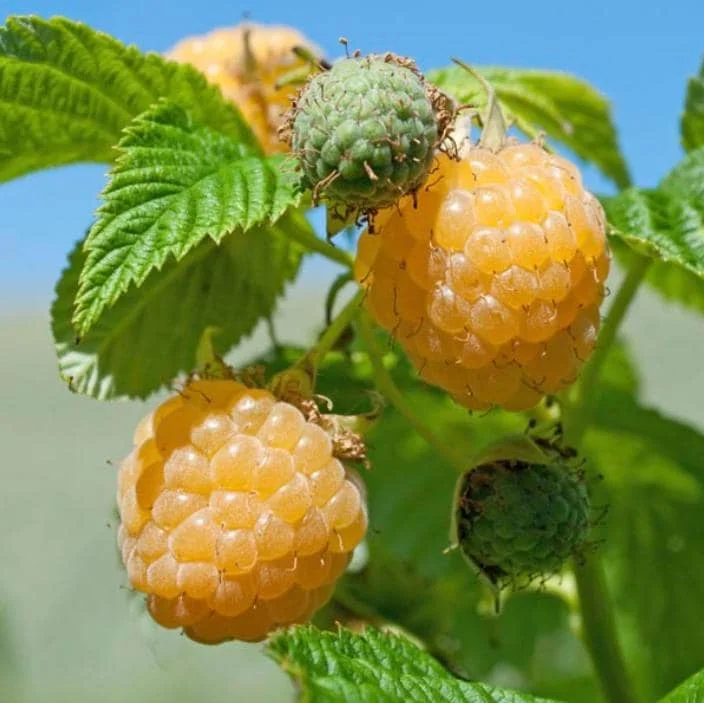
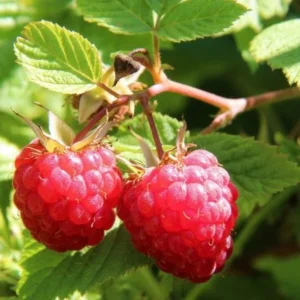

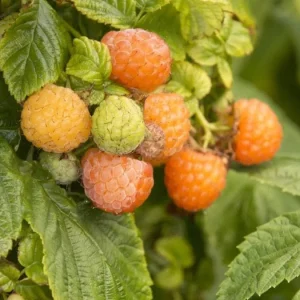
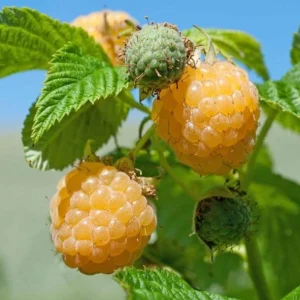
Raspberry Live Plant – 2-5″ Tall – Rubus idaeus – Hardy Berry Bush for Garden & Containers
Original price was: $26.39.$18.47Current price is: $18.47.
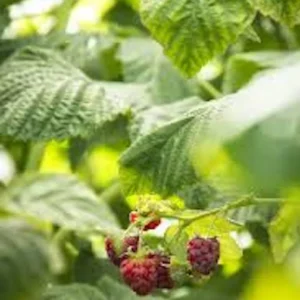
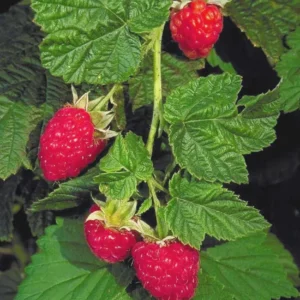
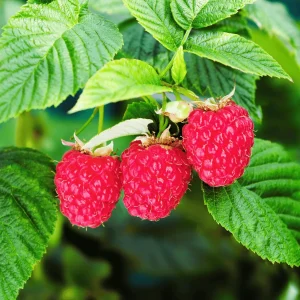
Cultivate your own sweet and juicy berries with this raspberry live plant. Measuring 2-5 inches tall, this young hardy berry plant is ready to thrive in your garden or container. Enjoy fresh, homegrown fruit from the Rubus idaeus plant, known for its robust growth and delicious yield.
-
USDA Hardiness Zone
USDA Zones 4-8 -
Soil Type
Well-draining, loamy soil -
Sunlight Exposure
Full sun -
Expected Planting Period
Early spring

You can track your order HERE
Oct 13
Oct 18 - Oct 20
Oct 23 - Oct 27
Shipping and return policies: Our Alive & Thrive Guarantee covers issues with your plants within the first 30 days. Reach out to us. Our team will answer your questions and help you find the plants that are truly suitable for your environment, climate, and personal preferences.

Overview
Experience the joy of harvesting your own delicious fruit with this raspberry live plant. This young Rubus idaeus plant, typically shipped at 2-5 inches tall, is a fantastic addition to any home garden, container collection, or small orchard. Known for its vigorous growth and abundant, sweet berries, the raspberry is a beloved fruit worldwide. Whether you’re a seasoned gardener or just starting, this hardy berry plant offers a rewarding growing experience, transforming from a small plant into a productive bush that yields succulent fruit. Its natural beauty and edible bounty make it a perfect choice for those seeking both ornamental and practical value in their outdoor spaces. This particular variety is selected for its hardiness, ensuring it can withstand various climates and provide a consistent harvest.
The common name ‘Raspberry’ is widely recognized, but its scientific name, Rubus idaeus plant, highlights its botanical classification within the rose family. This plant is celebrated not only for its tasty fruit but also for its resilience and adaptability. It’s an excellent choice for creating edible landscapes, adding texture to garden beds, or simply enjoying fresh berries right from the bush. Imagine the delight of picking sun-ripened raspberries for breakfast, desserts, or preserves, all from your very own garden. This raspberry live plant offers an accessible way to integrate fresh, organic produce into your daily life.
Key Benefits
Bringing a raspberry live plant into your garden offers numerous advantages, from fresh produce to ecological benefits. These plants are not only productive but also contribute to the biodiversity of your outdoor space, attracting beneficial pollinators.
- Fresh, Homegrown Fruit: Enjoy the unparalleled taste of raspberries picked fresh from your own garden. There’s nothing quite like the flavor of sun-ripened berries, free from pesticides and chemicals, directly from your hardy berry plant.
- High in Nutrients: Raspberries are packed with vitamins, antioxidants, and fiber, making them a healthy addition to your diet. Growing your own ensures you have a constant supply of these beneficial fruits.
- Versatile Use: Fresh raspberries are perfect for eating out of hand, adding to cereals, yogurts, smoothies, or baking into pies and pastries. They can also be used to make jams, jellies, and sauces.
- Attractive Garden Addition: Beyond their fruit, raspberry live plant bushes offer attractive foliage and delicate flowers, enhancing the aesthetic appeal of your garden or patio.
- Supports Pollinators: The flowers of the Rubus idaeus plant attract bees and other beneficial insects, contributing to a healthy garden ecosystem.
- Container Growing Potential: This raspberry live plant can be successfully grown in large containers, making it suitable for patios, balconies, and smaller outdoor spaces, allowing more people to grow raspberries.
- Economical & Sustainable: Growing your own raspberries reduces reliance on store-bought produce, saving money and promoting sustainable living practices. It’s a satisfying way to connect with your food source.
Plant Care & Growing Tips
To successfully grow raspberries and ensure a bountiful harvest from your raspberry live plant, proper care is essential. Raspberries are generally hardy, but understanding their specific needs will help them thrive. They prefer a location that receives full sun, meaning at least 6-8 hours of direct sunlight per day. Good air circulation is also important to prevent fungal diseases. For soil, raspberries prefer well-draining, slightly acidic to neutral soil (pH 6.0-6.8) that is rich in organic matter. Amending heavy clay soils with compost or peat moss can improve drainage and fertility.
Watering is crucial, especially during dry spells and fruit development. Aim for consistent moisture, but avoid waterlogging, as this can lead to root rot. A good rule of thumb is to water deeply once or twice a week, checking the soil moisture regularly. Mulching around the base of the hardy berry plant with straw, wood chips, or shredded leaves can help retain soil moisture, suppress weeds, and regulate soil temperature. Fertilize your Rubus idaeus plant in early spring with a balanced fertilizer or compost. Pruning is vital for raspberry production and plant health. Different types of raspberries (primocane-fruiting vs. floricane-fruiting) have different pruning requirements, so research your specific variety. Generally, remove weak, diseased, or dead canes, and thin out overcrowded areas to improve air circulation and light penetration. This diligent raspberry plant care will ensure your plant remains productive.
Protecting your raspberry live plant from pests and diseases is another key aspect of successful raspberry plant care. Common issues include aphids, Japanese beetles, and fungal diseases like anthracnose. Regular inspection and prompt action, such as hand-picking pests or applying organic sprays, can help manage these problems. In colder climates, providing winter protection, such as covering the plants or applying a thick layer of mulch, can help the canes survive the freezing temperatures. With these tips, you’ll be well on your way to enjoying a thriving raspberry patch and a delicious harvest.
Size & Details
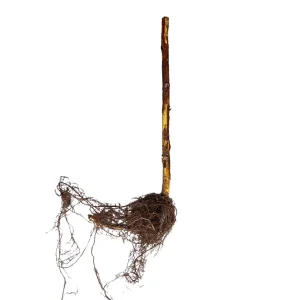
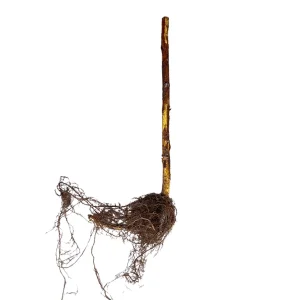
This offering is for a young raspberry live plant, typically measuring 2-5 inches tall upon shipment. It arrives without a pot, as a bare root or small starter plant, ready for immediate planting in your garden or a larger container. The absence of a pot reduces shipping stress and allows for easier transplanting. While initially small, this hardy berry plant is a vigorous grower and will quickly establish itself when given the right conditions. Raspberry bushes can eventually reach heights of 3-6 feet and spread 2-4 feet wide, depending on the variety and growing environment. Expect your plant to begin producing fruit within 1-2 years of planting, with increasing yields as it matures. The growth rate is moderate to fast, allowing you to enjoy fresh berries relatively quickly from your new Rubus idaeus plant.
Frequently Asked Questions
- Q: How big does this raspberry live plant get? A: This raspberry live plant is typically shipped at 2-5 inches tall. Once established, mature raspberry bushes can reach heights of 3-6 feet and spread 2-4 feet wide, depending on the variety and growing conditions.
- Q: Is this an indoor or outdoor plant? A: Raspberries are primarily outdoor plants that thrive in full sunlight. While they can be started indoors, they need to be transplanted outside to produce fruit and reach their full potential.
- Q: How much sunlight does it need to grow raspberries? A: To successfully grow raspberries, your plant will need at least 6-8 hours of direct sunlight per day. Full sun exposure is crucial for optimal fruit production and plant health.
- Q: Is this plant easy to care for? A: Yes, this hardy berry plant is relatively easy to care for once established. Key aspects of raspberry plant care include consistent watering, proper pruning, and adequate sunlight.
- Q: What condition will it arrive in? A: Your raspberry live plant will arrive as a small, young plant, typically without a pot (bare root or small starter plant), ready for immediate planting. We ensure it’s carefully packaged for safe transit.
- Q: When is the best time to plant this raspberry live plant? A: The best time to plant this Rubus idaeus plant is in early spring after the last frost, allowing it ample time to establish roots before summer heat or winter dormancy.
- Q: Will it survive winter in my zone? A: Raspberries are known to be very hardy. The specific hardiness zone depends on the variety, but most are suitable for USDA Zones 4-8. Providing winter protection like mulch can help in colder regions.
- Q: Can I grow this raspberry live plant in a container? A: Yes, you can successfully grow raspberries in large containers, especially compact varieties. Ensure the container is at least 15-20 gallons and has good drainage.
- Q: How long until it produces fruit? A: You can typically expect your raspberry live plant to start producing fruit within 1-2 years after planting, with yields increasing significantly as the plant matures.
- Q: What type of soil does a raspberry live plant prefer? A: This hardy berry plant thrives in well-draining, slightly acidic to neutral soil (pH 6.0-6.8) that is rich in organic matter. Adding compost can greatly benefit soil structure and fertility.
Be the first to review “Raspberry Live Plant – 2-5″ Tall – Rubus idaeus – Hardy Berry Bush for Garden & Containers”
People Also Viewed

Seeds
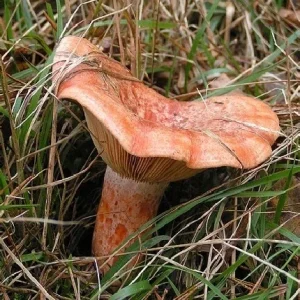
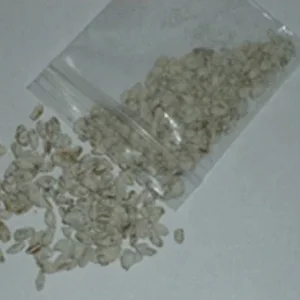
Saffron Milk Cap Mycelium Spawn (Lactarius deliciosus) on Dry Seeds – Outdoor Mushroom Cultivation
Sold 69 products
Original price was: $36.00.$18.00Current price is: $18.00.






%20on%20Dry%20Seeds%20–%20Outdoor%20Mushroom%20Cultivation&url=https://gardennursery.net/product/saffron-milk-cap-mycelium-spawn-lactarius-deliciosus-on-dry-seeds-outdoor-mushroom-cultivation/&media=https://img.gardennursery.net/2026/03/saffron-milk-cap-mycelium-spawn-lactarius-delicios-a4290927.webp)


Reviews
There are no reviews yet.