
Quaking Aspen Live Plant – 4in Pot, 8in Tall Tree – Outdoor Deciduous
Original price was: $31.00.$23.99Current price is: $23.99.
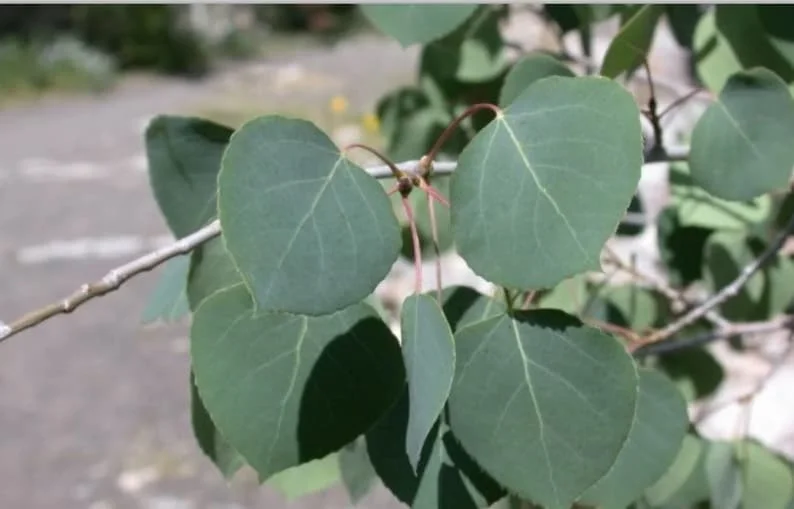
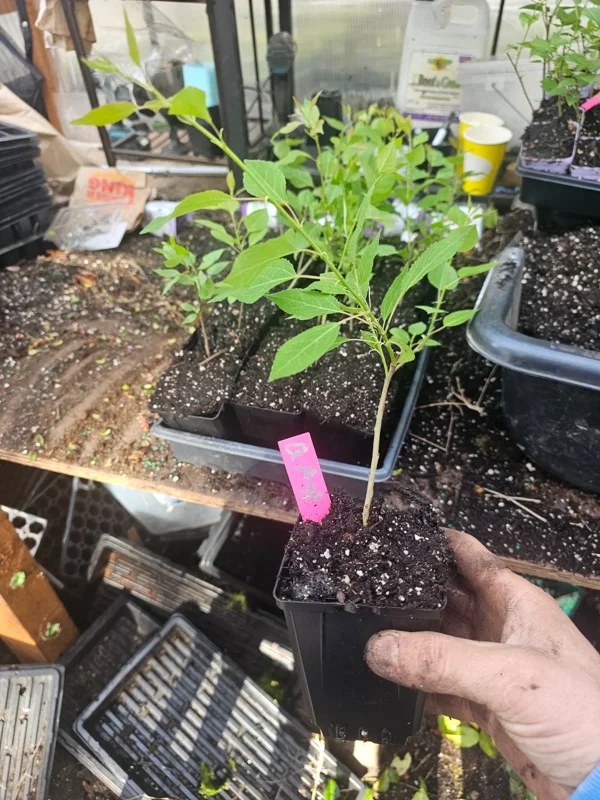
Add the iconic beauty of a quaking aspen live plant to your garden. This 8-inch tall specimen, rooted in a 4-inch pot, is ready to thrive. Known for its shimmering leaves and striking fall color, it’s a perfect choice for creating a natural, serene landscape. Ideal for zones 1-7.
Out of stock
-
USDA Hardiness Zone
USDA Zones 1-7 -
Soil Type
Moist, well-draining sandy loam or gravelly soils -
Sunlight Exposure
Full sun (6-8 hours daily) -
Expected Planting Period
Early spring or fall

You can track your order HERE
Aug 25
Aug 30 - Sep 01
Sep 04 - Sep 08
Shipping and return policies: Our Alive & Thrive Guarantee covers issues with your plants within the first 30 days. Reach out to us. Our team will answer your questions and help you find the plants that are truly suitable for your environment, climate, and personal preferences.

Overview
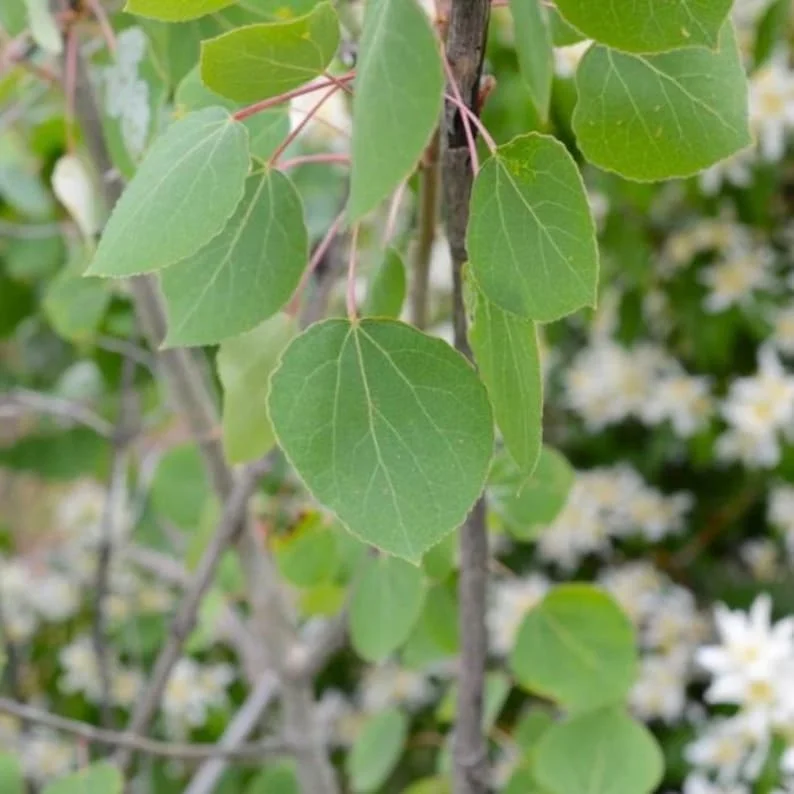
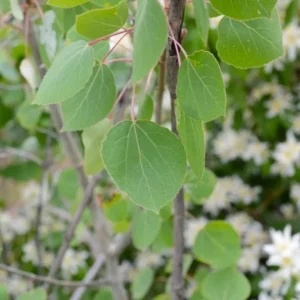
Introduce the majestic beauty of the quaking aspen live plant to your outdoor space. Known scientifically as Populus tremuloides, this deciduous tree is celebrated for its distinctive heart-shaped leaves that “quake” or shimmer in the slightest breeze, creating a soothing rustling sound. This particular specimen arrives as an 8-inch tall live plant, securely rooted in a 4-inch nursery pot, perfectly sized for transplanting into your garden or a larger container. The quaking aspen live plant is a fast-growing native tree, offering a stunning display of golden-yellow foliage in the autumn, making it a focal point in any landscape. Its slender, graceful trunk and branches add an elegant touch, while its ability to form groves creates a truly immersive natural experience. Ideal for those looking to establish a native habitat, create windbreaks, or simply enjoy a tree with year-round appeal, this aspen is a wonderful addition to any temperate climate garden.
The Quaking Aspen is one of the most widely distributed trees in North America, thriving in a variety of conditions and elevations. Its resilience and striking appearance make it a favorite among landscapers and home gardeners alike. Beyond its visual charm, the quaking aspen tree care is relatively straightforward once established, making it a rewarding plant for both novice and experienced gardeners. Whether you’re aiming to restore a natural area or simply enhance your backyard with a touch of wilderness, this young aspen offers a promising start.
Key Benefits
The quaking aspen live plant offers a multitude of benefits, making it an excellent choice for a wide range of landscapes and gardening goals. Its unique characteristics contribute significantly to both aesthetic appeal and ecological value.
- Stunning Visual Appeal: The most iconic feature of the Quaking Aspen is its leaves, which tremble and shimmer in the breeze, creating a mesmerizing visual and auditory effect. In autumn, these leaves transform into a brilliant golden-yellow, providing a spectacular seasonal display that enhances any garden or landscape.
- Fast Growth Rate: This tree is known for its relatively fast growth, allowing you to establish a mature-looking landscape more quickly. This rapid development means you can enjoy its full beauty and benefits sooner.
- Native Habitat Support: As a native North American species, the Quaking Aspen provides valuable habitat and food sources for local wildlife, including birds and mammals. Planting this tree contributes to local biodiversity and ecological balance.
- Erosion Control: Due to its extensive root system, the quaking aspen live plant is effective in stabilizing soil and preventing erosion, especially on slopes or in areas prone to runoff. This makes it a practical choice for land management.
- Distinctive Bark: The smooth, greenish-white bark of young aspens adds year-round interest, especially in winter when the leaves have fallen. As the tree matures, the bark can develop darker fissures, adding character.
- Adaptability: Quaking Aspens are highly adaptable to a range of soil types and climates, thriving in USDA zones 1-7. This makes them a versatile choice for many different regions and garden conditions, simplifying the process to grow quaking aspen successfully.
- Natural Soundscape: The characteristic rustling sound of the leaves in the wind creates a serene and calming atmosphere in your garden, offering a unique sensory experience.
Plant Care & Growing Tips
To successfully grow quaking aspen, it’s important to provide the right conditions and consistent care, especially during its establishment phase. These trees are generally hardy but thrive best with attention to their specific needs. When considering an aspen tree for landscape, ensure you have adequate space and understand its growth habits.
Sunlight Requirements: Quaking Aspens prefer full sun, meaning at least 6-8 hours of direct sunlight per day. While they can tolerate partial shade, their growth will be less vigorous, and fall color may not be as vibrant. When planting, choose a location that receives ample sunlight throughout the day. Watering Schedule and Soil Moisture: Consistent moisture is crucial for young aspens. Water regularly, especially during dry spells and the first few years after planting, ensuring the soil remains evenly moist but not waterlogged. Once established, they are somewhat drought-tolerant but will benefit from supplemental watering during prolonged dry periods. Good drainage is essential to prevent root rot.
Soil Type and Drainage Requirements: These trees prefer moist, well-drained, sandy loam or gravelly soils. They can adapt to a range of soil pH, from acidic to slightly alkaline. Avoid heavy clay soils that retain too much water, as this can lead to issues. Amending the soil with organic matter can improve drainage and fertility. Temperature Range and USDA Hardiness Zone: Quaking Aspens are incredibly cold-hardy, thriving in USDA Zones 1-7. They are well-adapted to cold winters and enjoy cooler summer temperatures. Protection from extreme heat and prolonged dry conditions, especially when young, is beneficial. Fertilization Schedule and Type: Fertilize young trees in spring with a balanced, slow-release granular fertilizer formulated for trees and shrubs. Follow package instructions for application rates. Once established, aspens typically don’t require heavy fertilization unless soil nutrients are severely lacking. A soil test can help determine specific nutrient needs.
Common Problems and Solutions: Aspens can be susceptible to certain pests and diseases, including borers, leaf miners, and cankers. Maintaining tree health through proper watering, optimal growing conditions, and avoiding stress can help prevent many issues. Inspect your tree regularly for signs of distress. Prompt removal of affected branches and, if necessary, appropriate organic pest control methods can help manage problems. Understanding proper quaking aspen tree care will help ensure a healthy and thriving tree.
Size & Details
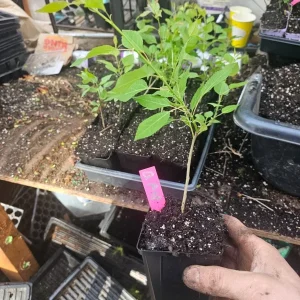
This offering is for one quaking aspen live plant, which arrives approximately 8 inches tall, measured from the soil line. It is provided in a 4-inch nursery pot, ensuring its root system is well-established and ready for transplanting. Quaking Aspens are known for their rapid growth rate, often growing 2-4 feet per year under ideal conditions. Mature trees typically reach heights of 40-60 feet with a spread of 20-30 feet, though some specimens can grow even taller. This young plant is ideal for immediate planting in your garden or for potting up into a larger container as it grows. It ships as a healthy, rooted plant, carefully packaged to ensure safe arrival. Expect vibrant growth and the characteristic shimmering leaves to develop as the plant establishes itself in its new environment. With proper quaking aspen tree care, this young tree will quickly become a prominent feature in your landscape, providing a beautiful fall display and natural elegance.
Frequently Asked Questions
- Q: How big does this Quaking Aspen plant get? A: This particular plant arrives at approximately 8 inches tall in a 4-inch pot. Mature quaking aspen live plant trees typically reach heights of 40-60 feet with a spread of 20-30 feet, growing 2-4 feet per year under optimal conditions.
- Q: Is this an indoor or outdoor plant? A: The quaking aspen live plant is an outdoor deciduous tree. It requires a cold dormancy period and ample space to grow, making it unsuitable for long-term indoor cultivation.
- Q: How much sunlight does it need? A: Quaking Aspens thrive in full sun, requiring at least 6-8 hours of direct sunlight daily for the best growth and most vibrant fall color.
- Q: Is this plant easy to care for? A: Once established, Quaking Aspens are relatively low-maintenance. They require consistent watering when young and well-draining soil. Understanding specific quaking aspen tree care practices will ensure its health.
- Q: What condition will it arrive in? A: Your quaking aspen live plant will arrive as a healthy, rooted specimen in its 4-inch nursery pot, carefully packaged to minimize stress during shipping.
- Q: When is the best time to plant a Quaking Aspen? A: The best time to plant a Quaking Aspen is in early spring or fall when temperatures are moderate. This allows the tree to establish its root system before extreme weather conditions.
- Q: Will it survive winter in my zone? A: Yes, Quaking Aspens are exceptionally cold-hardy and thrive in USDA Hardiness Zones 1-7, making them suitable for most northern climates.
- Q: Can I grow this as an ornamental aspen tree for landscape? A: Absolutely! The Quaking Aspen is an excellent choice for ornamental landscaping, providing beautiful fall color, unique leaf movement, and an elegant form.
- Q: What kind of soil does it prefer? A: Quaking Aspens prefer moist, well-drained, sandy loam or gravelly soils. Good drainage is crucial to prevent root issues.
- Q: How far apart should I plant multiple Quaking Aspens? A: If planting multiple trees to form a grove or windbreak, space them at least 10-15 feet apart to allow for proper growth and air circulation. This ensures each populus tremuloides for sale has adequate room.
Be the first to review “Quaking Aspen Live Plant – 4in Pot, 8in Tall Tree – Outdoor Deciduous”
People Also Viewed
Sold 88 products
Original price was: $32.98.$15.99Current price is: $15.99.
Sold 98 products
Original price was: $208.00.$104.00Current price is: $104.00.
Sold 52 products
Original price was: $47.96.$29.98Current price is: $29.98.
Sold 51 products
From $17.50
Sold 79 products
From $4.50
Sold 64 products
Original price was: $31.99.$11.99Current price is: $11.99.
Sold 67 products
Original price was: $58.36.$39.18Current price is: $39.18.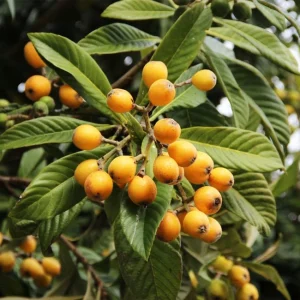
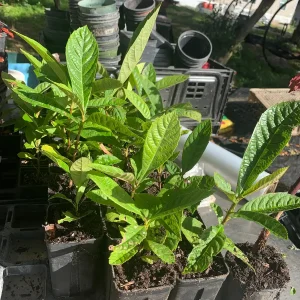
Sold 78 products
Original price was: $208.00.$124.00Current price is: $124.00.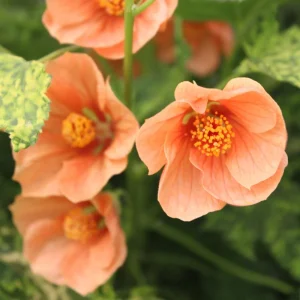
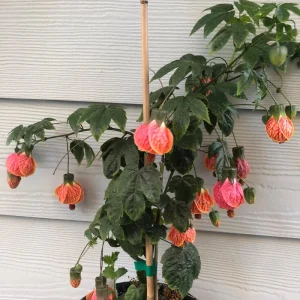
Sold 77 products
Original price was: $32.98.$21.99Current price is: $21.99.
Sold 88 products
$16.50
Sold 72 products
Original price was: $35.18.$15.99Current price is: $15.99.
Sold 51 products
Original price was: $30.78.$20.52Current price is: $20.52.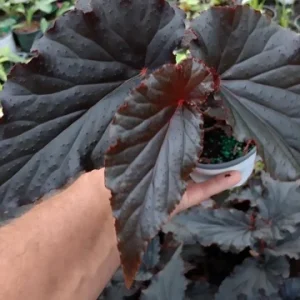
HousePlants
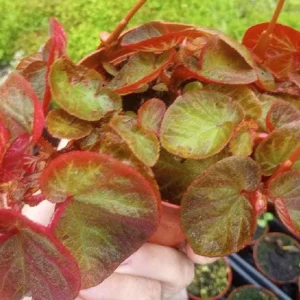
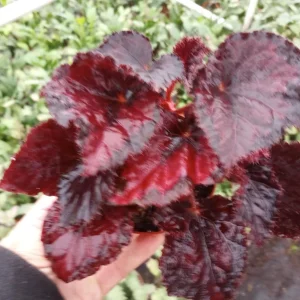
Begonia Angel Wing Black Live Starter Plant – 4 inch Tall – Rare Tropical Beauty – Shade Loving
Sold 90 products
Original price was: $41.78.$27.85Current price is: $27.85.
Sold 60 products
Original price was: $72.00.$46.00Current price is: $46.00.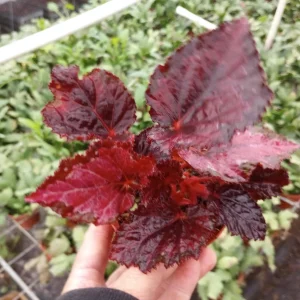
Sold 80 products
Original price was: $37.38.$15.99Current price is: $15.99.
Sold 65 products
Original price was: $37.38.$15.99Current price is: $15.99.
Sold 60 products
Original price was: $35.18.$15.99Current price is: $15.99.
Sold 57 products
$28.50


%20–%202%20Gallon%20Pot%20–%20Edible%20Fruit%20Tree&url=https://gardennursery.net/product/loquat-tree-live-plant-eriobotrya-japonica-2-gallon-pot-edible-fruit-tree/&media=https://img.gardennursery.net/2026/01/loquat-tree-live-plant-eriobotrya-japonica-2-gallo.webp)


Reviews
There are no reviews yet.