
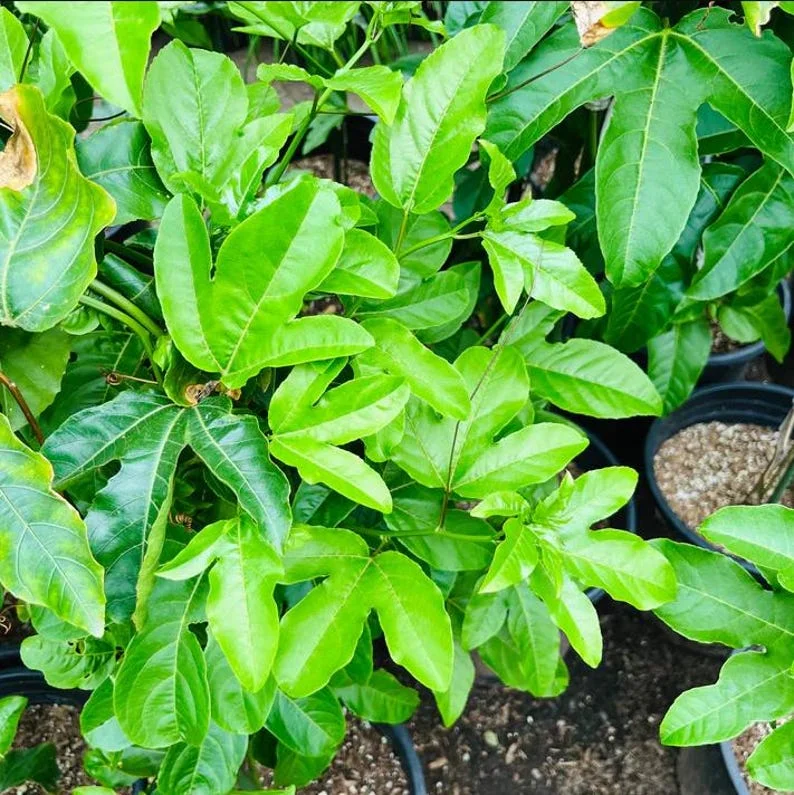
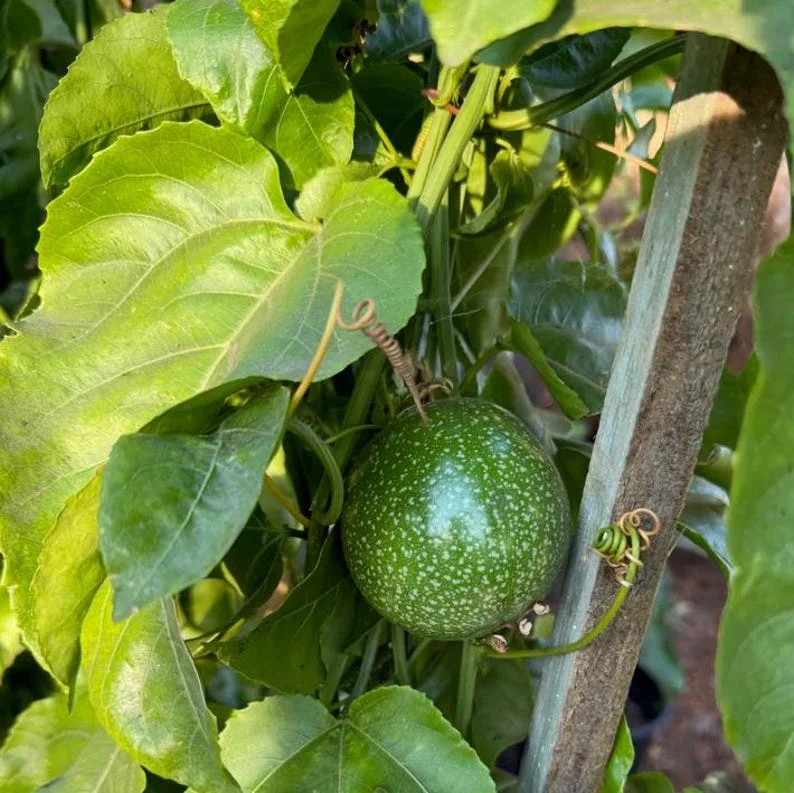
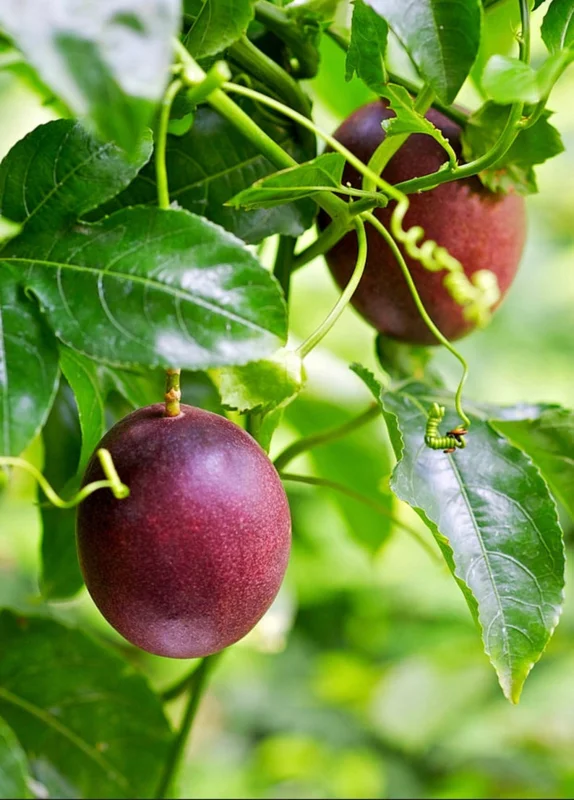
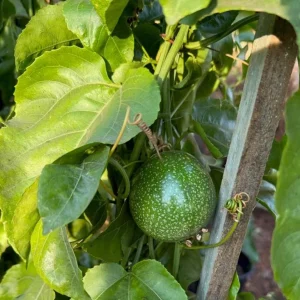
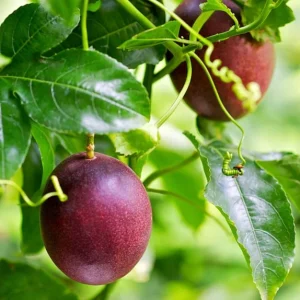
Purple Passion Fruit Live Plant – 4 inch Pot – Outdoor Vine
Original price was: $27.78.$24.16Current price is: $24.16.
Bring the exotic taste of the tropics to your garden with this purple passion fruit plant. This vibrant vine, supplied in a 4-inch pot, is ready to be transplanted and start producing delicious, aromatic fruits. Ideal for trellises or fences.
-
USDA Hardiness Zone
USDA Zones 9-11 -
Soil Type
Well-draining, fertile loam -
Sunlight Exposure
Full sun (6+ hours direct) -
Expected Planting Period
Spring to early summer

You can track your order HERE
Sep 28
Oct 03 - Oct 05
Oct 08 - Oct 12
Shipping and return policies: Our Alive & Thrive Guarantee covers issues with your plants within the first 30 days. Reach out to us. Our team will answer your questions and help you find the plants that are truly suitable for your environment, climate, and personal preferences.

Overview
Cultivate your own tropical paradise with the exquisite purple passion fruit plant. Known botanically as Passiflora edulis, this vigorous climbing vine is celebrated for its stunning flowers and incredibly flavorful, aromatic fruits. Originating from South America, the purple passion fruit is a highly sought-after delicacy, perfect for fresh eating, juices, and desserts. Our live plant, delivered in a convenient 4-inch nursery pot, provides a head start on growing your own harvest. Whether you’re an experienced gardener or just starting your journey into tropical edibles, growing passion fruit offers a rewarding and delicious experience. Get ready to enjoy the unique taste of this fantastic fruit right from your backyard.
The purple passion fruit plant is a rapid grower, quickly covering trellises, arbors, or fences with lush green foliage and captivating blooms. These plants are not only productive but also incredibly decorative, adding a touch of exotic beauty to any landscape. The deep purple, round fruits are packed with a sweet-tart pulp that is rich in vitamins and antioxidants. Discover the joy of harvesting your own fresh, ripe passion fruit.
Key Benefits
Adding a purple passion fruit plant to your garden offers a multitude of benefits, from its aesthetic appeal to its culinary delights. Here are some of the advantages you’ll enjoy:
-
Delicious, Aromatic Fruits
Harvest your own supply of delectable purple passion fruit, renowned for its sweet, tangy, and highly aromatic pulp. Perfect for eating fresh, making juices, or enhancing desserts, the flavor of homegrown passion fruit is unparalleled.
-
Stunning Ornamental Value
The intricate and exotic flowers of the Passiflora edulis are a true spectacle, featuring vibrant purples, whites, and blues. These blooms add an extraordinary visual appeal to your garden, making it a focal point of beauty.
-
Vigorous Growth & Quick Production
This fast-growing vine quickly establishes itself, providing lush coverage for trellises, fences, or pergolas. With proper care, you can expect to enjoy your first harvest relatively soon after planting, making growing passion fruit a truly rewarding endeavor.
-
Rich in Nutrients
Passion fruit is not only delicious but also a healthy addition to your diet, packed with vitamins A and C, fiber, and antioxidants. Enjoy a nutritious boost straight from your garden.
-
Attracts Pollinators
The vibrant flowers of the purple passion fruit plant are highly attractive to bees and other pollinators, contributing to a healthy and thriving garden ecosystem. This supports not only your passion fruit production but also other plants in your yard.
-
Versatile Culinary Uses
Beyond fresh consumption, the pulp can be used in a wide array of recipes, from tropical drinks and smoothies to cheesecakes and sauces. The versatility of this tropical fruit plant makes it a kitchen staple.
Plant Care & Growing Tips
To ensure your purple passion fruit plant thrives and produces abundant fruit, understanding its care requirements is essential. This tropical vine prefers a warm, sunny environment. Plant it in a location where it receives at least 6 hours of direct sunlight each day. While it can tolerate some partial shade, full sun promotes the best flowering and fruiting. Ensure it has a sturdy support structure like a trellis, arbor, or fence to climb, as it is a vigorous grower.
Watering is crucial, especially during dry periods and when the plant is establishing itself or actively fruiting. Keep the soil consistently moist but never waterlogged. Good drainage is key to prevent root rot. For soil, a well-draining, fertile loam with a slightly acidic to neutral pH (6.0-7.0) is ideal. Amend heavy clay soils with organic matter to improve drainage and aeration. Fertilize your passiflora edulis vine regularly during the growing season with a balanced fertilizer, switching to a high-potassium fertilizer once flowering begins to encourage fruit production.
Purple passion fruit plants are generally hardy in USDA Zones 9-11. In cooler climates, they can be grown in containers and brought indoors during winter, or treated as annuals. Protect young plants from frost. Pruning is important to manage growth, encourage branching, and improve air circulation, which helps prevent diseases. Prune after the main fruiting season, removing dead, diseased, or overcrowded stems. Keep an eye out for common pests like aphids and scale, and treat them promptly with organic insecticidal soaps if necessary. Consistent care will ensure a healthy and productive tropical fruit plant.
Size & Details
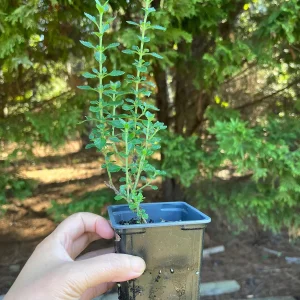
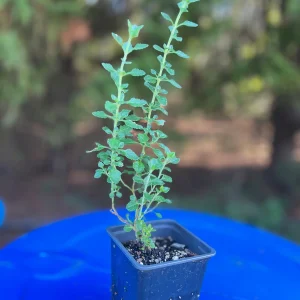
This purple passion fruit plant is supplied as a healthy, actively growing vine in a 4-inch nursery pot. At the time of shipping, the plant typically stands between 6 to 12 inches tall, ready for immediate transplanting into your garden or a larger container. With its vigorous growth habit, this vine can quickly reach lengths of 15 to 20 feet or more in a single season when provided with adequate support and optimal growing conditions. Expect the plant to begin flowering and fruiting within 1 to 2 years after planting, depending on climate and care.
The 4-inch pot size ensures the plant has a well-developed root system, making it robust and resilient for transplanting. This is an excellent starter plant to establish your own source of delicious passion fruit. The mature fruits typically develop within 70-80 days after flowering, offering a continuous harvest throughout the warmer months. This purple passion fruit plant is a versatile addition to any garden, providing both ornamental beauty and a bountiful yield of exotic flavor.
Frequently Asked Questions
- Q: How big does this purple passion fruit plant get?
A: This vine is a vigorous grower and can reach lengths of 15 to 20 feet or more with proper support. It spreads rapidly, so provide ample space or a sturdy trellis for it to climb. - Q: Is this an indoor or outdoor plant?
A: The purple passion fruit plant is primarily an outdoor plant, thriving in warm, sunny climates. In colder zones (below USDA Zone 9), it can be grown in containers and brought indoors during winter, or cultivated as an annual. - Q: How much sunlight does it need?
A: This plant requires at least 6 hours of direct sunlight per day to flower and fruit optimally. Full sun is best, but it can tolerate some partial shade in very hot climates. - Q: Is this plant easy to care for?
A: While it requires consistent watering and support, growing passion fruit is relatively straightforward for gardeners in suitable climates. It’s considered a moderate-care plant once established. - Q: What condition will it arrive in?
A: Your plant will arrive as a healthy, actively growing vine in a 4-inch nursery pot, carefully packaged to ensure its safety during transit. It will be ready for transplanting upon arrival. - Q: Can I use the fruit in cooking?
A: Absolutely! Purple passion fruit is highly prized for its culinary versatility. The sweet-tart pulp is excellent in juices, smoothies, desserts, sauces, and as a topping for yogurt or ice cream. - Q: How long until it produces fruit?
A: With good care, your passiflora edulis vine can begin to flower and produce fruit within 1 to 2 years after planting. The fruits typically mature 70-80 days after successful pollination. - Q: What’s the best time to plant a purple passion fruit plant?
A: The best time to plant is in spring or early summer after all danger of frost has passed, allowing the plant ample time to establish itself before cooler weather. - Q: What type of soil does it prefer?
A: It thrives in well-draining, fertile soil with a slightly acidic to neutral pH (6.0-7.0). Amending with organic matter will improve soil structure and fertility. - Q: Is this tropical fruit plant susceptible to pests?
A: Like many plants, it can occasionally encounter pests like aphids or spider mites. Regular inspection and prompt treatment with organic pest control methods usually keep these issues in check.
Be the first to review “Purple Passion Fruit Live Plant – 4 inch Pot – Outdoor Vine”
People Also Viewed
Sold 68 products
Original price was: $36.00.$28.80Current price is: $28.80.


Sold 60 products
Original price was: $96.76.$48.38Current price is: $48.38.

Flower Plants
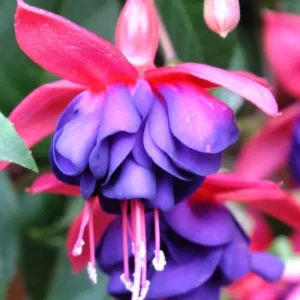
White Pink Fuchsia Live Plants – Hardy Flower, 2 Plugs, 3-5″ Tall, for Hanging Baskets & Containers
Sold 78 products
Original price was: $47.98.$23.99Current price is: $23.99.






%20–%20Mentzelia%20lindleyi%20Golden%20Wildflower%20–%20Drought%20Tolerant%20Pollinator%20Seeds&url=https://gardennursery.net/product/blazing-star-seeds-50-count-mentzelia-lindleyi-golden-wildflower-drought-tolerant-pollinator-seeds/&media=https://img.gardennursery.net/2026/04/blazing-star-seeds-50-count-mentzelia-lindleyi-gol-04a05994.webp)


Reviews
There are no reviews yet.