
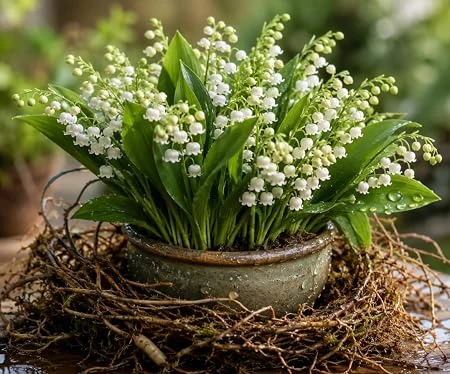
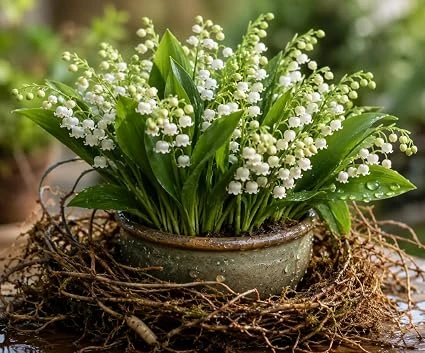
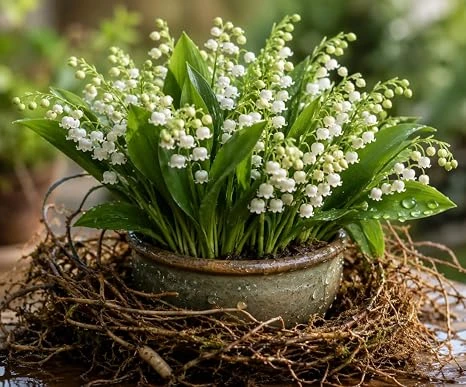
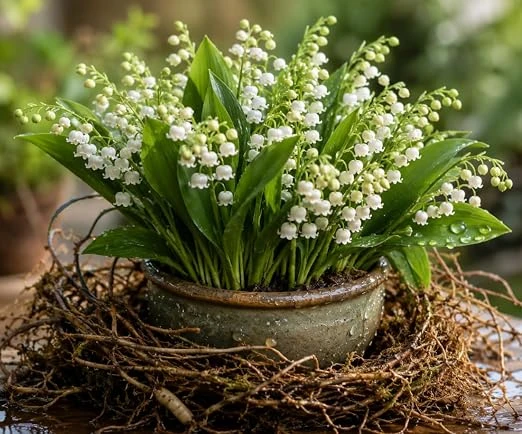
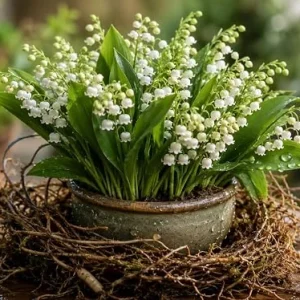
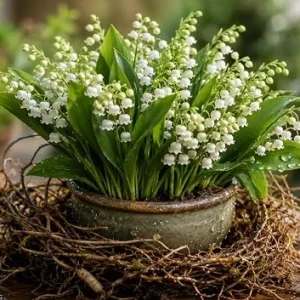
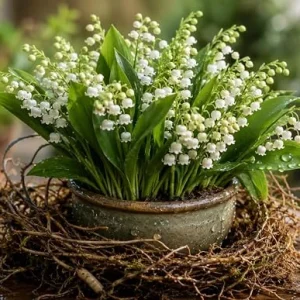
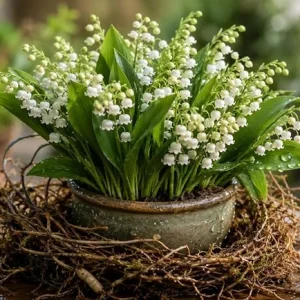
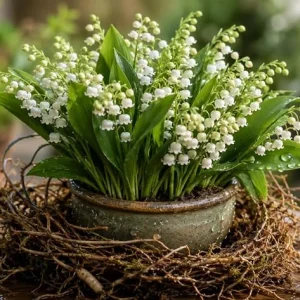
Lily of the Valley Bare Root Rhizomes – 15 Pack, Fragrant White Blooms, 4-6 Inch
Original price was: $58.08.$29.04Current price is: $29.04.
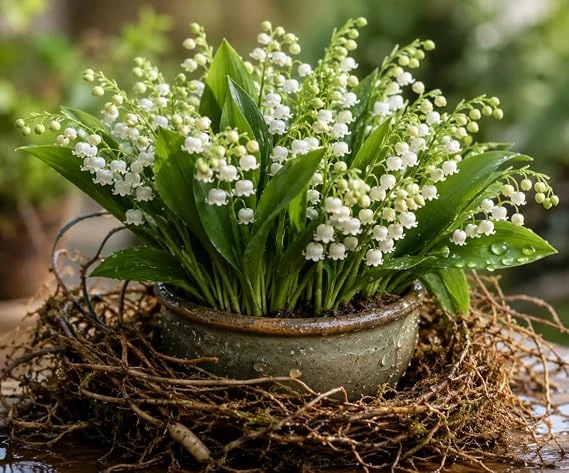
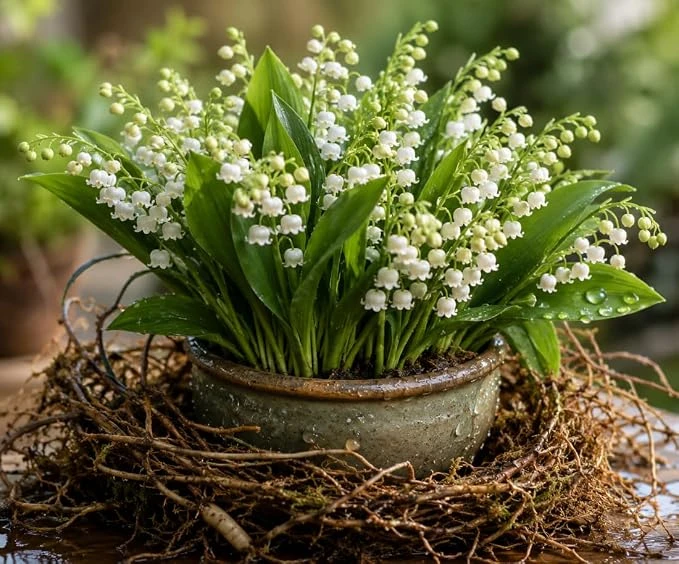
Bring enchanting fragrance and delicate beauty to your garden with this set of 15 Lily of the Valley bare roots. Each rhizome is 4-6 inches long, ready for easy planting. Perfect for creating a charming spring display with sweet, white bell-shaped flowers that thrive in shaded areas.
-
USDA Hardiness Zone
USDA Zones 2-7 -
Soil Type
Rich, well-draining soil with organic matter -
Sunlight Exposure
Partial to full shade -
Expected Planting Period
Early spring or fall

You can track your order HERE
Oct 30
Nov 04 - Nov 06
Nov 09 - Nov 13
Shipping and return policies: Our Alive & Thrive Guarantee covers issues with your plants within the first 30 days. Reach out to us. Our team will answer your questions and help you find the plants that are truly suitable for your environment, climate, and personal preferences.

Overview
Transform your garden into a fragrant sanctuary with our premium selection of lily of the valley bare roots. This exquisite offering includes 15 fresh rhizomes, each measuring a healthy 4 to 6 inches long, providing a robust foundation for a thriving garden. Known scientifically as Convallaria majalis, lily of the valley is celebrated for its delicate, bell-shaped white flowers and intensely sweet fragrance that heralds the arrival of spring. These easy-to-plant bare roots are an ideal choice for gardeners looking to establish a charming and low-maintenance groundcover, perfect for shaded borders, woodland gardens, or containers. Experience the timeless elegance and captivating aroma that these May Bells bring to any outdoor space, creating a picturesque scene with minimal effort.
Our lily of the valley bare roots are carefully selected to ensure vigorous growth and abundant blooms. They arrive ready for planting, making the process straightforward for both novice and experienced gardeners. These resilient plants are renowned for their ability to naturalize and spread, forming lush carpets of greenery that beautifully complement their pristine white flowers. Embrace the joy of cultivating these iconic spring blooms, and let their enchanting presence elevate the beauty and sensory experience of your garden.
Key Benefits
The lily of the valley bare roots offer a multitude of advantages for gardeners seeking beauty, fragrance, and ease of care. These charming plants are a delightful addition to any landscape, providing a host of benefits that enhance your outdoor living space.
- Enchanting Fragrance: Enjoy the classic, sweet, and powerful perfume that emanates from the delicate white bell-shaped flowers, creating an intoxicating aroma throughout your garden in spring. This makes the fragrant lily of the valley a sensory delight.
- Beautiful Spring Blooms: Adorn your garden with elegant white blossoms that emerge in spring, adding a touch of purity and sophistication. The pristine flowers provide a striking contrast against lush green foliage.
- Low Maintenance & Easy to Grow: These bare root rhizomes are incredibly easy to plant and require minimal ongoing care once established, making them perfect for busy gardeners or beginners. They are a resilient and rewarding choice.
- Thrives in Shade: Ideal for difficult shaded or partially shaded areas where many other plants struggle, lily of the valley flourishes, bringing life and color to often-overlooked garden spots. It’s an excellent solution for woodland gardens.
- Excellent Groundcover: With its spreading nature, lily of the valley forms a dense, attractive groundcover, suppressing weeds and providing year-round greenery (in suitable climates) after its spring bloom.
- Versatile Planting Options: Suitable for garden beds, borders, containers, or naturalizing in woodland settings, offering flexibility in how you incorporate this beautiful plant into your landscape.
- Long-Lasting Appeal: Once established, these plants return year after year, providing reliable beauty and fragrance each spring, becoming a cherished part of your garden’s seasonal display.
Plant Care & Growing Tips
Caring for your lily of the valley bare roots is straightforward, ensuring a successful and beautiful display in your garden. These resilient plants prefer specific conditions to thrive, rewarding you with their iconic fragrant blooms. For optimal growth, plant your rhizomes in a location that receives partial to full shade. While they can tolerate some morning sun, intense afternoon sun can scorch their leaves. A woodland setting or an area beneath deciduous trees is often ideal, mimicking their natural habitat. Ensure the soil is consistently moist but well-draining, as soggy conditions can lead to rot. Incorporating organic matter, such as compost, into the planting area will improve soil structure and moisture retention, benefiting your may bells plant.
When planting, place the rhizomes about 1-2 inches deep and 4-6 inches apart, with the pointed growing tips facing upwards. Water thoroughly after planting to settle the soil. During dry periods, especially in their first year, provide supplemental watering to keep the soil evenly moist. Once established, lily of the valley is quite drought-tolerant but will perform best with regular moisture. Fertilization is generally not heavily required; a light application of a balanced slow-release granular fertilizer in early spring can promote vigorous growth and abundant flowering. These plants are hardy in USDA Zones 2-7, tolerating cold winters and returning reliably each spring. Watch out for slugs and snails, which can sometimes be a minor issue; organic slug baits or hand-picking can help manage them. Understanding convallaria majalis care ensures your plants flourish.
Size & Details
This offering includes 15 individual lily of the valley bare root rhizomes, each meticulously selected for health and vigor. Each rhizome measures between 4 to 6 inches in length, providing a substantial start for your garden. These bare roots are delivered dormant and ready for planting upon arrival, ensuring easy establishment. Lily of the valley typically grows to a mature height of 6-12 inches tall, forming a lush groundcover. The plants have a moderate to fast growth rate, quickly spreading to fill in desired areas, especially in ideal shaded conditions. Expect the enchanting white bell-shaped flowers to emerge in spring, usually from April to May, depending on your local climate and hardiness zone.
Once planted, the rhizomes will begin to establish their root system, with foliage appearing a few weeks later. While the first year may see fewer blooms as the plant focuses on root development, subsequent years will bring increasingly abundant floral displays. These plants are shipped without soil or pots, making them lightweight and easy to handle. Their compact size allows for easy planting in various garden settings, from expansive borders to smaller containers, bringing the sweet fragrance and delicate beauty of lily of the valley to any space.
Frequently Asked Questions
- Q: How big does this plant get? A: Lily of the valley typically grows to a height of 6-12 inches tall. It spreads to form a dense groundcover, with individual rhizomes extending over time to create a lush carpet of foliage and flowers.
- Q: Is this an indoor or outdoor plant? A: Lily of the valley bare roots are primarily intended for outdoor planting. They thrive in outdoor garden beds, borders, and woodland settings, preferring shaded to partially shaded environments. While they can be forced indoors for temporary blooms, their natural habitat is outdoors.
- Q: How much sunlight does it need? A: Lily of the valley prefers partial to full shade. It performs best in areas that receive dappled sunlight or shade throughout the day, especially protection from harsh afternoon sun. This makes it an excellent choice for a shade garden plant.
- Q: Is this plant easy to care for? A: Yes, lily of the valley is considered very easy to care for. Once established, it is quite low-maintenance, requiring consistent moisture but tolerating some dry periods. It’s a robust plant that spreads readily.
- Q: What condition will it arrive in? A: The product will arrive as 15 dormant, bare root rhizomes, each measuring 4-6 inches long. They are ready for immediate planting upon delivery and will begin to sprout once planted in suitable conditions.
- Q: How long until it blooms? A: Lily of the valley typically blooms in spring, usually from April to May. While you might see some blooms in the first year, the plant often establishes its root system more fully, leading to more abundant flowering in subsequent years.
- Q: Will it survive winter in my zone? A: Yes, lily of the valley is very cold hardy, thriving in USDA Zones 2-7. It is deciduous in colder climates, with foliage dying back in winter and reappearing in spring.
- Q: When is the best time to plant these bare roots? A: The best time to plant lily of the valley bare roots is in early spring or fall. This allows the rhizomes to establish their root systems before extreme summer heat or winter cold sets in.
- Q: Is the fragrant lily of the valley deer resistant? A: Yes, lily of the valley is generally considered deer resistant due to its toxicity, which makes it unappealing to most browsing animals. This can be a great advantage for gardens in areas with deer populations.
- Q: What type of soil does it prefer? A: Lily of the valley prefers rich, well-draining soil that retains moisture. Amending the soil with organic matter like compost will provide the ideal growing environment for these plants.
Be the first to review “Lily of the Valley Bare Root Rhizomes – 15 Pack, Fragrant White Blooms, 4-6 Inch”
People Also Viewed




HousePlants
Variegated Philodendron Strawberry Shake Live Plant – Rare Pink & Yellow Foliage Houseplant
Sold 69 products
From $89.08







HousePlants
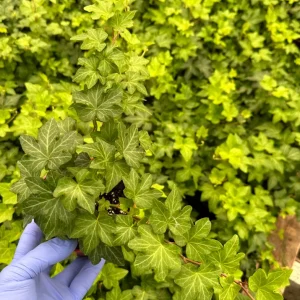
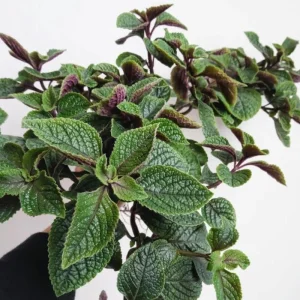
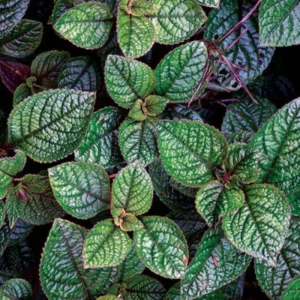
2 Green Swedish Ivy Live Plants, Plectranthus Verticillatus Trailing Houseplant, 4 Inch Pot
Sold 69 products
Original price was: $35.99.$20.99Current price is: $20.99.









Reviews
There are no reviews yet.