
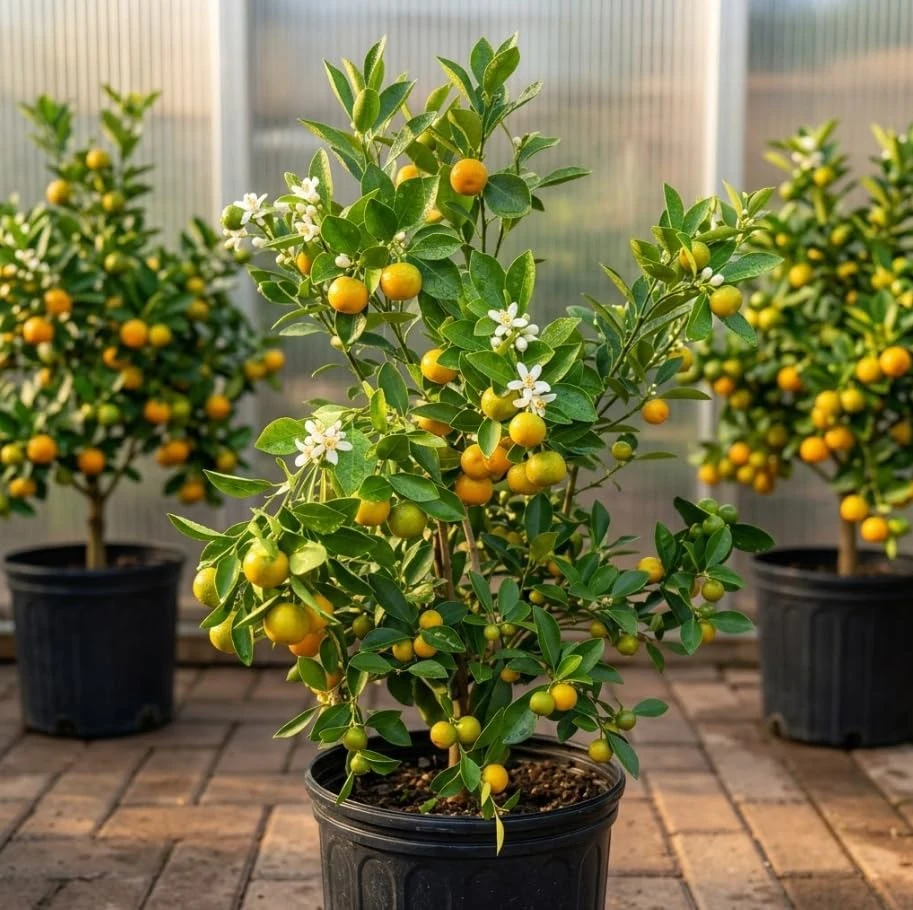
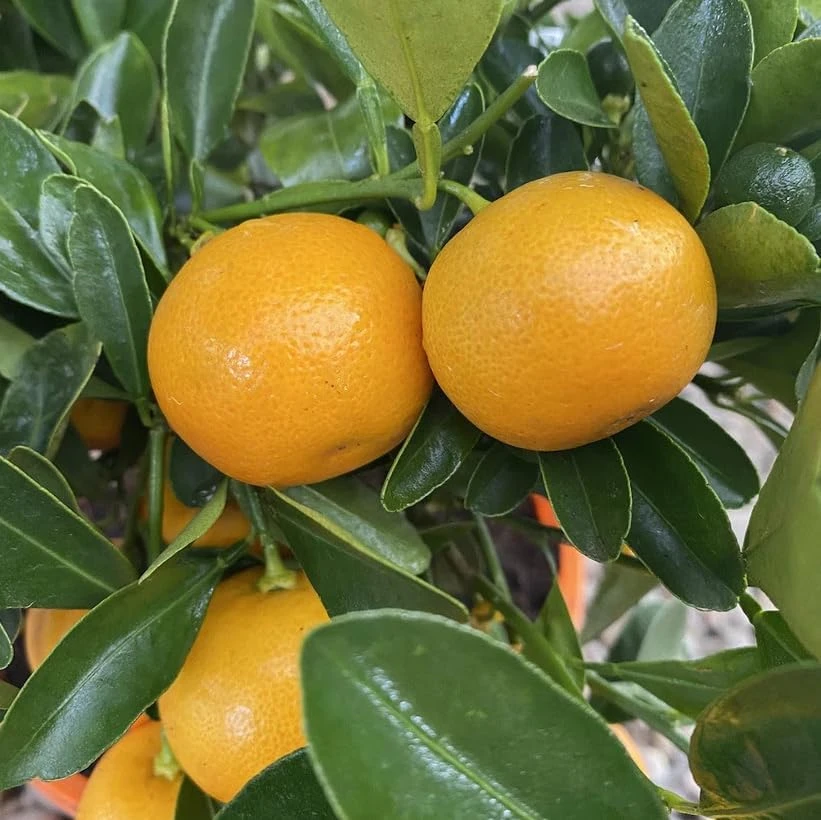
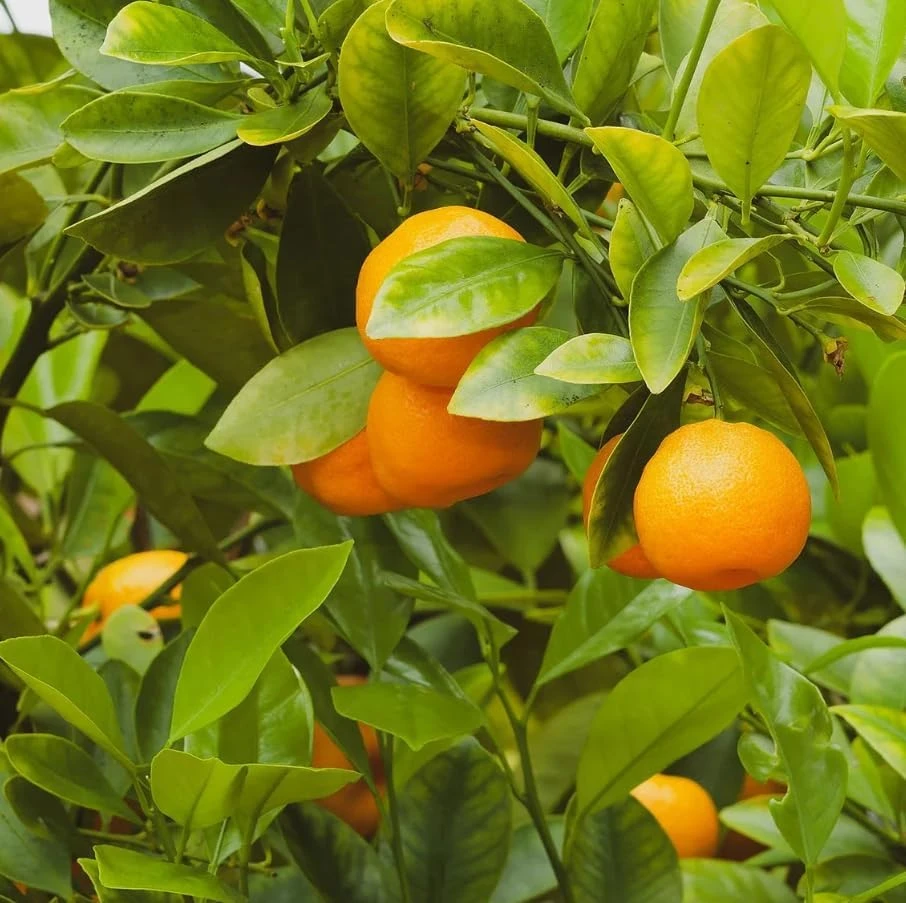
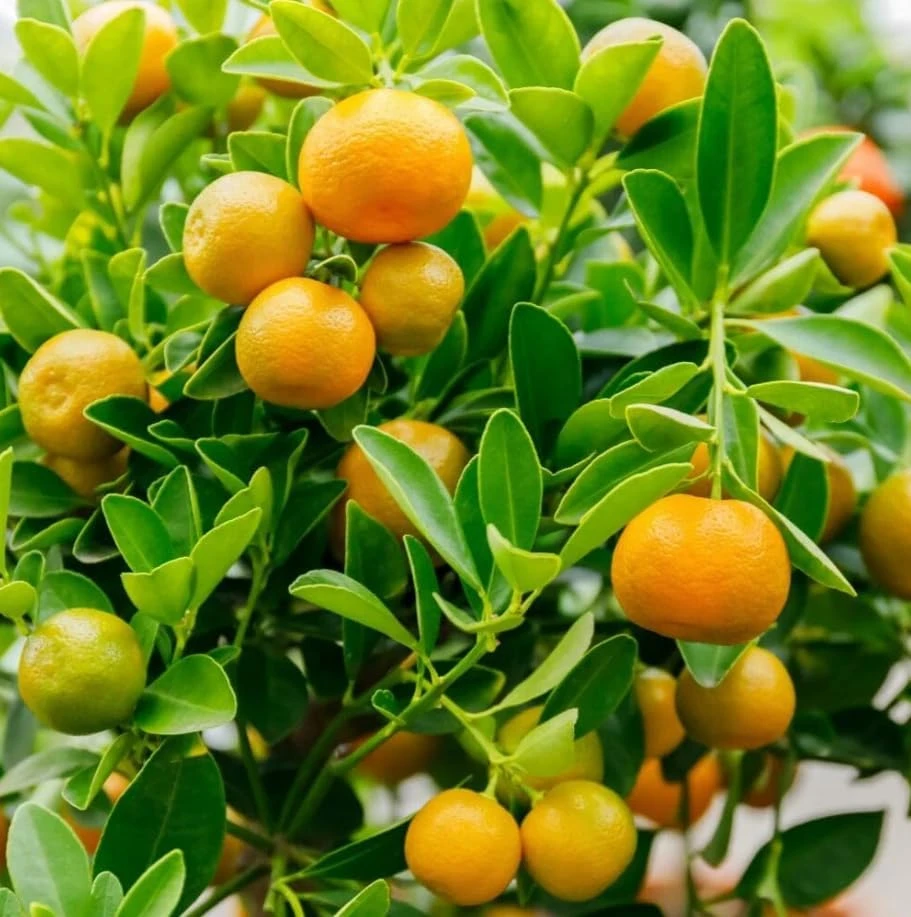
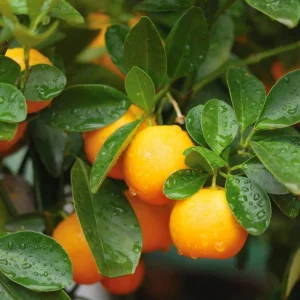
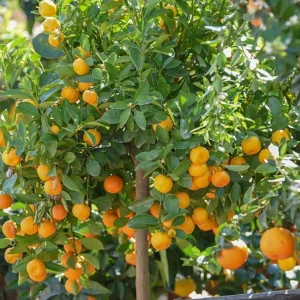
Grafted Orange Calamondin Live Plant – Calamansi Tree – 3 Gallon Pot – Indoor/Outdoor Citrus
Original price was: $181.96.$90.98Current price is: $90.98.
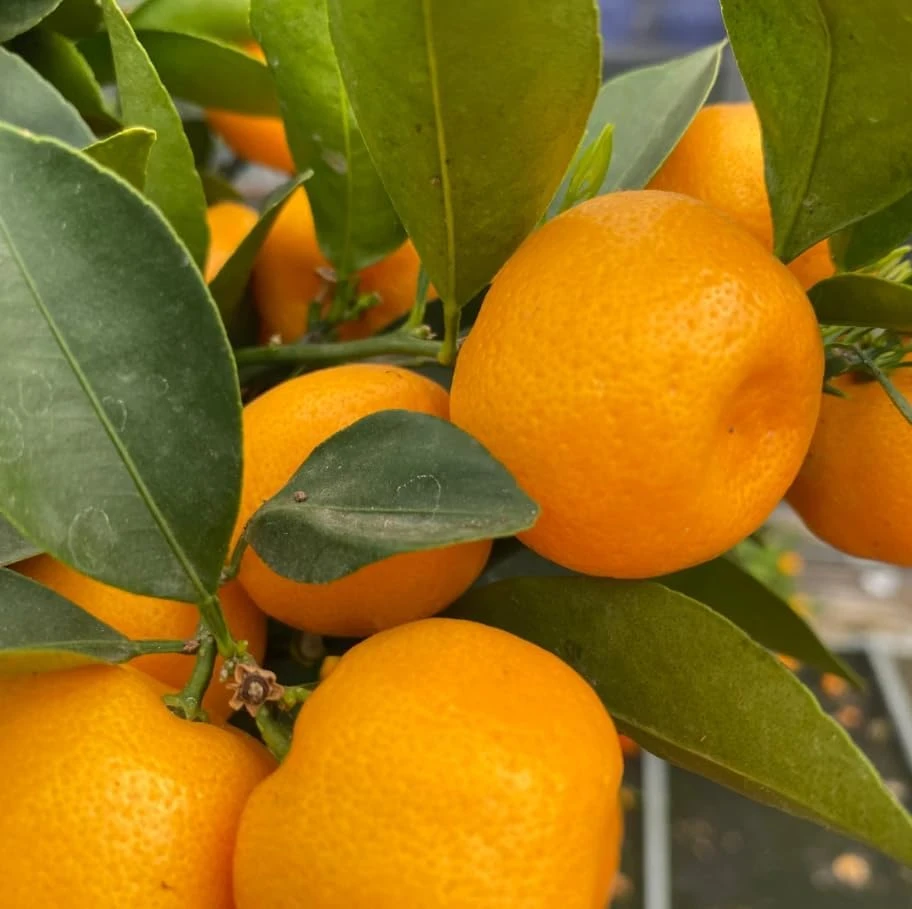
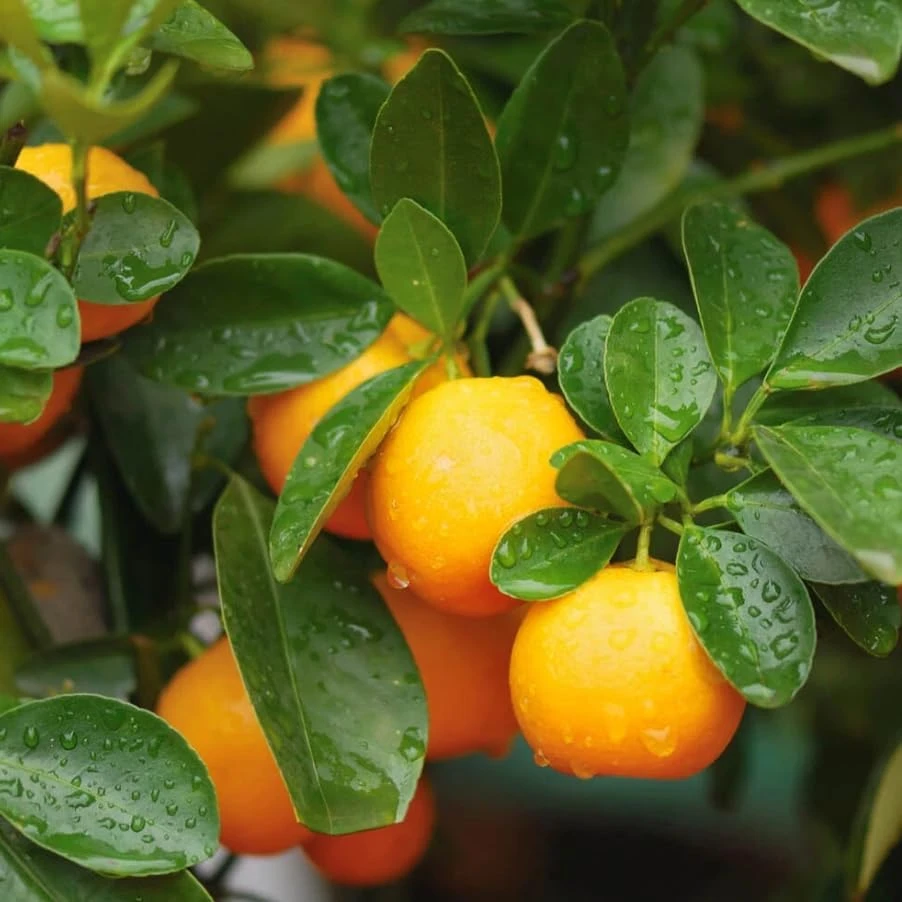
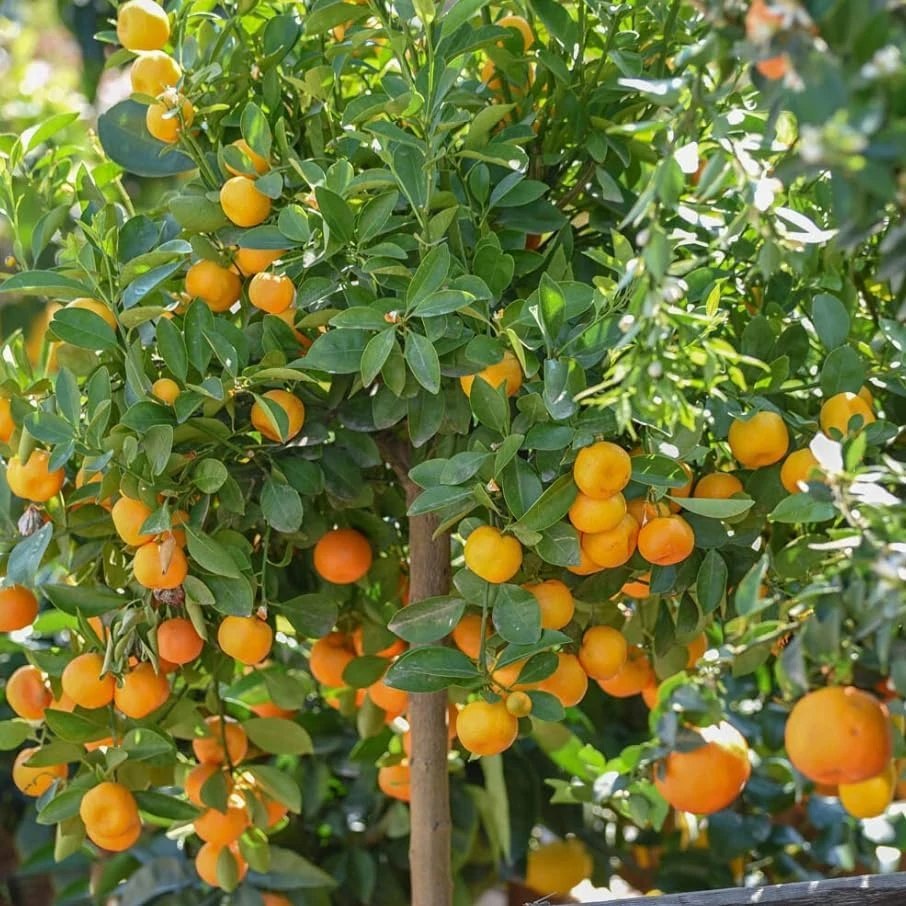
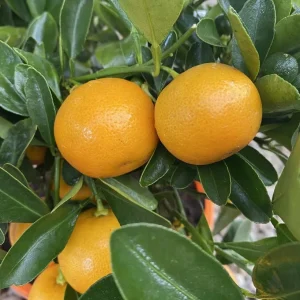
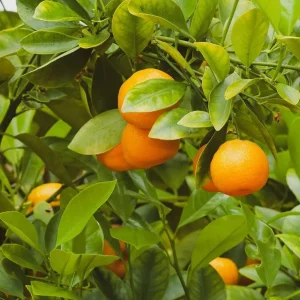
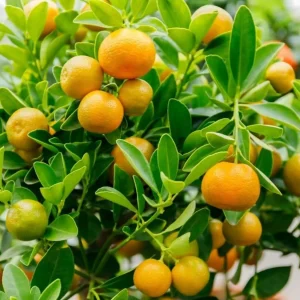
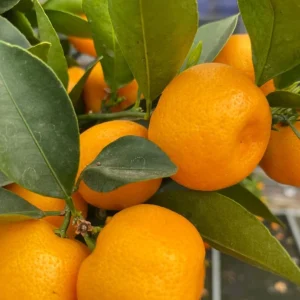
Bring home a beautiful grafted orange calamondin plant, also known as a Calamansi tree. This well-rooted 3-gallon plant is ideal for patios, balconies, or home gardens, producing fragrant white blossoms and small, round fruits that ripen to a bright orange. Enjoy fresh citrus and an attractive ornamental display.
-
USDA Hardiness Zone
USDA zones 9-11 (outdoors), all zones (indoors) -
Soil Type
Well-draining citrus potting mix or loamy soil -
Sunlight Exposure
Full sun (6-8 hours direct light) -
Expected Planting Period
Year-round indoors; Spring to early summer outdoors

You can track your order HERE
Oct 30
Nov 04 - Nov 06
Nov 09 - Nov 13
Shipping and return policies: Our Alive & Thrive Guarantee covers issues with your plants within the first 30 days. Reach out to us. Our team will answer your questions and help you find the plants that are truly suitable for your environment, climate, and personal preferences.

Overview
Cultivate your own delicious citrus with this thriving grafted orange calamondin plant. Also widely known as the Calamansi tree, this versatile citrus specimen is a fantastic addition to any home garden, patio, or greenhouse. Our well-rooted 3-gallon plant is ready to be transplanted into a larger container or directly into your garden, offering you the joy of growing your own fruit. The calamansi tree for sale is celebrated for its ease of care and abundant production of small, tangy, and aromatic fruits, which are a staple in many cuisines. Whether you’re an experienced gardener or just starting, this live citrus plant provides both ornamental beauty and a bountiful harvest.
The Calamondin citrus is a hybrid, often referred to as a miniature orange, though its flavor is distinctly tart, similar to a lime or kumquat. It’s an excellent choice for those seeking a compact fruit-bearing tree. The plant’s vibrant green foliage, fragrant white flowers, and colorful ripening fruits create an attractive display throughout the year, making it a truly rewarding plant to nurture. This particular grafted orange calamondin plant ensures robust growth and earlier fruit production compared to seed-grown varieties, giving you a head start on enjoying your own fresh Calamondin.
Key Benefits
Beyond its striking appearance, the grafted orange calamondin plant offers a multitude of benefits for both the gardener and the home. It’s not just a fruit producer but also a beautiful ornamental, adding a touch of tropical elegance to any setting. Here are some of the key advantages of growing this remarkable citrus tree:
- Abundant Fruit Production: Enjoy a steady supply of small, round Calamondin fruits that ripen from green to bright orange. These fruits are perfect for culinary uses, beverages, and desserts, offering a unique tangy flavor.
- Fragrant Blossoms: The plant produces delicate white flowers that emit a delightful, sweet citrus fragrance, enhancing the ambiance of your garden or patio.
- Compact & Ornamental: As a dwarf calamansi tree, it’s perfectly suited for container growing on patios, balconies, or even indoors in sunny locations. Its lush foliage and colorful fruits make it an attractive decorative plant.
- Versatile Growing: Thrives in warm climates outdoors and is equally successful as a container plant that can be moved indoors during colder months, adapting to various growing environments.
- Culinary & Medicinal Uses: Calamondin fruits are highly valued in cooking, for making refreshing drinks, and are also known for their rich vitamin C content and traditional medicinal applications.
- Grafted for Vigor: Grafting ensures a stronger root system, faster growth, and earlier, more reliable fruit production, giving you a healthier and more productive grafted orange calamondin plant.
Plant Care & Growing Tips
Caring for your grafted orange calamondin plant is straightforward, making it a rewarding experience for gardeners of all levels. This resilient citrus tree thrives with consistent care and the right environmental conditions. Ensure your plant receives ample sunlight, ideally 6-8 hours of direct sun per day. If grown indoors, place it near a south-facing window or supplement with a grow light to ensure sufficient light exposure for fruit production. Adequate light is crucial for the overall health and productivity of your live citrus plant.
Watering should be consistent but allow the top inch or two of soil to dry out between waterings to prevent root rot. Calamondins prefer well-draining soil; a good quality citrus potting mix is ideal for container-grown plants. When planting in the ground, ensure the soil is loose and drains effectively. Fertilize regularly during the growing season (spring through fall) with a balanced citrus-specific fertilizer, following the product’s instructions. Protect your plant from freezing temperatures; if you live in a colder climate (outside USDA zones 9-11), it’s best to grow your dwarf calamansi tree in a container so it can be moved indoors during winter.
Monitor your plant for common pests like aphids or spider mites and treat them promptly with organic insecticidal soap if necessary. Pruning can be done to maintain shape, size, and encourage bushier growth, typically after the main fruiting season. With proper calamondin care, your tree will flourish, producing beautiful blossoms and delicious fruits for years to come.
Size & Details
This grafted orange calamondin plant arrives as a well-established, live specimen growing in a 3-gallon nursery pot. The plant’s height will vary depending on its current growth stage and season, but it is typically ready for transplanting into a larger container (5-gallon or more) or directly into your garden upon arrival. Calamondin trees are known for their relatively compact growth habit, making them suitable for smaller spaces and container gardening. With proper care, a dwarf calamansi tree can reach a mature height of 6-10 feet when grown in the ground, and typically 4-6 feet in a container, depending on pruning.
The plant is carefully nurtured to ensure a strong root system, providing a robust foundation for continued growth in your home. You can expect your plant to be actively growing, and depending on the season, it may arrive with foliage only, or with developing flowers and even small fruits. The vigorous growth of this grafted orange calamondin plant means it will mature and begin to produce fruit reliably in a relatively short period, bringing the joy of home-grown citrus to your garden sooner.
Frequently Asked Questions
- Q: How big does this plant get? A: When grown in a 3-gallon pot, your grafted orange calamondin plant is a young tree. With proper care and transplanting into a larger container or the ground, it can reach 6-10 feet tall, though it’s easily maintained at 4-6 feet with pruning, especially as a dwarf calamansi tree.
- Q: What size pot does it come in? A: This live citrus plant is shipped in a sturdy 3-gallon nursery pot, providing ample space for its established root system. It’s ready for immediate transplanting upon arrival.
- Q: Is this an indoor or outdoor plant? A: The grafted orange calamondin plant is versatile. It thrives outdoors in USDA zones 9-11. In colder climates, it’s best grown as a container plant and moved indoors during winter months.
- Q: How much sunlight does it need? A: Calamondin trees require at least 6-8 hours of direct sunlight daily to flourish and produce fruit. If growing indoors, place it in the brightest available window or use a supplemental grow light.
- Q: Is this plant easy to care for? A: Yes, calamondin care is relatively easy, making it suitable for beginners. They need consistent watering, well-draining soil, plenty of sunlight, and regular fertilization during the growing season.
- Q: What condition will it arrive in? A: Your grafted orange calamondin plant will arrive well-rooted and carefully packaged to ensure its health. Depending on the season, it may have foliage, flowers, or small fruits.
- Q: Can I use calamondin fruit in cooking? A: Absolutely! Calamondin fruits are highly prized for their tart, unique flavor. They are excellent for making juices, marinades, sauces, desserts, and even cocktails.
- Q: How long until it blooms and fruits? A: As a grafted plant, your grafted orange calamondin plant is more mature than a seedling and can begin to bloom and fruit within one to two years of planting, sometimes even sooner if conditions are optimal.
- Q: What’s the minimum temperature it can tolerate? A: Calamondin trees are sensitive to frost. They prefer temperatures above 25°F (-4°C). If temperatures are expected to drop below this, bring your potted dwarf calamansi tree indoors.
- Q: Is this a true orange or a different citrus? A: While often called an “orange calamondin,” it’s a distinct hybrid citrus, not a true orange. Its flavor is much more tart, often compared to a lime or kumquat.
Be the first to review “Grafted Orange Calamondin Live Plant – Calamansi Tree – 3 Gallon Pot – Indoor/Outdoor Citrus”
People Also Viewed

Shrubs
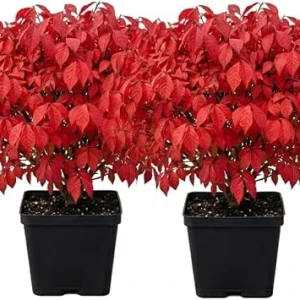
2 Dwarf Burning Bush Live Plants, Vibrant Scarlet Fall Color Shrub, 6-12″ Tall, 4″ Pot, Outdoor
Sold 100 products
Original price was: $33.98.$16.99Current price is: $16.99.






Sold 97 products
Original price was: $60.00.$48.00Current price is: $48.00.






Reviews
There are no reviews yet.