
Piggyback Plant Live Plant – 4-6 Inch Tall – Potted Houseplant Indoor
Original price was: $43.98.$29.32Current price is: $29.32.
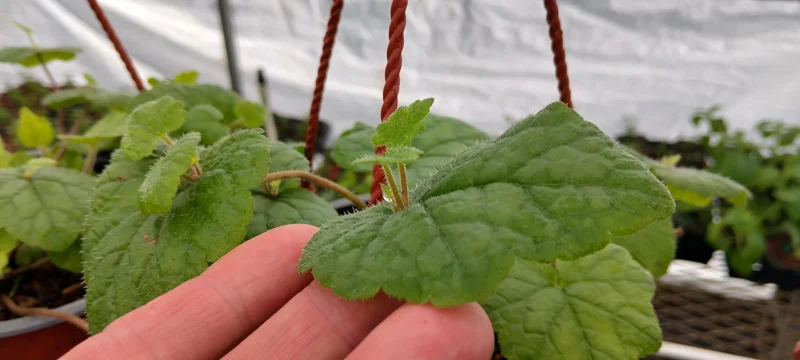
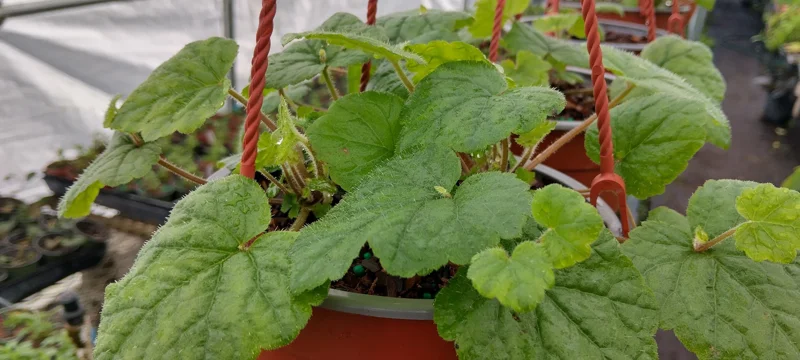
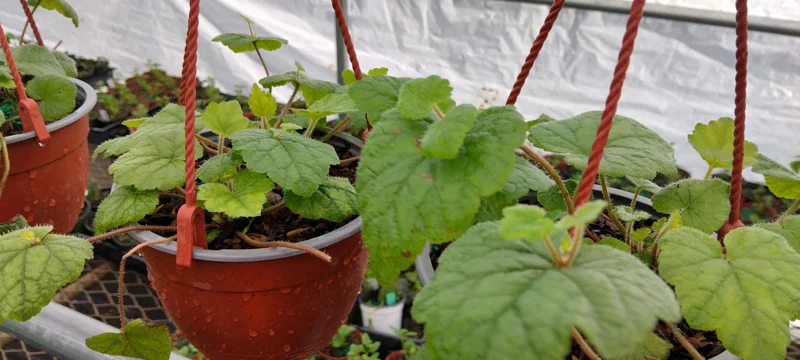
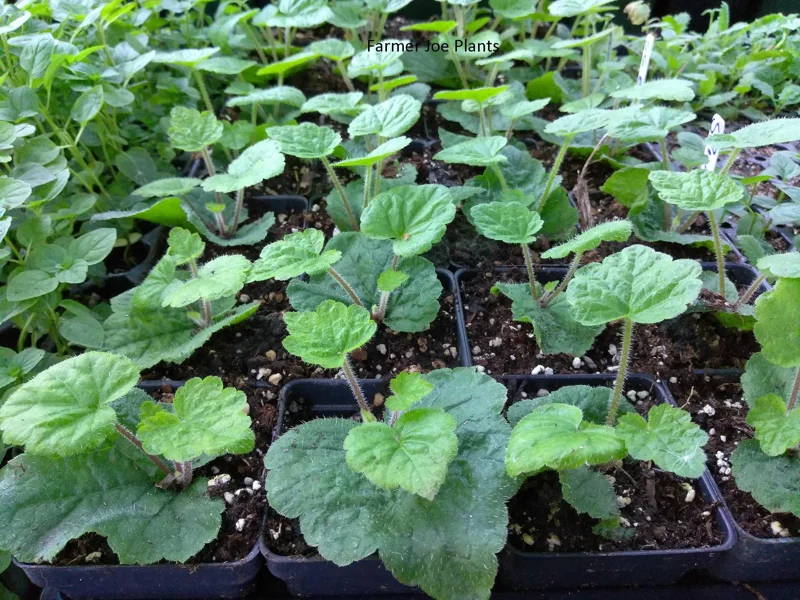
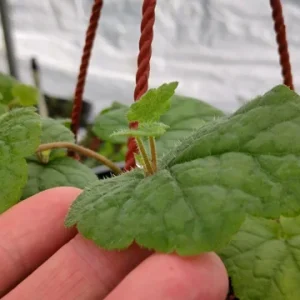
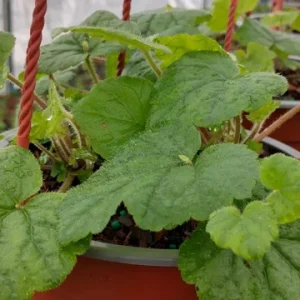
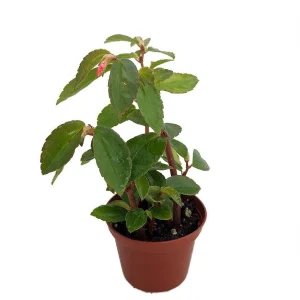
Bring home a captivating piggyback plant live plant, standing 4-6 inches tall in a nursery pot. This unique houseplant is celebrated for its distinctive growth habit, producing small plantlets directly on its mature leaves. Perfect for adding a touch of natural intrigue to any indoor setting, it’s an excellent choice for plant enthusiasts of all levels.
-
USDA Hardiness Zone
USDA zones 7-9 (outdoors), typically grown indoors -
Soil Type
Well-draining potting mix -
Sunlight Exposure
Bright indirect light -
Expected Planting Period
Year-round indoors

You can track your order HERE
Oct 16
Oct 21 - Oct 23
Oct 26 - Oct 30
Shipping and return policies: Our Alive & Thrive Guarantee covers issues with your plants within the first 30 days. Reach out to us. Our team will answer your questions and help you find the plants that are truly suitable for your environment, climate, and personal preferences.

Overview
Introduce a touch of whimsical charm to your indoor garden with the delightful piggyback plant live plant. Also known by its botanical name, Tolmiea menziesii, this unique houseplant is a true conversation starter. Originating from the Pacific Northwest, the piggyback plant gets its common name from its unusual propagation method: new plantlets sprout directly from the base of the mature leaves, appearing as if they are riding on the ‘mother’ leaf’s back. This particular specimen is a vibrant piggyback plant live plant, standing approximately 4 to 6 inches tall, making it an ideal size for windowsills, desks, or as a charming addition to a larger plant collection. Its lush, hairy, light-green leaves form an attractive rosette, providing year-round beauty. The ease of propagation and its distinctive appearance make the piggyback plant a favorite among both novice and experienced gardeners looking for an interesting and rewarding indoor companion.
The piggyback plant live plant is not just visually appealing but also relatively low-maintenance, thriving in conditions typical of many popular houseplants. Its unique growth habit makes it an educational and fascinating plant for children and adults alike, offering a continuous cycle of new life. Whether you’re starting your plant journey or expanding an existing collection, this plant offers a refreshing change from more common varieties.
Key Benefits
The piggyback plant live plant offers a range of benefits that make it a superb choice for any indoor setting. Its distinctive features provide both aesthetic appeal and a rewarding growing experience:
- Unique Ornamental Appeal: The most striking feature of the piggyback plant is its charming method of reproduction, where new plantlets form at the base of existing leaves. This creates a visually captivating display that is unlike most other houseplants, making it a focal point in any room.
- Easy Propagation: Growing new plants from your existing one is incredibly simple. You can easily remove a leaf with a plantlet attached and place it on moist soil to root, allowing you to expand your collection or share with friends. This makes learning how to grow piggyback plant incredibly rewarding.
- Air Purifying Qualities: Like many houseplants, the piggyback plant live plant contributes to a healthier indoor environment by helping to filter airborne toxins and improve air quality, creating a fresher and more pleasant living space.
- Pet-Friendly: A great choice for homes with pets, the Tolmiea menziesii is generally considered non-toxic to cats and dogs, offering peace of mind while adding greenery to your home.
- Adaptable to Indoor Conditions: This plant thrives in typical indoor environments, making it a versatile addition to various room settings. It appreciates consistent conditions, making piggyback plant care straightforward.
- Compact Size: With its moderate growth habit and 4-6 inch height, it’s perfect for smaller spaces, such as shelves, desks, or as part of a terrarium, without overcrowding.
- Educational Value: The fascinating way this plant produces ‘babies’ on its leaves provides an excellent opportunity to observe and learn about plant reproduction firsthand, perfect for curious minds.
Plant Care & Growing Tips
Caring for your piggyback plant live plant is relatively easy, making it a great choice for both beginners and experienced plant enthusiasts. Understanding its preferred conditions will ensure a healthy and thriving specimen. When it comes to sunlight, the piggyback plant prefers bright, indirect light. Avoid direct, harsh sunlight, especially in the afternoon, which can scorch its delicate leaves. An east or north-facing window is often ideal, providing ample light without intensity. If your plant begins to look leggy or its colors fade, it may need a bit more light; conversely, if leaves are browning or crispy, it might be getting too much direct sun.
Watering is crucial for healthy tolmiea menziesii care. Keep the soil consistently moist but never waterlogged. Allow the top inch of soil to dry out slightly between waterings, then water thoroughly until it drains from the bottom of the pot. Ensure proper drainage to prevent root rot. During winter months, reduce watering frequency as the plant’s growth slows. High humidity is appreciated, so consider placing the pot on a pebble tray with water or misting the leaves occasionally. The ideal temperature range for this plant is between 60-75°F (15-24°C). Protect it from cold drafts, as it is not frost-tolerant. For soil, a well-draining potting mix rich in organic matter is best. A standard houseplant potting mix with some added perlite or vermiculite for drainage works well.
Fertilize your piggyback plant live plant every 2-4 weeks during the active growing season (spring and summer) with a balanced liquid houseplant fertilizer diluted to half strength. Reduce or stop fertilization during the fall and winter. Pests are generally not a major issue, but keep an eye out for common houseplant pests like spider mites or aphids. If detected, treat with an insecticidal soap. Regular pruning isn’t typically necessary, but you can remove any yellowing or damaged leaves to maintain its appearance and encourage new growth. Understanding these aspects of piggyback plant care will lead to a lush and happy plant.
Size & Details
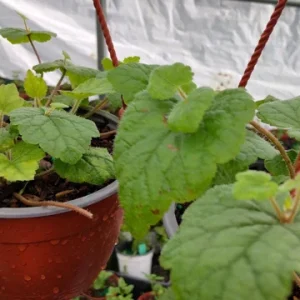
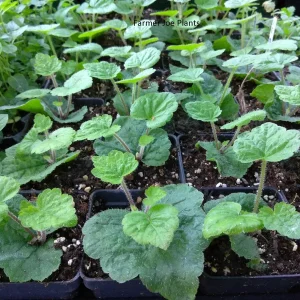
This offering is for one vibrant piggyback plant live plant, carefully grown to a healthy size of approximately 4 to 6 inches tall, measured from the base of the soil to the top of the foliage. It arrives planted in a standard nursery pot, typically a 4-inch container, providing a stable environment for its journey to your home. The plant exhibits a compact, bushy growth habit, making it an excellent candidate for tabletops, shelves, or hanging baskets where its unique foliage can be admired. Expect a moderate growth rate, with new leaves and plantlets continuously emerging under optimal care conditions. The plant’s mature spread can reach up to 12-18 inches, forming a lovely rounded mound over time. It is shipped as a fully rooted, established plant, ready to be enjoyed immediately upon arrival. This live specimen is robust and resilient, prepared to thrive in its new indoor environment.
Frequently Asked Questions
- Q: How big does this plant get? A: This piggyback plant live plant typically grows to a height of 6-12 inches and can spread up to 18 inches wide, forming an attractive, mounding habit. Its size makes it versatile for various indoor spaces.
- Q: Is this an indoor or outdoor plant? A: The piggyback plant is primarily grown as an indoor houseplant in most regions. While it can be grown outdoors in very mild, shaded climates (USDA zones 7-9), it thrives best as an indoor plant, especially with consistent temperatures.
- Q: How much sunlight does it need? A: The piggyback plant live plant prefers bright, indirect light. Avoid direct sun exposure, which can scorch its leaves. An east or north-facing window is often ideal, or a spot a few feet away from a south or west-facing window.
- Q: Is this plant easy to care for? A: Yes, the piggyback plant is considered an easy-care houseplant, suitable for beginners. Its needs are straightforward: consistent moisture, bright indirect light, and moderate temperatures. Following basic piggyback plant care guidelines will ensure success.
- Q: What condition will it arrive in? A: Your piggyback plant live plant will arrive as a healthy, established plant in a nursery pot, securely packaged to minimize stress during transit. It will be ready to be placed in its new home upon arrival.
- Q: Can I propagate this plant easily? A: Absolutely! One of the most fun aspects of how to grow piggyback plant is its easy propagation. Simply snip a mature leaf with a plantlet attached, place it on moist soil, and keep it humid. New roots will form quickly.
- Q: Is it safe for pets? A: Yes, the Tolmiea menziesii is generally considered non-toxic to cats and dogs, making it a safe choice for households with furry friends. However, it’s always best to discourage pets from ingesting any plant material.
- Q: What kind of soil is best for this plant? A: A well-draining, rich potting mix is ideal for the piggyback plant. A standard houseplant mix amended with perlite or vermiculite to improve drainage works well for optimal tolmiea menziesii care.
- Q: How often should I water my piggyback plant? A: Water when the top inch of soil feels dry to the touch. Keep the soil consistently moist but never soggy. Overwatering can lead to root rot, so ensure good drainage.
- Q: Will it produce flowers? A: While the piggyback plant does produce small, inconspicuous greenish-brown flowers on a tall stalk, they are not its main ornamental feature. The plant is primarily grown for its attractive foliage and unique plantlets.
Be the first to review “Piggyback Plant Live Plant – 4-6 Inch Tall – Potted Houseplant Indoor”
People Also Viewed
HousePlants
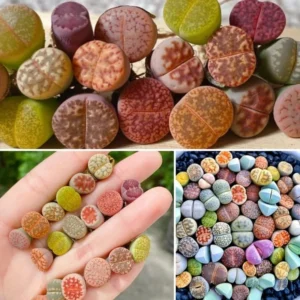
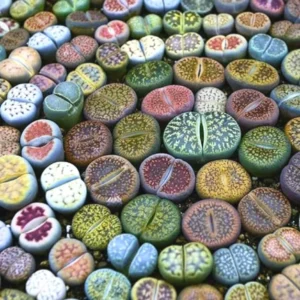
Lithops Live Plants Mix – 10 Large Colorful Living Stones Succulents for Indoor/Outdoor Growing
Sold 85 products
Original price was: $27.98.$13.99Current price is: $13.99.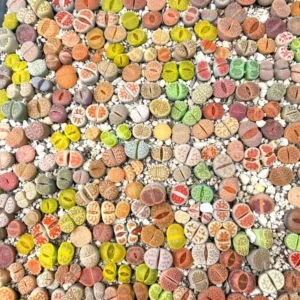
Flower Plants
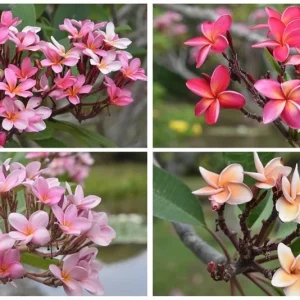
Plumeria Cuttings Variety Pack – 2 Unrooted Cuttings 12-16″ – Fragrant Tropical Flowers
Sold 78 products
Original price was: $49.97.$25.98Current price is: $25.98.








Reviews
There are no reviews yet.