
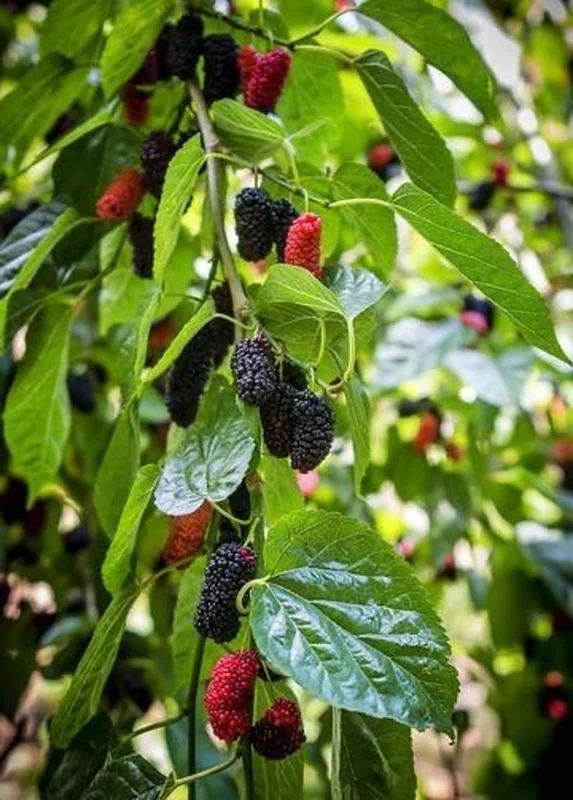
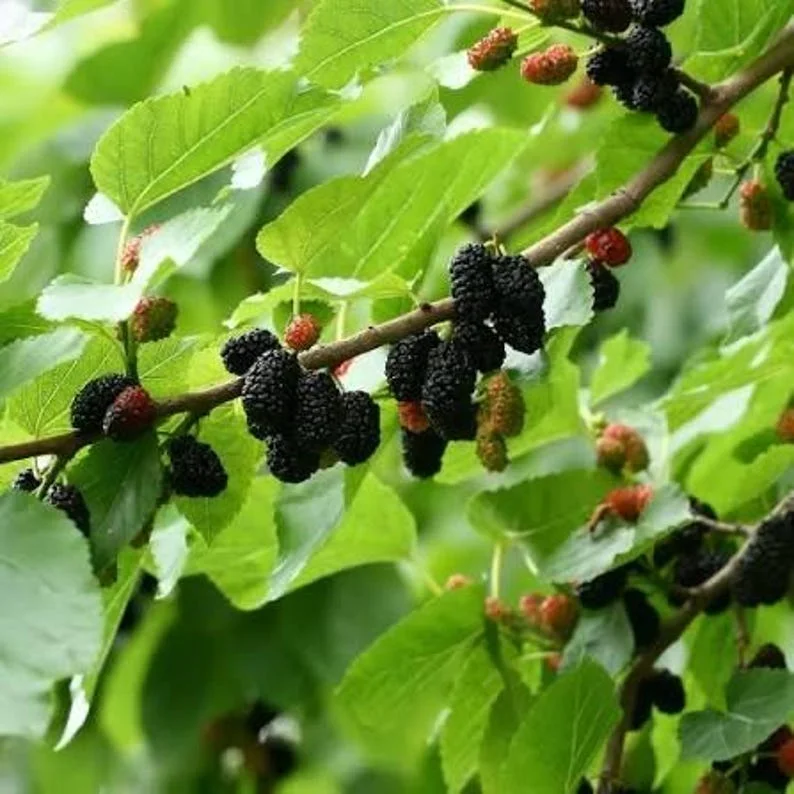
Mulberry Live Plant 6-8in Tall – Fruit Tree in 4in Pot
Original price was: $27.78.$24.16Current price is: $24.16.
Cultivate your own delicious fruit with a mulberry live plant. This young mulberry fruit tree measures 6-8 inches tall and comes in a 4-inch pot, ready for planting in your garden or a larger container. Enjoy fresh, homegrown mulberries!
-
USDA Hardiness Zone
USDA zones 4-9 (depending on variety) -
Soil Type
Well-draining soil, pH 6.0-7.0 -
Sunlight Exposure
Full sun (6-8+ hours direct sunlight) -
Expected Planting Period
Spring to early fall

You can track your order HERE
Sep 20
Sep 25 - Sep 27
Sep 30 - Oct 04
Shipping and return policies: Our Alive & Thrive Guarantee covers issues with your plants within the first 30 days. Reach out to us. Our team will answer your questions and help you find the plants that are truly suitable for your environment, climate, and personal preferences.

Overview
Bring the joy of homegrown fruit to your garden with this vibrant mulberry live plant. Known for its sweet, juicy berries and attractive foliage, the mulberry tree is a fantastic addition to any landscape or edible garden. This young plant stands approximately 6-8 inches tall and is carefully rooted in a 4-inch nursery pot, ensuring it’s ready to thrive upon arrival. Mulberries, scientifically known as Morus spp., are fast-growing deciduous trees that can produce an abundance of fruit, perfect for snacking, baking, or making jams. Whether you’re an experienced gardener or just starting, growing mulberries offers a rewarding experience with delicious results.
Our mulberry live plant offers a wonderful opportunity to cultivate your own fruit. These trees are celebrated for their resilience and ability to adapt to various growing conditions, making them a popular choice for many home gardeners. The delightful flavor of fresh mulberries, often compared to blackberries with a unique sweetness, is a treat that store-bought varieties rarely match. Plant this young mulberry fruit tree and look forward to abundant harvests in the coming years.
Key Benefits
A mulberry live plant provides numerous advantages, from fresh fruit to ecological benefits. Adding this tree to your garden means you’ll soon be enjoying its many positive attributes:
- Abundant Fruit Production: Mulberry trees are prolific producers, yielding a generous harvest of sweet, juicy berries that are perfect for eating fresh, making pies, jams, or desserts. You’ll have plenty to share and enjoy throughout the season.
- Nutrient-Rich Berries: Mulberries are packed with vitamins (especially Vitamin C and K), antioxidants, and dietary fiber, contributing to a healthy diet. Enjoying fruit directly from your own mulberry fruit tree ensures peak freshness and nutritional value.
- Low Maintenance: Once established, mulberry trees are relatively low-maintenance, requiring minimal care compared to many other fruit-bearing plants. This makes growing mulberries an accessible option for gardeners of all experience levels.
- Attractive Landscape Addition: With their lush green foliage and often weeping or spreading growth habit, mulberry trees provide excellent shade and aesthetic appeal, enhancing the beauty of your garden or yard.
- Wildlife Attractor: The berries attract various birds and other beneficial wildlife, adding life and biodiversity to your outdoor space. This makes your garden a more vibrant ecosystem.
- Versatile Use: Beyond fresh eating, mulberries can be dried, frozen, or used in a wide array of culinary creations, offering versatility in how you enjoy your harvest.
- Hardy and Adaptable: Many mulberry varieties are quite hardy and can adapt to a range of soil types and climates, making them a resilient choice for many regions.
Plant Care & Growing Tips
Caring for your mulberry live plant is straightforward, ensuring it grows into a healthy, fruit-bearing tree. Mulberries are generally robust and forgiving, but providing optimal conditions will lead to the best harvests. They prefer a location with full sun, meaning at least 6-8 hours of direct sunlight per day. Adequate light is crucial for fruit production and overall plant vigor. If you’re wondering how to grow mulberry successfully, sunlight is your first consideration. While they can tolerate some partial shade, fruit yield may be reduced.
Mulberry trees thrive in well-draining soil with a pH between 6.0 and 7.0. They are adaptable to various soil types, including sandy, loamy, or clay soils, as long as drainage is good. Avoid waterlogged conditions, which can lead to root rot. When planting, amend heavy clay soils with compost or other organic matter to improve drainage and aeration. Regular watering is important, especially during the first few years as the tree establishes itself, and during dry spells. Aim to keep the soil consistently moist but not soggy. Once established, mulberry trees are relatively drought-tolerant, but supplemental watering during prolonged dry periods will benefit fruit production.
Fertilize your young mulberry live plant in early spring with a balanced, slow-release fertilizer or organic compost. Avoid over-fertilizing, as this can lead to excessive foliage growth at the expense of fruit. Pruning is best done in late winter or early spring while the tree is dormant. Focus on removing dead, damaged, or crossing branches to improve air circulation and light penetration. You can also prune to shape the tree or manage its size. Mulberries are generally hardy in USDA zones 4-9, depending on the specific variety, making this mulberry fruit tree suitable for many climates.
Size & Details
This offering is for one mulberry live plant, which currently stands at an impressive height of 6-8 inches from the soil line. It is carefully rooted and shipped in a 4-inch nursery pot, providing a healthy root system ready for transplanting. While young, this mulberry fruit tree is a vigorous grower and will quickly establish itself once planted in your garden or a larger container. Mulberries typically have a moderate to fast growth rate, with many varieties reaching heights of 20-30 feet at maturity, though they can be kept smaller with proper pruning. Expect the plant to start producing fruit within 2-3 years, with yields increasing as the tree matures.
The plant will arrive carefully packaged to ensure its health during transit. Upon arrival, we recommend promptly unpacking and watering your mulberry live plant. The 4-inch pot size is ideal for a young plant, providing enough space for initial growth before it needs a larger home. This size makes it easy to handle and plant without causing significant root disturbance. Whether you’re considering how to grow mulberry in a spacious backyard or a large patio container, this young plant is the perfect starting point for your fruit-growing journey.
Frequently Asked Questions
- Q: How big does this plant get? A: This mulberry live plant is currently 6-8 inches tall. With proper care, mulberry trees can grow to impressive sizes, often reaching 20-30 feet tall, though their size can be managed with regular pruning.
- Q: What size pot does it come in? A: Your mulberry live plant will arrive in a 4-inch nursery pot, providing a healthy start for its root system. You can transplant it to a larger pot or directly into the ground upon arrival.
- Q: Is this an indoor or outdoor plant? A: Mulberry trees are primarily outdoor plants that thrive in full sun. While they can be started indoors in a sunny window, they will eventually need to be moved outside to a garden or large container to grow into a fruit-bearing mulberry fruit tree.
- Q: How much sunlight does it need? A: For optimal growth and fruit production, your mulberry live plant requires at least 6-8 hours of direct sunlight per day. Full sun exposure is key to a bountiful harvest.
- Q: Is this plant easy to care for? A: Yes, mulberry trees are generally considered easy to care for and are quite resilient. They are a great choice for both beginner and experienced gardeners looking to learn how to grow mulberry.
- Q: What condition will it arrive in? A: We carefully package each mulberry live plant to ensure it arrives healthy and vibrant, ready for planting. We recommend unpacking and watering upon arrival.
- Q: When is the best time to plant? A: The best time to plant your mulberry live plant is in spring or early fall, allowing the roots to establish before extreme temperatures. However, if planting in a container, you have more flexibility.
- Q: Will it survive winter in my zone? A: Most common mulberry varieties are hardy in USDA Zones 4-9. Check your specific USDA zone to ensure the best chances of winter survival for your mulberry fruit tree.
- Q: Can I use mulberries in cooking? A: Absolutely! Mulberries are incredibly versatile. They are delicious fresh, and can be used in pies, tarts, jams, jellies, smoothies, or dried for a healthy snack.
- Q: How long until it blooms? A: While young, this mulberry live plant will begin flowering and producing fruit typically within 2-3 years after planting, with increasing yields as the tree matures.
Be the first to review “Mulberry Live Plant 6-8in Tall – Fruit Tree in 4in Pot”
People Also Viewed
Sold 78 products
Original price was: $67.98.$33.99Current price is: $33.99.
Sold 52 products
Original price was: $39.98.$19.99Current price is: $19.99.
Sold 74 products
Original price was: $139.96.$69.98Current price is: $69.98.
Sold 81 products
Original price was: $53.45.$26.72Current price is: $26.72.
Sold 66 products
Original price was: $52.99.$39.99Current price is: $39.99.
Sold 83 products
Original price was: $162.36.$81.18Current price is: $81.18.
Sold 64 products
$85.80
Sold 84 products
Original price was: $54.36.$27.18Current price is: $27.18.
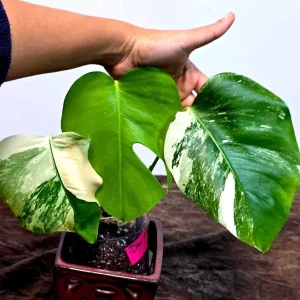
Sold 71 products
Original price was: $392.00.$196.00Current price is: $196.00.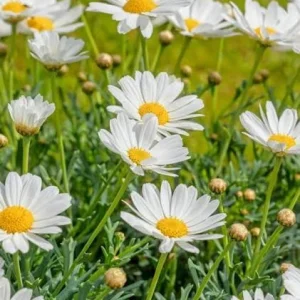
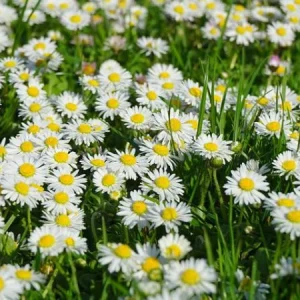
Sold 90 products
Original price was: $38.98.$22.98Current price is: $22.98.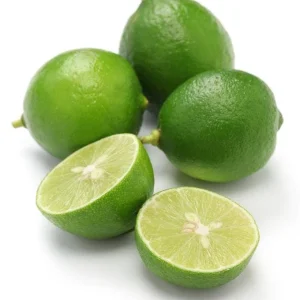
Sold 80 products
From $120.99
Sold 73 products
Original price was: $39.96.$19.98Current price is: $19.98.
Sold 65 products
Original price was: $32.98.$19.99Current price is: $19.99.
Sold 91 products
Original price was: $29.98.$16.99Current price is: $16.99.
Sold 63 products
Original price was: $300.00.$150.00Current price is: $150.00.
Sold 84 products
From $8.38
Flower Plants
Sold 64 products
Original price was: $45.58.$26.98Current price is: $26.98.
Sold 100 products
From $107.80





Reviews
There are no reviews yet.