
Montauk Daisy Live Plant – 2-5″ Tall – Nipponanthemum nipponicum – Hardy Perennial Flower for Garden
Original price was: $21.99.$15.39Current price is: $15.39.
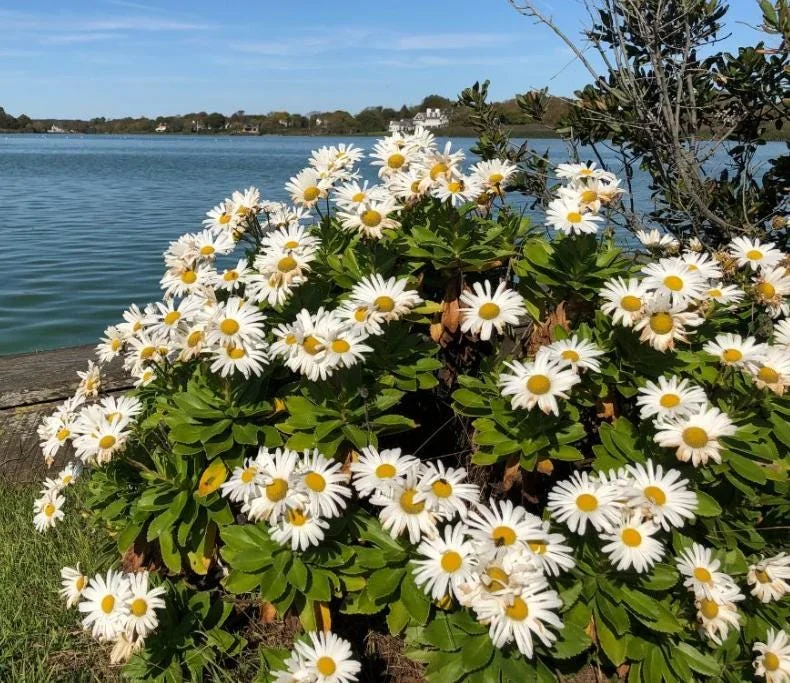
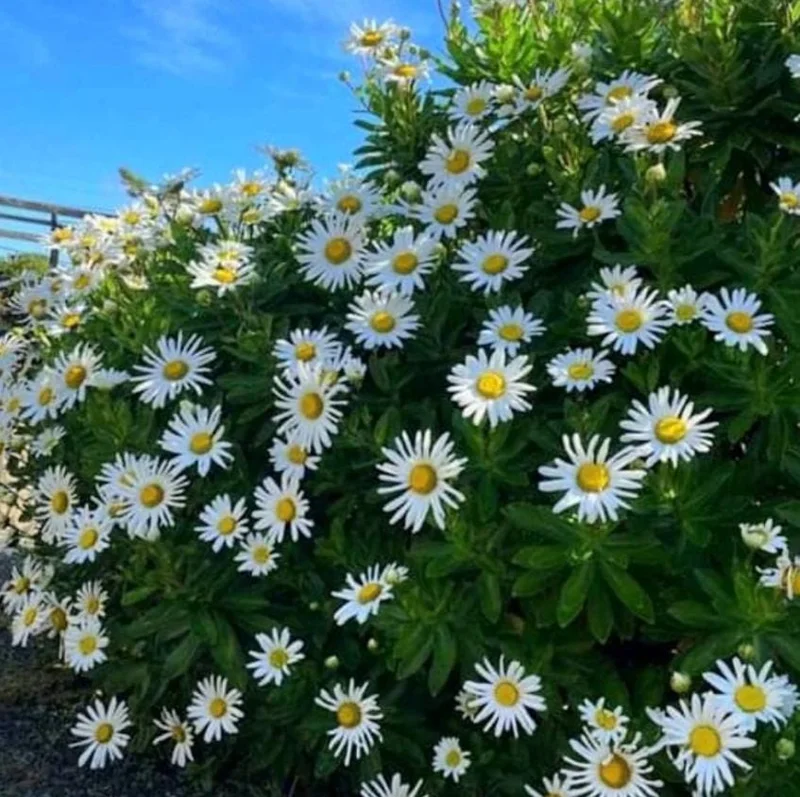
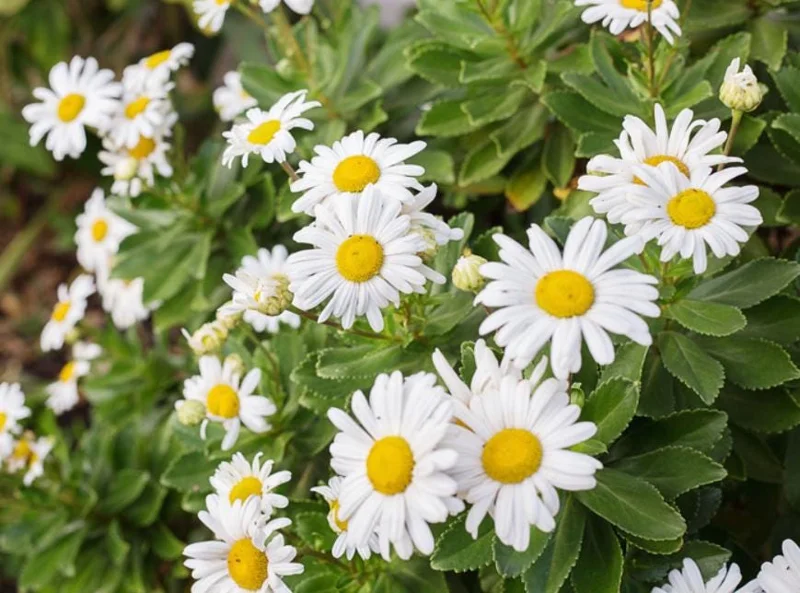
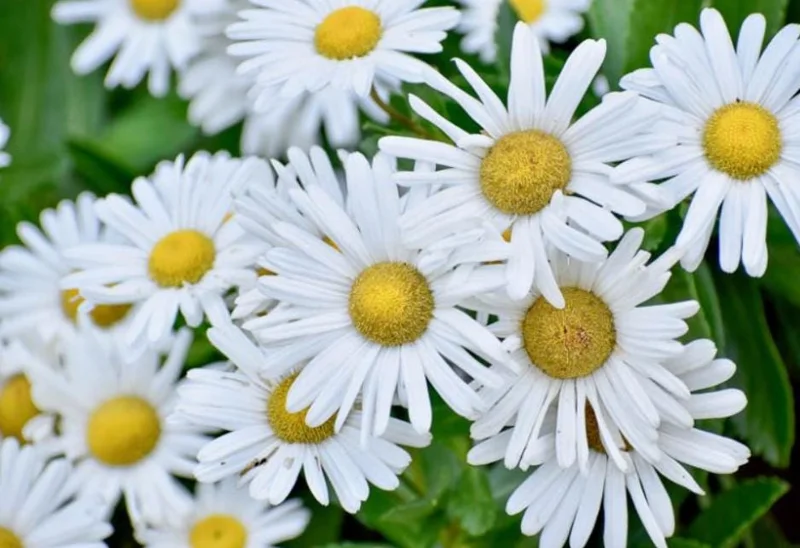
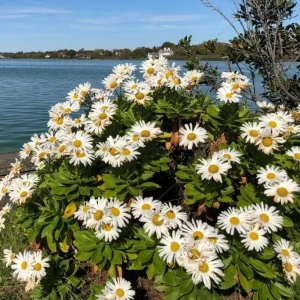
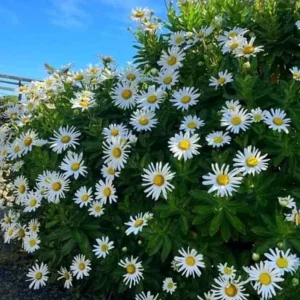
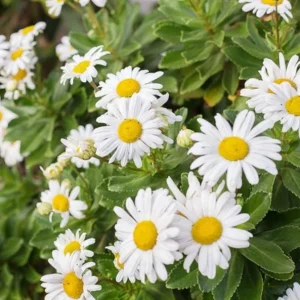
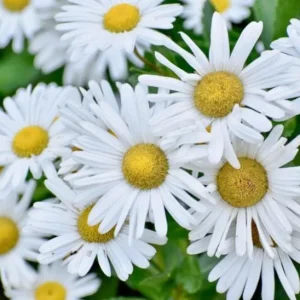
Bring charming late-season blooms to your garden with a Montauk Daisy live plant. This 2-5 inch tall Nipponanthemum nipponicum is a robust, hardy perennial flower perfect for borders and coastal areas, offering beautiful white, daisy-like blossoms.
-
USDA Hardiness Zone
USDA zones 5-9 -
Soil Type
Well-draining sandy or loamy soil -
Sunlight Exposure
Full sun -
Expected Planting Period
Spring to early fall

You can track your order HERE
Oct 24
Oct 29 - Oct 31
Nov 03 - Nov 07
Shipping and return policies: Our Alive & Thrive Guarantee covers issues with your plants within the first 30 days. Reach out to us. Our team will answer your questions and help you find the plants that are truly suitable for your environment, climate, and personal preferences.

Overview
Introduce the resilient beauty of the Montauk Daisy live plant into your garden. Also known by its botanical name, Nipponanthemum nipponicum, this delightful perennial is celebrated for its abundant, bright white, daisy-like flowers that emerge in late summer and continue through fall, providing a vital source of nectar for pollinators when many other plants are fading. Originating from coastal regions of Japan, the Montauk Daisy has earned its reputation as a tough, salt-tolerant, and adaptable plant, making it an excellent choice for a wide range of garden settings, especially those in challenging coastal environments. Its cheerful blossoms and strong, upright growth habit create a striking visual impact, brightening up borders, rock gardens, and perennial beds. This Montauk Daisy live plant offers an opportunity to cultivate a low-maintenance yet highly rewarding flowering specimen in your outdoor space.
Known for its robust nature and long blooming period, the Montauk Daisy is a fantastic addition for both seasoned gardeners and beginners. It thrives with minimal fuss, providing consistent beauty year after year. The dense, dark green foliage forms an attractive mound even when not in bloom, offering textural interest throughout the growing season. As a hardy perennial flower, it reliably returns each spring, growing stronger and more floriferous with age. Its ability to withstand tough conditions, including salt spray and drought once established, underscores its value as a durable landscape plant.
Key Benefits
Cultivating this beautiful plant offers numerous advantages for your garden and local ecosystem. The Montauk Daisy live plant is not only aesthetically pleasing but also contributes to a vibrant and resilient garden space. Here are some of its key benefits:
- Extended Bloom Season: Enjoy a spectacular display of white, daisy-like flowers from late summer well into fall, extending your garden’s color and interest when many other plants have finished blooming. This late-season bloom is crucial for supporting pollinators.
- Pollinator Magnet: The cheerful flowers are a favorite of bees, butterflies, and other beneficial insects, helping to support local ecosystems and enhance biodiversity in your garden. Planting a Nipponanthemum nipponicum can significantly boost pollinator activity.
- Exceptional Hardiness: This plant is incredibly tough and adaptable, thriving in a variety of conditions. It is particularly valued for its salt tolerance, making it an ideal choice for coastal landscapes where other plants struggle.
- Low Maintenance: Once established, the Montauk Daisy requires minimal care, making it perfect for gardeners seeking beautiful results without extensive effort. It’s truly a hardy perennial flower that takes care of itself.
- Versatile Landscaping: Its upright growth and abundant blooms make it suitable for various garden applications, including borders, mass plantings, rock gardens, and container gardening. It creates a stunning visual impact wherever it is placed.
- Drought Tolerant: After its initial establishment period, the Montauk Daisy is quite drought-resistant, reducing the need for frequent watering and making it an excellent choice for water-wise gardening.
- Deer Resistant: Generally, deer tend to avoid Montauk Daisies, making them a good option for gardens in areas prone to deer browsing, allowing your beautiful blooms to flourish undisturbed.
Plant Care & Growing Tips
Caring for your Montauk Daisy live plant is straightforward, ensuring years of beautiful blooms. This resilient plant, Nipponanthemum nipponicum, prefers a location that receives full sun, meaning at least six hours of direct sunlight per day. While it can tolerate some partial shade, especially in hotter climates, full sun encourages the most prolific flowering and strongest growth. Good air circulation is also beneficial to prevent fungal issues. When planting, ensure the soil is well-draining, as soggy conditions can lead to root rot. While adaptable to various soil types, a sandy or loamy soil with a neutral to slightly acidic pH is ideal. Amend heavy clay soils with organic matter like compost to improve drainage.
Watering should be consistent during the first growing season to help the plant establish a strong root system. Once established, the Montauk Daisy live plant becomes quite drought-tolerant and will only need supplemental watering during prolonged dry spells. Overwatering is more detrimental than underwatering for this species. Fertilization is generally not heavily required; a light application of a balanced, slow-release granular fertilizer in early spring is usually sufficient, or you can top-dress with compost. Pruning is beneficial: pinch back young plants in late spring to encourage bushier growth and more flowers. After the first frost, cut back the dead foliage to about 4-6 inches from the ground. This hardy perennial flower is typically suitable for USDA zones 5-9.
Size & Details
This offering is for a Montauk Daisy live plant, typically measuring 2-5 inches in height upon arrival. These young plants are carefully nurtured to ensure they are healthy and ready to thrive in your garden. The plant is shipped in a nursery pot, with its root ball intact to minimize transplant shock and encourage immediate establishment. When mature, Montauk Daisies typically grow to a height of 2-3 feet and spread about 2-3 feet wide, forming a dense, rounded mound. The growth rate is moderate, and you can expect robust development in the first year with proper care. Flowers usually begin to appear in late summer, around August, and continue through October or even into November in milder climates, providing a crucial late-season burst of color. The plant’s compact yet bushy habit makes it an excellent choice for front-to-mid border placement or as a striking specimen in a container.
Frequently Asked Questions
- Q: How big does this plant get? A: This Montauk Daisy live plant typically arrives 2-5 inches tall. Once mature, it can reach a height of 2-3 feet and spread 2-3 feet wide, forming a dense, rounded shrub-like perennial.
- Q: Is this an indoor or outdoor plant? A: The Montauk Daisy is primarily an outdoor plant, celebrated as a hardy perennial flower. It thrives in garden beds, borders, and coastal landscapes in full sun.
- Q: How much sunlight does it need? A: This plant requires full sun, meaning at least 6 hours of direct sunlight per day, to produce the best blooms and maintain a healthy, compact form.
- Q: Is this plant easy to care for? A: Yes, the Montauk Daisy live plant is known for its low-maintenance nature. Once established, it is quite drought-tolerant and requires minimal fuss, making it suitable for gardeners of all experience levels.
- Q: What condition will it arrive in? A: Your plant will arrive as a healthy, actively growing specimen, carefully packed in a nursery pot with its root system protected, ready for transplanting.
- Q: When is the best time to plant a Montauk Daisy? A: The best time to plant is in spring or early fall, allowing the plant sufficient time to establish its root system before extreme summer heat or winter cold.
- Q: Will it survive winter in my zone? A: The Montauk Daisy is a hardy perennial flower well-suited for USDA Zones 5-9. In these zones, it will reliably return year after year after going dormant in winter.
- Q: Is this plant salt-tolerant? A: Yes, Nipponanthemum nipponicum is highly valued for its exceptional salt tolerance, making it an ideal choice for coastal landscapes and gardens exposed to salt spray.
Be the first to review “Montauk Daisy Live Plant – 2-5″ Tall – Nipponanthemum nipponicum – Hardy Perennial Flower for Garden”
People Also Viewed
Herbs
Cuban Oregano Live Plant – 4-6″ Tall Starter Herb – Spanish Thyme, Indian Borage – Indoor/Outdoor
Sold 63 products
From $25.98

Fruits
Caroline Raspberry Plant – 5 Bare Root Canes, 1-Year-Old, Ever-Bearing Red Variety for Home Gardens
Sold 82 products
Original price was: $167.80.$83.90Current price is: $83.90.


Sold 99 products
Original price was: $19.78.$11.89Current price is: $11.89.
Flower Seeds
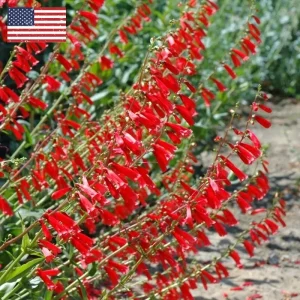
Eaton’s Red Penstemon Seeds – Hummingbird Beardtongue – 200 Non-GMO Perennial Seeds – Outdoor
Sold 63 products
Original price was: $15.92.$7.96Current price is: $7.96.







Reviews
There are no reviews yet.