
Mixed Poppy Live Plant – 3 Inch Pot – Vibrant Outdoor Flowers
Original price was: $31.99.$22.99Current price is: $22.99.
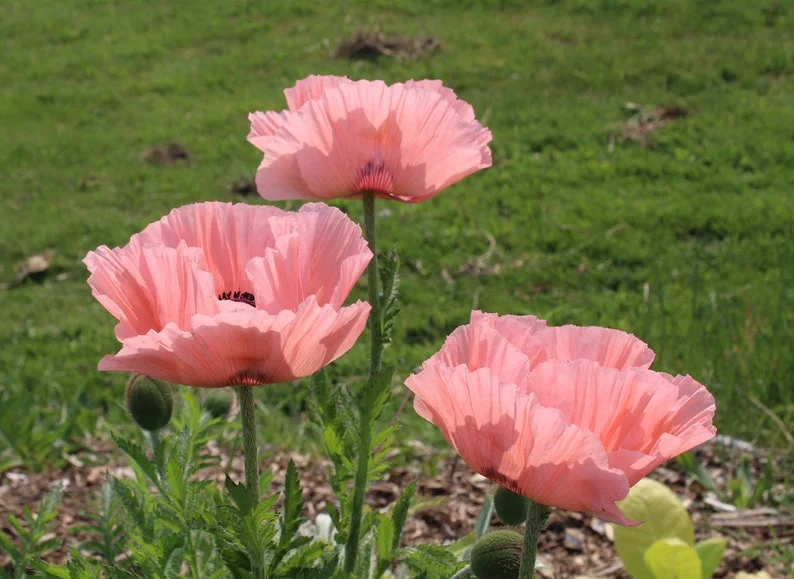
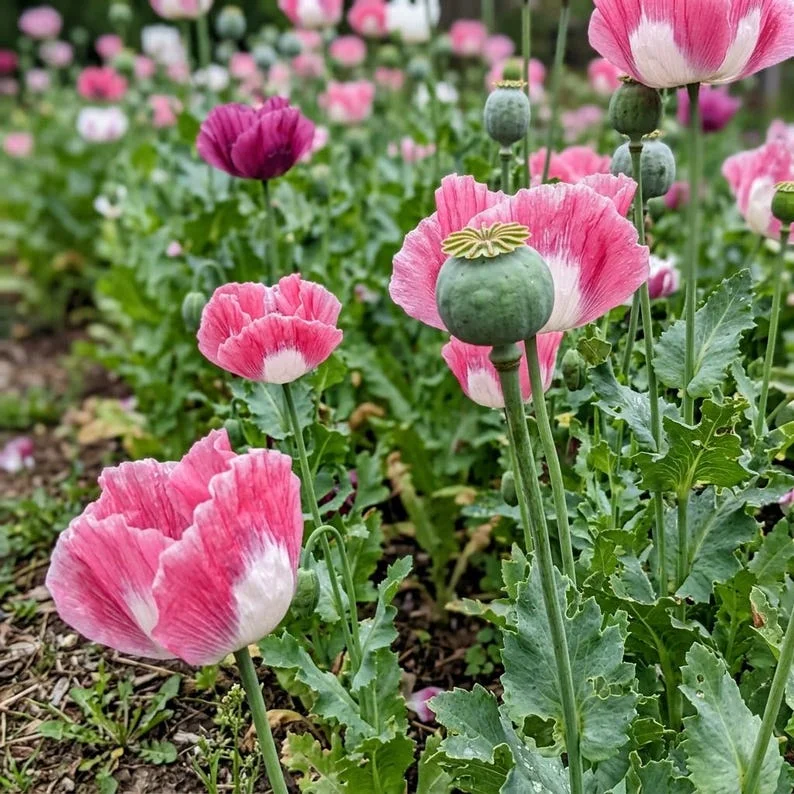
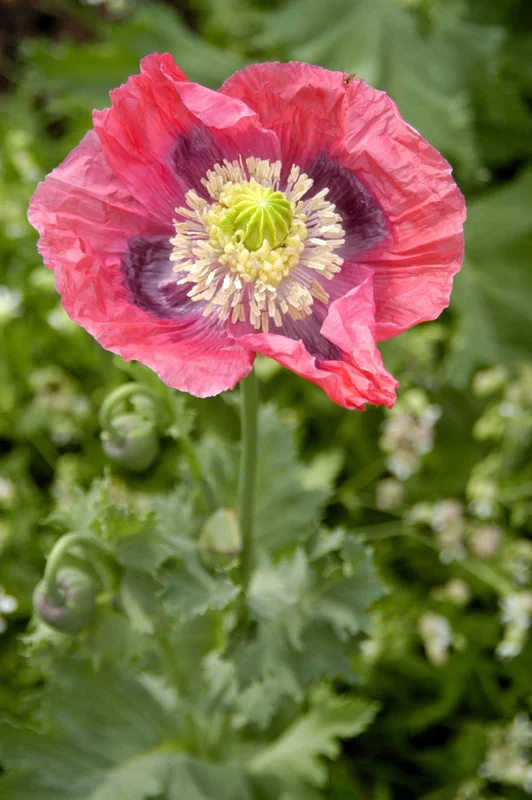
Bring a burst of color to your garden with this beautiful mixed poppy live plant, delivered in a convenient 3 inch pot. Perfect for adding vibrant hues to flower beds, containers, or borders. Enjoy the delightful charm of these easy-to-grow outdoor flowering plants.
Out of stock
-
USDA Hardiness Zone
USDA zones 3-9 -
Soil Type
Well-draining soil -
Sunlight Exposure
Full sun -
Expected Planting Period
Spring to early summer

You can track your order HERE
Oct 26
Oct 31 - Nov 02
Nov 05 - Nov 09
Shipping and return policies: Our Alive & Thrive Guarantee covers issues with your plants within the first 30 days. Reach out to us. Our team will answer your questions and help you find the plants that are truly suitable for your environment, climate, and personal preferences.

Overview
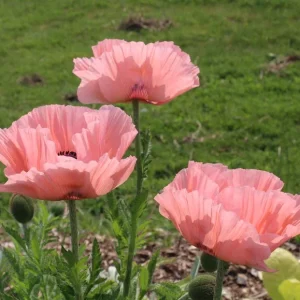
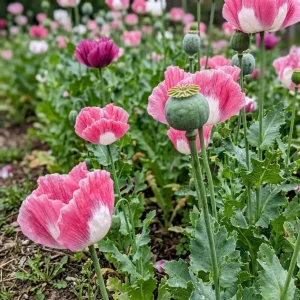
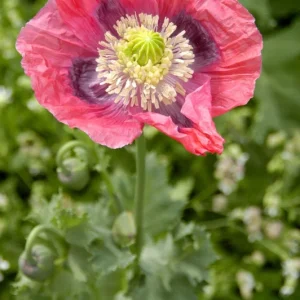
Introduce a touch of natural elegance and vibrant color to your outdoor space with our stunning mixed poppy live plant. Each plant arrives carefully cultivated in a 3 inch pot, ready to be transplanted and thrive in your garden. These beautiful poppy flowers are known for their delicate petals and a wide array of captivating colors, from classic reds and oranges to soft pinks and purples, ensuring a delightful visual display. Poppies, scientifically known as Papaver, are beloved for their showy blooms and ability to attract beneficial pollinators like bees and butterflies, contributing to a healthy garden ecosystem. This particular offering provides a mix of varieties, promising a surprise of diverse and enchanting flowers throughout their blooming season. Whether you’re an experienced gardener or just starting, these robust plants offer an accessible way to enjoy the beauty of nature.
Our mixed poppy live plant is an excellent choice for anyone looking to add immediate impact and long-lasting beauty to their landscape. They are a fantastic addition to cottage gardens, wildflower meadows, or even as container plants on patios and balconies. The ease of care combined with their spectacular floral show makes them a highly desirable option for gardeners seeking both beauty and simplicity. With most pots containing two plants, you get even more value and a fuller display from the start, ensuring your garden quickly becomes a focal point of admiration.
Key Benefits
Our mixed poppy live plant offers numerous advantages, making it a wonderful addition to any garden or outdoor setting. These plants not only beautify your space but also contribute to a healthier, more vibrant environment.
- Stunning Visual Appeal: Enjoy a spectacular display of diverse and colorful blooms. The mix of poppy varieties ensures a dynamic and ever-changing floral show, creating a captivating focal point in your garden or on your patio.
- Attracts Pollinators: The vibrant flowers are a magnet for bees, butterflies, and other beneficial pollinators, helping to support local ecosystems and improve the health of your entire garden.
- Easy to Grow: Poppies are relatively low-maintenance plants, making them suitable for gardeners of all experience levels. Once established, they require minimal intervention to thrive and produce abundant blooms.
- Versatile Landscaping: Perfect for a variety of garden designs, including cottage gardens, borders, rock gardens, and container planting. Their adaptable nature allows them to fit seamlessly into diverse outdoor environments, enhancing curb appeal.
- Long Blooming Season: With proper care, these poppy flower plants can provide continuous blooms over an extended period, ensuring your garden remains colorful and lively for many weeks during the growing season.
- Instant Garden Impact: Arriving as established plants in a 3-inch pot, they offer an immediate head start compared to seeds, allowing you to enjoy flowers sooner and with less initial effort.
- Natural Beauty: The delicate, papery petals and graceful forms of the mixed poppy live plant evoke a sense of natural beauty and tranquility, creating a serene and inviting atmosphere in your outdoor space.
Plant Care & Growing Tips
Caring for your mixed poppy live plant is straightforward, ensuring a rewarding blooming season. These resilient flowers thrive with a few key considerations. Poppies prefer a location that receives full sun, meaning at least 6-8 hours of direct sunlight per day. While they can tolerate partial shade, abundant sunlight is crucial for the most prolific flowering and vibrant colors. Ensure the planting site has good air circulation to prevent fungal issues. When planting, gently remove the plant from its 3-inch pot and place it in well-draining soil. Poppies do not like to sit in soggy conditions, which can lead to root rot. If your soil is heavy clay, amend it with organic matter like compost or sand to improve drainage.
Watering should be consistent but moderate. Water thoroughly when the top inch of soil feels dry to the touch, especially during dry spells or when the plants are young and establishing. Once mature, poppies can tolerate some drought, but regular watering will encourage more blooms. Fertilization is generally not heavily required; an initial application of a balanced, slow-release granular fertilizer at planting time or a light feeding with a liquid fertilizer every 4-6 weeks during the growing season is usually sufficient. Avoid over-fertilizing, especially with high-nitrogen fertilizers, as this can encourage foliage growth at the expense of flowers. These poppy flower plants are generally hardy and can thrive in USDA zones 3-9, depending on the specific variety, making them a versatile choice for many regions. Deadheading spent blooms will encourage the plant to produce more flowers throughout the season, prolonging the vibrant display of your colorful poppy flowers.
Please be careful when planting, as the roots are very sensitive. Keep the entire root ball together and do not shake or remove the soil from around the roots, as this can stress the plant and may cause it to die.
Size & Details
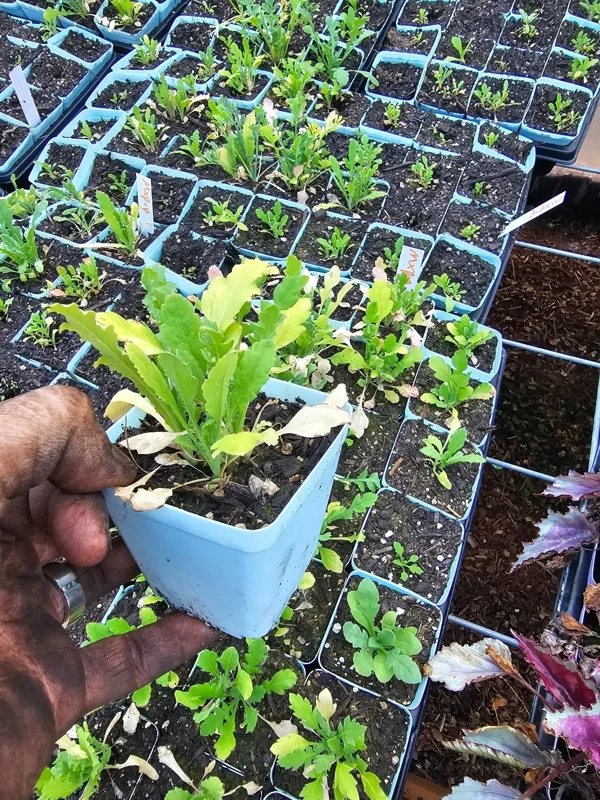
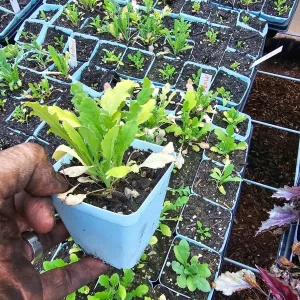
This offering includes a healthy mixed poppy live plant, carefully grown and delivered in a 3 inch pot. Each pot is typically nurtured to contain two individual poppy plants, providing a fuller and more immediate display upon arrival. At the time of shipping, the plants will be young and robust, ready for transplanting into your garden beds or larger containers. The mature height of these poppies can vary depending on the specific mixed varieties and growing conditions, but generally, they will reach between 1 to 3 feet tall with a spread of 1 to 1.5 feet. They are delivered as active, growing plants, ensuring a head start compared to starting from seed.
Expect your poppy flower plants to begin blooming in late spring to early summer, with the exact timing influenced by your local climate and planting date. Their growth rate is moderate, and they will quickly establish themselves in suitable conditions. The plants are shipped in their nursery pots with soil, ensuring minimal shock during transit and providing them with the necessary nutrients to continue their journey in your garden. The vibrant array of colors from these colorful poppy flowers will bring an enchanting beauty to your outdoor living space, making them a perfect choice for those who appreciate natural charm and easy cultivation.
Frequently Asked Questions
- Q: How big does this plant get? A: Our mixed poppy live plant typically grows to a mature height of 1 to 3 feet tall, with a spread of 1 to 1.5 feet. The exact size can vary slightly depending on the specific varieties in the mix and your growing conditions.
- Q: What size pot does it come in? A: Each poppy flower plant is delivered in a 3 inch pot, making it easy to transplant directly into your garden or a larger container upon arrival. Many pots contain two plants for a fuller start.
- Q: Is this an indoor or outdoor plant? A: Poppies are primarily outdoor plants, thriving in garden beds, borders, and outdoor containers where they can receive ample sunlight and fresh air. They are not typically grown as indoor houseplants.
- Q: How much sunlight does it need? A: For optimal growth and prolific flowering, your mixed poppy live plant requires full sun exposure, meaning at least 6-8 hours of direct sunlight per day. They can tolerate some partial shade but may produce fewer blooms.
- Q: Is this plant easy to care for? A: Yes, poppies are known for being relatively easy to care for, making them suitable for both beginner and experienced gardeners. They thrive with well-draining soil and consistent sunlight.
- Q: What condition will it arrive in? A: Your mixed poppy live plant will arrive as a healthy, actively growing plant in its nursery pot with soil, carefully packaged to ensure its safe journey to your home.
- Q: How long until it blooms? A: Since these are established live plants, they will bloom sooner than if grown from seed. You can typically expect blooms from late spring to early summer, depending on your climate and planting time.
- Q: When is the best time to plant? A: The best time to plant your poppy flower plant is usually in early spring after the last frost, or in the fall in milder climates. This allows the plant to establish its root system before the peak growing season.
- Q: Will it survive winter in my zone? A: Poppies are generally hardy in USDA zones 3-9. Many varieties are annuals that reseed themselves, while others are perennial. Check your specific local hardiness zone for best results when growing poppies in pots or in the ground.
- Q: What’s the minimum temperature it can tolerate? A: Established poppy plants can tolerate light frosts. For overwintering, their tolerance depends on the specific variety, but generally, they are resilient to typical winter temperatures within their recommended USDA zones.
Be the first to review “Mixed Poppy Live Plant – 3 Inch Pot – Vibrant Outdoor Flowers”
People Also Viewed
HousePlants
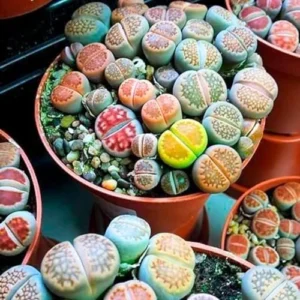
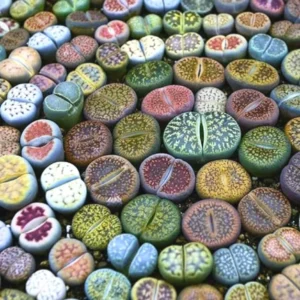
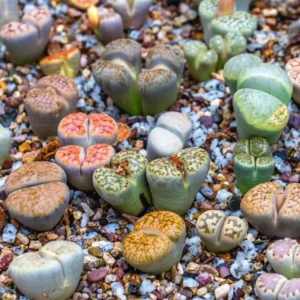
Lithops Live Plants Mix – 30 Colorful Succulents – Living Stones for Indoor/Outdoor Planting
Sold 65 products
Original price was: $65.98.$32.99Current price is: $32.99.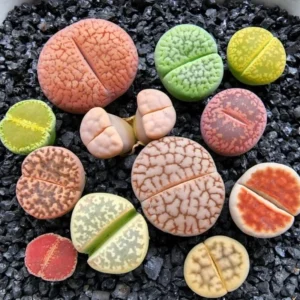
Sold 89 products
Original price was: $39.98.$19.99Current price is: $19.99.
HousePlants
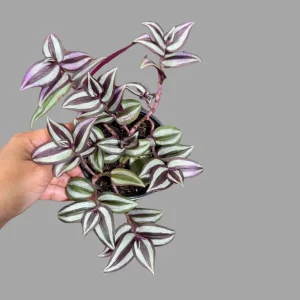
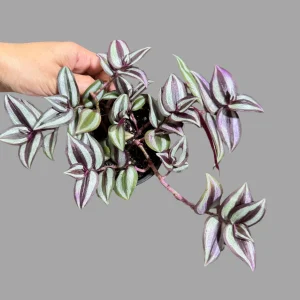
Pink Silver Wandering Jew Live Plant – Tradescantia in 3″ Nursery Pot – Easy Care Indoor Houseplant
Sold 68 products
Original price was: $55.96.$27.98Current price is: $27.98.
Trees
Atemoya Live Plant – Na Hoang Hau Variety – 1 to 2 Feet Tall – Tropical Fruit Tree in 3 Gallon Pot
Sold 82 products
Original price was: $319.96.$159.98Current price is: $159.98.
HousePlants
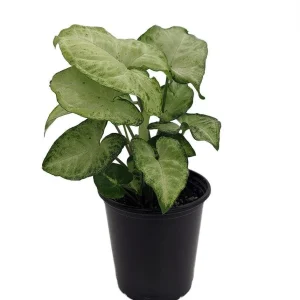
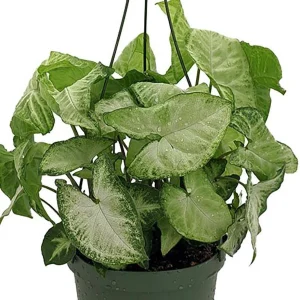
White Butterfly Arrowhead Plant – Syngonium Podophyllum Live Plant – 3.5″ Pot – Indoor Foliage
Sold 59 products
Original price was: $41.56.$20.78Current price is: $20.78.





Reviews
There are no reviews yet.