
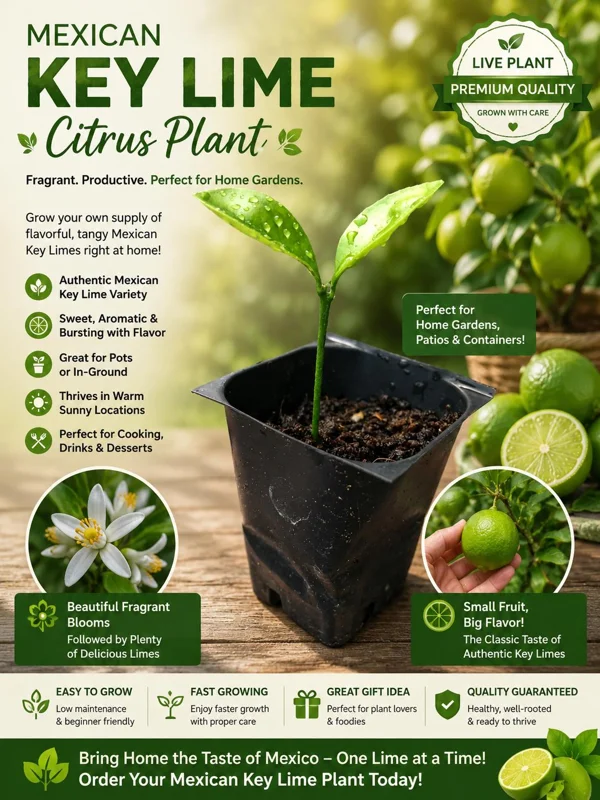
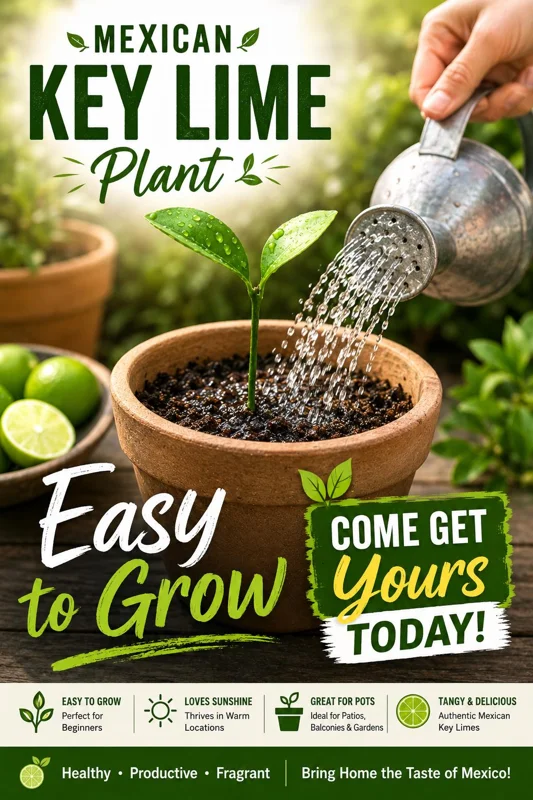

Mexican Key Lime Live Plant – Citrus Tree Seedling – 1-2 Inches Tall Starter Plug
From $20.38
Cultivate your own delicious limes with this mexican key lime live plant. This citrus tree starter plug, approximately 1-2 inches tall, is perfect for growing fresh key limes at home. Ideal for beginners, this small citrus tree seedling will thrive with proper care.
-
USDA Hardiness Zone
USDA zones 9-11 (outdoors) or indoors -
Soil Type
Well-draining, slightly acidic to neutral potting mix -
Sunlight Exposure
Full sun (6-8+ hours direct light) -
Expected Planting Period
Year-round indoors or spring to summer outdoors

You can track your order HERE
Jul 28
Aug 02 - Aug 04
Aug 07 - Aug 11
Shipping and return policies: Our Alive & Thrive Guarantee covers issues with your plants within the first 30 days. Reach out to us. Our team will answer your questions and help you find the plants that are truly suitable for your environment, climate, and personal preferences.

Overview
Embark on a rewarding gardening journey with your very own mexican key lime live plant. This offering includes a vibrant and healthy citrus tree seedling, providing you with the foundation to grow your own delicious and aromatic key limes. Often referred to as West Indian Lime, Bartender’s Lime, or Omani Lime, the Mexican Key Lime (Citrus aurantifolia) is renowned for its small, intensely flavored fruit, essential for pies, cocktails, and culinary delights. This particular plant is a starter plug, approximately 1-2 inches tall, representing a young, vigorous beginning. Growing a mexican key lime live plant allows you to enjoy fresh, organic limes right from your garden or patio, adding a touch of tropical zest to your life.
This citrus tree seedling is nurtured to ensure a strong start. It’s a fantastic choice for both seasoned gardeners and those new to growing citrus, offering the unique satisfaction of harvesting your own fruit. The small size makes it easy to handle and transplant, allowing you to establish it in your preferred growing environment. With proper care, this diminutive seedling will mature into a productive lime tree, gracing your space with its fragrant blossoms and abundant fruit.
Key Benefits
Growing a mexican key lime live plant offers a multitude of benefits, from fresh culinary ingredients to enhancing your living space with its unique charm. This versatile citrus tree is a rewarding addition to any home.
- Fresh, Flavorful Limes: Enjoy an endless supply of small, juicy, and intensely aromatic key limes, perfect for baking, beverages, and savory dishes. The flavor of homegrown limes is unparalleled.
- Aromatic & Decorative: The glossy green foliage and fragrant white blossoms of the key lime tree indoor or outdoor create a beautiful and aromatic display, enhancing the aesthetic appeal of your home or garden.
- Year-Round Harvest Potential: In warmer climates or with proper indoor care, key lime trees can produce fruit almost year-round, ensuring a consistent supply of fresh limes.
- Compact Growth Habit: Mexican Key Lime trees are known for their relatively compact size, making them suitable for container growing on patios, balconies, or indoors in sunny locations.
- Educational & Rewarding: Nurturing a citrus tree seedling from a young stage provides an educational experience and the immense satisfaction of watching it grow and bear fruit.
- Health Benefits: Key limes are packed with Vitamin C and antioxidants, contributing to a healthy diet and lifestyle.
- Easy to Grow from Seedling: With basic care, you can successfully grow key lime from seedling into a mature, fruit-bearing tree, making it accessible even for novice gardeners.
Plant Care & Growing Tips
Proper key lime plant care is essential for a thriving and productive tree. While robust, these citrus plants benefit greatly from consistent attention to their environmental needs. They prefer a bright, sunny location, ideally receiving at least 6-8 hours of direct sunlight daily. If growing indoors, place your plant near a south-facing window or supplement with a grow light, especially during shorter winter days. Rotate the plant regularly to ensure even growth and light exposure.
Watering should be consistent but not excessive. Allow the top inch or two of the soil to dry out between waterings. Overwatering can lead to root rot, which is detrimental to citrus trees. Ensure your pot has excellent drainage. Mexican Key Lime trees thrive in well-draining soil with a slightly acidic to neutral pH (6.0-7.0). A good quality potting mix formulated for citrus or a blend of potting soil, perlite, and peat moss works well. Regular fertilization is key during the growing season (spring through fall) using a balanced citrus-specific fertilizer according to package directions. Reduce feeding in winter when growth slows.
These plants prefer warm temperatures, ideally between 60-90°F (15-32°C). Protect them from frost, as they are not cold-hardy. If growing outdoors in a colder climate, they should be brought indoors before temperatures drop. Pruning can be done to maintain shape, encourage bushier growth, and remove any dead or diseased branches. Watch out for common citrus pests like aphids, spider mites, and scale insects; address them promptly with insecticidal soap or neem oil. Understanding how to grow key lime from seedling successfully involves consistent monitoring and adjusting care as the plant matures. A healthy citrus tree seedling will gradually develop into a robust plant, ready to bear fruit.
Size & Details
This offering is for a healthy mexican key lime live plant, provided as a starter plug. Each plant is approximately 1-2 inches tall, representing a very young but viable citrus tree seedling. It is not a bare root plant, but rather comes with its own small soil plug, facilitating easier transplanting and establishment. While individual plant size may vary slightly as they are natural products, the typical height range is consistent. These small seedlings are designed to be nurtured from an early stage, allowing you to observe their growth and development firsthand. They are ready to be potted into a larger container upon arrival, giving them room to expand their root system and begin their journey towards maturity.
Expected growth rates will depend on environmental conditions and care, but with optimal light, water, and nutrients, this citrus tree seedling will steadily increase in size. While fruit production won’t be immediate, a well-cared-for plant can begin to flower and fruit within 2-3 years, providing a long-term source of fresh key limes. The compact nature of the Mexican Key Lime tree also makes it an excellent candidate for bonsai or small garden spaces.
Frequently Asked Questions
- Q: How big does this plant get? A: This is a starter plug, approximately 1-2 inches tall. With proper care, a mature Mexican Key Lime tree can reach 6-13 feet tall outdoors, but can be kept much smaller (3-6 feet) in containers indoors with pruning.
- Q: Is this an indoor or outdoor plant? A: The mexican key lime live plant can be grown both indoors and outdoors. In USDA zones 9-11, it can thrive outdoors year-round. In colder climates, it must be brought indoors during winter or grown permanently as a potted key lime tree indoor.
- Q: How much sunlight does it need? A: Mexican Key Lime trees require at least 6-8 hours of direct sunlight per day. If growing indoors, place it in the brightest possible location, such as a south-facing window, or use supplemental grow lights.
- Q: Is this plant easy to care for? A: Yes, this citrus tree seedling is relatively easy to care for once its basic needs for sunlight, water, and well-draining soil are met. It’s a great choice for gardeners looking to try growing citrus.
- Q: What condition will it arrive in? A: Your mexican key lime live plant will arrive as a healthy starter plug, carefully packaged to ensure its safety during transit. It will be a small, young plant with its own soil.
- Q: Can I use key lime in cooking? A: Absolutely! Key limes are famous for their distinct tart flavor and aroma, making them perfect for pies, cocktails, marinades, and various culinary dishes. Growing your own ensures a fresh supply.
- Q: How long until it blooms or fruits? A: A young citrus tree seedling like this will typically start blooming and producing fruit within 2-3 years, given optimal growing conditions and care. Patience is key when you grow key lime from seedling.
- Q: What’s the minimum temperature it can tolerate? A: Mexican Key Lime trees are sensitive to cold. They can tolerate brief dips to around 32°F (0°C), but prolonged exposure to temperatures below 50°F (10°C) can cause damage. Always protect from frost.
- Q: What kind of soil is best for a key lime plant? A: A well-draining potting mix is crucial. Look for mixes specifically designed for citrus plants, or create your own by combining good quality potting soil with perlite and some peat moss for aeration and slight acidity.
- Q: How often should I fertilize my key lime plant? A: During the active growing season (spring through fall), fertilize every 4-6 weeks with a balanced, slow-release citrus fertilizer. Reduce or stop fertilizing in winter when the plant’s growth slows down.
| Quantity | X1, X2, X4 |
|---|
Be the first to review “Mexican Key Lime Live Plant – Citrus Tree Seedling – 1-2 Inches Tall Starter Plug”
People Also Viewed
Sold 53 products
Original price was: $119.74.$71.84Current price is: $71.84.
Sold 80 products
Original price was: $59.96.$29.98Current price is: $29.98.
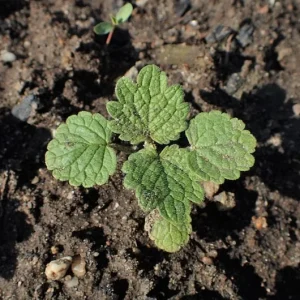
Sold 99 products
Original price was: $25.98.$9.99Current price is: $9.99.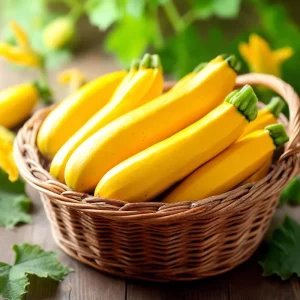
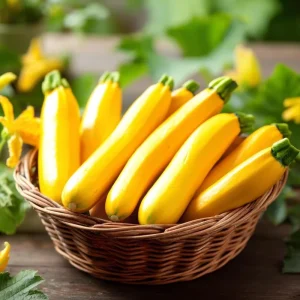
Sold 90 products
Original price was: $31.99.$11.99Current price is: $11.99.
Sold 68 products
Original price was: $95.96.$47.98Current price is: $47.98.
Sold 90 products
From $29.99
Sold 82 products
From $71.96
Sold 93 products
Original price was: $49.98.$24.99Current price is: $24.99.
Sold 52 products
From $8.38
Sold 83 products
Original price was: $75.98.$37.99Current price is: $37.99.
Sold 63 products
From $75.96
Sold 51 products
Original price was: $65.98.$32.99Current price is: $32.99.
Sold 88 products
Original price was: $61.56.$30.78Current price is: $30.78.

Sold 67 products
Original price was: $41.56.$20.78Current price is: $20.78.
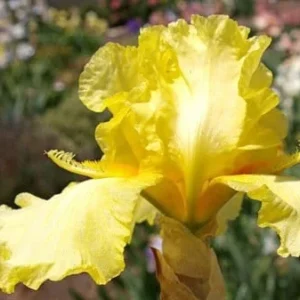
Flower Plants
Summer Olympics Bearded Iris – Iris germanica Live Plant, Creamy Yellow, Reblooming, Zone 3-9
Sold 87 products
Original price was: $59.80.$29.90Current price is: $29.90.
Sold 89 products
Original price was: $85.98.$42.99Current price is: $42.99.
Sold 74 products
Original price was: $29.98.$16.99Current price is: $16.99.
Sold 93 products
Original price was: $35.98.$17.99Current price is: $17.99.




%20Apple%20Grafted%20Fruit%20Tree%20Bare-root%20–%20Outdoor%20Orchard%20Plant&url=https://gardennursery.net/product/mutsu-crispin-apple-grafted-fruit-tree-bare-root-outdoor-orchard-plant/&media=https://img.gardennursery.net/2026/01/mutsu-crispin-apple-grafted-fruit-tree-bare-root-o.webp)


Reviews
There are no reviews yet.