

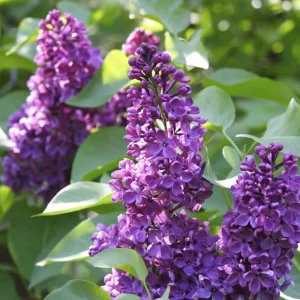
2 Pack Purple Lilac Potted Plants, 6-12″ Tall, Reblooming Syringa Live Bushes
Original price was: $85.98.$42.99Current price is: $42.99.
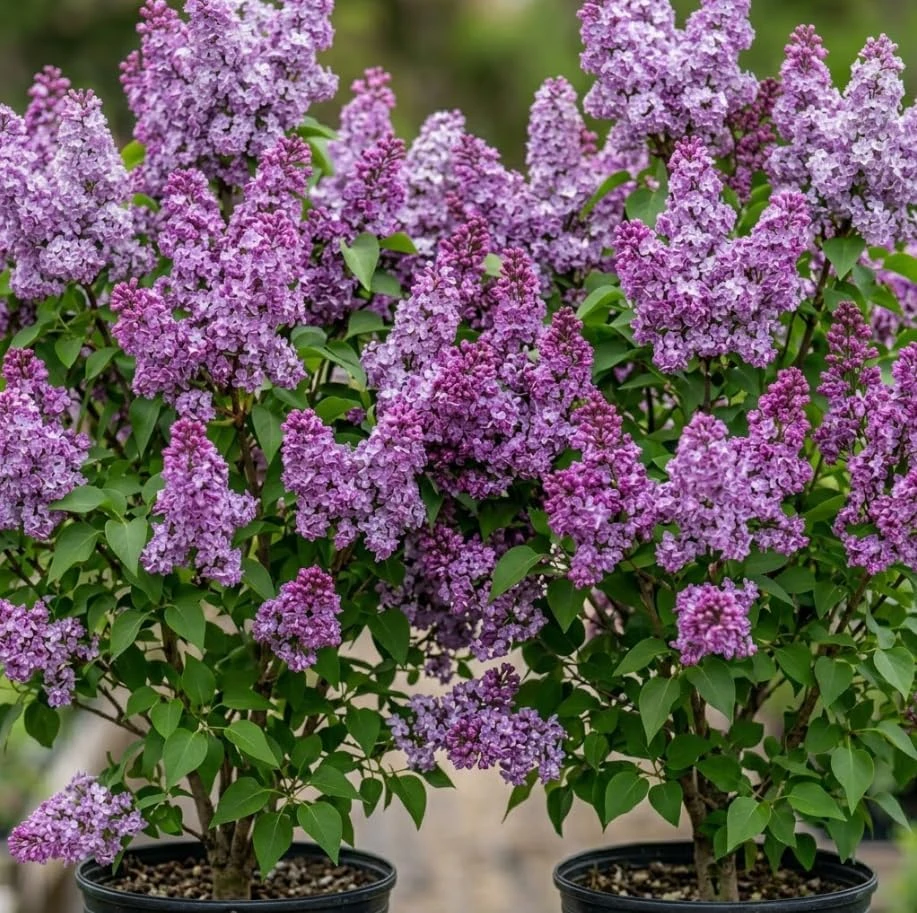
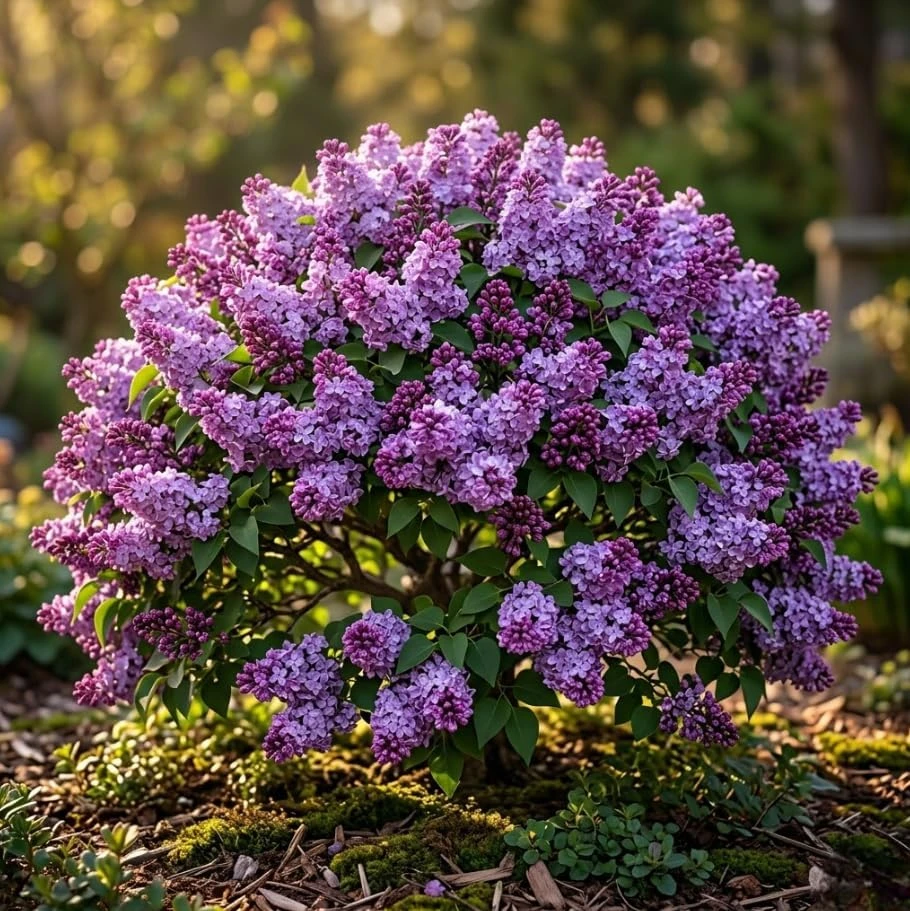
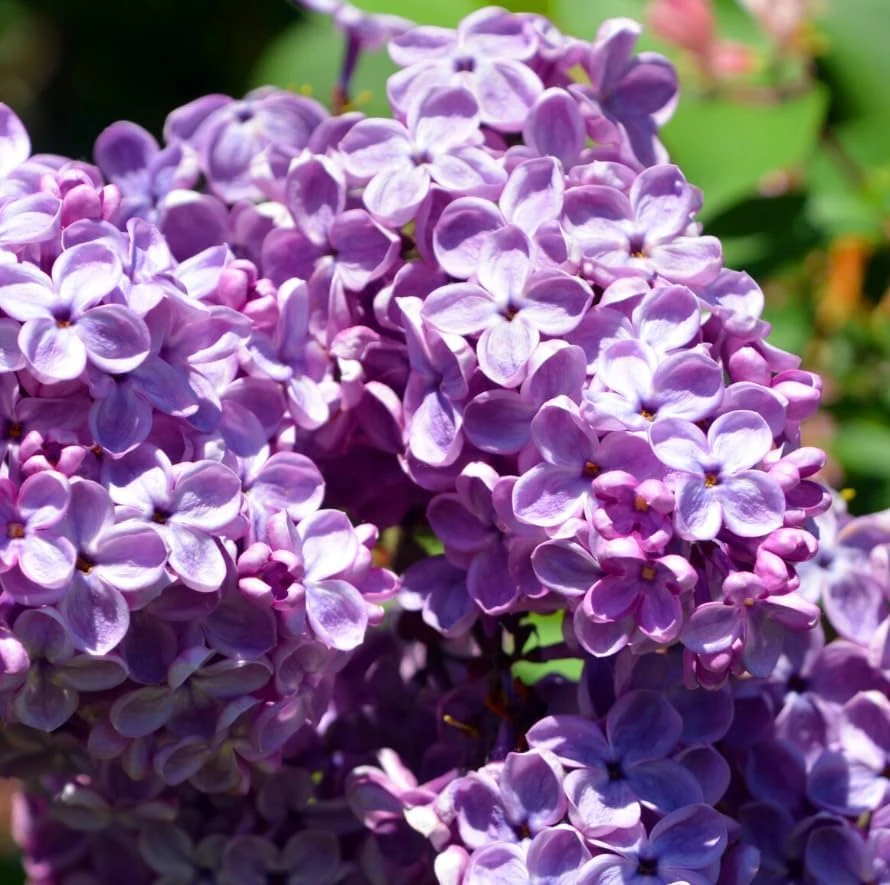
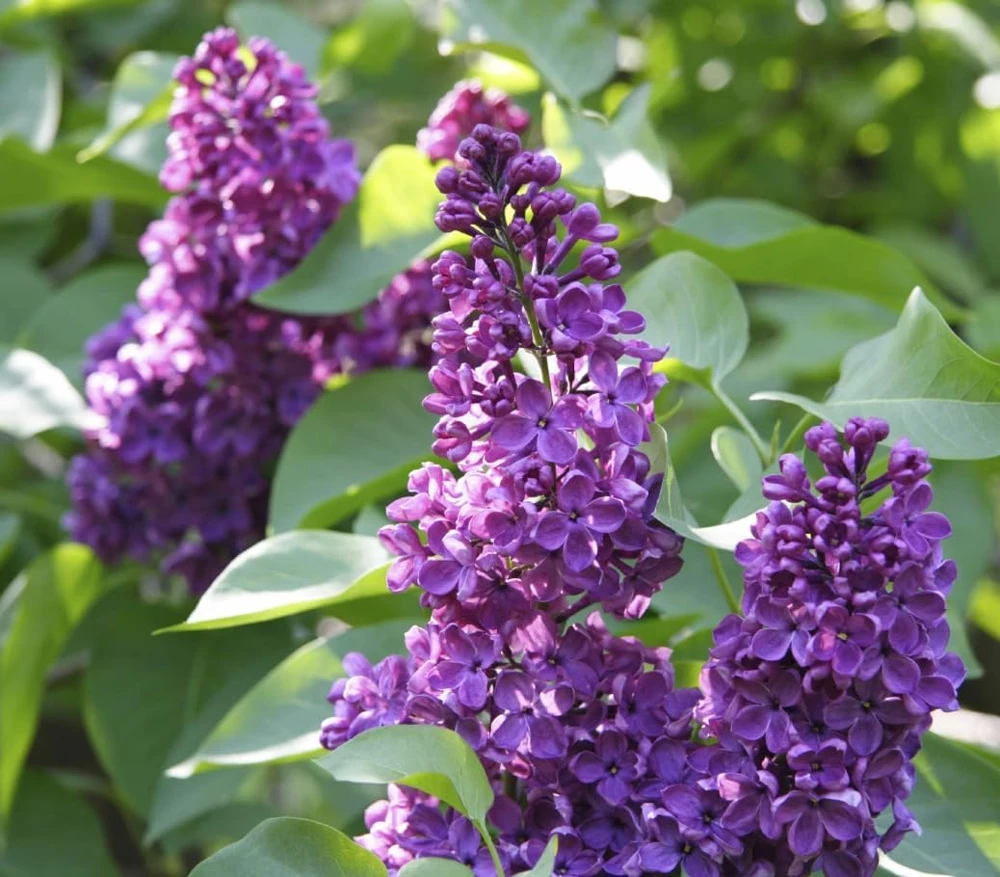
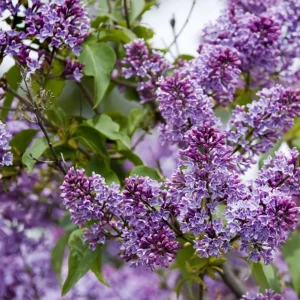
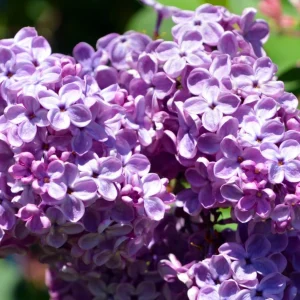
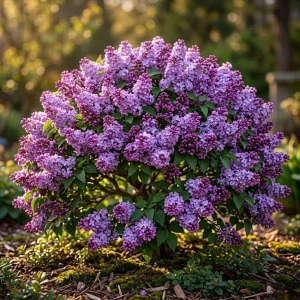
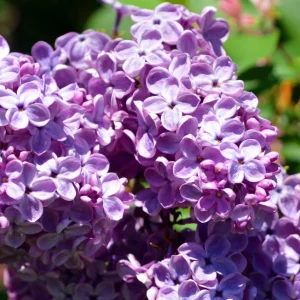
Bring classic fragrance and beauty to your landscape with this purple lilac live plant 2-pack. These 6-12″ tall, established reblooming lilac bush specimens are ready for planting and will produce vibrant purple blooms, often reblooming later in the season. Enjoy the timeless appeal of this fragrant lilac plant.
-
USDA Hardiness Zone
USDA Zones 3-7 -
Soil Type
Well-draining, neutral to slightly alkaline soil -
Sunlight Exposure
Full sun -
Expected Planting Period
Spring to early fall

You can track your order HERE
Oct 30
Nov 04 - Nov 06
Nov 09 - Nov 13
Shipping and return policies: Our Alive & Thrive Guarantee covers issues with your plants within the first 30 days. Reach out to us. Our team will answer your questions and help you find the plants that are truly suitable for your environment, climate, and personal preferences.

Overview
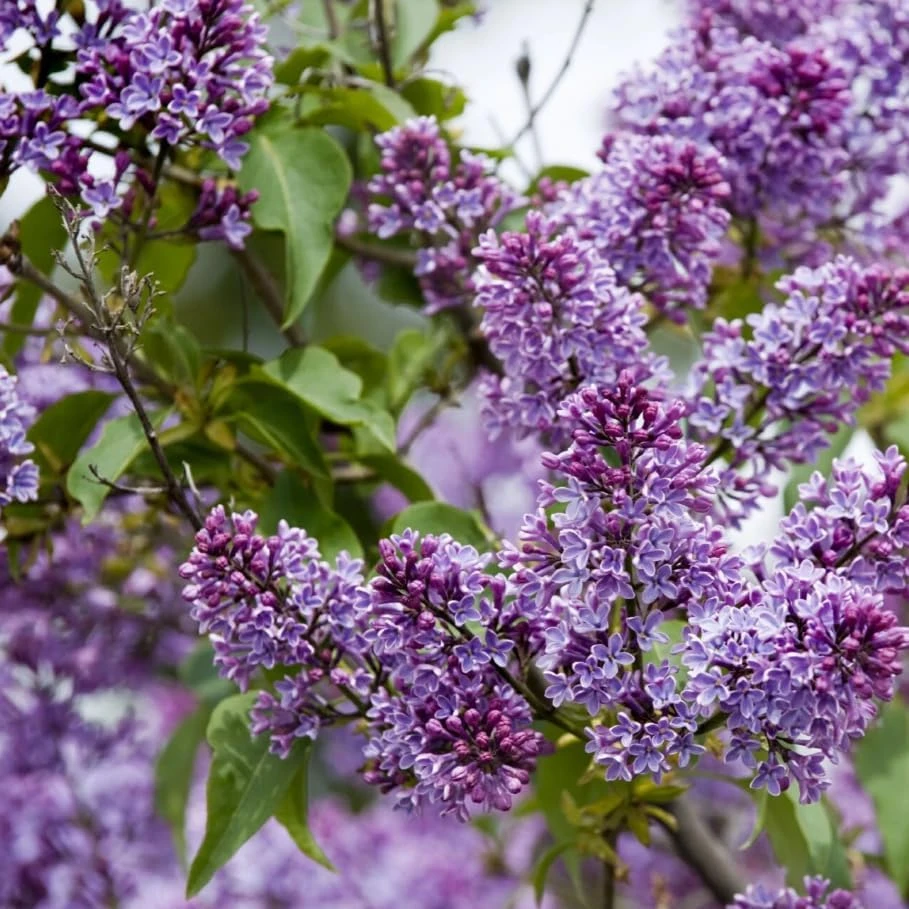
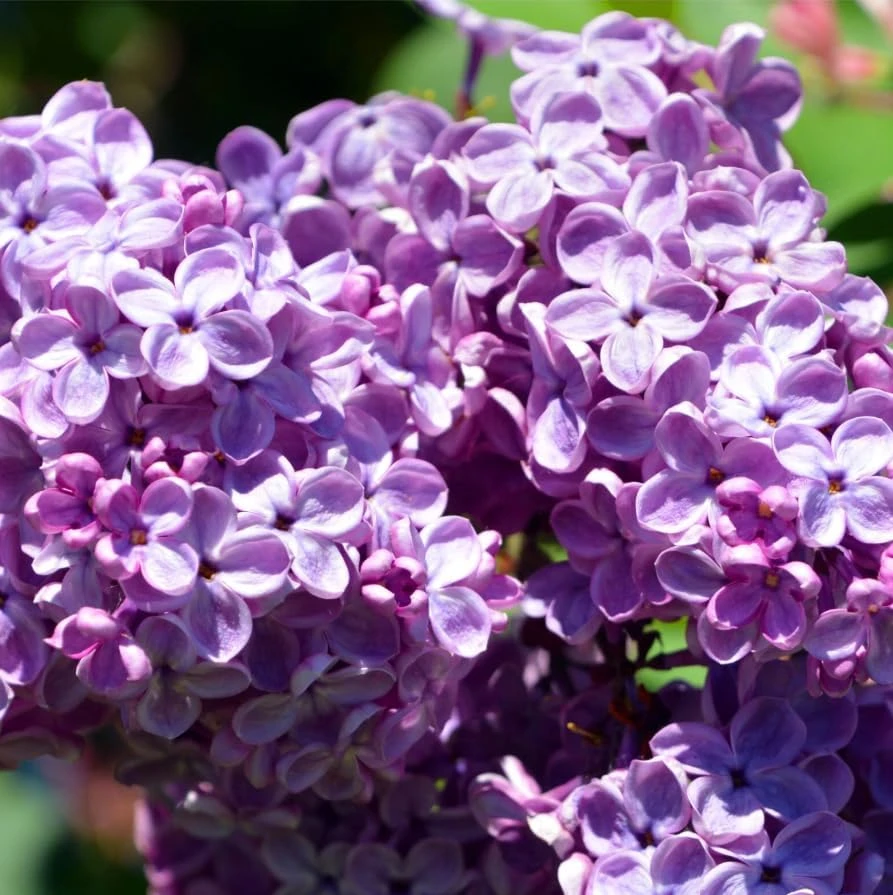
Transform your garden into a fragrant oasis with this exquisite 2-pack of purple lilac live plant specimens. These 6-12 inch tall, established plants are ready to bring their timeless beauty and intoxicating scent to your outdoor space. Known scientifically as Syringa vulgaris, the lilac is a beloved deciduous shrub celebrated for its dense clusters of highly fragrant, rich purple flowers that emerge in spring. This particular variety offers the added delight of reblooming later in the season, extending its vibrant display and classic charm. Perfect for creating a stunning focal point, a fragrant hedge, or adding vertical interest to mixed borders, these purple lilac live plant bushes are a quintessential addition to any garden, evoking a sense of nostalgia and natural elegance.
Each plant arrives healthy and ready for transplanting, ensuring a smooth transition to your garden, landscape bed, or a large decorative container. The allure of the lilac lies not only in its visual appeal but also in its captivating fragrance, which can perfume an entire yard. These robust shrubs are known for their resilience and relatively low maintenance once established, making them suitable for gardeners of all experience levels. Embrace the joy of spring blooms and the possibility of a second flush of flowers with these exceptional purple lilac live plant specimens, promising years of enjoyment and a truly enchanting garden experience.
Key Benefits
Investing in a purple lilac live plant offers a multitude of benefits for your garden and well-being. These magnificent shrubs provide more than just visual appeal; they create an immersive sensory experience.
- Stunning Fragrance: The most iconic feature of lilacs is their incredibly sweet and captivating scent. Planted near a patio or window, the fragrant blooms will fill your outdoor living spaces and even drift indoors, creating a delightful atmosphere.
- Beautiful Spring Blooms: Enjoy an abundance of rich purple flowers each spring, signaling the arrival of warmer weather and adding a burst of vibrant color to your landscape. The classic charm of an old fashion lilac is truly unmatched.
- Potential for Reblooming: Unlike traditional lilacs, this variety has the potential to rebloom later in the season, offering a second wave of beautiful flowers and extending the period of enjoyment.
- Attracts Pollinators: The nectar-rich flowers are a magnet for bees, butterflies, and other beneficial pollinators, contributing to a healthy and biodiverse garden ecosystem.
- Low Maintenance Once Established: After initial planting and establishment, these syringa tree bushes are remarkably hardy and require minimal care, thriving with basic watering and occasional pruning.
- Versatile Landscape Use: Ideal for hedges, specimen plantings, foundation plantings, or adding height and structure to perennial beds, their versatility makes them suitable for various garden designs.
- Classic & Timeless Appeal: Lilacs have been cherished for generations, bringing a sense of tradition and enduring beauty to any home garden. A reblooming lilac bush is a true garden classic.
Plant Care & Growing Tips
Caring for your purple lilac live plant is straightforward, ensuring years of beautiful blooms and fragrant enjoyment. Lilacs thrive in conditions that mimic their natural habitat, requiring attention to sunlight, soil, and watering. For optimal flowering, these bushes need at least 6 hours of direct sunlight per day. Full sun exposure is crucial for abundant blooms and healthy growth. While they can tolerate some partial shade, too little sun will result in fewer flowers and leggy growth. When choosing a planting location, consider areas that receive morning sun and afternoon sun.
Well-draining soil is paramount for lilac health. They prefer a neutral to slightly alkaline soil pH. Avoid heavy, waterlogged soils, which can lead to root rot. If your soil is heavy clay, amend it with organic matter like compost or aged manure to improve drainage and aeration. Water your newly planted syringa tree regularly to keep the soil consistently moist but not soggy, especially during its first year. Once established, lilacs are relatively drought-tolerant but will benefit from deep watering during prolonged dry spells. Fertilize in early spring with a balanced, slow-release granular fertilizer, or one formulated for flowering shrubs. Avoid over-fertilizing with high-nitrogen formulas, as this can promote leafy growth at the expense of flowers.
Pruning is best done immediately after the spring bloom, as lilacs bloom on old wood. Remove spent flower clusters to encourage energy for new growth and future blooms. You can also thin out older, unproductive stems to rejuvenate the bush and improve air circulation. Lilacs are hardy in USDA Zones 3-7, making them suitable for a wide range of climates. During winter, these plants naturally enter dormancy, shedding their leaves. This is a normal and healthy process, and they will leaf out again in spring. Watch for common pests like powdery mildew or borers, treating with appropriate organic or chemical solutions if necessary to maintain a healthy reblooming lilac bush.
Size & Details
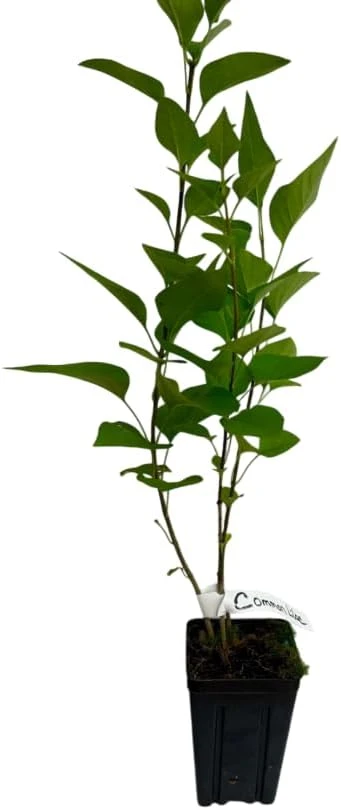
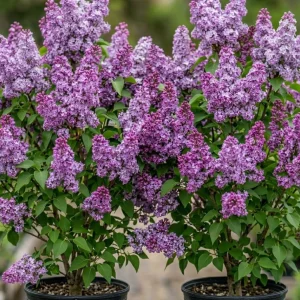
This offering includes a pack of two purple lilac live plant specimens, each standing approximately 6-12 inches tall from the top of the soil. These plants are shipped established in 4-inch nursery pots, complete with their root systems intact and healthy, ready for immediate transplanting upon arrival. Lilacs are moderate to fast growers, typically adding 1-2 feet of height per year once established. Mature plants can reach heights of 8-15 feet and spreads of 6-12 feet, depending on the variety and pruning practices. The old fashion lilac is known for its robust growth habit.
Expect your plants to begin producing fragrant purple blooms in their first or second year after planting, with more abundant flowering as they mature. The reblooming characteristic means you may enjoy a second flush of flowers in late summer or early fall, following the main spring display. These plants are ideal for creating a dense hedge or a striking specimen plant. They are shipped with care to ensure they arrive in excellent condition, though they may appear dormant or without leaves if shipped during the cooler months, which is completely normal for deciduous plants.
Frequently Asked Questions
- Q: How big do these purple lilac plants get? A: These purple lilac live plant specimens are currently 6-12 inches tall. When mature, they can reach heights of 8-15 feet and spreads of 6-12 feet, creating a substantial and fragrant bush in your landscape.
- Q: What size pot does it come in? A: Each reblooming lilac bush is shipped in a 4-inch nursery pot, providing a healthy root system ready for transplanting into your garden or a larger container.
- Q: Is this an indoor or outdoor plant? A: Lilacs are outdoor plants, thriving in full sun and requiring a period of cold dormancy to bloom properly. They are not suitable for long-term indoor cultivation.
- Q: How much sunlight does it need? A: For the best blooms, your syringa tree requires at least 6 hours of direct sunlight per day. More sun generally leads to more abundant and vibrant flowers.
- Q: Is this plant easy to care for? A: Yes, once established, lilacs are considered low-maintenance shrubs. They are quite hardy and tolerant of various conditions, making them a good choice for beginners and experienced gardeners alike.
- Q: What condition will it arrive in? A: Your plants will arrive well-packaged and healthy. If ordered during colder months, they may be dormant and leafless, which is normal for deciduous plants and not a cause for concern.
- Q: When is the best time to plant? A: The best time to plant your fragrant lilac plant is in spring or early fall. This allows the roots to establish before the stress of extreme summer heat or winter cold.
- Q: Will it survive winter in my zone? A: Lilacs are very cold hardy and thrive in USDA Zones 3-7. They require a cold dormancy period to set buds for spring flowering.
- Q: How long until it blooms? A: You can expect your purple lilac live plant to start blooming in its first or second year after planting, with blooms becoming more prolific as the plant matures.
- Q: What kind of soil does it prefer? A: Lilacs prefer well-draining soil with a neutral to slightly alkaline pH. Avoid heavy clay soils that retain too much moisture.
Be the first to review “2 Pack Purple Lilac Potted Plants, 6-12″ Tall, Reblooming Syringa Live Bushes”
People Also Viewed



Vegetable Seeds
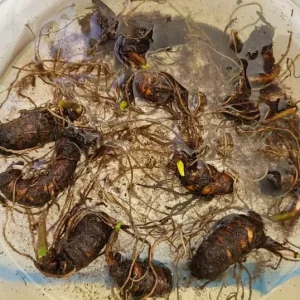
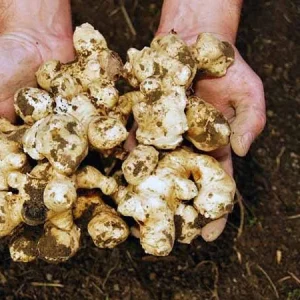
Organic Jerusalem Artichoke Seed Tubers – Sunchoke – Small Size
Sold 69 products
From $9.98

Vegetable Seeds
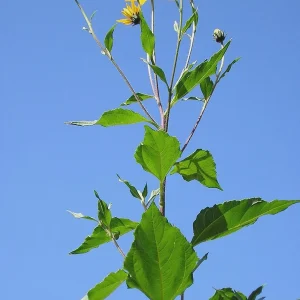
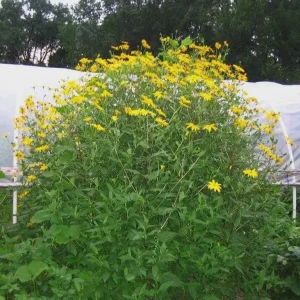
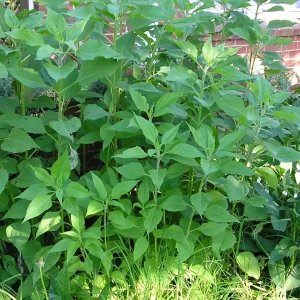
Jerusalem Artichoke Sunchoke Seeds – 20 Count Helianthus Tuberosus Yellow Flower Perennial
Sold 79 products
Original price was: $18.76.$9.38Current price is: $9.38.
HousePlants
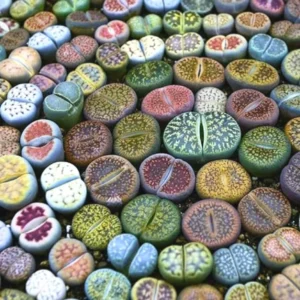
Lithops Live Plants Mix – 30 Colorful Succulents – Living Stones for Indoor/Outdoor Planting
Sold 92 products
Original price was: $65.98.$32.99Current price is: $32.99.




Vegetables
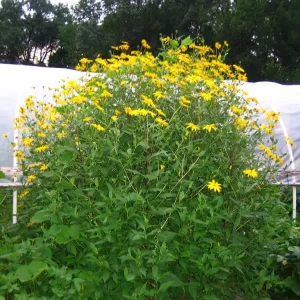
Organic Jerusalem Artichoke Tubers – Early Dwarf Sunray Sunchoke – 1 Lb for Planting or Eating
Sold 52 products
Original price was: $91.96.$45.98Current price is: $45.98.










Reviews
There are no reviews yet.