
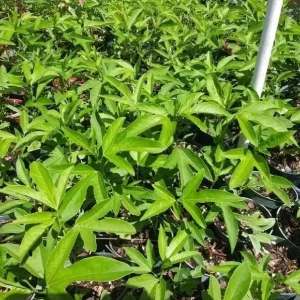
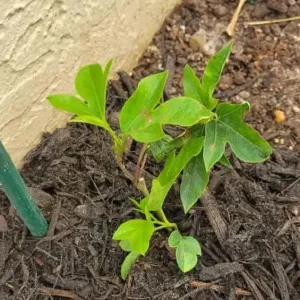
Maypop Passion Flower Live Plant – 6-12″ Tall – Hardy Purple Blooming Vine for Garden & Trellis
Original price was: $27.49.$19.24Current price is: $19.24.
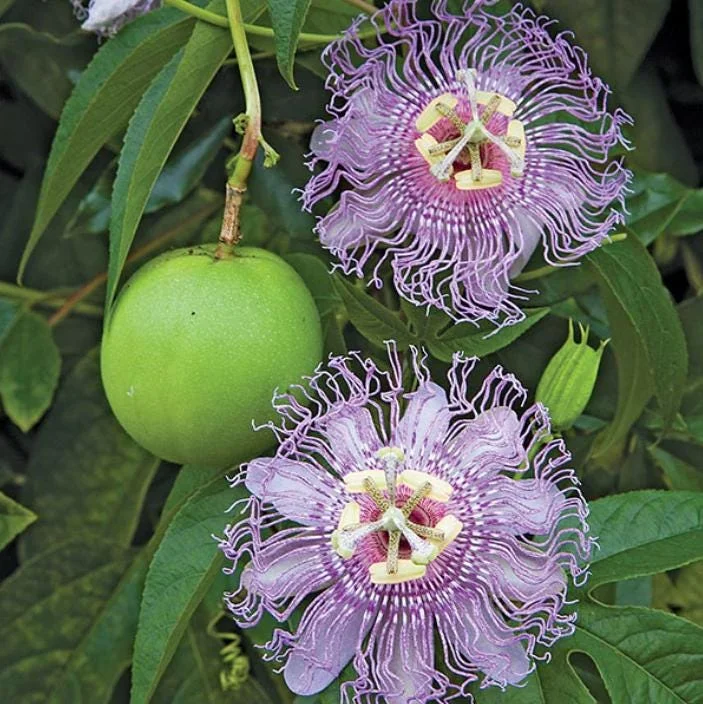
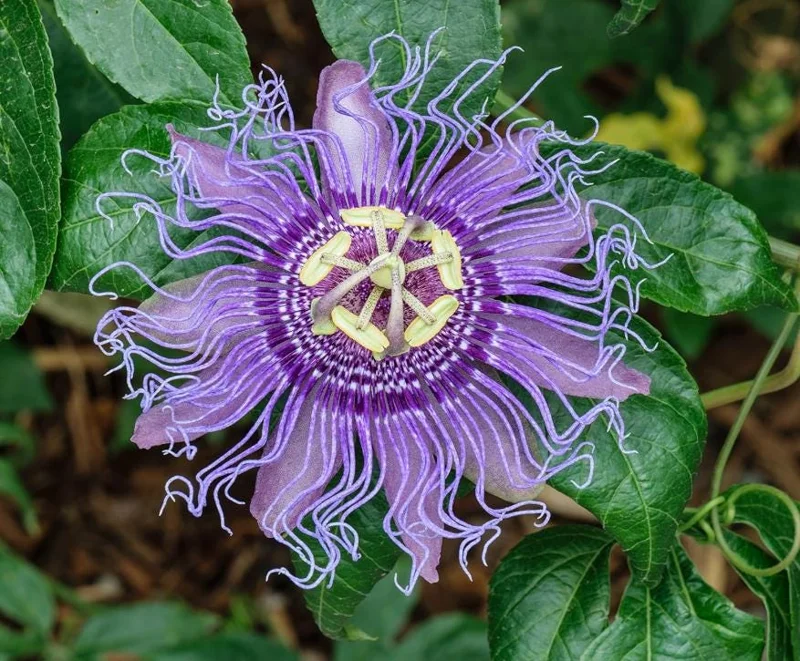
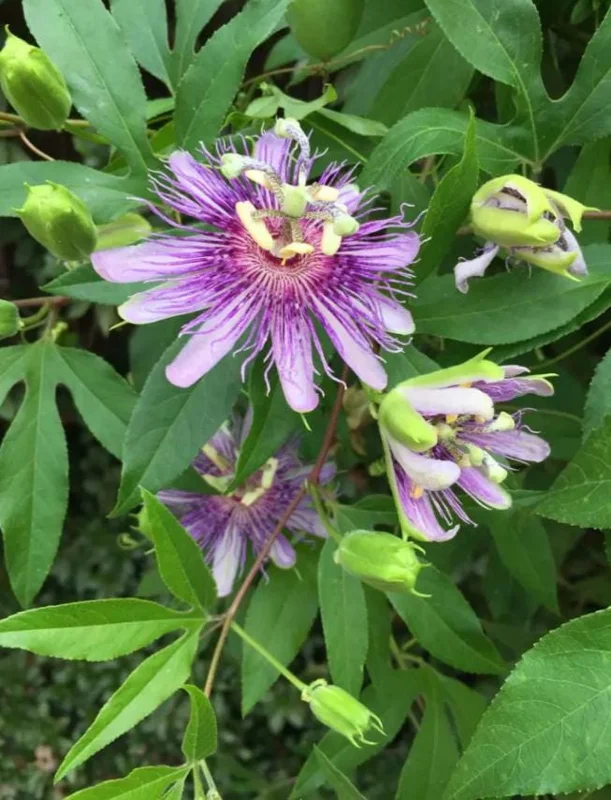
Bring exotic beauty to your garden with a maypop passion flower live plant. This beautiful 6-12″ tall hardy purple blooming vine is perfect for trellises, fences, or ground cover, offering unique flowers and delicious edible fruit.
-
USDA Hardiness Zone
USDA Zones 5-9 -
Soil Type
Well-draining soil -
Sunlight Exposure
Full sun -
Expected Planting Period
Spring to early summer

You can track your order HERE
Oct 24
Oct 29 - Oct 31
Nov 03 - Nov 07
Shipping and return policies: Our Alive & Thrive Guarantee covers issues with your plants within the first 30 days. Reach out to us. Our team will answer your questions and help you find the plants that are truly suitable for your environment, climate, and personal preferences.

Overview
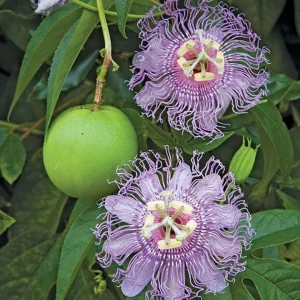
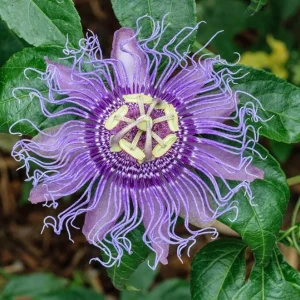
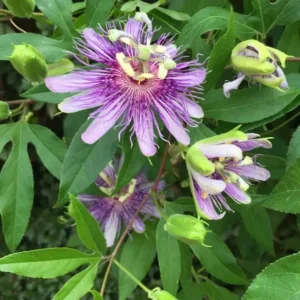
Transform your outdoor space with the captivating beauty of a maypop passion flower live plant. Known botanically as Passiflora incarnata, the Maypop is a vigorous, fast-growing vine cherished for its stunning, intricate purple flowers and its unique, edible fruit. This hardy perennial vine is a true marvel, adding an exotic touch to any garden while also attracting pollinators like bees and butterflies. Unlike some more tender passion flowers, the maypop passion flower live plant is remarkably resilient, thriving in a wide range of climates and returning year after year to adorn your landscape with its distinctive charm. Each plant arrives ready to establish itself, eager to climb and create a breathtaking display.
The Maypop, also sometimes called Purple Passion Flower, wild apricot, or ‘Ocoee’ in some regions, is native to the southeastern United States. Its common name, “Maypop,” comes from the sound its ripe fruit makes when stepped on. Beyond its ornamental appeal, this plant offers a delightful harvest of passion fruit, which can be enjoyed fresh or used in various culinary applications. Growing a maypop passion flower live plant means embracing both visual splendor and a taste of the wild, making it a perfect addition for gardeners seeking beauty and productivity.
Key Benefits
Cultivating a maypop passion flower live plant offers a multitude of advantages for both the gardener and the environment. Its unique characteristics make it a standout choice for various garden designs and purposes.
- Stunning Ornamental Value: The intricate, vibrant purple and white flowers are truly a sight to behold, adding an exotic and tropical feel to any garden. They bloom profusely throughout the summer, providing continuous visual interest.
- Edible Fruit Production: Enjoy delicious, sweet-tart fruit, known as maypops, which ripen in late summer to early fall. These can be eaten fresh, made into jellies, or used in desserts, offering a delightful culinary bonus from your hardy passion vine.
- Attracts Pollinators: The large, showy flowers are a magnet for bees, butterflies, and other beneficial insects, supporting local ecosystems and encouraging biodiversity in your garden. This makes your garden a lively hub of activity.
- Vigorous Growth & Coverage: As a fast-growing vine, it quickly covers trellises, arbors, fences, or walls, providing excellent privacy, shade, and a lush green backdrop. It’s an ideal choice for quickly establishing vertical interest.
- Remarkable Hardiness: Unlike many tropical passion flowers, Passiflora incarnata is extremely cold hardy, typically surviving winters in USDA Zones 5-9. It dies back to the ground in colder climates but reliably re-emerges in spring.
- Low Maintenance: Once established, this plant is relatively drought-tolerant and requires minimal care, making it suitable for both experienced gardeners and beginners looking for a rewarding plant.
- Unique Conversation Starter: The distinctive appearance of the flowers and the intriguing edible fruit make the purple passion flower a fascinating plant that is sure to spark curiosity and conversation among visitors.
Plant Care & Growing Tips
Proper care ensures your maypop passion flower live plant thrives and produces abundant flowers and fruit. Understanding its specific needs will lead to a successful and rewarding growing experience. This hardy vine is generally forgiving, but a few key considerations will help it reach its full potential.
For optimal growth, plant your passiflora incarnata care in a location that receives full sun, meaning at least 6-8 hours of direct sunlight per day. While it can tolerate partial shade, flowering and fruiting will be significantly reduced. Ensure the planting site has well-draining soil, as Maypops do not like to sit in waterlogged conditions. A slightly acidic to neutral pH (6.0-7.0) is ideal. If your soil is heavy clay, amend it with organic matter like compost to improve drainage and fertility. Provide a sturdy support structure like a trellis, arbor, or fence for the vine to climb, as it can grow quite vigorously.
Water your maypop passion flower live plant regularly, especially during dry spells and when the plant is young and establishing. Once mature, it is fairly drought-tolerant but will perform best with consistent moisture. Fertilize sparingly; a balanced slow-release fertilizer in spring is usually sufficient. Avoid over-fertilizing with high nitrogen, as this can promote leafy growth at the expense of flowers and fruit. In colder zones (USDA 5-6), the plant will die back to the ground in winter. Apply a thick layer of mulch around the base in late fall to protect the roots. In spring, new shoots will emerge. Pruning can be done in late winter or early spring to remove dead or weak growth and to manage its size and shape. Watch out for common pests like aphids or spider mites, which can usually be controlled with insecticidal soap if necessary. Proper passiflora incarnata care will ensure a vibrant and productive vine for years.
Size & Details
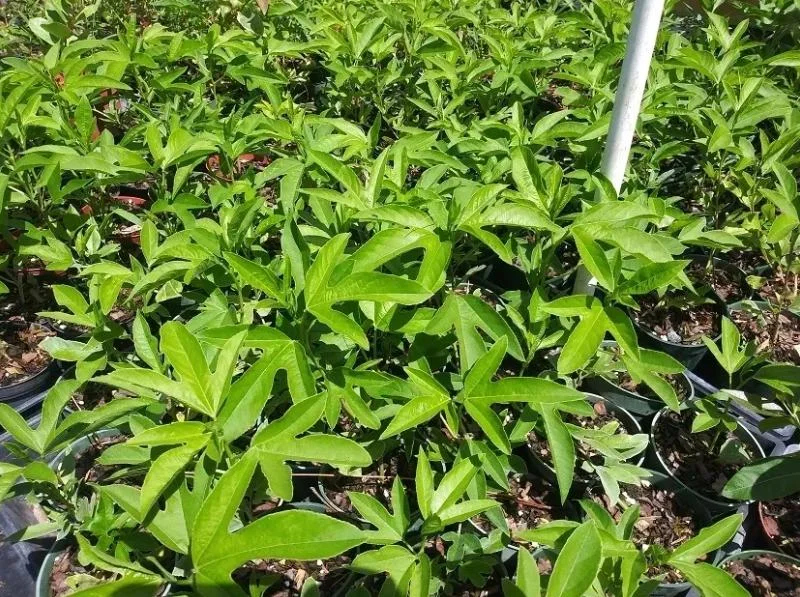
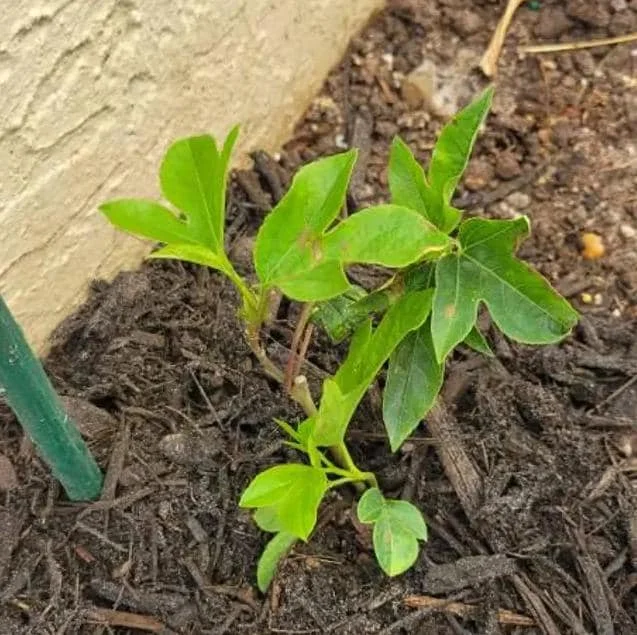
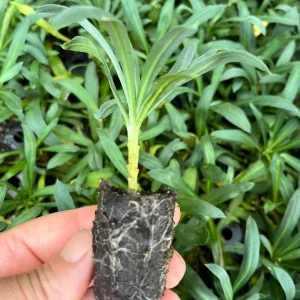
This offering is for one maypop passion flower live plant, typically shipped at a height of 6-12 inches tall. These plants are well-rooted and ready for transplanting into your garden or a larger container. They are shipped without a pot to minimize shipping costs and environmental impact, with roots carefully protected. The Maypop is a fast-growing vine, capable of reaching lengths of 10-25 feet in a single growing season once established, depending on growing conditions and climate. It will quickly cover its support structure, providing lush foliage and abundant blooms. Expect the first flowers to appear in early to mid-summer, followed by the development of the distinctive edible maypop fruit in late summer to early fall.
The plant’s growth habit makes it ideal for vertical gardening, creating natural screens or adding a dramatic focal point. Its herbaceous nature means the top growth may die back in winter in colder regions, but the robust root system ensures its return in spring. This resilience makes it a fantastic choice for gardeners looking for a perennial vine that offers both ornamental beauty and a unique harvest. Each plant is carefully selected to ensure a healthy start in your garden.
Frequently Asked Questions
- Q: How big does this plant get? A: The maypop passion flower live plant is a vigorous vine that can reach lengths of 10-25 feet in a single growing season, depending on climate and growing conditions. It requires a sturdy support structure to climb.
- Q: Is this an indoor or outdoor plant? A: The Maypop is primarily an outdoor plant, best suited for gardens where it can receive full sun. While it can be grown in containers, it thrives when given space to spread its roots and climb outdoors.
- Q: How much sunlight does it need? A: For the best flowering and fruiting, your hardy passion vine needs at least 6-8 hours of direct sunlight per day. It can tolerate partial shade, but performance may be reduced.
- Q: Is this plant easy to care for? A: Yes, once established, the Maypop is a relatively low-maintenance plant. It’s quite hardy and drought-tolerant, making it suitable for gardeners of all experience levels.
- Q: What condition will it arrive in? A: Your maypop passion flower live plant will arrive as a 6-12 inch tall, well-rooted plant, shipped without a pot to ensure safe and efficient delivery. The roots will be carefully protected for transit.
- Q: Can I use the fruit in cooking? A: Absolutely! The edible maypop fruit is delicious and can be eaten fresh, used in jams, jellies, pies, or as an addition to drinks. It has a unique sweet-tart flavor.
- Q: How long until it blooms? A: Typically, established Maypop plants will begin to flower in early to mid-summer, with fruit developing shortly after. Younger plants may take a season or two to fully establish before blooming profusely.
- Q: Will it survive winter in my zone? A: The purple passion flower (Passiflora incarnata) is remarkably cold hardy, typically thriving in USDA Zones 5-9. In colder zones, the top growth dies back but the roots survive and sprout new growth in spring.
- Q: What type of soil does it prefer? A: It prefers well-draining soil with a slightly acidic to neutral pH. Amending heavy clay soils with organic matter will improve drainage and overall plant health.
- Q: Is the Maypop invasive? A: While vigorous and a fast spreader by rhizomes, Maypop is a native plant in many parts of the US and is not considered invasive in the same way as some non-native species. Its spread can be managed with root barriers or by growing in containers.
Be the first to review “Maypop Passion Flower Live Plant – 6-12″ Tall – Hardy Purple Blooming Vine for Garden & Trellis”
People Also Viewed




Flower Bulbs
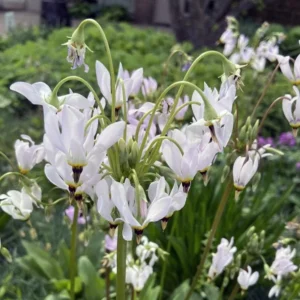
Shooting Star Flower Bulbs – Set of 5 – Dodecatheon meadia – Perennial for Shade Gardens
Sold 79 products
Original price was: $24.35.$7.74Current price is: $7.74.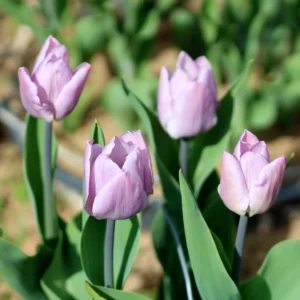
Flower Bulbs
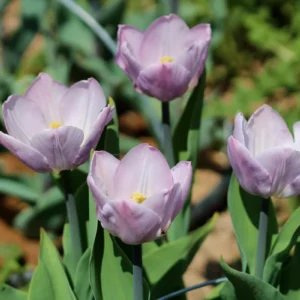
Candy Prince Tulip Bulbs – Lilac Pink Triumph Tulips – Fall Planting – Approx 450 Bulbs
Sold 97 products
Original price was: $1,035.80.$517.90Current price is: $517.90.








Reviews
There are no reviews yet.