
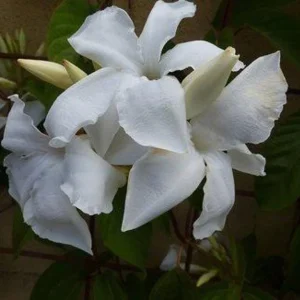
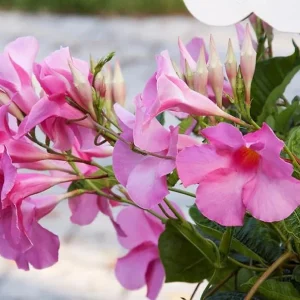
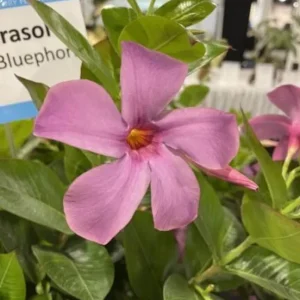
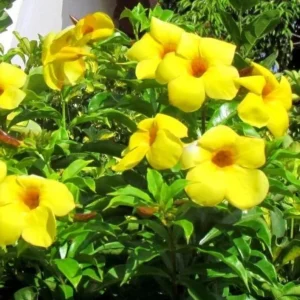
Mandevilla Live Plant – 4 inch Pot – Outdoor Vining Flower
Original price was: $30.98.$14.99Current price is: $14.99.
Bring tropical elegance to your outdoor space with this vibrant mandevilla live plant. Perfect for trellises, hanging baskets, or containers, this 4-inch potted plant produces continuous, showy blooms from spring until frost. Enjoy its easy-care nature and stunning visual appeal.
-
USDA Hardiness Zone
USDA zones 9-11 (perennial), grown as annual in colder zones -
Soil Type
Well-draining potting mix or rich, organic garden soil -
Sunlight Exposure
Full sun to partial shade (at least 6 hours of direct sun for best blooms) -
Expected Planting Period
Spring, after all danger of frost has passed

You can track your order HERE
Oct 13
Oct 18 - Oct 20
Oct 23 - Oct 27
Shipping and return policies: Our Alive & Thrive Guarantee covers issues with your plants within the first 30 days. Reach out to us. Our team will answer your questions and help you find the plants that are truly suitable for your environment, climate, and personal preferences.

Overview
Introduce a touch of tropical splendor to your garden or patio with a beautiful mandevilla live plant. Known for its spectacular, trumpet-shaped flowers and vigorous vining habit, Mandevilla (often referred to by its botanical name, Mandevilla spp.) is a beloved choice for adding continuous color and lush foliage. This particular offering is a healthy, established 4-inch potted plant, ready to thrive in your outdoor environment. Its rapid growth and profusion of blooms make it an instant focal point, transforming any space into a vibrant paradise. Whether you’re an experienced gardener or just starting, a mandevilla flowering plant is a rewarding addition that promises months of visual delight.
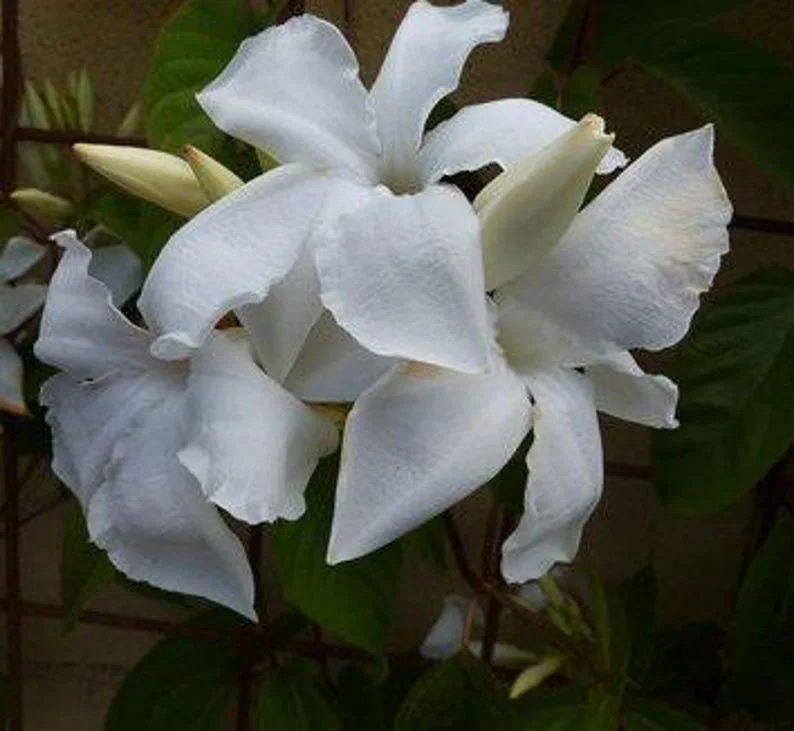
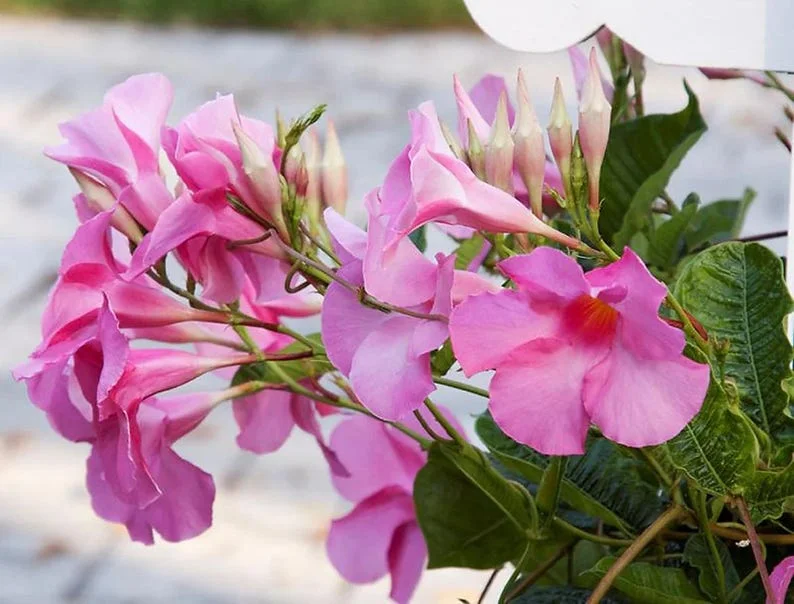
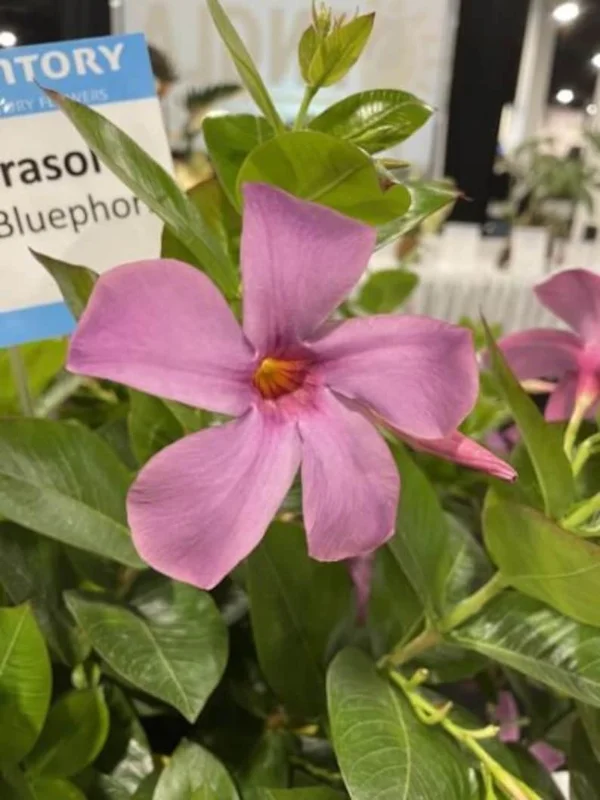
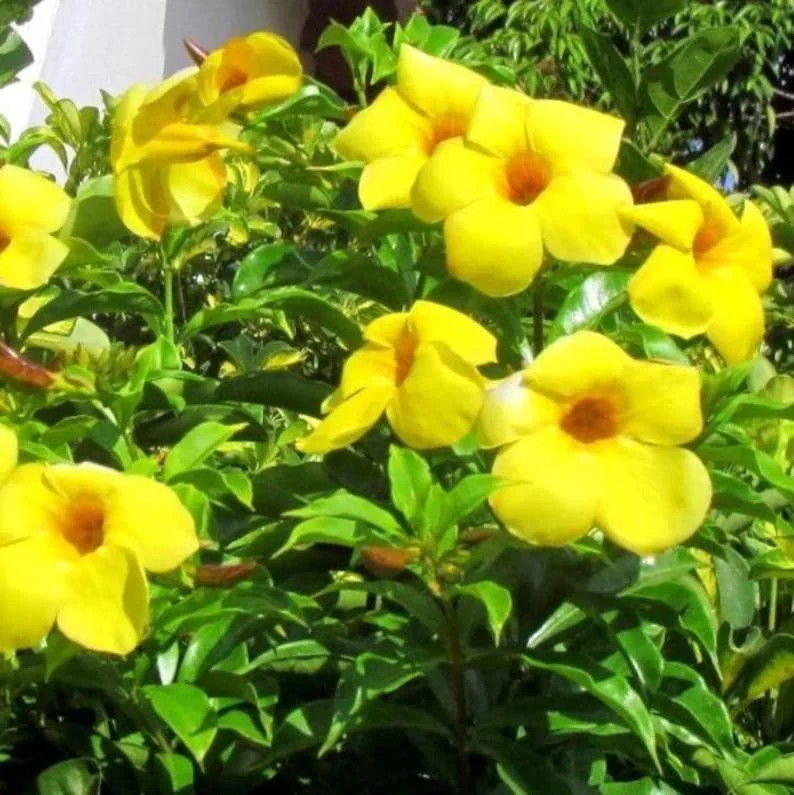
These stunning vines are native to tropical and subtropical regions, which explains their love for warmth and sunshine. They are incredibly versatile, capable of climbing support structures or spilling gracefully from hanging baskets and containers. With proper mandevilla plant care, you can enjoy an explosion of color, typically in shades of pink, red, or white, creating a captivating display that attracts hummingbirds and butterflies. This mandevilla live plant is an excellent way to introduce exotic beauty and dynamic growth to your landscape.
Key Benefits
Adding a mandevilla live plant to your garden offers numerous advantages, enhancing both aesthetic appeal and environmental vibrancy. These plants are celebrated for their continuous blooming and ease of integration into various garden designs.
- Continuous, Vibrant Blooms: Enjoy a season-long display of large, trumpet-shaped flowers in striking colors. The mandevilla flowering plant produces new blossoms consistently from spring through fall, providing an uninterrupted burst of color that enlivens any outdoor setting.
- Versatile Vining Habit: Whether you desire a climbing vine for a trellis or arbor, or a cascading plant for a hanging basket or container, the mandevilla vine adapts beautifully. Its flexible stems can be trained to climb or allowed to trail, offering diverse landscaping options.
- Attracts Pollinators: The bright, nectar-rich flowers are a magnet for hummingbirds and butterflies, bringing lively activity and natural beauty to your garden. This contributes to local ecosystem health and provides an engaging spectacle.
- Low Maintenance & Easy Care: Despite its exotic appearance, Mandevilla is surprisingly easy to care for. With basic attention to sunlight, water, and occasional feeding, your mandevilla live plant will flourish, making it suitable for gardeners of all skill levels.
- Tropical Aesthetic: Instantly transform your outdoor space into a tropical oasis. The lush foliage and bold blooms evoke a sense of warmth and exotic luxury, perfect for creating a relaxing and inviting atmosphere.
- Excellent for Containers: Its adaptability to pot culture makes it ideal for patios, balconies, and small gardens where space is limited. Growing Mandevilla in containers allows for easy relocation to protect it from frost or to rearrange your garden design.
- Long Blooming Season: Unlike many flowering plants with short bloom cycles, Mandevilla offers an extended period of flowering, ensuring your garden remains colorful and attractive for many months.
Plant Care & Growing Tips
Caring for your mandevilla live plant is straightforward, allowing you to enjoy its magnificent blooms with minimal fuss. Understanding its basic needs will ensure a healthy and vigorous plant.
Sunlight Requirements: Mandevilla thrives in full sun to partial shade. For the most abundant blooms, aim for at least 6 hours of direct sunlight per day. In very hot climates, some afternoon shade can prevent leaf scorch. If growing indoors as a houseplant, place it in a south or west-facing window where it receives ample bright, indirect light. Insufficient light can lead to leggy growth and fewer flowers.
Watering Schedule and Soil Moisture: Mandevilla prefers consistently moist, but not waterlogged, soil. Water thoroughly when the top inch or two of soil feels dry to the touch. During hot, dry periods, this may mean daily watering, especially for plants in containers. Reduce watering in cooler months when the plant’s growth slows. Ensure good drainage to prevent root rot, which is a common issue for overwatered plants.
Soil Type and Drainage Requirements: A well-draining potting mix is crucial for a healthy mandevilla live plant. A blend of peat moss, perlite, and pine bark is ideal. For garden planting, ensure your soil is rich in organic matter and drains well. Avoid heavy clay soils that retain too much moisture. The plant prefers a slightly acidic to neutral soil pH (6.0-7.0).
Temperature Range and USDA Hardiness Zone: Mandevilla is a tropical plant and is sensitive to cold. It thrives in temperatures between 60-80°F (15-27°C). It is generally hardy in USDA Zones 9-11, where it can be grown as a perennial. In colder zones, it is typically grown as an annual or brought indoors for the winter. Protect from frost, as temperatures below 45°F (7°C) can damage or kill the plant. Understanding growing mandevilla in your specific climate is key.
Fertilization Schedule and Type: Feed your mandevilla live plant regularly during its active growing and blooming season (spring through fall). Use a balanced liquid fertilizer or one formulated for flowering plants, applied every 2-4 weeks according to product instructions. Reduce or stop fertilizing during the dormant winter months. Proper fertilization supports vigorous growth and abundant flowering, making your mandevilla flowering plant truly spectacular.
Common Problems and Solutions: Watch out for common pests like aphids, spider mites, and mealybugs. Treat with insecticidal soap or neem oil. Yellowing leaves can indicate overwatering or nutrient deficiency. Leggy growth with few flowers suggests insufficient light. Regular pruning helps maintain shape, encourages bushier growth, and promotes more blooms. Deadhead spent flowers to encourage new ones.
Size & Details
This offering is for one robust mandevilla live plant, delivered ready to thrive in a 4-inch nursery pot. At this stage, the plant typically stands approximately 6-10 inches tall, with a healthy root system established within its container. Mandevilla is a fast-growing vine, capable of reaching lengths of 10-20 feet or more when provided with adequate support and optimal growing conditions. In containers, its size can be managed through pruning, typically growing to a more manageable 3-6 feet. The plant will arrive carefully packaged to ensure its safety during transit, with soil intact. Expect to see its first vibrant blooms within the first growing season, with continuous flowering throughout the warm months. This mandevilla vine is an excellent choice for immediate impact and long-lasting beauty in your garden.
Frequently Asked Questions
- Q: How big does this Mandevilla plant get? A: This mandevilla live plant is currently in a 4-inch pot and is typically 6-10 inches tall. As a mature vine, it can grow to 10-20 feet in length when planted in the ground or a large container with support. Its size can be controlled with regular pruning.
- Q: Is this an indoor or outdoor plant? A: Mandevilla is primarily an outdoor plant in USDA Zones 9-11. In colder climates, it is best grown outdoors during the warm season and brought indoors as a houseplant for winter, requiring bright light.
- Q: How much sunlight does my Mandevilla need? A: For the best blooming performance, your mandevilla flowering plant requires at least 6 hours of direct sunlight per day. Partial shade is tolerated, especially in hot afternoon sun, but may result in fewer flowers.
- Q: Is this plant easy to care for? A: Yes, Mandevilla is considered relatively easy to care for. It primarily needs consistent watering, plenty of sunlight, and regular feeding during its growing season. This makes mandevilla plant care manageable for most gardeners.
- Q: What condition will the plant arrive in? A: Your mandevilla live plant will arrive carefully packaged in its 4-inch nursery pot with soil, ensuring it is healthy and ready for planting or transplanting upon arrival. We take great care to protect the plant during shipping.
- Q: When is the best time to plant Mandevilla? A: The best time to plant your mandevilla live plant outdoors is after all danger of frost has passed in spring, when nighttime temperatures consistently stay above 50°F (10°C).
- Q: Will it survive winter in my zone? A: If you are in USDA Zones 9-11, your mandevilla live plant can likely survive winter outdoors as a perennial. In colder zones, it must be brought indoors before the first frost or treated as an annual.
- Q: How often should I fertilize my Mandevilla? A: During its active growing and blooming season (spring through fall), fertilize your mandevilla live plant every 2-4 weeks with a balanced liquid fertilizer or one formulated for flowering plants.
- Q: Can I grow the mandevilla vine in a hanging basket? A: Absolutely! The trailing habit of the mandevilla vine makes it an excellent choice for hanging baskets, where its vibrant blooms can cascade beautifully.
- Q: What are common reasons for a Mandevilla not blooming? A: The most common reasons for a mandevilla flowering plant not blooming are insufficient sunlight, lack of nutrients, or improper watering. Ensure it receives at least 6 hours of sun and consistent feeding.
Be the first to review “Mandevilla Live Plant – 4 inch Pot – Outdoor Vining Flower”
People Also Viewed
Flower Bulbs
Apple Blossom Giant Dutch Amaryllis Bulb – 34/+cm Bulb – One Bulb – Pink & White Flowers
Sold 51 products
Original price was: $111.96.$55.98Current price is: $55.98.






%20–%20Perennial%20Flowering%20for%20Home%20Garden&url=https://gardennursery.net/product/himalayan-blue-poppy-seeds-meconopsis-perennial-flowering-for-home-garden/&media=https://img.gardennursery.net/2026/01/himalayan-blue-poppy-seeds-meconopsis-perennial-fl-d68564a8.webp)


Reviews
There are no reviews yet.