
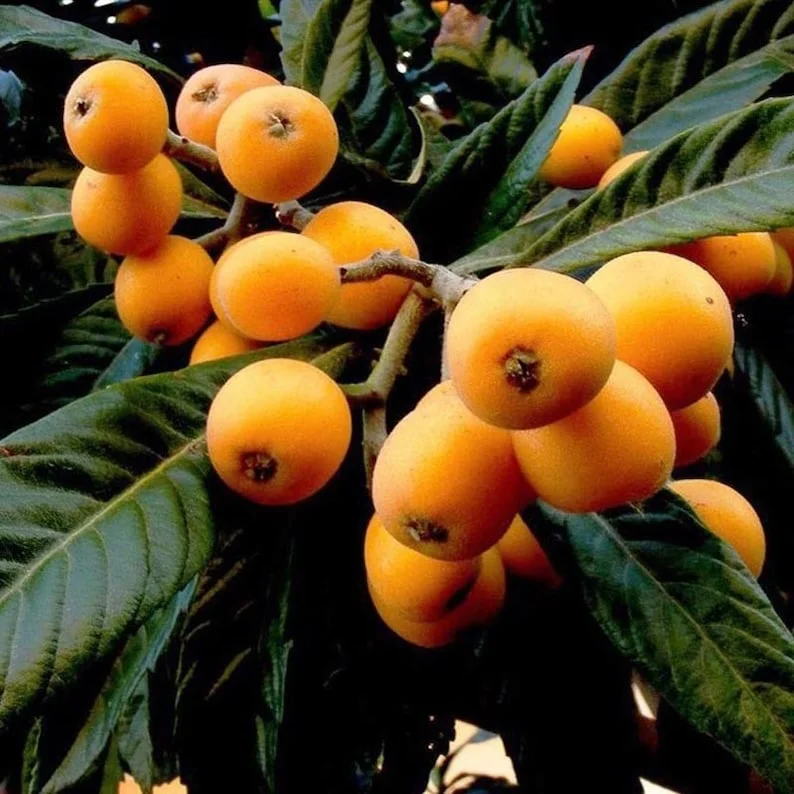
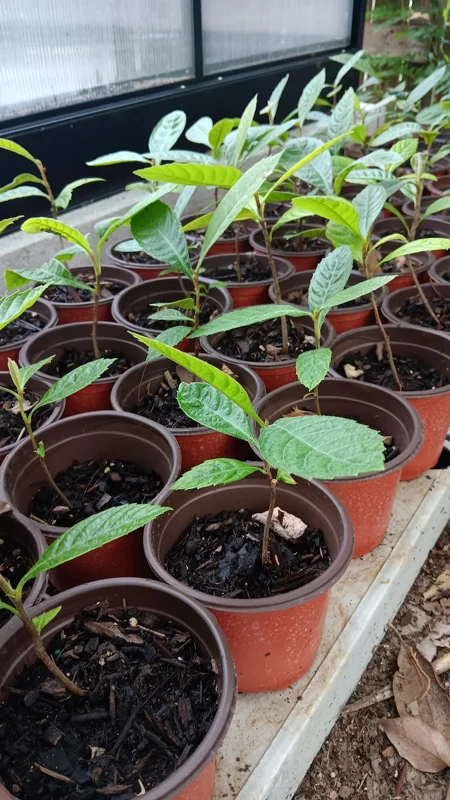
Loquat Live Plant 10-14in Half Gallon Pot – Edible Fruit Tree
Original price was: $50.55.$43.96Current price is: $43.96.
Bring the taste of the tropics to your garden with this vibrant loquat live plant. Standing 10-14 inches tall in a half-gallon pot, this young tree is ready to establish in your landscape. Known for its sweet, tangy fruit and attractive foliage, it’s an excellent choice for an edible fruit tree that adds beauty and bounty to your outdoor space.
-
USDA Hardiness Zone
USDA Zones 8-10 -
Soil Type
Well-draining, loamy soil -
Sunlight Exposure
Full sun -
Expected Planting Period
Spring or early fall

You can track your order HERE
Sep 20
Sep 25 - Sep 27
Sep 30 - Oct 04
Shipping and return policies: Our Alive & Thrive Guarantee covers issues with your plants within the first 30 days. Reach out to us. Our team will answer your questions and help you find the plants that are truly suitable for your environment, climate, and personal preferences.

Overview
Discover the joy of growing your own delicious fruit with our premium loquat live plant. This vigorous young tree, measuring 10-14 inches in height and comfortably nestled in a half-gallon pot, is an ideal addition to any home garden or edible landscape. Loquats (Eriobotrya japonica), also known as Japanese Plum or Japanese Medlar, are evergreen trees prized for their attractive foliage, fragrant flowers, and most notably, their sweet and tangy, pear-shaped fruits. Originating from China, these resilient trees thrive in various climates and can be grown both as an ornamental specimen and a productive edible fruit tree. Our carefully nurtured loquat plant for sale is ready to be transplanted, promising years of beauty and bountiful harvests.
The loquat fruit is a delightful treat, perfect for fresh eating, jams, pies, and preserves. Its unique flavor profile, often described as a blend of apricot, cherry, and citrus, makes it a favorite among fruit enthusiasts. Beyond its culinary appeal, the loquat tree boasts glossy, dark green leaves that provide year-round visual interest, making it a fantastic choice for adding texture and structure to your garden design. Whether you’re an experienced gardener or just starting your journey into edible gardening, this loquat live plant offers a rewarding and delicious experience.
Key Benefits
Adding a loquat tree to your garden brings a multitude of advantages, from its aesthetic appeal to its practical culinary uses. This loquat live plant is not just a tree; it’s an investment in sustainable living and natural beauty.
- Delicious, Homegrown Fruit: Enjoy fresh, sweet, and tangy loquats straight from your own tree. The fruit is rich in vitamins A and C, fiber, and antioxidants, making it a healthy snack option. Growing your own ensures pesticide-free produce.
- Year-Round Beauty: With its large, leathery, dark green leaves, the loquat tree provides evergreen foliage, offering continuous visual interest throughout all seasons. It’s an attractive specimen tree for any landscape.
- Fragrant Blooms: The tree produces small, fragrant white flowers in the fall or early winter, adding a subtle, pleasant aroma to your garden during cooler months when most other plants are dormant.
- Low Maintenance: Once established, the loquat live plant is relatively low-maintenance, tolerating various soil types and requiring moderate watering. It’s a hardy choice for gardeners looking for an easy-to-care-for fruit tree.
- Versatile Landscaping: Suitable for a variety of garden styles, loquats can be grown as a standalone specimen, part of an edible hedge, or even in a large container in cooler climates, making it a versatile edible fruit tree.
- Attracts Pollinators: The fall/winter blooms are a valuable nectar source for bees and other pollinators, supporting local ecosystems and biodiversity in your garden.
- Shade and Structure: As it matures, a loquat tree can provide welcome shade and add significant structural element to your garden, enhancing its overall design and functionality.
Plant Care & Growing Tips
Caring for your loquat live plant is straightforward, ensuring a healthy tree and bountiful harvests. Understanding its basic needs will help it thrive in your garden. Loquats prefer a location with full sun, meaning at least 6-8 hours of direct sunlight per day. While they can tolerate partial shade, fruit production may be reduced. When considering loquat tree care, it’s important to choose a spot with good air circulation to prevent fungal issues. These trees are quite adaptable, but they truly excel in well-draining soil. A rich, loamy soil with a neutral to slightly acidic pH (6.0-7.0) is ideal. If your soil is heavy clay, amend it with organic matter like compost or aged manure to improve drainage.
Watering is crucial, especially during the establishment phase. Water young trees regularly to keep the soil consistently moist but not waterlogged. Once established, loquats are somewhat drought-tolerant, but regular watering during dry spells, particularly when the fruit is developing, will lead to larger, juicier harvests. Fertilize your loquat live plant in early spring with a balanced slow-release fertilizer or an organic fruit tree fertilizer. Follow the product instructions for application rates. Pruning is generally minimal; focus on removing dead, damaged, or crossing branches. You can also prune to shape the tree or manage its size, preferably after fruiting. Loquats are generally hardy in USDA Zones 8-10, tolerating light frosts. In colder regions, they can be grown in containers and brought indoors during winter or protected with frost cloths.
Size & Details
This offering is for one robust loquat live plant, standing approximately 10 to 14 inches tall from the base of the pot to the tip of its tallest leaf. It is grown and shipped in a half-gallon nursery pot, providing a well-established root system ready for transplanting. The plant will arrive healthy and actively growing, securely packaged to ensure its safe journey to your home. Loquat trees are known for their moderate to fast growth rate, typically adding 1-2 feet per year once established. While this young plant will take a few years to reach full maturity and produce a significant crop, you can expect it to begin flowering and fruiting within 3-5 years under optimal conditions. Mature loquat trees can reach heights of 15-25 feet, with a similar spread, though they can be kept smaller with regular pruning. This makes them an excellent choice for an edible fruit tree in various garden sizes.
Frequently Asked Questions
- Q: How big does this plant get? A: This loquat live plant is currently 10-14 inches tall in a half-gallon pot. Mature loquat trees typically grow 15-25 feet tall and wide, but their size can be managed with pruning.
- Q: Is this an indoor or outdoor plant? A: Loquats are primarily outdoor trees, best suited for USDA Hardiness Zones 8-10. In colder climates, they can be grown in large containers and moved indoors during winter, or given significant winter protection.
- Q: How much sunlight does it need? A: Your loquat live plant thrives in full sun, requiring at least 6-8 hours of direct sunlight daily for optimal growth and fruit production. It can tolerate partial shade, but fruiting may be reduced.
- Q: Is this plant easy to care for? A: Yes, loquats are considered relatively easy to care for once established. They are drought-tolerant and adaptable to various soil types, making loquat tree care manageable for most gardeners.
- Q: What condition will it arrive in? A: Your loquat live plant will arrive healthy, actively growing, and securely packaged in its half-gallon nursery pot to ensure minimal stress during transit.
- Q: When is the best time to plant a loquat? A: The best time to plant your loquat live plant is in spring or early fall, allowing the roots to establish before extreme temperatures.
- Q: What kind of soil does a loquat prefer? A: Loquats prefer well-draining soil, ideally a rich, loamy type with a neutral to slightly acidic pH. Good drainage is crucial to prevent root rot.
- Q: How long until it produces fruit? A: This young loquat live plant typically begins to produce fruit within 3-5 years after planting, given proper care and growing conditions.
- Q: Can I grow a loquat in a container? A: Yes, loquats can be successfully grown in large containers, especially beneficial if you live in a climate colder than USDA Zone 8, allowing you to move the plant indoors during winter.
- Q: Is this a self-pollinating tree? A: Most loquat varieties are self-fertile, meaning a single tree can produce fruit. However, planting multiple trees can often lead to a more abundant harvest for your edible fruit tree collection.
Be the first to review “Loquat Live Plant 10-14in Half Gallon Pot – Edible Fruit Tree”
People Also Viewed
Flower Plants
Sold 80 products
Original price was: $45.58.$26.98Current price is: $26.98.
Sold 87 products
Original price was: $79.80.$39.90Current price is: $39.90.
Sold 51 products
Original price was: $14.76.$7.38Current price is: $7.38.
Sold 66 products
Original price was: $27.90.$16.74Current price is: $16.74.
Sold 81 products
Original price was: $30.78.$15.39Current price is: $15.39.
Flower Seeds
Tower Silver Aster Seeds – 50 Seeds, Peony-Type Frosted White & Lavender Flowers, Outdoor Perennial
Sold 53 products
Original price was: $33.99.$13.99Current price is: $13.99.
Sold 83 products
$46.25
Sold 93 products
Original price was: $130.00.$104.00Current price is: $104.00.
Sold 87 products
Original price was: $22.76.$11.38Current price is: $11.38.
Sold 52 products
From $30.99
Sold 90 products
Original price was: $99.96.$49.98Current price is: $49.98.
Sold 85 products
Original price was: $56.00.$44.80Current price is: $44.80.
Sold 73 products
Original price was: $30.76.$15.38Current price is: $15.38.

Sold 87 products
Original price was: $59.96.$29.98Current price is: $29.98.
Sold 60 products
From $6.84
Sold 69 products
$25.98
Sold 91 products
Original price was: $340.00.$126.99Current price is: $126.99.
Sold 79 products
Original price was: $38.98.$22.98Current price is: $22.98.





Reviews
There are no reviews yet.