
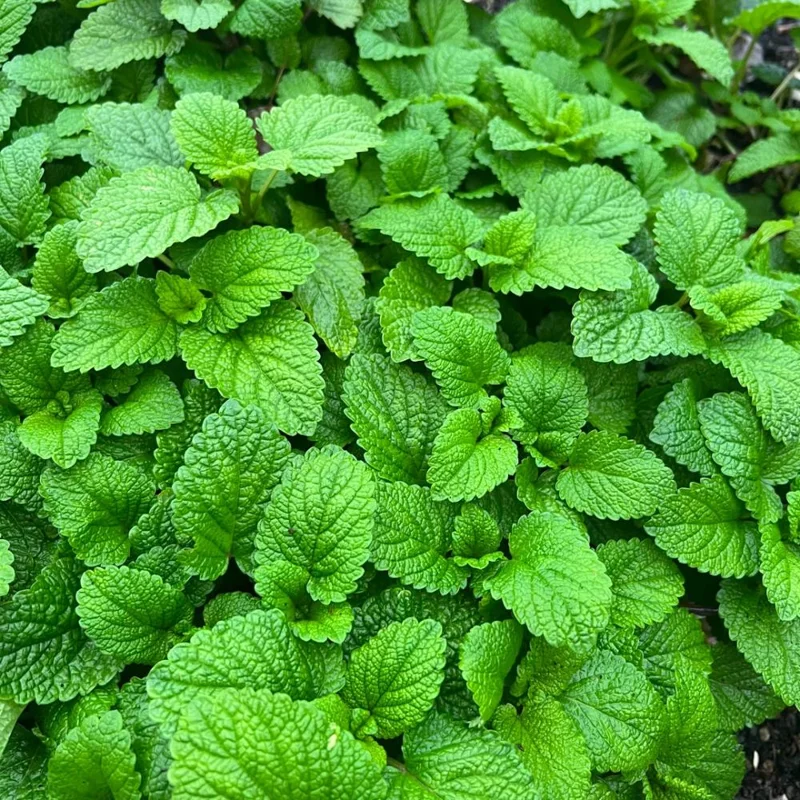
Lemon Balm Live Plant – Fragrant Herb for Indoor & Outdoor Growing, Well-Rooted, 5-7 Inches Height
Original price was: $63.38.$31.69Current price is: $31.69.
Bring a refreshing aroma into your home or garden with this lemon balm live plant. Known for its soft green leaves and gentle citrus scent, this versatile herb thrives both indoors and outdoors, making it a perfect addition for any plant enthusiast.
-
USDA Hardiness Zone
USDA zones 4-9 -
Soil Type
Well-draining potting mix or loamy garden soil -
Sunlight Exposure
Full sun to partial shade -
Expected Planting Period
Year-round indoors, spring to early summer outdoors

You can track your order HERE
Oct 18
Oct 23 - Oct 25
Oct 28 - Nov 01
Shipping and return policies: Our Alive & Thrive Guarantee covers issues with your plants within the first 30 days. Reach out to us. Our team will answer your questions and help you find the plants that are truly suitable for your environment, climate, and personal preferences.

Overview
Experience the refreshing charm of a lemon balm live plant, a delightful addition to any home or garden. This fragrant herb, scientifically known as Melissa officinalis, is renowned for its vibrant green foliage and soothing lemon scent. Originating from the mint family, lemon balm is incredibly easy to grow and maintain, making it an ideal choice for both seasoned gardeners and beginners. Whether you’re looking to enhance your indoor living space with a touch of greenery and a fresh aroma, or cultivate a thriving herb garden outdoors, this lemon balm live plant offers versatility and beauty. Its well-rooted structure ensures a healthy start, promising a robust plant that will quickly become a favorite for its aesthetic appeal and aromatic qualities. Embrace the joy of growing your own fragrant herbs with this wonderful plant.
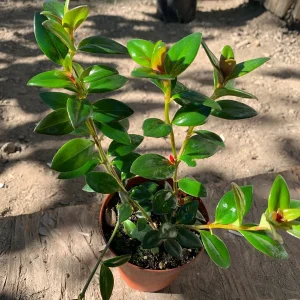
This particular lemon balm live plant arrives well-rooted and ready to thrive, typically reaching a height of 5-7 inches upon arrival. Its flexible stems and soft leaves make it suitable for various display options, from sunny windowsills to balcony containers or garden beds. The gentle lemon fragrance is not only pleasant but also contributes to a calming atmosphere, perfect for unwinding after a long day. Cultivating this herb is a rewarding experience, providing fresh leaves for culinary uses, herbal teas, or simply to enjoy its natural perfume. It’s a plant that truly gives back, enhancing your environment with its natural beauty and beneficial properties.
Key Benefits
Adding a lemon balm live plant to your home or garden offers a multitude of advantages beyond just its pleasant scent. This resilient herb provides both aesthetic and practical benefits that enrich your daily life.
- Aromatic Delight: Enjoy the soothing, fresh lemon scent that naturally emanates from the leaves, creating a relaxing and inviting atmosphere in any room or outdoor space.
- Easy Care & Low Maintenance: This plant is incredibly forgiving and simple to care for, making it an excellent choice for beginners or those with busy schedules. It thrives with minimal fuss, requiring basic watering and sunlight.
- Versatile Growing Options: Suitable for both indoor and outdoor environments, you can grow this lemon balm live plant in pots on windowsills, balconies, or directly in garden beds, adapting to your specific living situation.
- Natural Air Freshener: The fresh aroma acts as a natural air purifier, subtly enhancing the quality of your indoor environment without artificial chemicals.
- Culinary & Herbal Uses: Fresh lemon balm leaves can be used in teas, desserts, salads, and as a garnish, adding a delicate citrus flavor to your culinary creations. It’s also a popular herb in traditional remedies.
- Attracts Pollinators: When grown outdoors, the plant’s small, unassuming flowers attract beneficial pollinators like bees, contributing to a healthier local ecosystem.
- Aesthetic Appeal: Its soft green foliage and flexible growth habit add a touch of natural beauty and vibrant greenery to any setting, enhancing visual appeal.
Plant Care & Growing Tips
Caring for your lemon balm live plant is straightforward and rewarding. This resilient herb thrives with consistent attention to its basic needs, ensuring vigorous growth and abundant fragrant leaves. For optimal health, consider its light, water, and soil requirements.
Sunlight Requirements: Lemon balm prefers a location with ample sunlight. For outdoor growing, aim for full sun (6+ hours of direct sunlight) to partial shade (4-6 hours of sun, especially morning sun). If growing indoors, place your plant near a bright window where it can receive at least 4-6 hours of direct sunlight daily. An east or south-facing window is often ideal. While it can tolerate some shade, too little light may result in leggy growth and a less potent scent.
Watering Schedule & Soil Moisture: Water your lemon balm when the top inch of soil feels dry to the touch. It prefers consistently moist, but not waterlogged, soil. Overwatering can lead to root rot, so ensure the pot or garden bed has excellent drainage. Allow excess water to drain away completely. During hotter months, you may need to water more frequently, while in cooler periods, reduce watering. A good indicator is when the leaves begin to slightly droop; this signals it’s time for a drink.
Soil Type and Drainage: Lemon balm live plant thrives in well-draining soil. A standard potting mix amended with some perlite or sand works well for potted plants. For garden beds, ensure the soil is loose, fertile, and drains freely. Heavy clay soils should be amended with organic matter like compost to improve drainage. The plant is fairly adaptable but will struggle in soggy conditions. It is hardy in USDA zones 4-9.
Temperature Range & Fertilization: Lemon balm prefers moderate temperatures and can tolerate a range. It is generally hardy and can withstand light frosts. For indoor plants, maintain average room temperatures. Fertilization is generally not heavily required for this herb. If your plant shows signs of nutrient deficiency (e.g., pale leaves), a balanced liquid fertilizer diluted to half strength can be applied every 4-6 weeks during the growing season (spring and summer). Avoid over-fertilizing, as this can lead to excessive foliage growth at the expense of aroma.
Size & Details
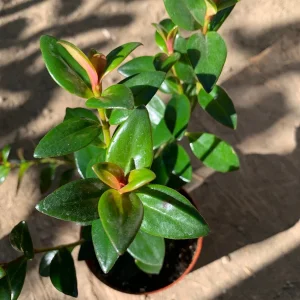
This lemon balm live plant arrives as a well-rooted specimen, typically measuring between 5-7 inches in height from the base of the plant to the tip of its tallest leaves. It is carefully packed in a nursery pot, ensuring its roots are protected and moist during transit, ready for immediate planting or transplanting upon arrival. The plant exhibits a bushy growth habit with soft, ovate green leaves and flexible stems. Expect a moderate growth rate, quickly filling out its container or garden space.
Lemon balm can eventually reach a mature height of 18-24 inches and a similar spread when given adequate space and growing conditions. It’s a perennial herb, meaning it will return year after year in suitable climates. Its robust nature and established root system mean it can quickly establish itself in your chosen environment, whether indoors or out. This plant is shipped in a manner that minimizes stress, ensuring you receive a healthy, vibrant herb ready to flourish and provide its wonderful fragrance and utility.
Frequently Asked Questions
- Q: How big does this lemon balm plant get? A: This lemon balm live plant typically arrives at 5-7 inches tall. With proper care, it can grow to a mature height of 18-24 inches and spread similarly, especially when planted in the ground.
- Q: Is this an indoor or outdoor plant? A: Lemon balm is highly versatile and can thrive both indoors and outdoors. It’s an excellent choice for sunny windowsills, balconies, or garden beds, adapting well to different environments.
- Q: How much sunlight does it need? A: For best results, your lemon balm plant needs at least 4-6 hours of direct sunlight daily. Outdoors, full sun to partial shade is ideal. Indoors, place it near a bright, sunny window.
- Q: Is this plant easy to care for? A: Yes, lemon balm is known for its easy care and low maintenance, making it a perfect herb for beginners and experienced gardeners alike. It’s quite forgiving of minor neglect.
- Q: What condition will the lemon balm live plant arrive in? A: Your lemon balm live plant will arrive well-rooted and carefully packed in a nursery pot, ensuring it is healthy and ready for planting upon arrival.
- Q: Can I use lemon balm in cooking or teas? A: Absolutely! Fresh lemon balm leaves are wonderful for making herbal teas, adding a citrusy zest to salads, desserts, and various culinary dishes. It’s a flavorful and aromatic herb.
- Q: What type of soil is best for lemon balm? A: Lemon balm prefers well-draining soil. A good quality potting mix for containers or rich, loamy soil amended with organic matter in the garden will provide the best growing conditions.
- Q: How often should I water my lemon balm plant? A: Water when the top inch of soil feels dry to the touch. Avoid overwatering, as the plant dislikes soggy roots, but ensure it doesn’t dry out completely, especially during warm weather.
- Q: Is lemon balm safe for pets? A: Lemon balm is generally considered non-toxic to cats and dogs, but consuming large quantities of any plant material can cause digestive upset. It’s always best to monitor pets around plants.
- Q: When is the best time to plant lemon balm? A: Spring is an ideal time to plant lemon balm, allowing it to establish before the heat of summer. However, indoor planting can occur year-round.
Be the first to review “Lemon Balm Live Plant – Fragrant Herb for Indoor & Outdoor Growing, Well-Rooted, 5-7 Inches Height”
People Also Viewed
Shrubs
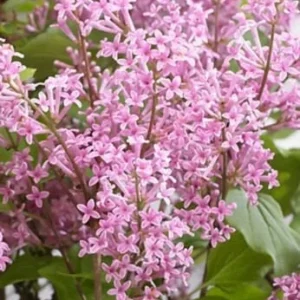
Syringa Meyeri ‘Flowerfesta Pink’ Lilac Live Plant – Fragrant Pink Reblooming Shrub – 7 Inch Starter
Sold 95 products
Original price was: $37.90.$22.90Current price is: $22.90.








Reviews
There are no reviews yet.