
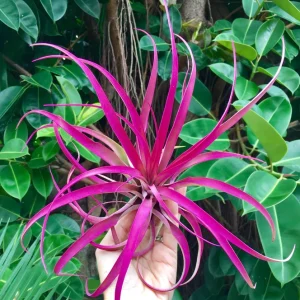
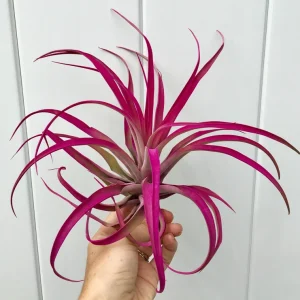
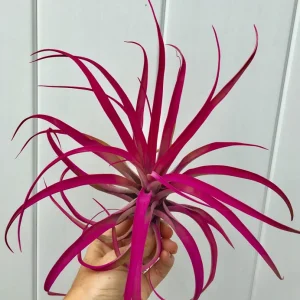

Large Pink Capitata Air Plant – Live Tillandsia, 4-6 inches, Indoor/Outdoor
$36.00
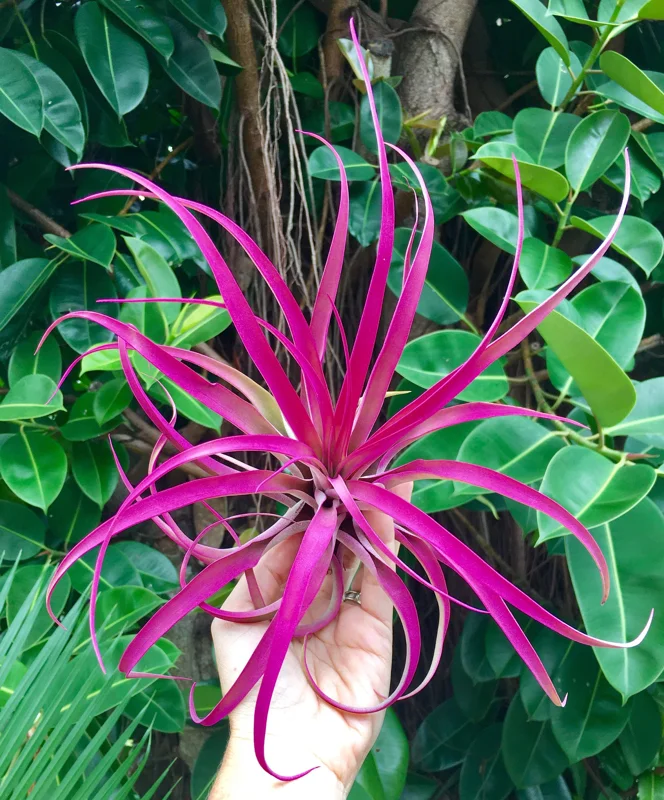
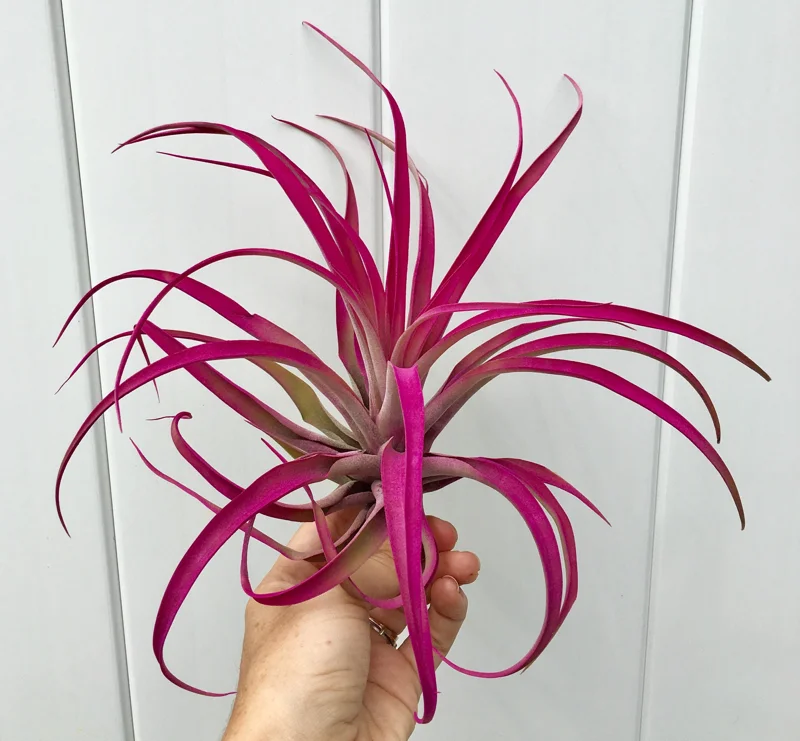
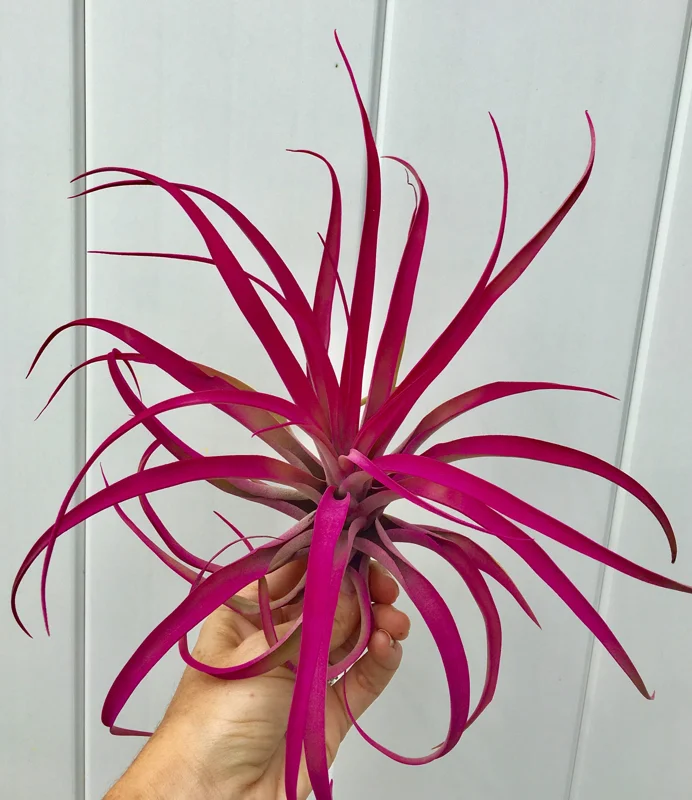
Bring exotic beauty into your home with this magnificent large pink capitata air plant. This vibrant Tillandsia, typically 4-6 inches, is a captivating and easy care air plant, perfect for unique indoor air plant decor. It thrives without soil, offering versatile display options and requiring minimal attention, making it ideal for beginners and busy plant enthusiasts alike.
-
USDA Hardiness Zone
USDA zones 9-11 (outdoors) or year-round indoors -
Soil Type
No soil required (epiphytic) -
Sunlight Exposure
Bright indirect light -
Expected Planting Period
Year-round indoors

You can track your order HERE
Aug 15
Aug 20 - Aug 22
Aug 25 - Aug 29
Shipping and return policies: Our Alive & Thrive Guarantee covers issues with your plants within the first 30 days. Reach out to us. Our team will answer your questions and help you find the plants that are truly suitable for your environment, climate, and personal preferences.

Overview
Bring a touch of exotic beauty into your home or garden with the magnificent large pink capitata air plant. This captivating Tillandsia, known scientifically as Tillandsia capitata, is a true showstopper with its vibrant, naturally enhanced pink hues. Unlike traditional potted plants, air plants, or Tillandsias, absorb moisture and nutrients directly from the air through specialized scales on their leaves, making them incredibly unique and versatile. This particular variety is cherished for its striking color and relatively large size, making it an excellent focal point in any plant collection or decor arrangement. It’s a fantastic choice for those looking to add a living element to their space without the fuss of soil and pots, embodying the essence of easy-care botanical charm. The large pink capitata air plant is an epiphyte, meaning it naturally grows on other plants or structures, not as a parasite, but by simply using them for support. This allows for endless creative display options, from terrariums and wall mounts to simply resting on a decorative dish. Its robust nature and stunning appearance make it a favorite among both seasoned plant enthusiasts and beginners. When mature and given proper care, this Tillandsia will delight you with beautiful purple blooms, adding another layer of visual interest to its already impressive form.
The unique nature of air plants makes them a fascinating addition to any space. This large pink capitata air plant is not just a plant; it’s a living piece of art that requires minimal intervention to thrive. Its striking color and unique growth habit instantly draw attention, creating a conversation starter in any room. Perfect for those seeking a low-maintenance yet visually impactful botanical element, this air plant offers a unique way to connect with nature without the typical demands of potted plants.
Key Benefits
The large pink capitata air plant offers numerous advantages, making it a highly desirable addition to any living space. Its unique growth habit and stunning appearance contribute to a refreshing and aesthetically pleasing environment.
- Exceptional Decorative Appeal: The vibrant pink coloration of the large pink capitata air plant makes it an instant focal point. Its unique form and striking color enhance any decor, from minimalist to bohemian, adding a natural pop of color and texture without the need for traditional planters. This makes it an ideal choice for creating visually appealing arrangements.
- Low Maintenance & Easy Care: As one of the most forgiving plant varieties, this Tillandsia requires minimal attention. It thrives without soil and needs only occasional watering, making it ideal for busy individuals or those new to plant care. Enjoy the beauty of nature without the demanding upkeep, truly qualifying it as one of the easy care air plants.
- Versatile Display Options: The ability to grow without soil allows for unparalleled creativity in displaying your air plant. Mount it on driftwood, place it in glass terrariums, arrange it on decorative plates, or even hang it. The possibilities are endless, making it a perfect fit for any corner of your home or office, enhancing your indoor air plant decor.
- Air Purifying Qualities: Like many live plants, air plants contribute to a healthier indoor environment by naturally filtering air and converting carbon dioxide into oxygen. While small, they are part of a larger ecosystem that promotes fresher air quality in your living space, contributing to a more vibrant atmosphere.
- Unique Growth & Blooming: Witness the fascinating growth cycle of this Tillandsia. With good bright indirect light and care, it will eventually produce beautiful purple flowers, a stunning contrast to its pink foliage. The color enhancement is safe for the plant and provides long-lasting visual delight for months to years, adding enduring beauty.
- Pet-Friendly Plant: Air plants are generally considered non-toxic to pets, making them a safe choice for households with curious cats or dogs. You can enjoy their beauty without worrying about your furry friends, ensuring peace of mind.
- Space-Saving Solution: For those with limited space, air plants are an excellent solution. Their compact nature and ability to be displayed vertically or in small containers mean you can enjoy lush greenery even in the smallest apartments or offices, making them highly adaptable.
Plant Care & Growing Tips
Caring for your large pink capitata air plant is surprisingly simple, making it an excellent choice for both novice and experienced plant enthusiasts. The key to a thriving Tillandsia lies in understanding its unique needs, especially regarding water and light. Remember, these plants are not meant to be planted in soil.
For sunlight, your tillandsia capitata pink prefers bright, indirect light. Place it near a window that receives ample natural light but is not exposed to harsh, direct afternoon sun, which can scorch its leaves. A north or east-facing window is often ideal indoors. If growing outdoors in warmer temperatures, ensure it’s in a partially shaded area where it receives bright, filtered light. Good air circulation is also crucial for air plants, mimicking their natural habitat where they are exposed to breezes. Avoid placing them in enclosed, stagnant environments. These conditions are vital for maintaining the plant’s health and vibrant color, making these easy care air plants a joy to maintain.
Watering is perhaps the most critical aspect of air plant care tips. Air plants like to get wet and then dry out completely. The most common method is soaking: submerge your air plant in a bowl of room-temperature water for 20-30 minutes once a week. After soaking, gently shake off excess water and place the plant upside down on a towel in a well-ventilated area to dry completely within 2-4 hours. Do not let water sit in the plant’s base, as this can lead to rot. If your environment is particularly dry, you might mist your air plant a few times a week in addition to weekly soaking. Avoid using distilled or softened water; rainwater or tap water left out overnight to dissipate chlorine are best. Remember that copper is lethal to air plants, so avoid any copper containers or wires. Following these simple guidelines will ensure your large pink capitata air plant thrives.
Size & Details
This offering is for an extra large pink capitata air plant, providing a significant presence in your plant collection. While each plant is unique and will vary slightly in shape, size, and color from the one pictured, you can expect to receive a healthy, vibrant specimen of the same variety. These plants typically range from 4-6 inches in height and width, creating a substantial and eye-catching display. The plant may or may not be in bloom upon arrival, but with proper care, it will eventually produce striking purple flowers. The pink coloration is achieved through a safe, plant-friendly enhancement process designed to last anywhere from a couple of months to several years, ensuring long-lasting visual appeal. These are live plants shipped without soil, ready for you to display creatively in your chosen container or setting. They are naturally slow-growing, allowing you to enjoy their current size for an extended period, making them ideal for long-term indoor air plant decor.
Frequently Asked Questions
- Q: How big does this air plant get? A: The large pink capitata air plant typically grows to be approximately 4-6 inches in height and width, making it a substantial and impressive specimen for display. Its size makes it a great focal point in various arrangements, adding a significant visual impact.
- Q: Is this an indoor or outdoor plant? A: This Tillandsia is versatile. It thrives as an indoor air plant decor piece in bright, indirect light. In warmer climates (USDA zones 9-11), it can also be grown outdoors in partial shade, such as nestled in a tree, provided it has good air circulation.
- Q: How much sunlight does it need? A: The large pink capitata air plant requires bright, indirect light. Avoid direct, harsh sunlight, especially in the afternoon, which can burn its leaves. Filtered light near a window or under a patio cover is ideal for optimal growth and color retention.
- Q: Is this plant easy to care for? A: Yes, this is considered one of the easy care air plants. It does not require soil and needs only weekly soaking and good air circulation, making it excellent for beginners or those with busy lifestyles who desire low-maintenance greenery.
- Q: How do I water my Large Pink Capitata Air Plant? A: Submerge the entire plant in room-temperature water for 20-30 minutes once a week. After soaking, gently shake off excess water and allow it to dry completely upside down in a well-ventilated area within 2-4 hours to prevent rot. This is a key aspect of effective air plant care tips.
- Q: Will the pink color last? A: The pink color of this tillandsia capitata pink is color-enhanced using a safe process. This enhancement is designed to last anywhere from a couple of months to several years, providing extended vibrant beauty and visual interest.
- Q: Can I use any container for my air plant? A: You can use almost any container that does not hold water and is not made of copper. Glass, wire, ceramic, stone, and wood are excellent choices. Copper is toxic to air plants and should be avoided to ensure the plant’s health.
- Q: What condition will my air plant arrive in? A: Your air plant will arrive as a healthy, happy live plant, carefully packaged. Each plant is unique, so slight variations in shape, size, and color from the image are normal, but it will be of the same variety and quality.
- Q: What are some good air plant care tips for beginners? A: For beginners, focus on consistent weekly soaking, ensuring the plant dries completely afterward, and providing bright, indirect light with good air circulation. Avoid direct sunlight and copper materials, as these are crucial for success.
- Q: When will my air plant bloom? A: With proper care and sufficient bright, indirect light, your large pink capitata air plant will eventually bloom with beautiful purple flowers upon reaching maturity. The exact timing can vary depending on environmental conditions and individual plant health.
Be the first to review “Large Pink Capitata Air Plant – Live Tillandsia, 4-6 inches, Indoor/Outdoor”
People Also Viewed
Sold 70 products
From $63.80
Sold 90 products
Original price was: $67.99.$52.99Current price is: $52.99.
Sold 71 products
Original price was: $38.00.$19.00Current price is: $19.00.

Sold 97 products
Original price was: $21.56.$10.78Current price is: $10.78.
Sold 59 products
From $107.80

Sold 50 products
Original price was: $355.96.$177.98Current price is: $177.98.
Sold 89 products
Original price was: $38.98.$22.98Current price is: $22.98.

Vegetable Seeds
Big Zac Tomato Seeds – 25 Organic Heirloom Competition XL Size Vegetable Seeds for Garden
Sold 88 products
Original price was: $17.00.$8.50Current price is: $8.50.
Sold 56 products
Original price was: $154.36.$77.18Current price is: $77.18.
Sold 93 products
Original price was: $32.00.$25.60Current price is: $25.60.
Sold 94 products
Original price was: $44.99.$29.99Current price is: $29.99.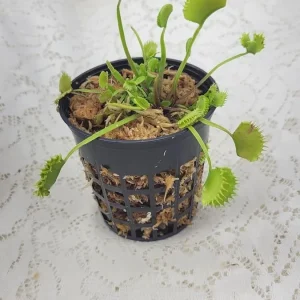
HousePlants
Chinese Dumpling Venus Flytrap Live Carnivorous Plant – Adult Size, 3 inch pot – Indoor/Outdoor
Sold 94 products
Original price was: $91.96.$45.98Current price is: $45.98.
Sold 69 products
Original price was: $9.16.$4.58Current price is: $4.58.
Sold 70 products
From $103.80
Sold 95 products
From $16.04

Sold 83 products
Original price was: $14.76.$7.38Current price is: $7.38.
Gardening Supplies
Organic Plant Food 16oz – Liquid Concentrate for Vegetables, Flowers, Trees, Grasses
Sold 57 products
Original price was: $91.80.$45.90Current price is: $45.90.
Sold 57 products
Original price was: $151.16.$75.58Current price is: $75.58.




Reviews
There are no reviews yet.