
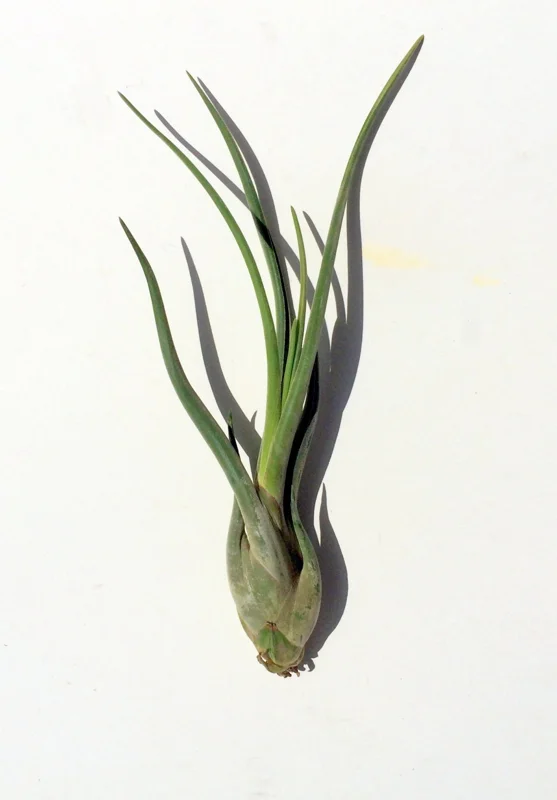
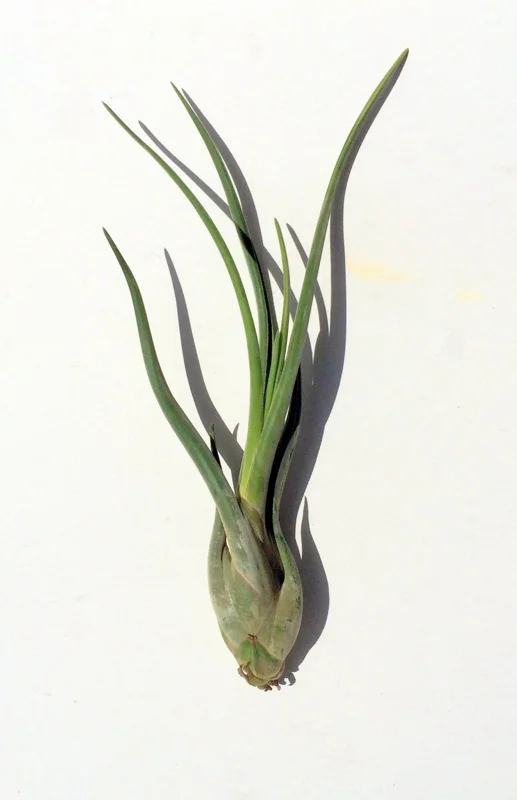


Large Medusa Air Plant (Tillandsia caput medusae) Live Plant – 6-10 inches – Indoor
$24.00
Introduce an extraordinary botanical specimen into your living space with the large medusa air plant. This captivating Tillandsia caput medusae is a unique, low-maintenance live plant that thrives without soil, making it a versatile and easy care air plant for any home. Perfect for beginners and experienced enthusiasts, it adds a touch of exotic elegance and serves as a natural air purifier.
-
USDA Hardiness Zone
USDA zones 9-11 (outdoors); year-round indoors -
Soil Type
No soil required (epiphyte) -
Sunlight Exposure
Bright, indirect light -
Expected Planting Period
Year-round indoors

You can track your order HERE
Aug 15
Aug 20 - Aug 22
Aug 25 - Aug 29
Shipping and return policies: Our Alive & Thrive Guarantee covers issues with your plants within the first 30 days. Reach out to us. Our team will answer your questions and help you find the plants that are truly suitable for your environment, climate, and personal preferences.

Overview
Introduce an extraordinary botanical specimen into your living space with the large medusa air plant. This captivating live plant, scientifically known as Tillandsia caput medusae, is celebrated for its unique, serpentine foliage that resembles the mythical Medusa’s hair. Unlike traditional potted plants, indoor air plants absorb nutrients and moisture directly from the air, making them incredibly versatile for display. Each Tillandsia caput medusae is a living sculpture, bringing a piece of the tropics into your home. Its distinctive shape and easy-to-grow nature make it a perfect choice for both seasoned plant enthusiasts and those new to gardening. This large medusa air plant will become a focal point in any room, offering an organic and dynamic aesthetic.
As a member of the Tillandsia genus, this Tillandsia caput medusae is an epiphyte, meaning it naturally grows on other plants or structures rather than in soil. This characteristic allows for creative display options, such as placing it in terrariums, on decorative stands, or mounted on driftwood. The large medusa air plant is not just a decorative item; it’s a vibrant, living organism that contributes to a healthier indoor environment. Its resilience and unique form ensure it stands out, making it an excellent conversation starter and a testament to nature’s artistry. It’s also a pet-friendly air plant, offering peace of mind for households with furry companions.
Key Benefits
The large medusa air plant offers a multitude of benefits, making it an exceptional addition to any home or office. Its distinctive appearance and straightforward air plant care requirements contribute to its widespread appeal. This easy care air plant provides both aesthetic and practical advantages for plant lovers.
- Unique Aesthetic Appeal: The intertwined, silvery-green leaves of the Tillandsia caput medusae create a striking visual, resembling a mythical creature. This makes it a perfect focal point for modern or bohemian decor, adding an immediate touch of exotic elegance to any room.
- Low Maintenance: Air plants are renowned for being incredibly easy to care for. They don’t require soil, frequent watering, or extensive pruning, making them ideal for busy individuals or those new to plant ownership. This makes them a perfect easy care air plant option.
- Versatile Display Options: Without the need for soil, the large medusa air plant can be displayed in countless ways – nestled in decorative bowls, mounted on wood, placed in terrariums, or even hung. This versatility allows for creative expression and seamless integration into various decor styles.
- Natural Air Purifier: Like many plants, Tillandsias help improve indoor air quality by absorbing pollutants and releasing oxygen. While not as powerful as larger plants, they contribute to a fresher, healthier living environment, making them beneficial indoor air plants.
- Pet-Friendly: Generally, Tillandsias are considered non-toxic to pets, making the pet-friendly air plant a safe choice for households with cats and dogs. Always supervise pets around plants, but this offers peace of mind for pet owners.
- Long-Lasting Beauty: With proper care, your large medusa air plant can thrive for many years, offering continuous beauty and enjoyment. They also produce ‘pups’ (offsets) that can be separated and grown into new plants, expanding your collection.
- Space-Saving: Their compact nature and ability to grow without soil make them perfect for small apartments, desks, or shelves where space is limited. These compact indoor air plants allow you to enjoy greenery without sacrificing valuable surface area.
Plant Care & Growing Tips
Caring for your large medusa air plant is surprisingly simple, making it an excellent choice for beginners and experienced growers alike. The key to a thriving Tillandsia caput medusae lies in understanding its unique needs regarding water, light, and air circulation. Unlike traditional plants, air plants don’t grow in soil, so their air plant care routine is distinct.
Sunlight Requirements: Your large medusa air plant thrives in bright, indirect light. Place it near a window where it receives plenty of ambient light but is shielded from direct, intense sunlight, especially during peak afternoon hours, which can scorch its leaves. A north or east-facing window is often ideal. If natural light is insufficient, a grow light can be used, ensuring it’s not too close to prevent burning. Adequate light is crucial for the health and vibrant color of your Tillandsia caput medusae.
Watering Schedule: The most common method for watering air plants is soaking. Submerge your large medusa air plant in a bowl of room-temperature water for 20-30 minutes once a week. After soaking, gently shake off excess water and place it upside down on a towel in a well-ventilated area to dry completely within 1-2 hours. This drying process is critical to prevent rot. In drier climates or during warmer months, you might need to mist your plant 2-3 times a week between soaks. Avoid using distilled or softened water; rainwater or filtered tap water is best. This consistent hydration is vital for maintaining healthy indoor air plants.
Temperature and Humidity: Tillandsias prefer temperatures between 60-80°F (15-27°C). They appreciate good air circulation and moderate to high humidity. If your home is particularly dry, consider placing your plant near a humidifier or in a bathroom where it can benefit from steam. Adequate air flow after watering is essential to prevent fungal issues. Fertilize sparingly, once a month during growing seasons, with a specialized air plant fertilizer diluted to one-quarter strength, added to the soaking water. This ensures your easy care air plant receives all necessary nutrients, enhancing your overall air plant care routine.
Size & Details
Each large medusa air plant is a unique specimen, varying slightly in size and shape due to natural growth patterns. Typically, these Tillandsia caput medusae plants reach an impressive size, often growing 6-10 inches (15-25 cm) in height and width, making them a substantial and eye-catching addition to your collection of indoor air plants. The leaves are typically thick, silvery-green, and curl gracefully, giving the plant its distinctive Medusa-like appearance. The plant is shipped as a mature, healthy specimen, ready to display and thrive in its new environment. Expect a moderate growth rate, with the plant gradually increasing in size and potentially producing beautiful, tubular purple flowers with yellow stamens when it reaches maturity and is ready to ‘pup’.
These air plants are ideal for creating stunning arrangements in terrariums, displaying on shelves, or mounting on decorative elements like cork bark or stones. They do not require a pot or soil, offering maximum flexibility in placement. The large medusa air plant is a living piece of art that continues to evolve, offering new pups over time that can be separated to propagate new plants, ensuring the longevity of your collection. Its robust nature makes it a resilient and rewarding plant to grow, providing continuous visual interest and a touch of the exotic.
Frequently Asked Questions
- Q: How big does the large medusa air plant get? A: The large medusa air plant typically grows to about 6-10 inches (15-25 cm) in height and width. Its size can vary slightly depending on its age and growing conditions, but it’s considered a larger variety among air plants, making it a prominent display piece.
- Q: Is this an indoor or outdoor plant? A: The Tillandsia caput medusae is primarily an indoor plant in most climates. It can be placed outdoors in warm, humid, frost-free environments (USDA zones 9-11) during spring and summer, but it must be brought indoors when temperatures drop below 50°F (10°C).
- Q: How much sunlight does the large medusa air plant need? A: It thrives in bright, indirect light. Avoid direct, intense sunlight, which can burn its leaves. A well-lit room or an area near a window with filtered light is ideal for healthy growth of your indoor air plants.
- Q: Is this plant easy to care for, good for beginners? A: Yes, the large medusa air plant is considered an easy care air plant and is excellent for beginners. Its minimal requirements for water and no need for soil make it a very forgiving and low-maintenance option for new plant enthusiasts, simplifying air plant care.
- Q: What condition will my Tillandsia caput medusae arrive in? A: Your air plant will arrive as a healthy, live specimen, carefully packaged to ensure its safe journey. It will be ready for immediate display and will not be in soil, as air plants do not require it.
- Q: How often should I water my large medusa air plant? A: A good rule of thumb is to soak your air plant in room-temperature water for 20-30 minutes once a week. In very dry environments, you may need to mist it a few times between soaks. Ensure it dries completely within a couple of hours after watering to prevent rot.
- Q: Can I use tap water for my indoor air plants? A: Filtered tap water or rainwater is generally best. Avoid distilled water, as it lacks essential minerals, and softened water, which contains salts that can harm air plants.
- Q: Is the Tillandsia caput medusae pet-safe? A: Yes, Tillandsias are generally considered non-toxic to pets, making the pet-friendly air plant a safe choice for households with cats, dogs, or other animals. However, it’s always wise to monitor pets around any new plant.
- Q: Does this air plant bloom? A: Yes, when mature and under optimal conditions, the large medusa air plant can produce a beautiful, tubular flower, typically purple with yellow stamens. After blooming, the plant will usually start producing ‘pups’ or offsets.
- Q: Why are my air plant’s leaves curling or looking dry? A: This is often a sign of dehydration. Increase the frequency or duration of soaking. Ensure the plant is thoroughly dried after watering to prevent rot, but consistent moisture is key to preventing dry, crispy leaves in your indoor air plants.
Be the first to review “Large Medusa Air Plant (Tillandsia caput medusae) Live Plant – 6-10 inches – Indoor”
People Also Viewed

Sold 69 products
From $63.80

Sold 73 products
Original price was: $8.60.$4.30Current price is: $4.30.
Sold 76 products
Original price was: $31.99.$11.99Current price is: $11.99.
Sold 58 products
Original price was: $38.98.$22.98Current price is: $22.98.
Sold 77 products
Original price was: $33.99.$13.99Current price is: $13.99.
Sold 82 products
Original price was: $22.36.$11.18Current price is: $11.18.
Sold 56 products
Original price was: $39.98.$27.98Current price is: $27.98.
Sold 82 products
Original price was: $31.99.$11.99Current price is: $11.99.
HousePlants
Sold 100 products
$66.00
Sold 77 products
Original price was: $54.36.$27.18Current price is: $27.18.
Sold 84 products
Original price was: $39.98.$19.99Current price is: $19.99.
Sold 91 products
Original price was: $53.98.$26.99Current price is: $26.99.
Sold 88 products
Original price was: $35.98.$17.99Current price is: $17.99.
Sold 94 products
Original price was: $37.98.$26.58Current price is: $26.58.
Sold 52 products
Original price was: $31.99.$11.99Current price is: $11.99.
Flower Plants
Sold 94 products
Original price was: $45.58.$26.98Current price is: $26.98.

Sold 82 products
Original price was: $8.76.$4.38Current price is: $4.38.
Sold 71 products
Original price was: $32.99.$12.99Current price is: $12.99.





Reviews
There are no reviews yet.