
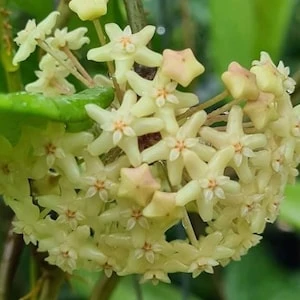
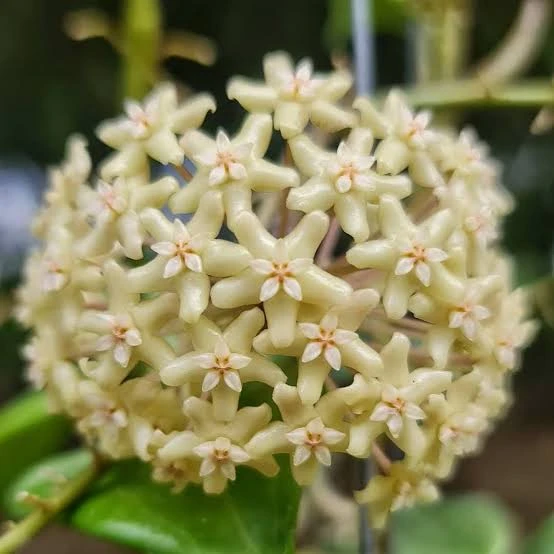
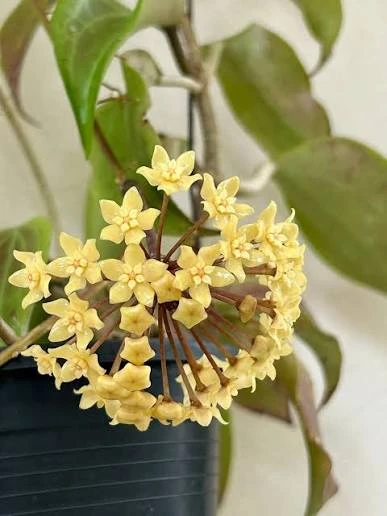
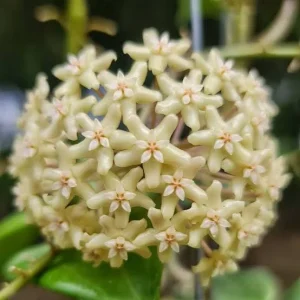
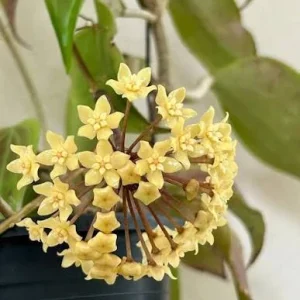
Hoya Quinquenervia Live Plant – Rare Vining Houseplant – 3.25in Pot
Original price was: $29.98.$16.99Current price is: $16.99.
Bring exotic elegance into your home with the Hoya Quinquenervia live plant. This rare Hoya plant features unique, distinctly veined foliage and a charming vining habit, making it an ideal indoor vining plant for collectors and plant enthusiasts. It’s a captivating addition to any space.
-
USDA Hardiness Zone
USDA zones 10-11 (for outdoor), typically grown indoors -
Soil Type
Well-draining, airy potting mix -
Sunlight Exposure
Bright, indirect light -
Expected Planting Period
Year-round indoors

You can track your order HERE
Oct 13
Oct 18 - Oct 20
Oct 23 - Oct 27
Shipping and return policies: Our Alive & Thrive Guarantee covers issues with your plants within the first 30 days. Reach out to us. Our team will answer your questions and help you find the plants that are truly suitable for your environment, climate, and personal preferences.

Overview
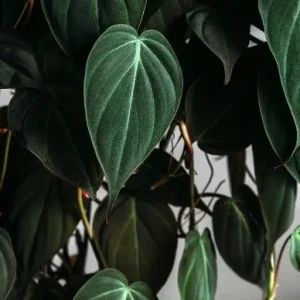
The Hoya Quinquenervia live plant is a truly captivating specimen, cherished by collectors and enthusiasts for its unique foliage and charming growth habit. This particular Hoya variety is known for its distinctive leaves, which often display prominent venation, adding an intricate texture to its overall appearance. As a vining epiphyte, the Hoya Quinquenervia live plant thrives in conditions that mimic its native tropical environment, making it an ideal choice for indoor cultivation. When mature, Hoyas are also known for producing clusters of delicate, star-shaped flowers, though the primary appeal of this particular species often lies in its stunning leaves even before blooming. This 3.25-inch potted plant offers a perfect starting point for cultivating a rare and beautiful addition to your indoor garden, providing a touch of exotic elegance to any space.
Originating from tropical regions, this rare Hoya plant brings a piece of the jungle into your home. Its growth habit allows it to trail gracefully from hanging baskets or climb with support, offering versatility in display. The Hoya genus is vast and diverse, and the Quinquenervia stands out with its specific leaf characteristics. It’s a plant that rewards patience with its gradual but steady growth and potential for stunning blooms. Understanding Hoya Quinquenervia care is key to its long-term success, ensuring it remains a vibrant and healthy part of your collection.
Key Benefits
Adding a Hoya Quinquenervia live plant to your collection offers numerous benefits, from aesthetic appeal to the joy of nurturing a unique species. These plants are not only beautiful but also relatively low-maintenance once their basic needs are met, making them suitable for various indoor environments. This rare Hoya plant is a true gem.
- Exotic Visual Appeal: The distinctive venation and texture of the Hoya Quinquenervia leaves provide an exotic and sophisticated look, enhancing the decor of any room. Its unique foliage makes it a conversation starter and a focal point.
- Vining Growth Habit: As an indoor vining plant, it can be styled in multiple ways – allowed to trail elegantly from shelves, hang in baskets, or trained to climb a small trellis, adding dynamic visual interest. This adaptability makes it perfect for various display options.
- Collector’s Item: The Hoya Quinquenervia live plant is considered a rare Hoya plant, making it a prized possession for plant collectors seeking less common and more unique species to expand their botanical assortments.
- Air Purifying Qualities: Like many houseplants, Hoyas can contribute to a healthier indoor environment by helping to filter airborne toxins and improve air quality, making your living space fresher.
- Low Maintenance (Once Established): While it requires specific care, once you understand its needs, the Hoya Quinquenervia is not overly demanding, making it a rewarding plant for those seeking beauty without constant fuss.
- Potential for Beautiful Blooms: With proper care and maturity, this Hoya has the potential to produce clusters of fragrant, star-shaped flowers, adding another layer of beauty and reward to its cultivation.
- Therapeutic Hobby: Engaging in Hoya plant care tips and nurturing a living plant can be a calming and therapeutic activity, offering a sense of accomplishment and connection to nature.
Plant Care & Growing Tips
Caring for your Hoya Quinquenervia live plant involves understanding its tropical origins and replicating those conditions as closely as possible indoors. These plants thrive with consistent attention to light, water, and humidity. For optimal growth, place your Hoya in bright, indirect light. Direct sun can scorch the leaves, while too little light can hinder growth and flowering. An east or west-facing window is often ideal. When it comes to watering, allow the top inch or two of soil to dry out completely between waterings. Overwatering is a common cause of issues for Hoyas, leading to root rot, so ensure excellent drainage. During the growing season (spring and summer), water more frequently, and reduce watering in the dormant winter months. Humidity is also crucial; consider using a pebble tray or a humidifier, especially in drier climates or heated homes. Regular misting can also help.
The ideal soil for a Hoya Quinquenervia live plant is a well-draining, airy potting mix. A mix designed for succulents or orchids, often containing perlite, orchid bark, and peat moss, works well. Fertilize sparingly during the growing season with a balanced liquid fertilizer diluted to half strength. Avoid fertilizing in winter. Maintain temperatures between 65-80°F (18-27°C) and protect from sudden temperature drops. While generally resilient, keep an eye out for common houseplant pests like mealybugs or spider mites. Good air circulation and proper Hoya Quinquenervia care practices can help prevent most problems, ensuring your rare Hoya plant thrives. Following these Hoya plant care tips will lead to a healthy, flourishing specimen.
Size & Details
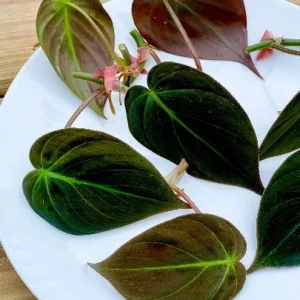
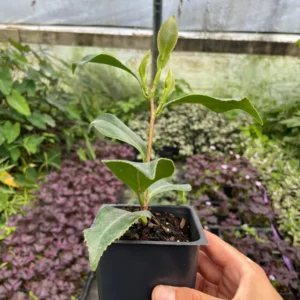
This offering is for one Hoya Quinquenervia live plant, shipped in a 3.25-inch nursery pot. At this size, it provides a robust starter plant, ready to establish itself in your home. Hoya Quinquenervia is a vining species, and its growth habit will allow it to trail beautifully from a hanging planter or be trained to climb a small trellis. The mature size of the plant can vary significantly depending on growing conditions and support, but it typically develops long vines over time. The distinctive foliage, with its pronounced venation, is already well-developed on these young plants, showcasing the unique beauty of this species. Expect steady, moderate growth given proper care.
Frequently Asked Questions
- Q: How big does this Hoya Quinquenervia plant get? A: As an indoor vining plant, the Hoya Quinquenervia can develop vines several feet long when mature. Its overall size depends on pruning, pot size, and growing conditions, allowing for flexible display options.
- Q: What size pot does the Hoya Quinquenervia live plant come in? A: This Hoya Quinquenervia live plant is shipped in a 3.25-inch nursery pot, which is a perfect size for a healthy starter plant ready for your home.
- Q: Is this an indoor or outdoor plant? A: The Hoya Quinquenervia is primarily grown as an indoor houseplant in most climates due to its tropical origins. It can be moved outdoors in warm, humid conditions during summer but must be brought inside before temperatures drop.
- Q: How much sunlight does the Hoya Quinquenervia need? A: This rare Hoya plant thrives in bright, indirect light. Avoid direct, harsh sunlight which can scorch its leaves. An east or west-facing window is usually ideal.
- Q: Is this plant easy to care for, especially for beginners? A: While it has specific needs, once you understand basic Hoya Quinquenervia care, it is considered relatively low-maintenance. It’s a rewarding plant for those willing to learn its specific requirements for light, water, and humidity.
- Q: What condition will my Hoya Quinquenervia live plant arrive in? A: Your plant will arrive carefully packaged, healthy, and established in its 3.25-inch nursery pot, ready to be introduced to its new home.
- Q: How often should I water my Hoya Quinquenervia? A: Water thoroughly when the top 1-2 inches of soil are dry. Overwatering is a common issue, so ensure good drainage and allow the soil to dry out between waterings. Adjust frequency based on light, temperature, and humidity.
- Q: Can I train this Hoya to climb? A: Yes, as an indoor vining plant, the Hoya Quinquenervia can be trained to climb a small trellis or moss pole, or allowed to trail elegantly from a hanging basket or shelf.
- Q: Does this Hoya Quinquenervia live plant produce flowers? A: With proper care and maturity, Hoya Quinquenervia has the potential to produce clusters of delicate, star-shaped flowers, adding an extra layer of beauty to its already stunning foliage.
- Q: What are some essential Hoya plant care tips for humidity? A: Hoyas appreciate high humidity. You can increase humidity by using a pebble tray, a room humidifier, or by grouping it with other plants. Occasional misting can also be beneficial.
Be the first to review “Hoya Quinquenervia Live Plant – Rare Vining Houseplant – 3.25in Pot”
People Also Viewed
Sold 89 products
Original price was: $38.99.$29.98Current price is: $29.98.

Sold 65 products
Original price was: $67.16.$33.58Current price is: $33.58.





Reviews
There are no reviews yet.