
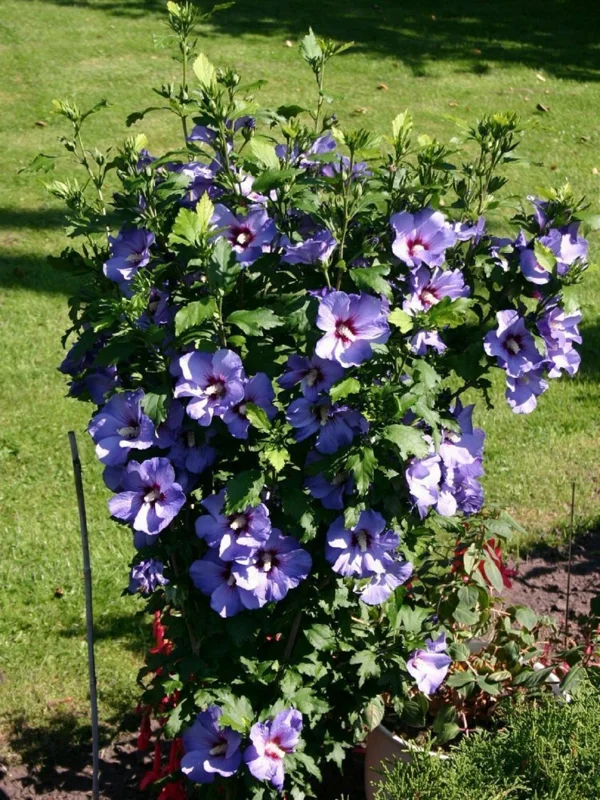
Hibiscus Syriacus ‘Bluebird’ Live Plant – Azure Blue Rose of Sharon Shrub, 6-10 Inch Starter
Original price was: $37.90.$22.90Current price is: $22.90.
Introduce vibrant elegance with the Hibiscus Syriacus Bluebird live plant, a stunning Rose of Sharon Bluebird featuring unique azure-blue flowers with a red-purple throat. This 6-10 inch starter plant is a hardy hibiscus shrub, perfect for USDA Zones 5-9, offering low maintenance and attracting pollinators. Ideal for borders, hedges, or as a specimen plant, providing continuous blooms from summer to frost.
Out of stock
-
USDA Hardiness Zone
5-9 -
Soil Type
Well-drained, organically rich soil -
Sunlight Exposure
Full sun to partial shade -
Expected Planting Period
Spring or early fall

You can track your order HERE
Oct 22
Oct 27 - Oct 29
Nov 01 - Nov 05
Shipping and return policies: Our Alive & Thrive Guarantee covers issues with your plants within the first 30 days. Reach out to us. Our team will answer your questions and help you find the plants that are truly suitable for your environment, climate, and personal preferences.

Overview
Introduce a touch of elegance and vibrant color to your outdoor space with the stunning Hibiscus Syriacus Bluebird live plant. Also widely known as Rose of Sharon Bluebird, this magnificent deciduous shrub is celebrated for its prolific blooming from summer until the first frost. Each flower is a captivating azure-blue, beautifully contrasted by a distinct red-purple throat, creating a focal point in any garden setting. The ‘Bluebird’ variety is particularly cherished for its robust nature and ability to thrive in a wide range of climates, making it a favorite among gardeners seeking both beauty and resilience. This starter plant, typically measuring around 6-10 inches, offers a fantastic opportunity to establish a healthy, mature shrub that will provide years of enjoyment. Its upright growth habit and dense foliage make it an excellent choice for hedges, borders, or as a standalone specimen plant.
The botanical name, Hibiscus syriacus, indicates its origin and hardiness. Unlike some of its tropical relatives, the Hibiscus Syriacus Bluebird live plant is a hardy hibiscus shrub, meaning it can withstand colder temperatures, making it suitable for USDA Zones 5-9. Its adaptability to various soil conditions and tolerance to summer heat and humidity further enhance its appeal. As a low-maintenance plant once established, it’s an ideal choice for both novice and experienced gardeners looking to add a splash of unique blue without extensive effort. Prepare to be enchanted by the continuous display of its beautiful, trumpet-shaped blooms throughout the warmer months. Understanding proper deciduous hibiscus care will ensure this plant thrives.
Key Benefits
The Hibiscus Syriacus Bluebird live plant offers numerous advantages, making it a prime choice for enhancing your garden’s aesthetic and ecological value. Its striking appearance and ease of care contribute to a delightful gardening experience.
- Stunning Azure-Blue Blooms: Enjoy a prolonged display of unique azure blue hibiscus flowers with a captivating red-purple throat, providing a rare color addition to your garden palette from summer to frost. These vibrant blooms are truly eye-catching and bring a unique hue to your landscape.
- Attracts Pollinators: The large, showy flowers of the Hibiscus Syriacus Bluebird live plant are a magnet for hummingbirds, bees, and butterflies, promoting biodiversity and a lively garden ecosystem. It’s a wonderful way to support local wildlife.
- Hardy and Resilient: As a hardy hibiscus shrub, it’s well-suited for USDA Zones 5-9, tolerating both cold winters and hot, humid summers. This makes it a dependable choice for many regions, requiring minimal intervention.
- Low Maintenance: Once established, the Rose of Sharon Bluebird requires minimal care, making it an excellent option for gardeners seeking high impact with low effort. It’s forgiving and adaptable, ideal for busy gardeners.
- Versatile Landscaping Use: Its upright, vase-shaped growth makes it ideal for use as a specimen plant, in mixed borders, as an informal hedge, or even in large containers. The azure blue hibiscus adds vertical interest and structure to any design.
- Drought Tolerant: While it prefers consistently moist soil, this plant demonstrates good drought tolerance once mature, making it suitable for water-wise landscaping. This resilience helps it withstand dry spells.
- Deer Resistant: Generally, deer tend to leave Rose of Sharon alone, which is a significant advantage in areas where deer browse is a concern. Enjoy your blooms without worry.
Plant Care & Growing Tips
Caring for your Hibiscus Syriacus Bluebird live plant is relatively straightforward, ensuring a beautiful display year after year. This hardy deciduous shrub thrives with proper attention to its basic needs. For optimal growth and prolific blooming, plant your ‘Bluebird’ in a location that receives full sun to partial shade. Full sun (at least 6 hours of direct sunlight daily) will encourage the most abundant flowering. While it tolerates partial shade, flowering may be less vigorous. Ensure the soil is well-drained and organically rich. Although tolerant of various soil types, consistently moist conditions are preferred, especially during dry spells. Avoid overly wet or waterlogged soil, as this can lead to root rot, which is important for good deciduous hibiscus care.
Water your Rose of Sharon Bluebird regularly, particularly during its first growing season, to help establish a strong root system. Once established, it becomes more tolerant of drier conditions but will perform best with consistent moisture. A layer of mulch around the base of the plant can help retain soil moisture and regulate temperature. Fertilize in early spring with a balanced, slow-release fertilizer designed for flowering shrubs to promote healthy growth and abundant blooms. Pruning is best done in late winter or early spring before new growth begins. You can prune to maintain shape, remove dead or damaged branches, or encourage more vigorous flowering, as flowers bloom on new wood. This proactive pruning is key to a vibrant hardy hibiscus shrub.
This hardy hibiscus is generally resistant to most pests and diseases, but keep an eye out for common garden issues like aphids or Japanese beetles, which can be managed with appropriate organic or chemical controls if necessary. The ‘Bluebird’ is very tolerant of summer heat and humidity, making it a robust choice for many climates. Ensure good air circulation to prevent fungal issues in humid conditions. With these simple care guidelines, your azure blue hibiscus will flourish, providing a spectacular show of color throughout the summer and fall, truly enhancing your garden.
Size & Details
The Hibiscus Syriacus Bluebird live plant you receive is a starter plant, typically measuring approximately 6-10 inches in height. It is well-rooted and established in a 2.5 x 3.5 inch pot, ready for transplanting into your garden or a larger container. This size allows for easy handling and quick establishment in its new home. As a deciduous shrub, it will lose its leaves in winter and regrow them in spring. When mature, the ‘Bluebird’ variety is known to grow to an impressive height of 6 feet or more, with a similar spread, forming an attractive, upright, vase-shaped habit. Its growth rate is moderate, meaning you can expect to see significant development within a few years.
The plant will begin to produce its characteristic azure-blue flowers from summer to frost, typically starting in its first or second year after planting, depending on growing conditions and care. It’s a long-lived shrub that will be a perennial feature in your garden for many seasons. The mature size and robust nature of this hardy hibiscus shrub make it an excellent choice for creating privacy screens, adding structural interest, or simply enjoying its vibrant blooms. Ensure adequate spacing when planting to allow for its mature size, allowing the Rose of Sharon Bluebird ample room to flourish.
Frequently Asked Questions
- Q: How big does this Hibiscus Syriacus Bluebird live plant get? A: This starter plant is approximately 6-10 inches tall. When mature, the ‘Bluebird’ can reach a height of 6 feet or more, with a similar spread, forming a substantial deciduous shrub, making it a significant garden feature.
- Q: What size pot does it come in? A: The plant arrives well-rooted in a 2.5 x 3.5 inch pot, providing a healthy foundation for its growth in your garden. This size is ideal for safe transport and easy initial planting.
- Q: Is this an indoor or outdoor plant? A: The Hibiscus Syriacus Bluebird live plant is a hardy outdoor deciduous shrub, suitable for USDA Zones 5-9. It is not typically grown as an indoor houseplant, as it requires outdoor conditions to thrive and bloom.
- Q: How much sunlight does it need? A: This variety thrives in full sun to partial shade. For the most abundant blooms and best growth, aim for at least 6 hours of direct sunlight per day, which is crucial for vibrant azure blue hibiscus flowers.
- Q: Is this plant easy to care for? A: Yes, the Rose of Sharon Bluebird is considered a low-maintenance shrub once established. It tolerates heat, humidity, and a range of soil conditions, making it relatively easy for most gardeners, including beginners. This makes deciduous hibiscus care manageable.
- Q: What condition will it arrive in? A: Your plant will arrive as a healthy, well-rooted starter plant in its nursery pot, carefully packaged to ensure its safe journey to your home. It will be ready for immediate planting or potting.
- Q: When is the best time to plant this azure blue hibiscus? A: Spring or early fall are generally the best times to plant to allow the roots to establish before extreme temperatures. However, potted plants can be planted throughout the growing season, with proper watering.
- Q: What’s the minimum temperature this plant can tolerate? A: As a hardy hibiscus shrub, it is suitable for USDA Zones 5-9, meaning it can withstand winter temperatures down to approximately -20°F to -10°F (-29°C to -23°C).
- Q: Are the flowers truly blue? A: Yes, the ‘Bluebird’ is renowned for its distinctive azure-blue flowers, which are a true blue with a contrasting red-purple throat, making it one of the most sought-after blue-flowering shrubs for its unique coloration.
- Q: How does this plant contribute to wildlife? A: The vibrant flowers of the Hibiscus Syriacus Bluebird live plant attract various pollinators, including bees, butterflies, and hummingbirds, enriching your garden’s ecosystem and promoting biodiversity.
Be the first to review “Hibiscus Syriacus ‘Bluebird’ Live Plant – Azure Blue Rose of Sharon Shrub, 6-10 Inch Starter”
People Also Viewed
Sold 58 products
Original price was: $15.50.$12.99Current price is: $12.99.


Sold 61 products
Original price was: $19.78.$15.98Current price is: $15.98.
Fruits
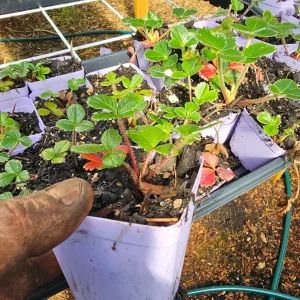
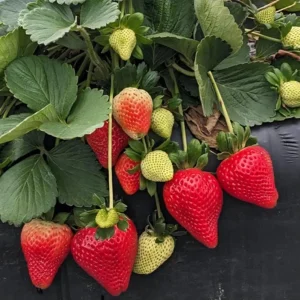
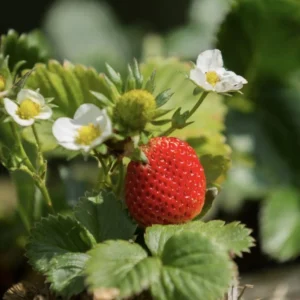
Florida Ember Strawberry Live Plants – Set of 2, 4-6” Tall – Fragaria x ananassa – Edible Fruit
Sold 70 products
Original price was: $39.18.$19.59Current price is: $19.59.
Flower Plants
Red Milkweed Live Starter Plants – Set of 2, 4-8″ Tall, Perennial, Attracts Monarch Butterflies
Sold 75 products
Original price was: $59.97.$19.99Current price is: $19.99.





Reviews
There are no reviews yet.