
Elderberry Live Plant – Sambucus nigra – 4-8 inch Tall Hardy Fruit Shrub
Original price was: $27.49.$19.24Current price is: $19.24.
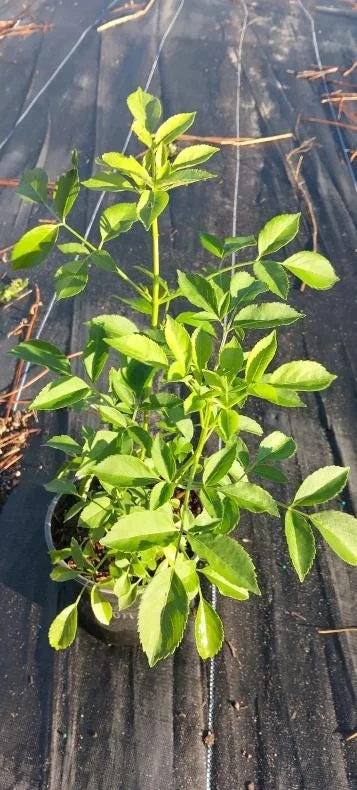
Cultivate your own elderberry live plant, a versatile Sambucus nigra shrub. This 4-8 inch tall plant is perfect for edible gardens, attracting wildlife, and providing berries for medicinal uses. Enjoy a robust, low-maintenance addition to your landscape.
-
USDA Hardiness Zone
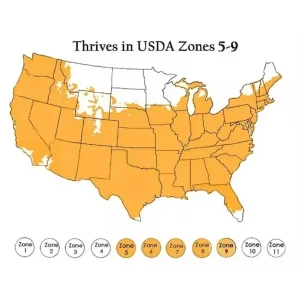
USDA zones 3-8 -
Soil Type
Well-draining, fertile, slightly acidic to neutral soil -
Sunlight Exposure
Full sun to partial shade (at least 6 hours of sun) -
Expected Planting Period
Early spring or fall

You can track your order HERE
Oct 22
Oct 27 - Oct 29
Nov 01 - Nov 05
Shipping and return policies: Our Alive & Thrive Guarantee covers issues with your plants within the first 30 days. Reach out to us. Our team will answer your questions and help you find the plants that are truly suitable for your environment, climate, and personal preferences.

Overview
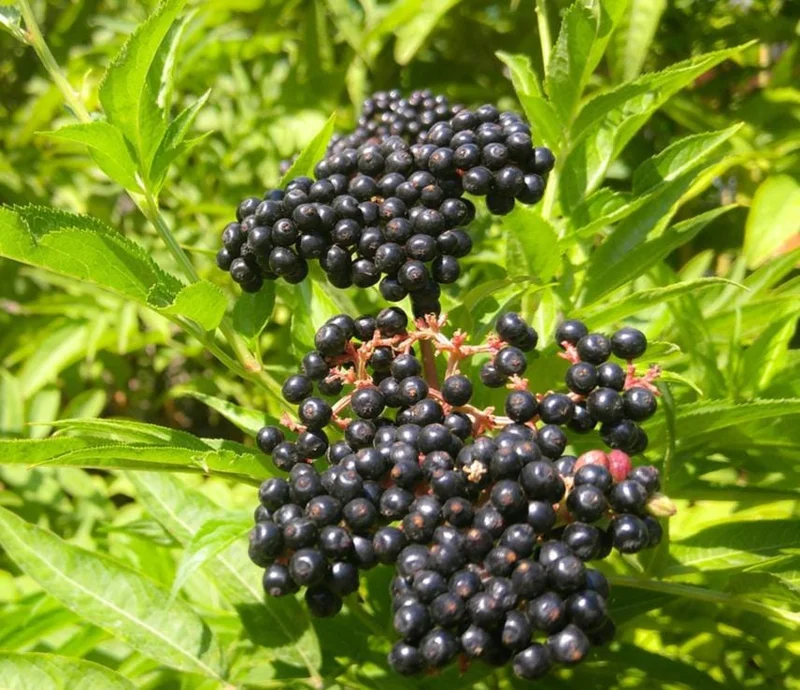
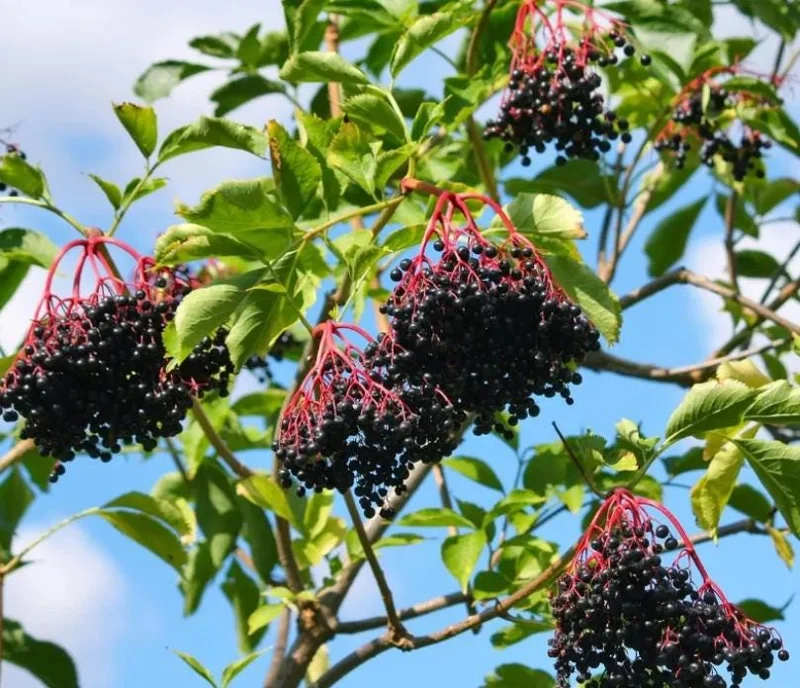
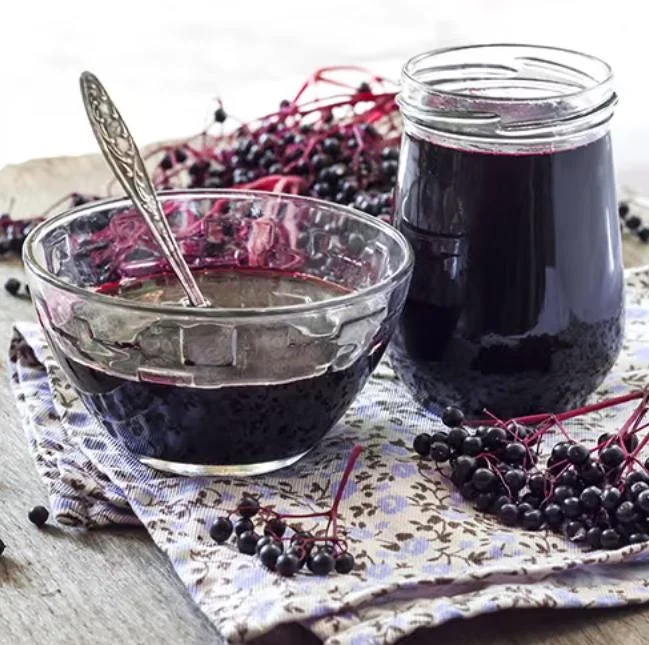
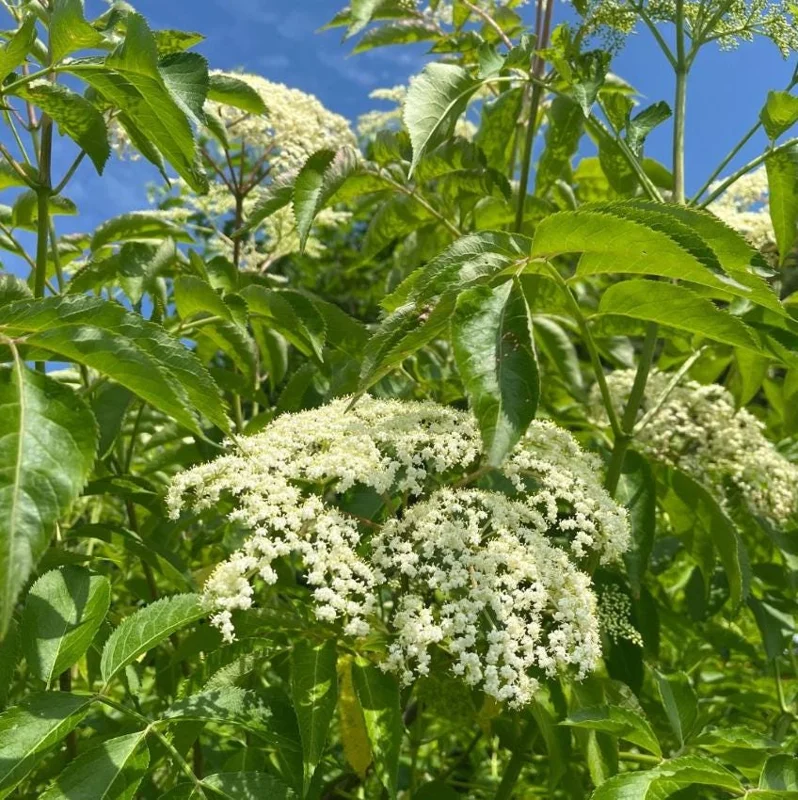
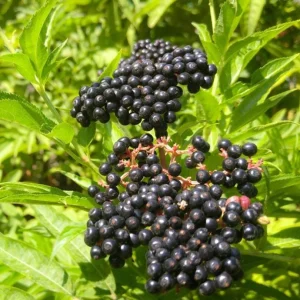
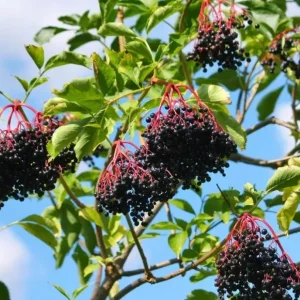
Bring the beauty and bounty of nature to your garden with this exceptional elderberry live plant. Known botanically as Sambucus nigra, this hardy shrub is a fantastic addition to any edible landscape, wildlife habitat, or herbal garden. Our young elderberry live plant arrives ready to thrive, typically measuring 4-8 inches tall, offering you a head start on growing this beneficial fruit-bearing specimen. Elderberry plants are celebrated for their attractive foliage, delicate white flowers, and clusters of dark purple berries, which are prized for their culinary and traditional medicinal applications. Beyond its practical uses, the elderberry plant also serves as an excellent ornamental shrub, providing seasonal interest and supporting local ecosystems by attracting pollinators and birds. This robust plant is an easy-to-grow choice for both novice and experienced gardeners.
The Sambucus nigra plant, commonly known as European or Black Elderberry, is a deciduous shrub native to Europe, North Africa, and parts of Asia. It’s renowned for its resilience and adaptability, capable of flourishing in a wide range of climates and soil conditions. Growing an elderberry live plant allows you to enjoy fresh, organic elderberries right from your backyard, perfect for making jams, jellies, pies, wines, and syrups. Its vigorous growth and abundant fruit production make it a rewarding plant to cultivate.
Key Benefits
The elderberry live plant offers a multitude of benefits, making it a valuable addition to diverse garden settings. From its ecological contributions to its practical uses, this shrub provides continuous value throughout the seasons.
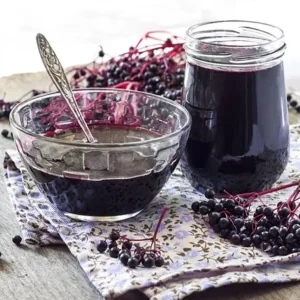
- Abundant Edible Berries: Harvest numerous clusters of dark purple berries, perfect for homemade preserves, pies, and beverages. These berries are known for their distinct flavor and nutritional value, offering a fresh, organic source of food from your own garden.
- Attracts Wildlife: The flowers provide nectar for pollinators like bees and butterflies, while the berries are a favorite food source for various bird species, making it an excellent choice for an elderberry for wildlife garden. It helps create a thriving, biodiverse environment.
- Medicinal Properties: Elderberries have a long history of use in traditional medicine, particularly for their immune-boosting properties. Growing your own provides access to these beneficial fruits for herbal remedies.
- Hardy and Resilient: This hardy fruit shrub is very adaptable to different soil types and climates, making it a low-maintenance option for gardeners in many USDA zones. It tolerates various conditions, ensuring reliable growth.
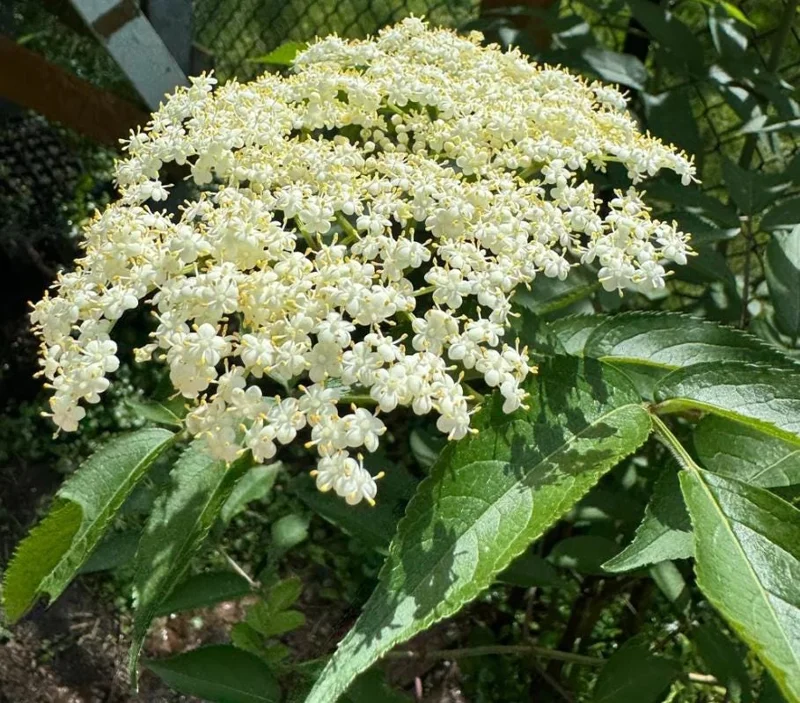
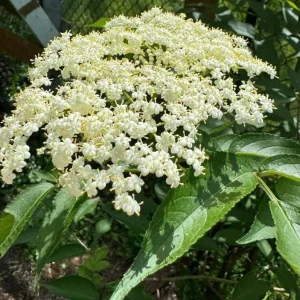
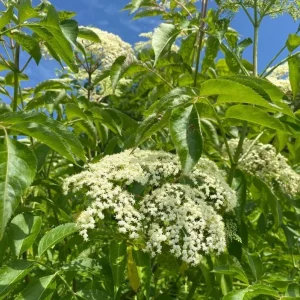
- Ornamental Value: Beyond its fruit, the elderberry plant boasts attractive lacy foliage, clusters of fragrant white flowers in spring, and vibrant berry clusters in late summer, adding significant aesthetic appeal to your landscape.
- Erosion Control: Due to its extensive root system, elderberry can be an effective plant for stabilizing soil on slopes or in areas prone to erosion, contributing to the health of your garden.
- Easy to Grow: Known for its vigor, the Sambucus nigra plant is relatively easy to care for, making it suitable for gardeners of all experience levels. It establishes quickly and requires minimal intervention once settled.
Plant Care & Growing Tips
Caring for your elderberry live plant is straightforward, ensuring a bountiful harvest and healthy growth with minimal effort. Elderberries thrive in a variety of conditions but perform best with a few key considerations. For optimal fruit production, plant your elderberry in a location that receives at least 6 hours of full sun per day. While it can tolerate partial shade, too little sun may reduce flowering and berry yield. Good air circulation is also beneficial to prevent fungal diseases.
When it comes to watering, young elderberry plants require consistent moisture to establish a strong root system. Once mature, they are quite drought-tolerant but will produce more fruit with regular watering, especially during dry spells and fruit development. Aim for consistently moist, but not waterlogged, soil. The ideal soil for an elderberry live plant is well-draining, fertile, and slightly acidic to neutral (pH 5.5-7.0). Incorporating organic matter like compost before planting will greatly improve soil structure and fertility. Fertilize in early spring with a balanced, all-purpose fertilizer or a layer of compost around the base of the plant.
Elderberries are generally hardy and can withstand cold temperatures. Most varieties, including Sambucus nigra, are hardy in USDA Zones 3-8. Pruning is essential for maintaining plant health and maximizing fruit production. In late winter or early spring, remove any dead, damaged, or weak canes. You can also thin out older, less productive canes to encourage new growth. Elderberries produce fruit on one-year-old wood, so a regular pruning schedule helps ensure a continuous supply of berries. Watch out for common pests like aphids or borers, and address them with organic pest control methods if necessary. This edible elderberry plant is a robust grower and will reward proper care with years of fruit.
Size & Details
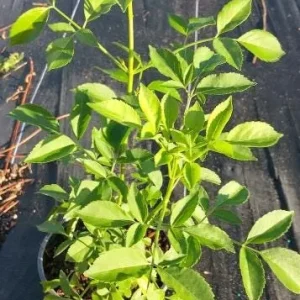
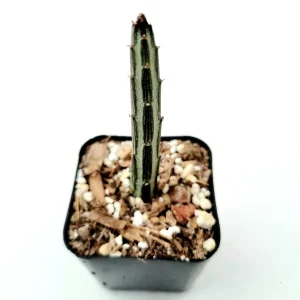
This offering is for one elderberry live plant, which typically arrives at a size of 4-8 inches tall. These young plants are shipped without a pot to minimize shipping stress and are ready for immediate planting upon arrival. Elderberry is a fast-growing shrub that can reach heights of 6-12 feet and a similar spread at maturity, depending on the variety and growing conditions. It has a moderate to fast growth rate, often producing its first berries within 1-2 years of planting, with significant yields in 3-4 years.
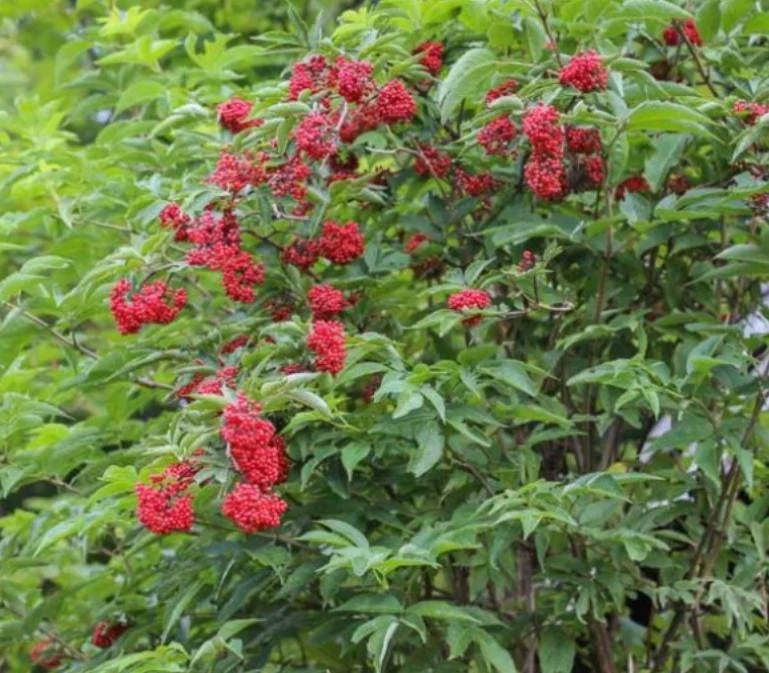
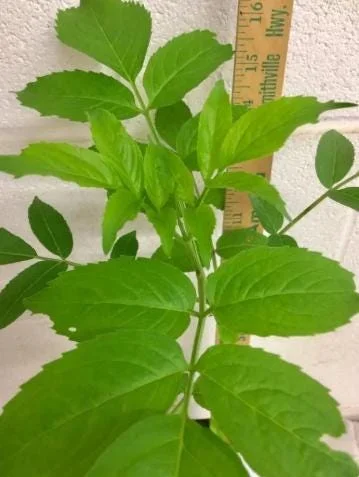
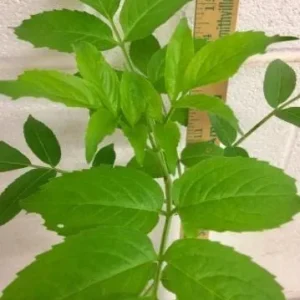
The plant forms a multi-stemmed shrub with an upright, spreading habit. The leaves are compound, typically with 5-7 leaflets, and turn an attractive yellow in the fall. Fragrant white flower clusters appear in late spring to early summer, followed by the characteristic dark purple to black berries in late summer. This hardy fruit shrub will become a substantial and productive part of your garden landscape.
Frequently Asked Questions
- Q: How big does this plant get? A: A mature elderberry live plant can typically reach a height and spread of 6-12 feet, depending on the specific variety and growing conditions in your garden. Regular pruning can help manage its size.
- Q: What size pot does it come in? A: This elderberry live plant is shipped as a young plant, 4-8 inches tall, without a pot to ensure safe transit and reduce environmental impact. It should be planted directly into the ground or a larger container upon arrival.
- Q: Is this an indoor or outdoor plant? A: Elderberry is primarily an outdoor plant, thriving in garden settings where it can receive adequate sunlight and space to grow into a large shrub. It is not generally suitable for indoor cultivation.
- Q: How much sunlight does it need? A: For the best growth and fruit production, your Sambucus nigra plant needs at least 6 hours of full sun per day. It can tolerate partial shade, but berry yield may be reduced.
- Q: Is this plant easy to care for? A: Yes, elderberry is considered a relatively easy-to-care-for plant, making it suitable for gardeners of all experience levels. It’s known for its hardiness and adaptability once established.
- Q: What condition will it arrive in? A: Your elderberry live plant will arrive as a healthy, young plant, carefully packaged to ensure its safe journey. It may appear a little stressed from transit, but will quickly recover once planted and watered.
- Q: Can I use elderberry in cooking? A: Absolutely! The berries from the edible elderberry plant are excellent for culinary uses, including making jams, jellies, pies, syrups, and wine. Ensure berries are cooked before consumption.
- Q: How long until it blooms? A: Elderberry plants typically begin to flower and produce fruit within 1-2 years of planting, with more significant harvests expected in 3-4 years as the plant matures.
- Q: When is the best time to plant? A: The best time to plant your elderberry live plant is in early spring or fall, allowing it to establish its root system before the extremes of summer or winter.
- Q: Will it survive winter in my zone? A: Yes, Sambucus nigra is a very hardy species, typically thriving in USDA Hardiness Zones 3-8, meaning it can withstand cold winter temperatures in most regions of the United States.
Be the first to review “Elderberry Live Plant – Sambucus nigra – 4-8 inch Tall Hardy Fruit Shrub”
People Also Viewed
Herb Seeds
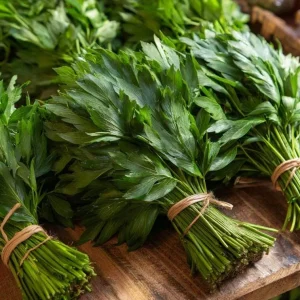
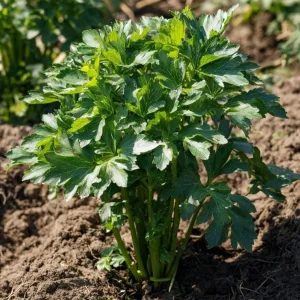
Lovage Seeds – Levisticum officinale, Culinary & Medicinal Herb, Hardy Perennial, 50 Seeds
Sold 86 products
Original price was: $31.99.$11.99Current price is: $11.99.

Tree Seeds
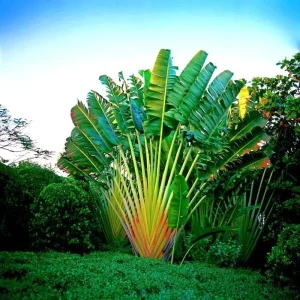
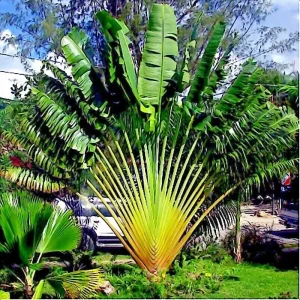
Traveler’s Palm Tree Seeds – 5 Count (Ravenala madagascariensis) – Bird of Paradise Plant
Sold 80 products
Original price was: $34.28.$17.14Current price is: $17.14.





Reviews
There are no reviews yet.