
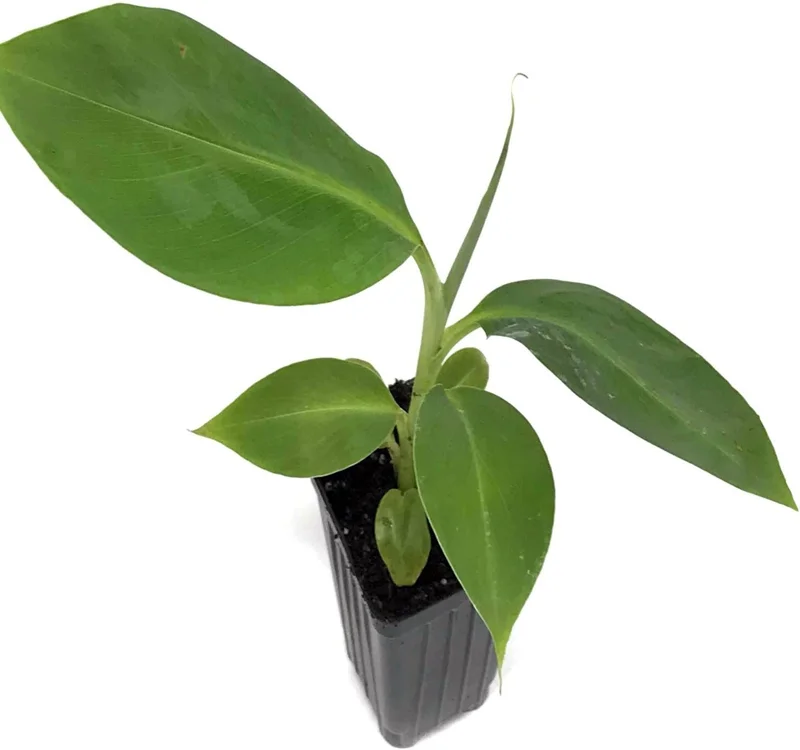
Dwarf Orinoco Banana Live Plant – Cold Hardy Fruit Tree, 4-6 in Tall
$31.98
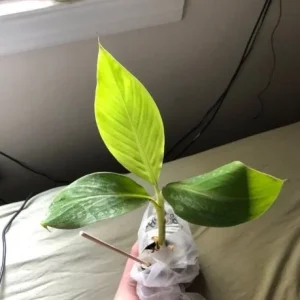
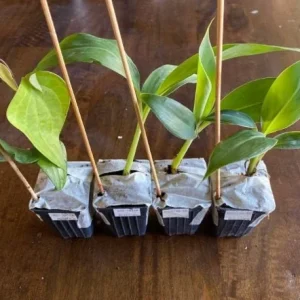
Grow your own tropical delight with the dwarf orinoco banana live plant. This cold-hardy fruit tree is perfect for USDA zones 7b-11, offering delicious, versatile bananas with a silky sweet, strawberry-like flavor. Arrives as a healthy 1-foot tall specimen, ready to thrive in your garden.
-
USDA Hardiness Zone
USDA zones 7b-11 -
Soil Type
Rich, well-draining loam -
Sunlight Exposure
Full sun (6-8 hours direct sunlight daily) -
Expected Planting Period
Year-round in warm climates, spring in colder zones

You can track your order HERE
Oct 21
Oct 26 - Oct 28
Oct 31 - Nov 04
Shipping and return policies: Our Alive & Thrive Guarantee covers issues with your plants within the first 30 days. Reach out to us. Our team will answer your questions and help you find the plants that are truly suitable for your environment, climate, and personal preferences.

Overview
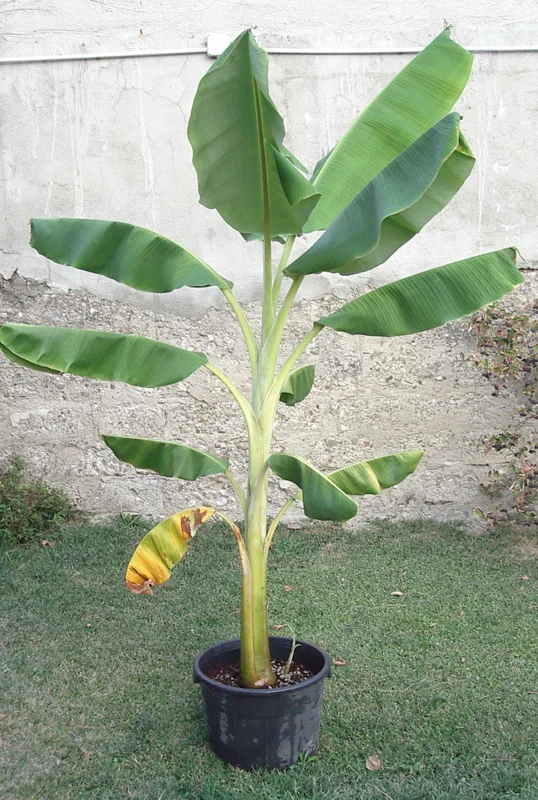
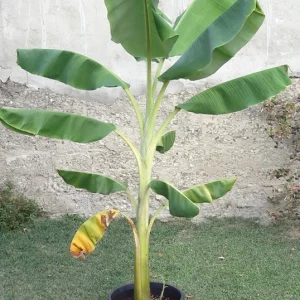
Cultivate your own tropical paradise with the exceptional dwarf orinoco banana live plant. This robust and relatively compact live fruit tree is celebrated for its remarkable cold hardiness, making it a fantastic choice for gardeners in USDA zones as low as 7b, where traditional banana varieties would struggle. Unlike many banana trees, the Dwarf Orinoco, scientifically known as Musa ‘Orinoco’, typically reaches a manageable height of 6-10 feet, making it suitable for smaller gardens or even large container growing. You will receive a healthy, approximately 1-foot tall specimen, ready to establish itself and begin its journey towards producing delectable fruit. This plant is grown from tissue cultures, ensuring a vigorous start and the potential for fruiting within its first year, providing a rewarding experience for any home gardener. The musa orinoco plant is not just about its resilience; it’s also about the superior quality of its fruit. Known for its unique flavor profile, often described as silky sweet with subtle strawberry undertones, the versatile orinoco banana fruit can be enjoyed fresh or used in its firmer, starchier green-yellow stage for culinary applications like frying. Its thick skin helps prevent splitting, ensuring a bountiful harvest of perfect 6-inch, angular bananas. Embrace the joy of growing your own exotic fruit with this easy-to-manage and highly productive banana tree.
Key Benefits
The dwarf orinoco banana live plant offers a multitude of advantages for the home gardener, blending ornamental appeal with exceptional productivity. Its unique characteristics make it a standout choice for those looking to add a touch of the tropics to their landscape, providing a rewarding experience for those interested in banana plant care.
- Exceptional Cold Hardiness: This cold hardy banana tree is notably cold-tolerant, thriving in conditions as low as USDA zone 7b, significantly extending the range where bananas can be successfully grown outdoors. This allows more gardeners to enjoy fresh, homegrown bananas.
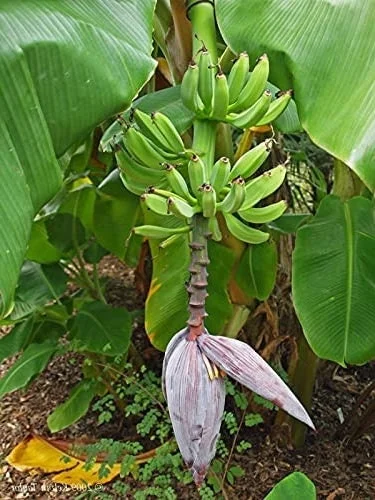
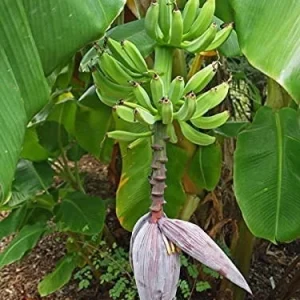
- Delicious & Versatile Fruit: Produces unique 6-inch, angular bananas with a silky sweet flavor and hints of strawberry. These bananas are excellent for eating fresh or can be used for frying when firmer, offering culinary flexibility for the delicious orinoco banana fruit.
- High Yield Potential: A mature dwarf orinoco banana live plant can produce impressive bunches, often yielding up to 5 ‘hands’ of bananas, ensuring a generous harvest for your family and friends.
- Disease Resistance & Thick Skin: The fruit’s extra-thick skin helps prevent splitting, a common issue with other banana varieties, leading to a higher quality and more marketable crop. This also contributes to the overall hardiness of the plant.
- Rapid Fruiting: Grown from tissue cultures, this banana tree is capable of fruiting within just one year under optimal conditions, providing a quicker return on your gardening efforts compared to seed-grown plants.
- Manageable Dwarf Size: Reaching an average height of only 6-10 feet, this dwarf variety is perfect for smaller gardens, patios, or even large containers, making it accessible to gardeners with limited space.
- Self-Fertile: This musa orinoco plant is self-fertile, simplifying banana plant care as you only need one plant to produce fruit, eliminating the need for cross-pollination.
Plant Care & Growing Tips
Caring for your dwarf orinoco banana live plant is straightforward and rewarding, leading to a flourishing fruit tree. To ensure optimal growth and fruit production, understanding its specific needs is crucial. This plant thrives in full sun, requiring at least 6-8 hours of direct sunlight daily to produce the best fruit. While it can tolerate up to 30% shade, especially in hotter climates, full sun encourages faster growth and sweeter bananas. For soil, a rich, well-draining loam is ideal. Banana plants are heavy feeders, so amending your soil with compost or well-rotted manure will provide a strong foundation for your plant. Consistent moisture is key; water regularly, especially during dry periods, to keep the soil consistently moist but never waterlogged. Good drainage is paramount to prevent root rot.
This cold hardy banana tree is suitable for outdoor planting in USDA zones 9-11, where it can withstand winter temperatures with some frost protection. In zones 7b-8, it will require protection or can be grown in containers and moved indoors during colder months. Fertilize your Dwarf Orinoco banana plant every 1-2 months during the growing season (spring through fall) with a balanced, slow-release fertilizer or one high in potassium to promote flowering and fruiting. Pruning is minimal, primarily involving removing dead or yellowing leaves and suckers (new shoots) to direct the plant’s energy into the main stem and fruit development. Pay attention to common pests like aphids or spider mites, and treat them promptly with organic insecticidal soap if observed. Following these guidelines will help your musa orinoco plant flourish and provide abundant harvests, making banana plant care a rewarding experience.
Size & Details
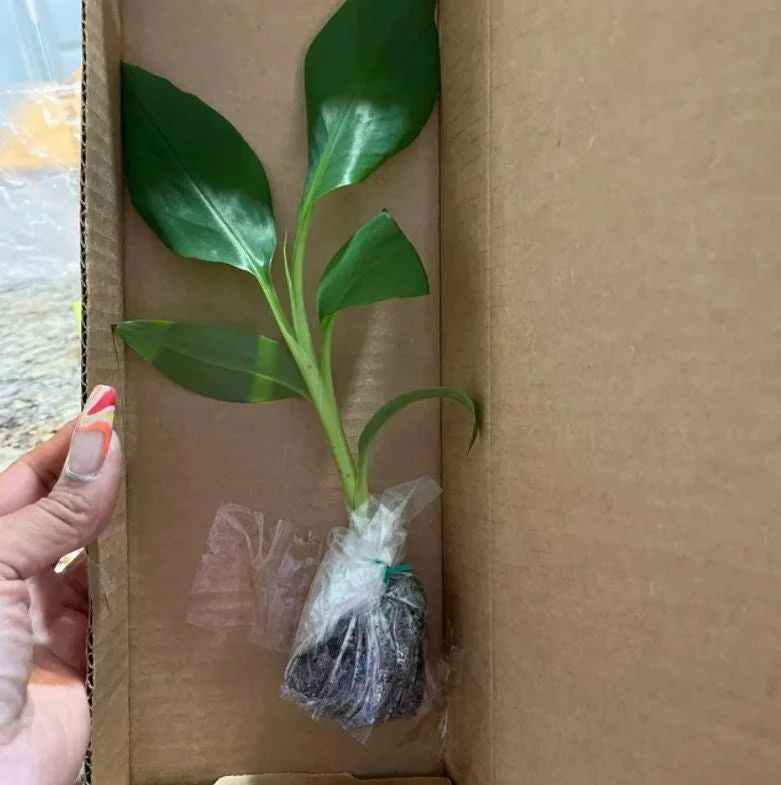
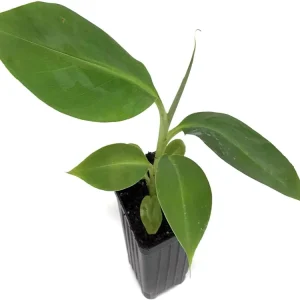
The dwarf orinoco banana live plant you will receive is a healthy, live plant approximately 1 foot tall, ready for planting. This starter fruit tree is propagated from tissue cultures, ensuring genetic purity and vigorous growth. Once established, this dwarf variety typically reaches a mature height of 6-10 feet, making it a manageable size for most home gardens or suitable for large container cultivation on patios or in greenhouses. Its upright growth habit and thick trunk contribute to its robust appearance. This plant is known for its fast to very fast growth rate, and with proper care, it can begin fruiting within its first year, providing a relatively quick turnaround for homegrown fruit.
The bananas produced are angular, about 6 inches long, and ripen without splitting due to their thick skin. The plant is self-fertile, so a single specimen is sufficient for fruit production. It requires full sun to part shade and thrives in well-draining soil. While outdoor cultivation is recommended for zones 9-11 with frost protection, it can also be grown in patio containers or greenhouses in zones 4 and above, making it a versatile addition to various climates. Expect a bountiful harvest of up to 5 ‘hands’ of bananas per bunch from a mature orinoco banana fruit tree.
Frequently Asked Questions
- Q: How big does this dwarf orinoco banana live plant get? A: The Dwarf Orinoco banana plant typically reaches a mature height of 6-10 feet, making it a compact and manageable size for most home gardens or large containers.
- Q: Is this an indoor or outdoor plant? A: This is primarily an outdoor plant for warmer climates (USDA zones 9-11), but its cold hardy banana tree nature allows it to be grown in containers and brought indoors or protected in zones as low as 7b.
- Q: How much sunlight does it need? A: The Dwarf Orinoco banana plant thrives in full sun, requiring at least 6-8 hours of direct sunlight daily for optimal growth and orinoco banana fruit production. It can tolerate up to 30% shade.
- Q: Is this plant easy to care for? A: Yes, the Dwarf Orinoco is considered relatively low-maintenance, especially given its cold hardiness. Consistent watering and feeding are key aspects of its banana plant care.
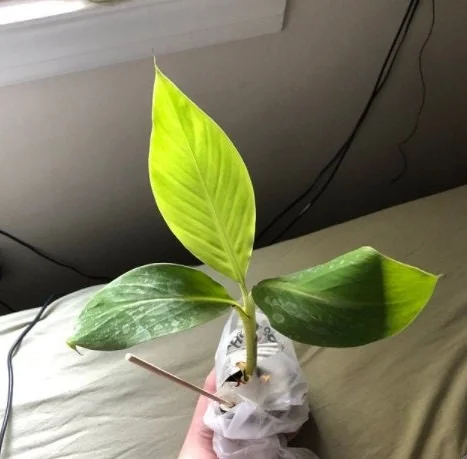
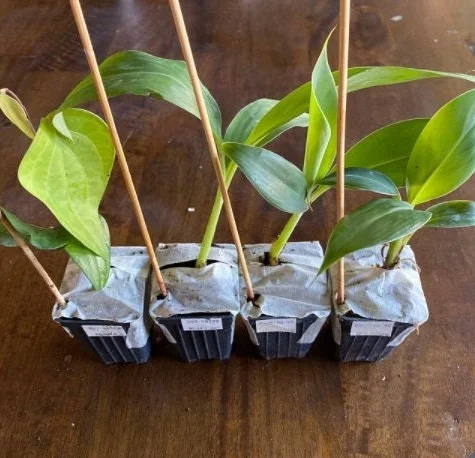
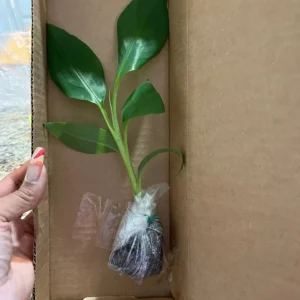
- Q: What condition will it arrive in? A: You will receive a healthy, approximately 1-foot tall live plant, carefully selected and packaged to ensure it arrives ready to thrive in your garden.
- Q: How long until it produces fruit? A: Grown from tissue cultures, this musa orinoco plant is capable of fruiting within 1 year under ideal growing conditions, providing a relatively quick harvest.
- Q: Will it survive winter in my zone? A: It is cold-hardy for outdoor planting in USDA zones 9-11. In zones 7b-8, it will need winter protection or should be grown in a patio/greenhouse setting.
- Q: Can I grow the musa orinoco plant in a pot? A: Yes, its dwarf size makes it an excellent candidate for growing in large containers, allowing you to move it indoors during colder months if you live in a colder climate.
- Q: What does orinoco banana fruit taste like? A: The fruit is known for its silky sweet flavor with distinct strawberry undertones. It can be eaten fresh when ripe or used for cooking when firmer.
- Q: Do I need more than one plant for fruit? A: No, the dwarf orinoco banana live plant is self-fertile, meaning a single plant is sufficient to produce fruit.
Be the first to review “Dwarf Orinoco Banana Live Plant – Cold Hardy Fruit Tree, 4-6 in Tall”
People Also Viewed
HousePlants
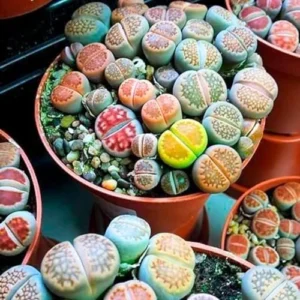
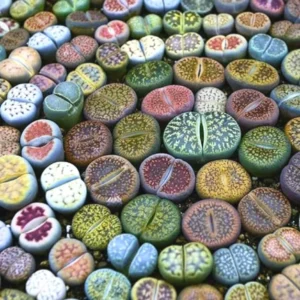
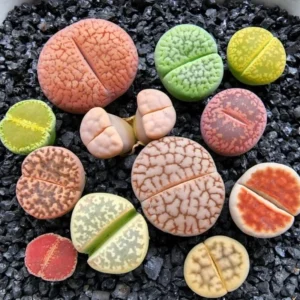
Lithops Live Plants Mix – 30 Colorful Succulents – Living Stones for Indoor/Outdoor Planting
Sold 63 products
Original price was: $65.98.$32.99Current price is: $32.99.

Flower Seeds
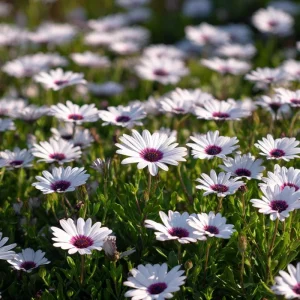
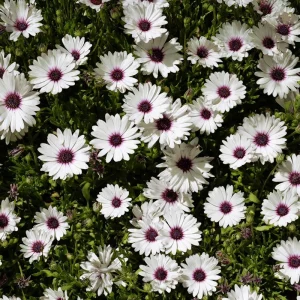
White Cape Daisy Seeds – Osteospermum spp. Perennial Flowers, 60 Seeds, Pollinator-Friendly
Sold 70 products
Original price was: $31.99.$11.99Current price is: $11.99.
Sold 50 products
Original price was: $21.98.$17.58Current price is: $17.58.
Sold 86 products
Original price was: $39.98.$19.99Current price is: $19.99.







%20–%2050%20Seeds,%20Hardy%20Perennial,%20Pollinator-Friendly%20Blooms,%20Outdoor&url=https://gardennursery.net/product/blue-wild-indigo-seeds-baptisia-australis-50-seeds-hardy-perennial-pollinator-friendly-blooms-outdoor/&media=https://img.gardennursery.net/2026/04/blue-wild-indigo-seeds-baptisia-australis-50-seeds-a233f6a7.webp)


Reviews
There are no reviews yet.