
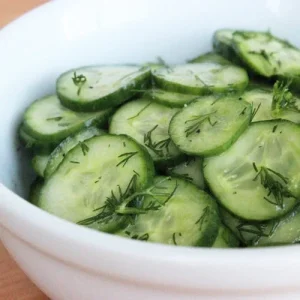
Dill Long Island Mammoth Seeds – Fragrant Herb – 100, 500, or 2000 Seeds
From $3.87
Cultivate your own aromatic garden with dill long island mammoth seeds. These high-quality dill seeds are perfect for growing fragrant, culinary herbs. Choose from 100, 500, or 2000 seeds to suit your gardening needs, producing lush greens ideal for cooking and garnishes.
-
USDA Hardiness Zone
Annual in most USDA zones (3-9) -
Soil Type
Well-draining sandy loam -
Sunlight Exposure
Full sun -
Expected Planting Period
Spring to early summer

You can track your order HERE
Oct 22
Oct 27 - Oct 29
Nov 01 - Nov 05
Shipping and return policies: Our Alive & Thrive Guarantee covers issues with your plants within the first 30 days. Reach out to us. Our team will answer your questions and help you find the plants that are truly suitable for your environment, climate, and personal preferences.

Overview
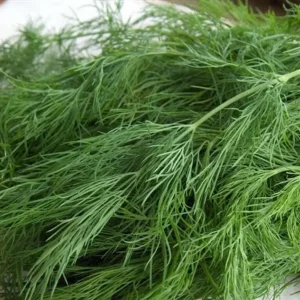
Embark on a rewarding gardening journey with our premium dill long island mammoth seeds. This popular varietal, also known by its botanical name Anethum graveolens, is celebrated for its robust growth and intensely aromatic foliage. Known for producing abundant, feathery green leaves, Long Island Mammoth Dill is a favorite among home gardeners and culinary enthusiasts alike. Whether you’re looking to start a small herb patch or a larger garden, these dill seeds offer an excellent foundation for a thriving harvest. Its strong, distinctive flavor and scent make it an indispensable herb for a variety of dishes, from pickles to seafood. Growing your own fragrant dill herb from seed is a fulfilling experience, providing fresh ingredients right from your backyard.
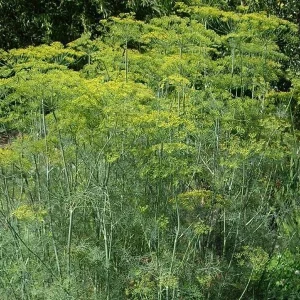
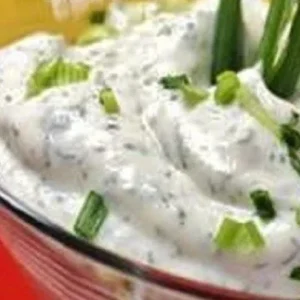
Our dill long island mammoth seeds are carefully selected to ensure high germination rates, giving you the best start for a successful crop. This classic variety is known for its tall, sturdy stalks and large seed heads, making it not only a culinary asset but also an attractive addition to your garden landscape. With its delicate texture and potent flavor, this dill is ideal for adding a fresh, zesty note to salads, fish, and creamy sauces. Choose the quantity that best fits your gardening ambitions, with options for 100, 500, or 2000 seeds, ensuring you have plenty of this versatile herb to enjoy throughout the growing season.
Key Benefits
Growing your own dill offers numerous advantages, from enhancing your cooking to beautifying your garden. The dill long island mammoth seeds provide a straightforward path to enjoying these benefits.
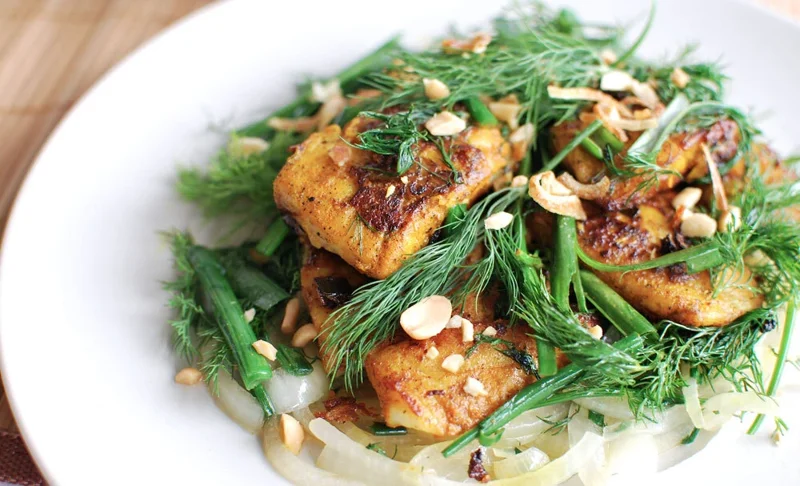
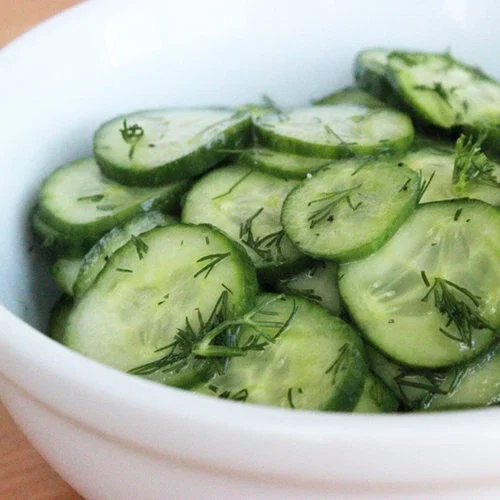
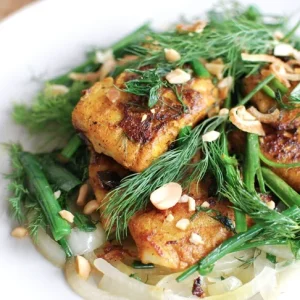
- Exceptional Culinary Versatility: Long Island Mammoth Dill is renowned for its strong, sweet, and slightly tangy flavor, making it a staple for pickling, flavoring fish, potato salads, and a wide array of other dishes. Having fresh dill on hand elevates your home cooking.
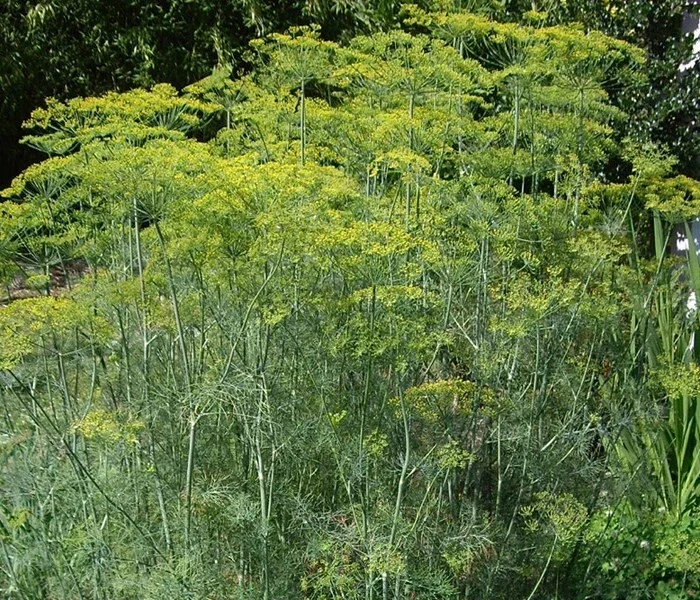
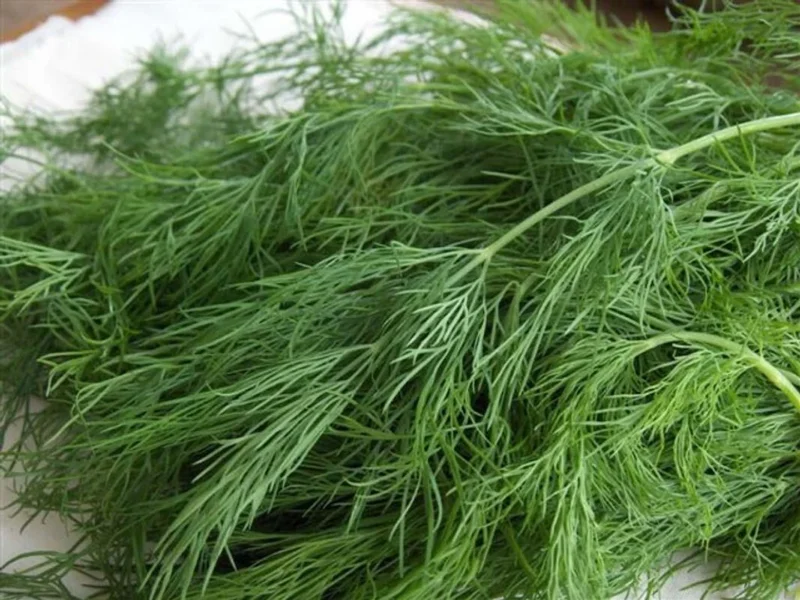
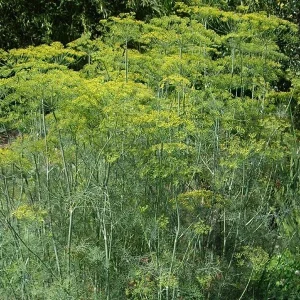
- Aromatic Garden Addition: The feathery, blue-green foliage of this fragrant dill herb adds an attractive texture and delightful aroma to any garden space. Its tall stature can also provide a lovely backdrop for shorter plants.
- Attracts Beneficial Insects: Dill flowers are known to attract pollinators like bees and butterflies, as well as beneficial insects such as lacewings and hoverflies, which help control garden pests. This makes it a great companion plant.
- Easy to Grow from Seed: These dill seeds are considered easy to cultivate, making them an excellent choice for both beginner and experienced gardeners. They germinate readily and grow quickly with proper care.
- Harvest Fresh Herbs Regularly: With a continuous supply of fresh dill, you can harvest young leaves for seasoning and allow some plants to go to seed for pickling or to collect more seeds for future plantings.
- Health and Wellness: Dill is known to contain vitamins A and C, as well as several minerals and antioxidants. Incorporating fresh dill into your diet can contribute to overall well-being.
- Reliable & Productive Variety: The Long Island Mammoth variety is a robust and dependable choice, ensuring a generous yield of both foliage and seeds, fulfilling your desire to grow dill seeds successfully.
Plant Care & Growing Tips
Successfully cultivating dill long island mammoth seeds requires attention to a few key environmental factors. Dill thrives in full sun, meaning it needs at least 6-8 hours of direct sunlight per day. Choose a location in your garden that receives ample light throughout the day. For soil, well-draining soil is crucial to prevent root rot. A sandy loam with a pH between 6.0 and 7.0 is ideal. Incorporating organic matter, such as compost, can improve soil structure and fertility, providing a rich environment for your anethum graveolens seeds to flourish.
When it comes to watering, dill prefers consistently moist, but not waterlogged, soil. Water regularly, especially during dry spells, allowing the top inch of soil to dry out slightly between waterings. Avoid overhead watering if possible, as this can encourage fungal diseases; instead, water at the base of the plant. Dill is an annual herb, typically grown from seed each year. It is moderately cold-hardy and can tolerate light frosts, but prolonged freezing temperatures will damage it. It’s generally suited for USDA zones 3-9 as an annual. Fertilization is usually not heavily required if your soil is rich in organic matter. If needed, a balanced, all-purpose liquid fertilizer can be applied once or twice during the growing season, particularly if you notice slow growth or yellowing leaves. Keep an eye out for common pests like aphids; a strong spray of water or insecticidal soap can help manage infestations. Bolting (going to seed prematurely) can occur in hot weather, so planting in succession every few weeks can ensure a continuous supply of fresh culinary dill throughout the summer.
Size & Details
Our dill long island mammoth seeds are offered in various quantities to accommodate gardens of all sizes: 100 seeds, 500 seeds, and 2000 seeds. Each packet contains high-quality, viable seeds ready for planting. Once established, Long Island Mammoth Dill plants typically grow to a height of 2 to 3 feet (60-90 cm) and spread about 1 foot (30 cm) wide. This variety is known for its vigorous growth and can reach maturity, ready for harvesting leaves, in approximately 60-70 days. If allowed to flower and go to seed, the plant will produce large, attractive umbels that are excellent for both culinary use and attracting beneficial insects. These dill seeds are ideal for direct sowing outdoors after the last frost, ensuring robust plants that will provide a generous yield of fragrant dill herb.
Frequently Asked Questions
- Q: How big does this dill plant get? A: The dill long island mammoth seeds will grow into plants that typically reach 2 to 3 feet tall, with a spread of about 1 foot. They are known for their sturdy, upright growth habit.
- Q: What is the best time to plant dill seeds? A: The best time to grow dill seeds is after the last danger of frost in spring. For a continuous harvest, you can sow seeds every 2-3 weeks until mid-summer.
- Q: Is this an indoor or outdoor plant? A: While dill can be grown indoors in a sunny spot, it generally thrives best outdoors in full sun. It is a popular herb for garden beds and containers.
- Q: How much sunlight does dill need? A: Dill requires at least 6-8 hours of direct sunlight per day to grow vigorously and produce the best flavor. Full sun exposure is highly recommended for these anethum graveolens seeds.
- Q: Is this plant easy to care for? A: Yes, dill is considered an easy-to-grow herb, making it suitable for gardeners of all experience levels. It’s relatively low-maintenance once established.
- Q: Can I use this dill for pickling? A: Absolutely! The Long Island Mammoth variety is especially popular for pickling due to its strong flavor and large seed heads, which are ideal for infusing into brines. It’s excellent culinary dill.
- Q: What condition will the seeds arrive in? A: Your dill long island mammoth seeds will arrive in a protective packet, ensuring they are fresh and ready for planting upon arrival.
- Q: What kind of soil does dill prefer? A: Dill prefers well-draining soil with a slightly acidic to neutral pH (6.0-7.0). Amending your soil with compost can improve its quality.
- Q: Will it survive winter in my zone? A: Dill is an annual plant and will typically die back with the first hard frost. In warmer climates (USDA zones 9+), it might self-seed or overwinter in mild conditions.
- Q: How long until I can harvest fresh dill? A: You can typically start harvesting fresh dill leaves from your fragrant dill herb plants in about 60-70 days after planting the seeds.
| Number of seeds | 100 Seeds, 2000 Seeds, 500 Seeds |
|---|
Be the first to review “Dill Long Island Mammoth Seeds – Fragrant Herb – 100, 500, or 2000 Seeds”
People Also Viewed

Vegetable Seeds
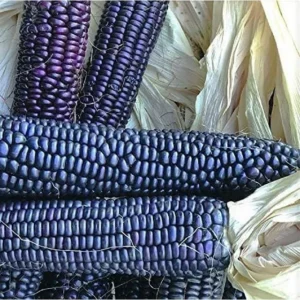
Blue Hopi Sweet Flour Corn Seeds – 1 Lb Organic Heirloom Non-GMO
Sold 96 products
Original price was: $79.00.$39.50Current price is: $39.50.


Trees
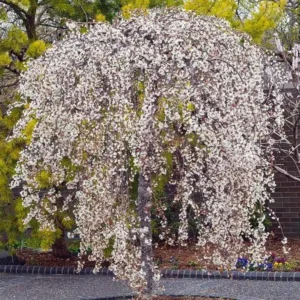
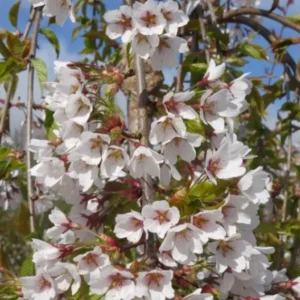
Weeping Yoshino Cherry Tree – Live Plant – 10-12″ Tall Sapling – 2.5″ Pot – Outdoor Ornamental
Sold 73 products
Original price was: $34.10.$15.64Current price is: $15.64.
Sold 66 products
From $99.80
Sold 56 products
From $51.80





Reviews
There are no reviews yet.