
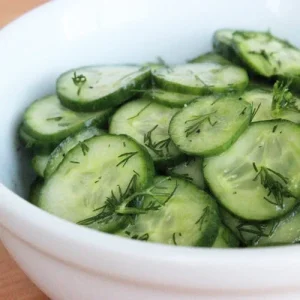
Dill Long Island Mammoth Seeds – Fragrant Culinary Herb, Outdoor, 100-2000 Seeds
From $3.87
Cultivate your own aromatic herbs with Dill Long Island Mammoth seeds. These easy-to-grow seeds produce lush, fragrant greens perfect for culinary creations and enhancing garden beauty. Ideal for outdoor planting and suitable for all skill levels.
-
USDA Hardiness Zone
Annual (grows in most zones during warm season) -
Soil Type
Well-draining, loamy soil -
Sunlight Exposure
Full sun -
Expected Planting Period
Spring to early summer

You can track your order HERE
Oct 22
Oct 27 - Oct 29
Nov 01 - Nov 05
Shipping and return policies: Our Alive & Thrive Guarantee covers issues with your plants within the first 30 days. Reach out to us. Our team will answer your questions and help you find the plants that are truly suitable for your environment, climate, and personal preferences.

Overview
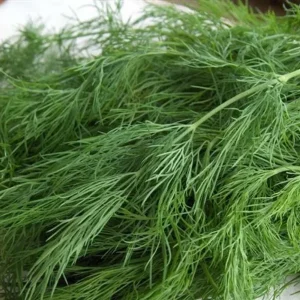
Embark on a rewarding gardening journey with our premium Dill Long Island Mammoth seeds. This popular variety of dill, known for its robust growth and abundant foliage, is a must-have for any herb garden. Whether you’re a seasoned gardener or just starting out, these seeds offer an accessible way to grow your own fresh, aromatic dill at home. Dill (Anethum graveolens) is cherished for its feathery green leaves and distinctive flavor, making it a versatile ingredient in countless dishes. The ‘Long Island Mammoth’ cultivar is particularly favored for its large size and prolific seed production, ensuring you’ll have plenty of fresh dill and seeds for your culinary needs. Grow your own supply of this classic herb and enjoy the unparalleled freshness and flavor it brings to your kitchen.
Our Dill Long Island Mammoth seeds are carefully selected to ensure high germination rates and healthy plant development. This annual herb thrives in sunny conditions and is relatively low-maintenance, making it an excellent choice for both in-ground gardens and containers. The delicate, fern-like leaves add a beautiful texture to your garden space, while the characteristic aroma is a delight to the senses. Experience the joy of harvesting your own dill, knowing exactly where your food comes from and enjoying its peak freshness.
Key Benefits
Growing your own dill from these high-quality seeds offers a multitude of advantages, from culinary delight to garden aesthetics. Here are some of the key benefits you’ll enjoy:
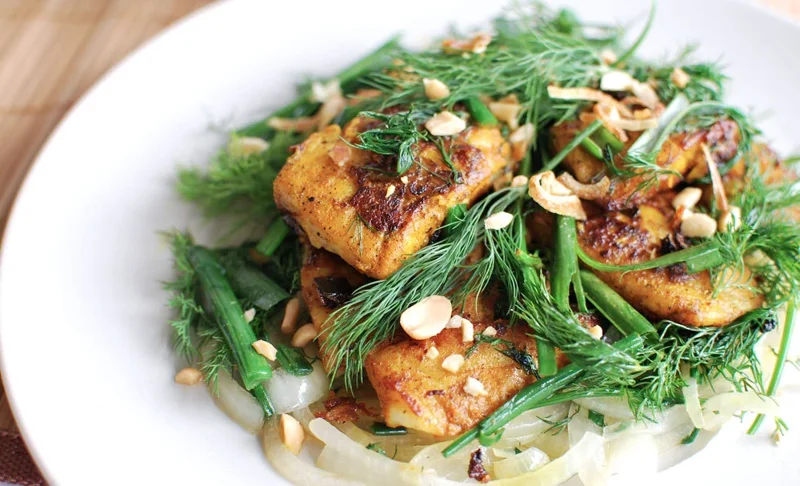
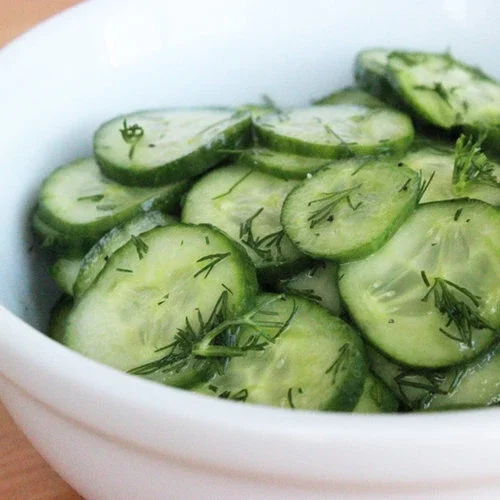
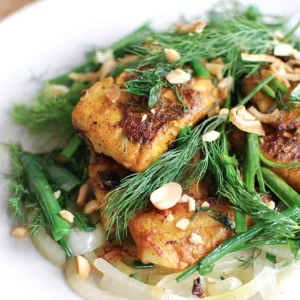
- Exceptional Culinary Versatility: Fresh dill is indispensable in the kitchen. Its unique flavor brightens salads, fish dishes, pickles, sauces, and soups. Having a fresh supply of fragrant dill seeds and leaves on hand elevates your home cooking to a new level.
- Aromatic Garden Addition: The distinctive, pleasant aroma of dill fills your garden, attracting beneficial insects like butterflies and predatory wasps, which help with natural pest control. Its feathery texture also adds visual interest to herb beds and borders.
- Easy to Grow: Dill is known for its ease of cultivation, making it perfect for beginner gardeners. These seeds germinate readily and the plants require minimal care once established, thriving with basic attention.
- Health and Wellness: Dill is not just delicious; it also offers various health benefits. It’s a good source of vitamins A and C, and contains antioxidants, traditionally used for digestive health and to support overall well-being.
- Harvest Your Own Seeds: The ‘Long Island Mammoth’ variety is excellent for seed production. You can harvest dill seeds to use as a spice in cooking, for making dill pickles, or even for replanting in subsequent seasons, ensuring a continuous supply.
- Support Local Ecosystems: Growing dill in your garden contributes to local biodiversity by providing nectar and habitat for beneficial pollinators and insects, creating a healthier garden environment.
- Cost-Effective: Growing your own herbs from seeds is significantly more economical than purchasing fresh herbs from the grocery store. A single packet of Dill Long Island Mammoth seeds can provide a season-long supply of fresh dill.
Plant Care & Growing Tips
Cultivating Dill Long Island Mammoth seeds is a straightforward process, ensuring a bountiful harvest with proper care. Dill thrives in specific conditions, so understanding its needs will lead to the best results. For optimal growth, choose a location that receives full sun, meaning at least 6-8 hours of direct sunlight per day. While dill can tolerate some partial shade, too little light will result in leggy plants and reduced flavor intensity. Prepare your soil by ensuring it is well-draining, loose, and rich in organic matter. A slightly acidic to neutral pH (6.0-7.0) is ideal for growing dill from seeds.
When planting, sow seeds directly into the garden after the last frost date, or indoors 4-6 weeks before the last frost for an earlier start. Plant seeds about ¼ inch deep and 6 inches apart in rows, or scatter them for a more natural look. Once seedlings emerge and are a few inches tall, thin them to about 9-12 inches apart to allow for proper air circulation and growth. Water regularly, especially during dry spells, keeping the soil consistently moist but not waterlogged. Avoid overhead watering if possible, as this can encourage fungal diseases. Fertilize sparingly; dill generally doesn’t require heavy feeding, but a balanced liquid fertilizer every 4-6 weeks can support vigorous growth. Protect young plants from strong winds, and consider succession planting every few weeks to ensure a continuous harvest throughout the growing season. This approach to outdoor herb gardening will yield healthy, flavorful dill.
Size & Details
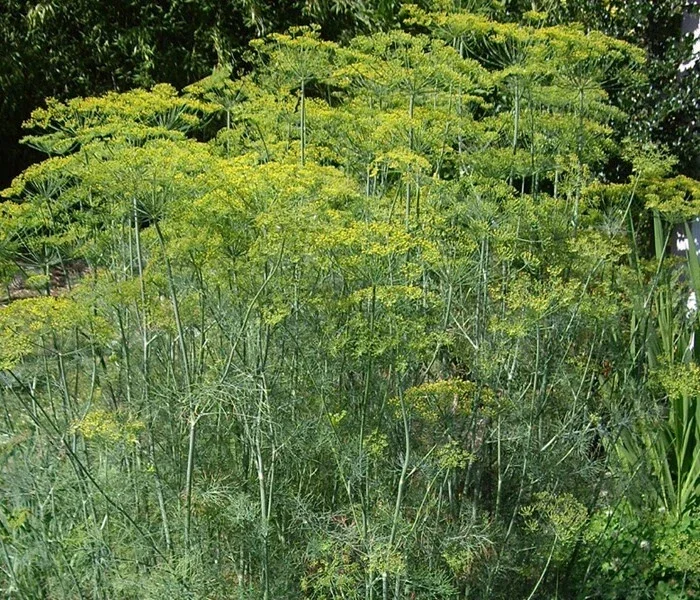
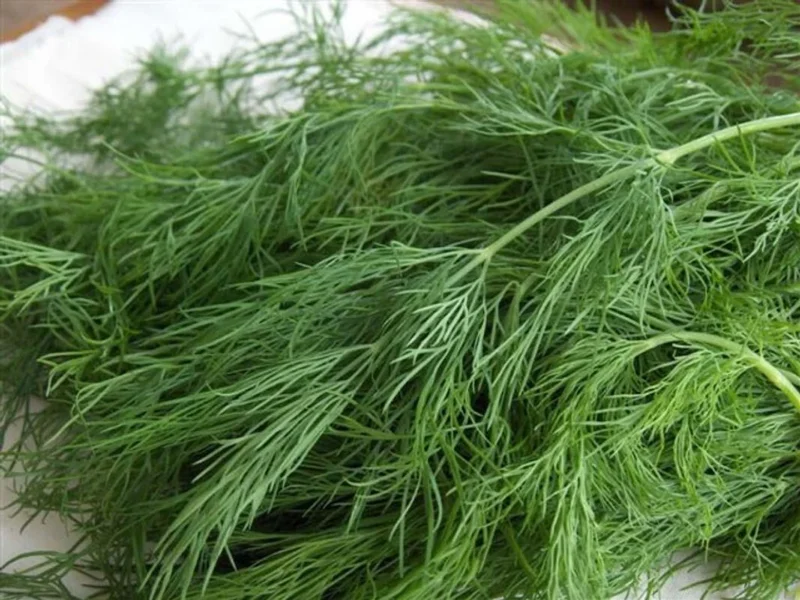
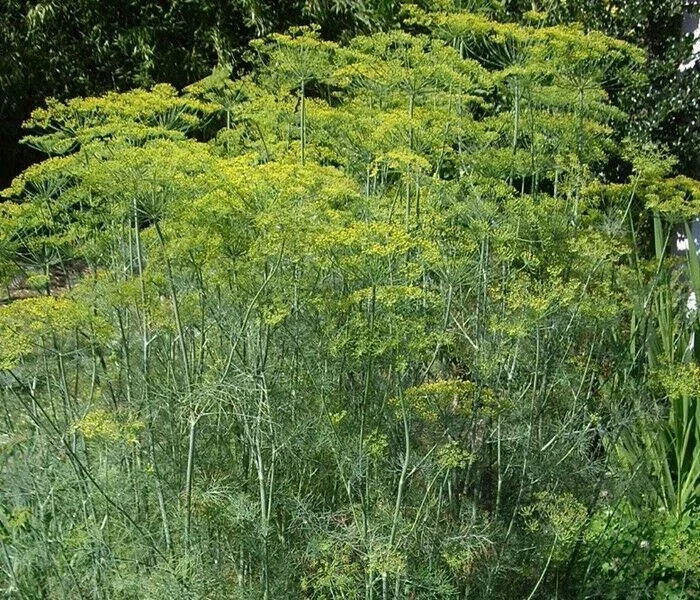
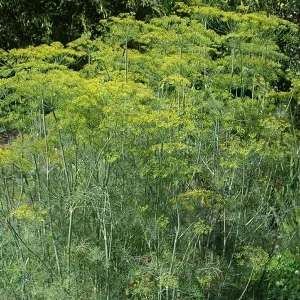
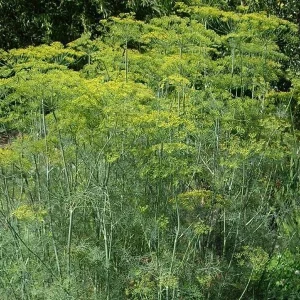
Our Dill Long Island Mammoth seeds offer a flexible approach to growing, with options to suit various garden sizes and needs. Each packet contains a generous quantity of seeds, allowing you to choose between 100, 500, or 2000 seeds to match your planting ambitions, from a small herb patch to a larger culinary garden. The ‘Long Island Mammoth’ variety is known for its vigorous growth, typically reaching heights of 24 to 36 inches (60-90 cm) with a spread of about 12-18 inches (30-45 cm). This makes it a substantial and eye-catching addition to any garden bed or large container. The plants produce abundant, finely dissected, blue-green foliage, which is highly aromatic and perfect for fresh use. Expect dill plants to mature and be ready for their first harvest of leaves in approximately 60-70 days from seeding. If you’re growing for seeds, the plants will produce umbels of yellow flowers, followed by seeds ready for harvest in about 90-100 days. These annual plants complete their life cycle within one growing season, but readily self-seed if left to mature, often providing volunteer plants for the following year.
Frequently Asked Questions
- Q: How big does this dill plant get? A: Dill Long Island Mammoth typically grows to a height of 24 to 36 inches (60-90 cm) with a spread of 12-18 inches (30-45 cm). It’s a robust variety known for its substantial size and abundant foliage.
- Q: Is this an indoor or outdoor plant? A: Dill is primarily an outdoor plant that thrives in full sun. While it can be grown indoors in a very sunny window or under grow lights, it generally performs best and produces more vigorously when grown outdoors.
- Q: How much sunlight does it need? A: Dill requires at least 6 to 8 hours of direct sunlight per day to grow optimally. Full sun exposure is crucial for strong growth and the development of its characteristic strong flavor.
- Q: Is this plant easy to care for? A: Yes, dill is considered an easy-to-care-for herb, making it suitable for beginners. It requires well-draining soil, consistent moisture, and plenty of sunlight. It’s a great choice for those interested in growing dill from seeds.
- Q: What condition will the seeds arrive in? A: Your Dill Long Island Mammoth seeds will arrive carefully packaged in a protective envelope or packet, ensuring their viability and freshness for successful planting.
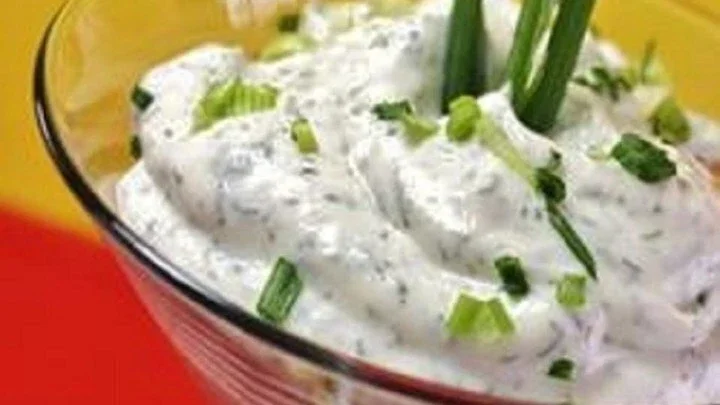
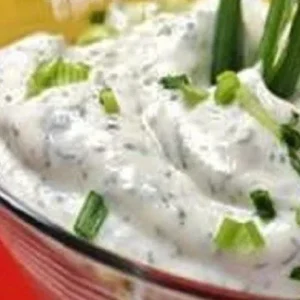
- Q: Can I use dill in cooking? A: Absolutely! Dill is a highly valued culinary herb. Its fresh leaves are excellent in salads, with fish, in yogurt sauces, and for pickling. The seeds can also be used as a spice in various dishes and for making dill pickles.
- Q: When is the best time to plant dill seeds? A: The best time to plant dill seeds directly outdoors is in spring after all danger of frost has passed. For an earlier harvest, you can start seeds indoors 4-6 weeks before the last expected frost date.
- Q: What’s the minimum temperature dill can tolerate? A: Dill is a cool-season annual that can tolerate light frosts but is not frost-hardy. It grows best in temperatures between 60°F and 75°F (15°C to 24°C). It will bolt (go to seed) quickly in very hot weather.
- Q: How long until dill is ready to harvest? A: You can typically start harvesting fresh dill leaves in about 60-70 days after planting the seeds. If you’re waiting for the seeds, they will be ready for harvest around 90-100 days.
- Q: How do I ensure continuous harvest for my outdoor herb gardening? A: To ensure a continuous supply of fresh dill, practice succession planting. Sow a new batch of seeds every 2-3 weeks throughout the growing season until about a month before the first anticipated fall frost.
| Number of seeds | 100 Seeds, 2000 Seeds, 500 Seeds |
|---|
Be the first to review “Dill Long Island Mammoth Seeds – Fragrant Culinary Herb, Outdoor, 100-2000 Seeds”
People Also Viewed

Vegetable Seeds
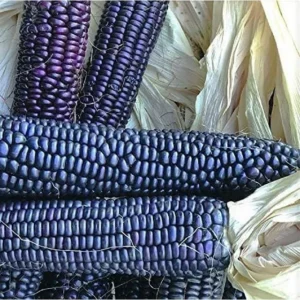
Blue Hopi Sweet Flour Corn Seeds – 1 Lb Organic Heirloom Non-GMO
Sold 59 products
Original price was: $79.00.$39.50Current price is: $39.50.

Trees
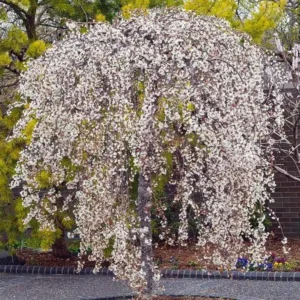
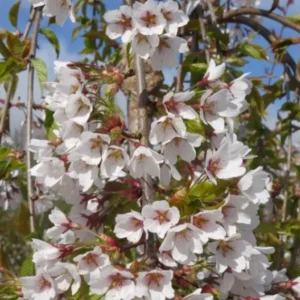
Weeping Yoshino Cherry Tree – Live Plant – 10-12″ Tall Sapling – 2.5″ Pot – Outdoor Ornamental
Sold 59 products
Original price was: $34.10.$15.64Current price is: $15.64.
Sold 79 products
From $99.80
Sold 60 products
From $51.80
Sold 93 products
Original price was: $18.99.$9.99Current price is: $9.99.





Reviews
There are no reviews yet.