
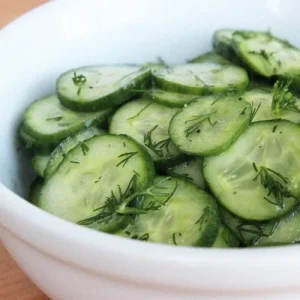
Dill Long Island Mammoth Seeds – Fragrant Culinary Herb, 100-2000 Seeds, Outdoor
From $3.87
Cultivate your own aromatic herb garden with Dill Long Island Mammoth seeds. These high-quality seeds produce robust, fragrant dill plants perfect for culinary use. Enjoy fresh, feathery greens packed with flavor. Ideal for outdoor gardens, balconies, or container planting, these are easy to grow dill seeds for gardeners of all levels.
-
USDA Hardiness Zone
USDA zones 3-9 (as an annual) -
Soil Type
Well-draining, fertile loamy soil -
Sunlight Exposure
Full sun -
Expected Planting Period
Spring to early summer

You can track your order HERE
Oct 24
Oct 29 - Oct 31
Nov 03 - Nov 07
Shipping and return policies: Our Alive & Thrive Guarantee covers issues with your plants within the first 30 days. Reach out to us. Our team will answer your questions and help you find the plants that are truly suitable for your environment, climate, and personal preferences.

Overview
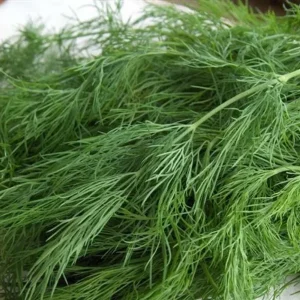
Embark on a rewarding gardening journey with our premium Dill Long Island Mammoth seeds. This classic variety is renowned for its vigorous growth, abundant feathery foliage, and intensely aromatic flavor, making it a favorite among home gardeners and professional chefs alike. Dill, scientifically known as Anethum graveolens, is an annual herb celebrated for its delicate leaves and distinctive flavor that enhances a wide array of dishes. Our Dill Long Island Mammoth seeds are carefully selected to ensure high germination rates and strong, healthy plants that will thrive in your garden. Whether you’re an experienced gardener or just starting out, growing your own dill from seed is a fulfilling experience that provides a continuous supply of fresh herbs. This particular variety, ‘Long Island Mammoth,’ lives up to its name by producing large, robust plants that are perfect for both leaf harvesting and seed production. Discover the joy of cultivating your own fresh, fragrant dill right from your backyard or patio.
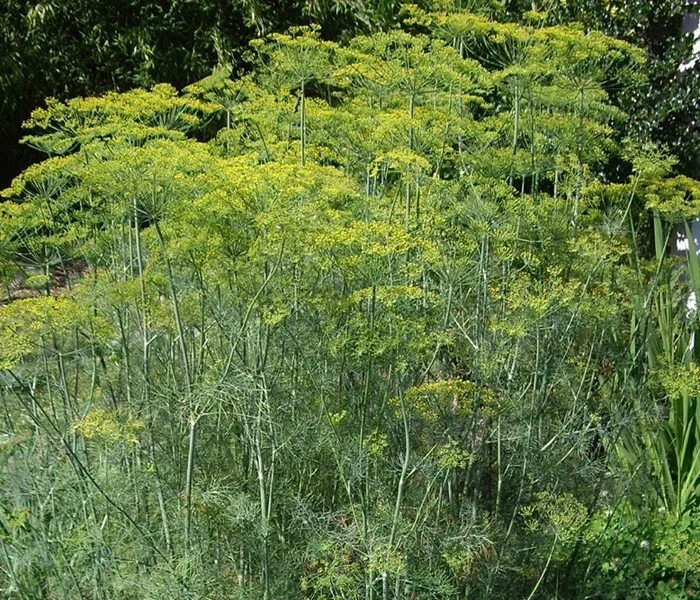
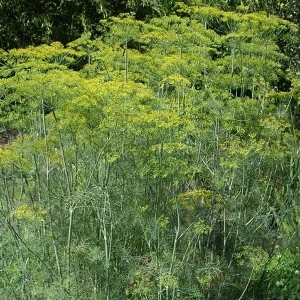
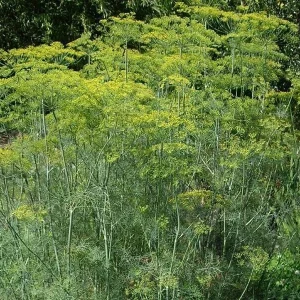
These fragrant dill seeds are an excellent choice for anyone looking to add a versatile and flavorful herb to their garden. Dill is not only a culinary delight but also an attractive plant with its delicate, fern-like leaves and yellow flower umbels. It attracts beneficial insects to your garden, contributing to a healthy ecosystem. With these high-quality seeds, you can easily grow Dill Long Island Mammoth and enjoy its fresh taste in salads, seafood, pickles, and more. Plant these seeds and watch as they transform into beautiful, productive herb plants, ready for your kitchen.
Key Benefits
Growing your own dill from these exceptional seeds offers numerous advantages, from enhancing your culinary creations to enriching your garden’s biodiversity. Our Dill Long Island Mammoth seeds provide a straightforward path to fresh, homegrown flavor and beauty.
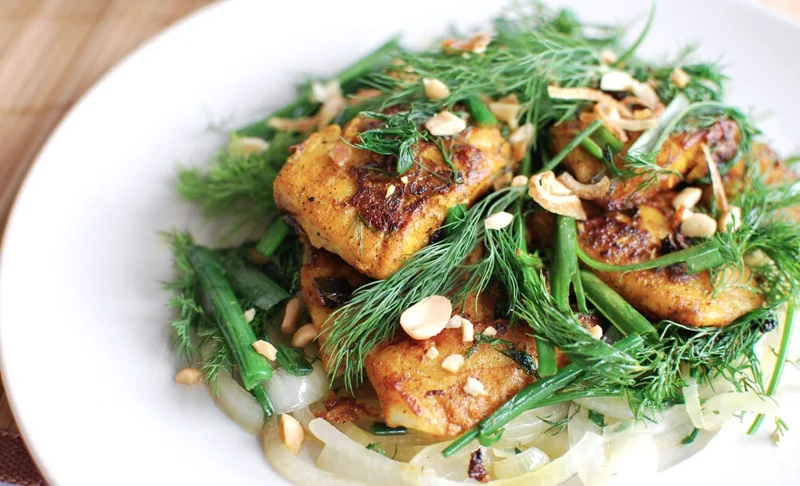
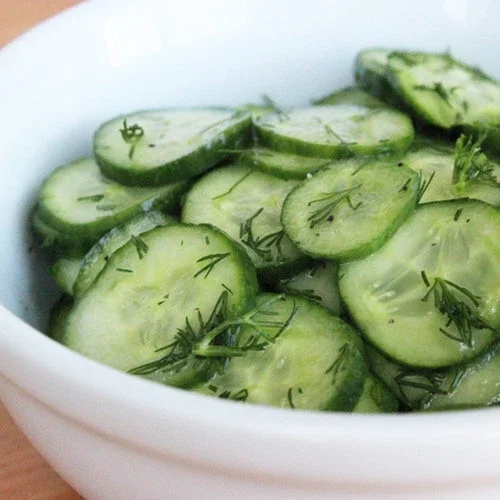
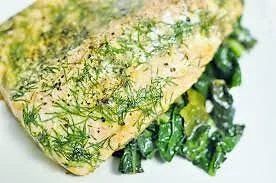
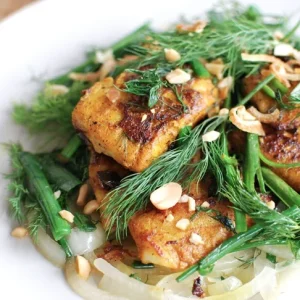
- Superior Culinary Flavor: Enjoy the distinct, fresh, and slightly tangy flavor of homegrown dill. This variety is known for its intense aroma and taste, perfect for seasoning fish, potatoes, salads, soups, and making homemade pickles. Fresh dill far surpasses the flavor of dried store-bought versions.
- Abundant Harvest: The ‘Mammoth’ in its name refers to its vigorous growth, providing a generous yield of feathery green leaves. You’ll have plenty of fresh dill for all your cooking needs throughout the growing season, and even enough to preserve for later.
- Easy to Grow: These easy to grow dill seeds are perfect for gardeners of all skill levels. Dill is a low-maintenance herb that thrives with minimal fuss, making it an ideal choice for beginners. Simply sow, water, and watch it flourish.
- Attracts Pollinators: Dill flowers are a magnet for beneficial insects like bees, butterflies, and predatory wasps, which help pollinate other plants in your garden and control pests naturally. This makes it an excellent companion plant.
- Versatile Use: Beyond its culinary applications, dill can be used in herbal teas for its calming properties or as an attractive addition to floral arrangements. The seeds can also be harvested and used as a spice.
- Freshness Guaranteed: By growing your own culinary herb seeds, you ensure the freshest possible ingredients for your dishes, free from pesticides and chemicals often found in commercially grown herbs.
- Garden Aesthetics: The delicate, feathery foliage and bright yellow flower heads add a beautiful, airy texture to herb gardens, vegetable patches, and even ornamental borders.
Plant Care & Growing Tips
Cultivating a thriving patch of dill from your Dill Long Island Mammoth seeds is a simple and rewarding process. Dill is an annual herb, meaning it completes its life cycle within one growing season. To ensure robust growth and a bountiful harvest, understanding its basic needs is key. Start by selecting a site that receives plenty of sunlight. Dill prefers full sun, meaning at least 6-8 hours of direct sunlight per day. While it can tolerate partial shade, it may become leggy and produce fewer leaves and seeds. Ensure the soil is well-draining; dill does not like to have its roots sitting in water. A slightly acidic to neutral pH (6.0-7.0) is ideal for optimal growth.
When it comes to watering, dill prefers consistently moist soil, especially during dry spells. However, be careful not to overwater, as this can lead to root rot. Water deeply when the top inch of soil feels dry to the touch. For soil, a fertile, loamy soil enriched with organic matter will provide the best results for your fragrant dill seeds. You can improve heavy clay soils by adding compost or other organic amendments to enhance drainage and fertility. Dill is not a heavy feeder, so excessive fertilization is usually not necessary. A balanced, all-purpose fertilizer can be applied once early in the growing season if your soil is poor, but often, rich organic matter is sufficient. You will find that these easy to grow dill plants are quite resilient.
Dill is generally a cool-season crop but can tolerate summer heat if kept well-watered. It’s best planted after the last frost date in spring. For a continuous harvest, practice succession planting by sowing new batches of seeds every 2-3 weeks. Common problems include aphid infestations, which can usually be managed with a strong spray of water or insecticidal soap. Bolting (going to seed prematurely) can occur during hot weather or if the plant experiences stress; regular harvesting of leaves can help delay this. To grow Dill Long Island Mammoth successfully, provide good air circulation to prevent fungal diseases. You’ll soon be enjoying fresh dill from your garden.
Size & Details
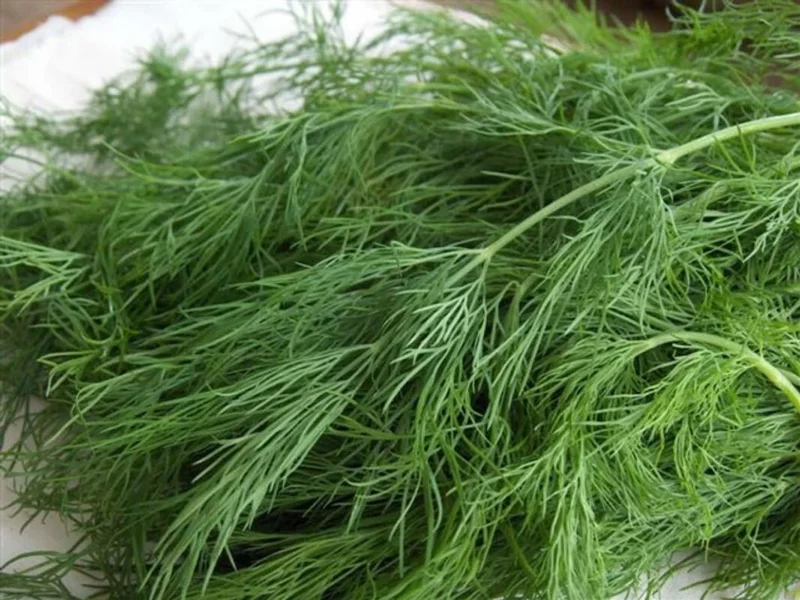
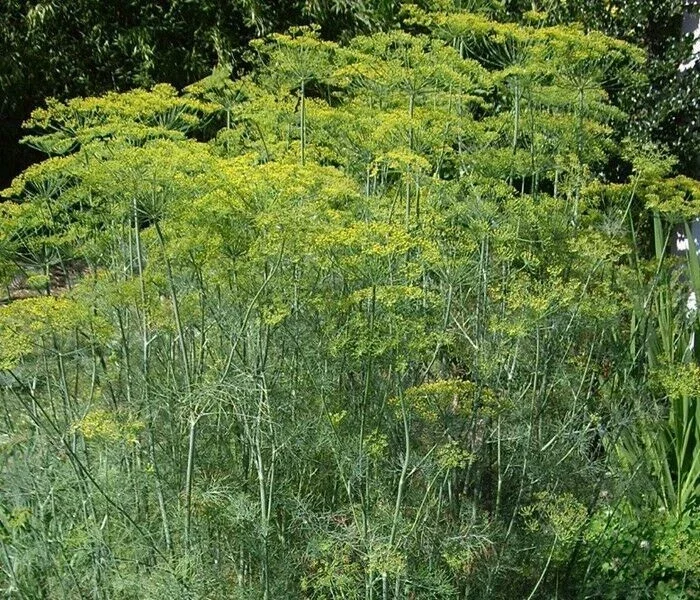
Our Dill Long Island Mammoth seeds are designed to produce a substantial and productive herb plant. This variety typically grows to a height of 2 to 3 feet (60-90 cm) and spreads about 1 to 1.5 feet (30-45 cm) wide, forming an upright, bushy habit. The plants feature delicate, feathery, blue-green foliage that is highly aromatic. Each seed packet contains a generous quantity of high-quality seeds, ensuring you have enough to plant a robust patch or for succession planting throughout the season. These seeds are suitable for direct sowing outdoors once the danger of frost has passed, typically in spring. You can expect germination to occur within 7-14 days under optimal conditions.
The ‘Long Island Mammoth’ dill is an annual herb, completing its life cycle in one season. It will produce both foliage for harvesting and, eventually, flower heads that develop into seeds. The seeds can then be harvested for culinary use or allowed to self-sow for next year’s crop. This makes it an excellent, self-sustaining addition to your garden. Whether you’re planning a large herb garden or simply want a few pots of fresh dill on your patio, these culinary herb seeds offer excellent growth potential and a rewarding harvest.
Frequently Asked Questions
- Q: How big does this dill plant get? A: Dill Long Island Mammoth typically grows to an impressive height of 2 to 3 feet (60-90 cm) and spreads about 1 to 1.5 feet (30-45 cm) wide. Its ‘mammoth’ name signifies its robust and productive growth, yielding plenty of foliage for harvest.
- Q: Is this an indoor or outdoor plant? A: Dill is primarily an outdoor plant that thrives in garden beds or large containers. While it can be grown indoors in a very sunny window or under grow lights, it generally performs best and produces more vigorously when grown outdoors with ample sunlight and space.
- Q: How much sunlight does dill need? A: Dill requires full sun to thrive, meaning at least 6 to 8 hours of direct sunlight per day. Adequate sunlight is crucial for strong growth, good flavor development, and preventing leggy plants.
- Q: Is this plant easy to care for? A: Yes, dill is considered an easy to grow dill plant and is suitable for beginners. It requires well-draining soil, consistent moisture, and plenty of sunlight. It’s relatively low-maintenance once established, making it a great choice for any gardener.
- Q: What condition will the seeds arrive in? A: Your Dill Long Island Mammoth seeds will arrive carefully packaged in a secure seed packet, ensuring they are protected during transit. The seeds are fresh, viable, and ready for planting upon arrival, promising high germination rates for your garden.
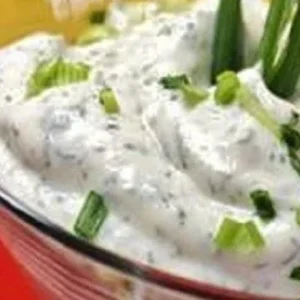
- Q: Can I use dill in cooking? A: Absolutely! Dill is a highly versatile culinary herb. Its fresh, feathery leaves are perfect for flavoring fish, potatoes, salads, yogurt sauces, and soups. The seeds are also used as a spice, especially in pickling. These fragrant dill seeds provide the basis for delicious, homegrown flavor.
- Q: When is the best time to plant dill? A: The best time to plant dill seeds is in the spring, after all danger of frost has passed and the soil has warmed up. For a continuous supply of fresh dill, you can succession plant every 2-3 weeks throughout the growing season until mid-summer.
- Q: What type of soil does dill prefer? A: Dill prefers well-draining, fertile soil that is rich in organic matter. A loamy soil with a pH between 6.0 and 7.0 is ideal. Ensure the soil doesn’t become waterlogged, as this can harm the roots.
- Q: Will dill attract beneficial insects? A: Yes, dill flowers are known to attract a variety of beneficial insects, including bees, butterflies, and predatory wasps. This makes it an excellent companion plant for your vegetable garden, helping with pollination and natural pest control.
- Q: How long does it take for dill to grow from seed? A: Dill seeds typically germinate within 7-14 days. You can usually start harvesting the leaves about 40-50 days after planting. The plant will continue to produce foliage until it eventually flowers and goes to seed.
| Number of seeds | 100 Seeds, 2000 Seeds, 500 Seeds |
|---|
Be the first to review “Dill Long Island Mammoth Seeds – Fragrant Culinary Herb, 100-2000 Seeds, Outdoor”
People Also Viewed

Trees
Sold 55 products
Original price was: $21.98.$10.99Current price is: $10.99.


Sold 65 products
Original price was: $159.96.$79.98Current price is: $79.98.







Reviews
There are no reviews yet.