
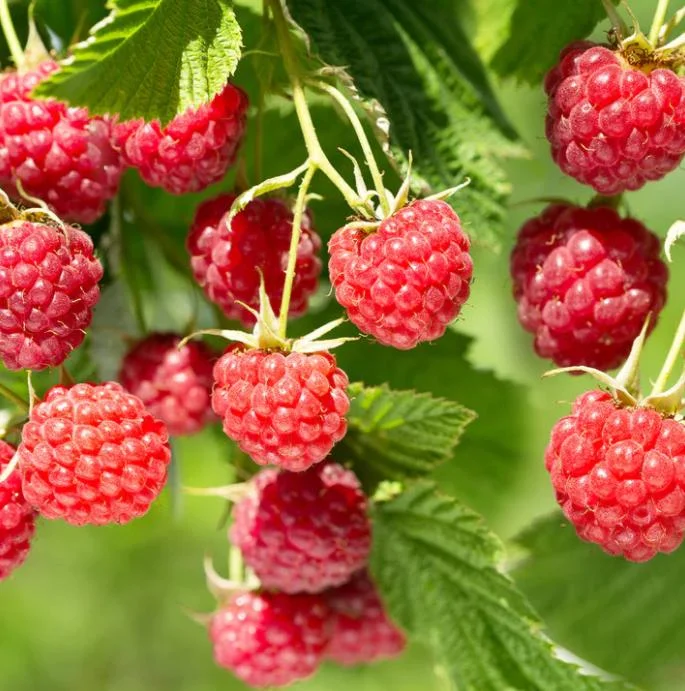
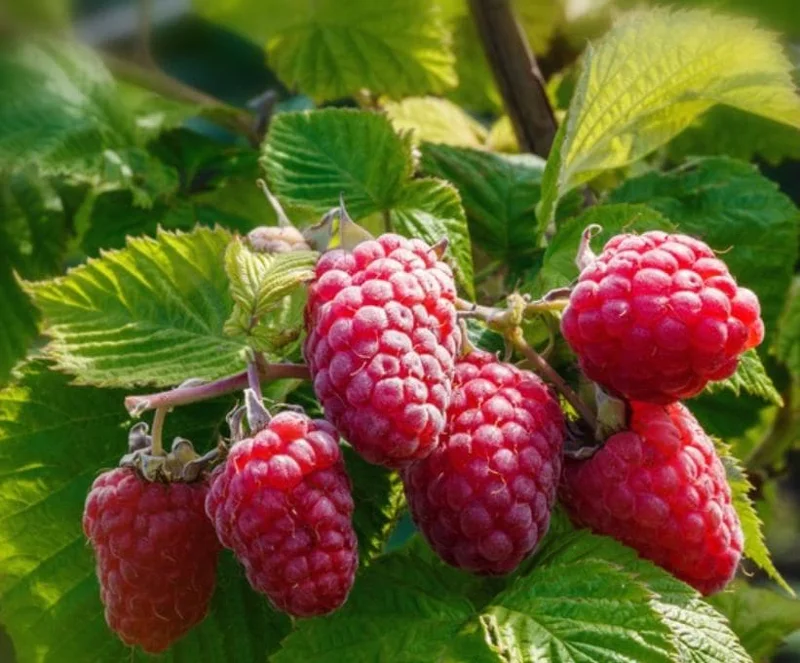
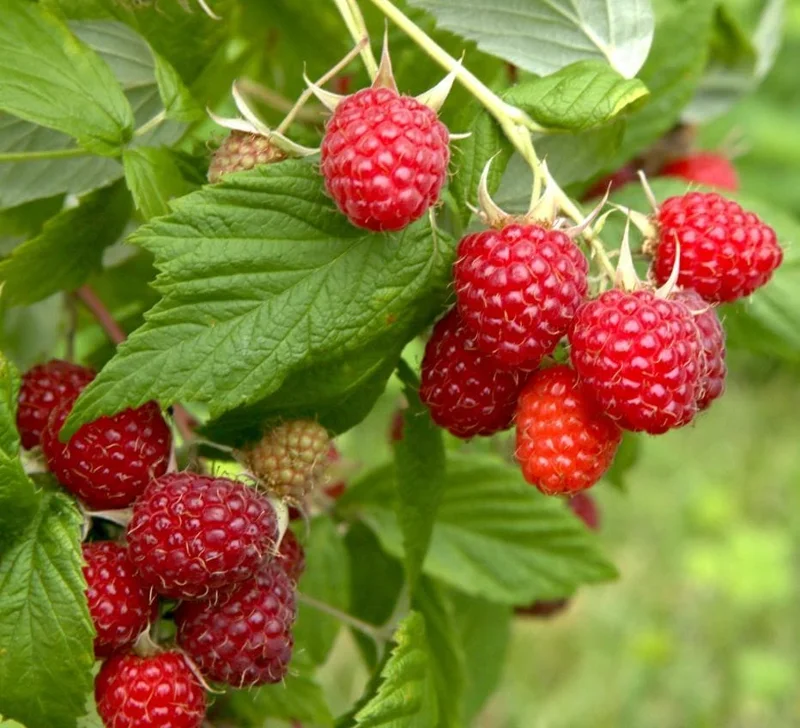
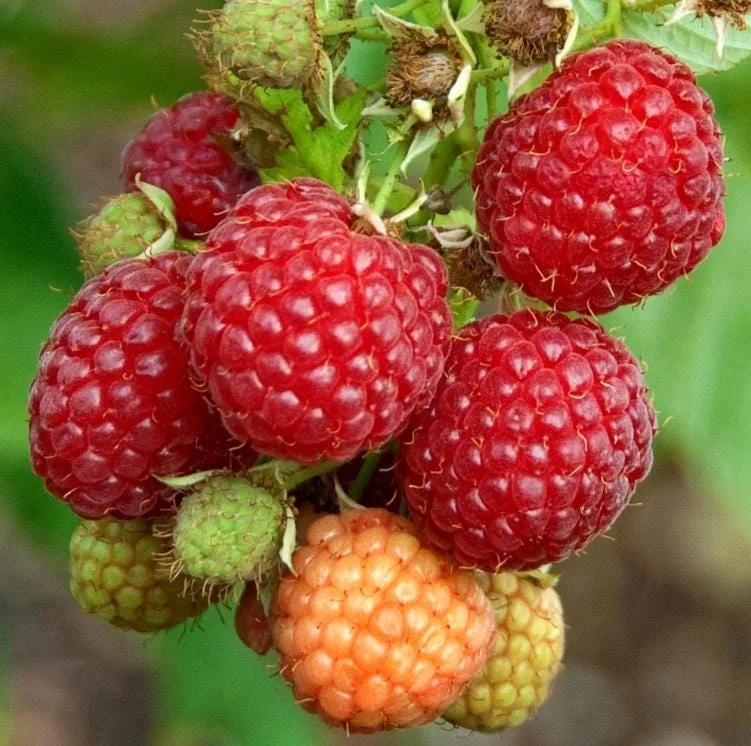
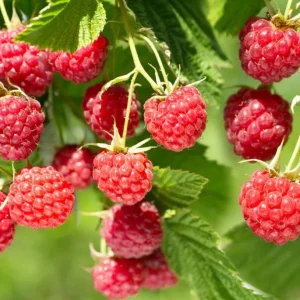
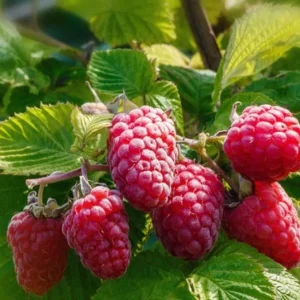
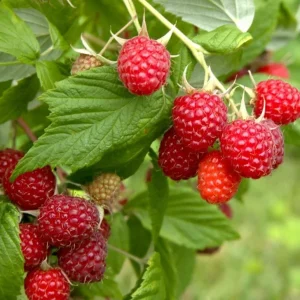
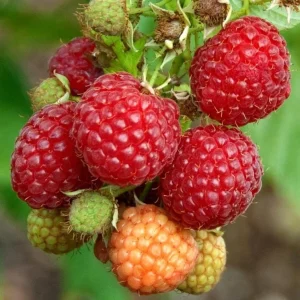
Caroline Raspberry Live Plant – Everbearing Red Raspberry for Garden – 3-6″ Tall
Original price was: $26.39.$18.47Current price is: $18.47.
Cultivate your own sweet and juicy berries with the Caroline Raspberry live plant. This everbearing raspberry plant produces delicious red fruit from summer until the first frost, perfect for fresh eating or preserves. Ideal for home gardens and orchards, it’s a rewarding addition for any gardener.
-
USDA Hardiness Zone
USDA zones 4-8 -
Soil Type
Well-draining, rich in organic matter, slightly acidic (pH 6.0-6.8) -
Sunlight Exposure
Full sun (6-8+ hours daily) -
Expected Planting Period
Early spring or fall

You can track your order HERE
Oct 21
Oct 26 - Oct 28
Oct 31 - Nov 04
Shipping and return policies: Our Alive & Thrive Guarantee covers issues with your plants within the first 30 days. Reach out to us. Our team will answer your questions and help you find the plants that are truly suitable for your environment, climate, and personal preferences.

Overview
Bring the joy of fresh, homegrown berries to your garden with the Caroline Raspberry live plant. Renowned for its exceptional flavor and productivity, the Caroline Raspberry (Rubus idaeus ‘Caroline’) is a popular choice among home gardeners. This everbearing variety provides a continuous harvest of large, firm, and incredibly sweet red raspberries, typically yielding fruit from mid-summer until the first hard frost. Unlike traditional summer-bearing varieties, which produce one large crop, the everbearing raspberry plant offers the unique advantage of two potential harvests: a smaller crop in late spring/early summer and a more substantial crop in the fall. This ensures a prolonged period of fresh fruit, making it a highly desirable addition to any home orchard or edible landscape. Its robust nature and delicious fruit make it a favorite for both novice and experienced growers seeking a reliable and rewarding berry plant.
The Caroline Raspberry live plant is shipped as a young, healthy specimen, ready to establish itself in your garden. With proper care, these plants will quickly grow into productive canes, offering a bountiful supply of berries for years to come. Whether you’re planning to enjoy them fresh, make jams and jellies, or freeze them for later, the ‘Caroline’ raspberry is an outstanding choice that combines ease of growth with superior fruit quality. Its vigorous growth habit and disease resistance further enhance its appeal, promising a successful and fruitful growing experience.
Key Benefits
The Caroline Raspberry live plant offers numerous advantages for the home gardener, providing both aesthetic appeal and a delicious harvest. Its robust growth and prolific fruiting make it a standout choice for anyone looking to cultivate their own berries.
- Extended Harvest Season: As an everbearing raspberry plant, it provides two distinct fruiting periods. You can enjoy a smaller harvest in early summer and a more substantial, delicious crop from late summer through fall, ensuring fresh berries for an extended period.
- Superior Flavor and Quality: ‘Caroline’ raspberries are celebrated for their large size, firm texture, and intensely sweet flavor, making them ideal for fresh eating, baking, canning, or freezing.
- Vigorous Growth: This variety is known for its strong, upright canes, which are relatively easy to manage and support, leading to a more productive and organized patch.
- Disease Resistance: The ‘Caroline’ raspberry exhibits good resistance to several common raspberry diseases, reducing the need for extensive chemical treatments and promoting healthier plants.
- Versatile Use: Perfect for home orchards, garden beds, or even large containers, this red raspberry plant adapts well to various growing environments, provided its basic needs are met.
- Attracts Pollinators: The flowers of the Caroline Raspberry live plant attract beneficial pollinators like bees, contributing to a healthier garden ecosystem.
- Rewarding Home Growing: Experience the satisfaction of harvesting your own organic, fresh raspberries, free from store-bought pesticides and full of natural goodness.
Plant Care & Growing Tips
Proper care ensures a healthy and productive Caroline Raspberry live plant. These plants thrive with consistent attention to their environmental needs, leading to abundant harvests of delicious fruit. Understanding the specific requirements for this red raspberry plant is crucial for maximizing its potential.
For optimal growth, plant your Caroline Raspberry live plant in a location that receives at least 6-8 hours of full sun daily. While raspberries can tolerate some partial shade, full sun promotes the best fruit production and flavor. The soil should be well-draining, rich in organic matter, and have a slightly acidic pH between 6.0 and 6.8. Before planting, amend heavy clay soils with compost or peat moss to improve drainage and aeration. Dig a hole wide enough to accommodate the roots comfortably, and plant the cane at the same depth it was in its nursery pot. Space individual plants about 2-3 feet apart in rows that are 6-8 feet apart to allow for good air circulation and ease of harvesting. Providing a trellis or support system is highly recommended to keep the canes upright and prevent them from sprawling, which can improve fruit quality and ease of picking.
Watering is critical, especially during establishment and fruiting periods. Keep the soil consistently moist but not waterlogged. Deep watering once or twice a week, depending on rainfall and temperature, is generally more effective than frequent shallow watering. Mulch around the base of the plants with 2-4 inches of organic material like wood chips or straw to conserve moisture, suppress weeds, and regulate soil temperature. Fertilize in early spring with a balanced granular fertilizer or a fertilizer specifically formulated for berries. Pruning is essential for ‘Caroline’ raspberries to ensure continuous production. As an everbearing variety, you have two primary pruning options: either prune all canes to the ground in late winter for a single, large fall crop, or prune only the spent fruiting tips after the fall harvest to encourage an early summer crop on the lower parts of the canes and a fall crop on new growth. Proper pruning helps maintain plant vigor and prevents overcrowding. Watch for common pests and diseases, and address them promptly with organic or chemical controls as needed.
Size & Details
Each Caroline Raspberry live plant is shipped as a young, healthy cane, typically measuring 3-6 inches tall upon arrival. These bare-root or minimal soil plants are carefully packaged to ensure they reach your garden in excellent condition, ready for planting. As an everbearing variety, ‘Caroline’ raspberries are known for their vigorous growth, quickly establishing a strong root system and producing new canes.
Once established, mature ‘Caroline’ raspberry canes can reach heights of 4-6 feet and spread to create a dense patch if not managed. The plants are typically perennial, with individual canes (floricanes) being biennial, meaning they produce fruit in their second year before dying back. However, with the everbearing nature of ‘Caroline’, primocanes (first-year canes) will produce a fall crop. Expect fruit production to begin in the first or second year after planting, with significant harvests occurring from late summer through fall. The plants are adaptable and can be grown in USDA hardiness zones 4-8. They are best planted in spring or fall, allowing time for root establishment before extreme temperatures.
Frequently Asked Questions
- Q: How big does this plant get? A: The Caroline Raspberry live plant typically grows 4-6 feet tall with proper support. Its spread can be managed by pruning and containing suckers, creating a productive patch.
- Q: Is this an indoor or outdoor plant? A: The Caroline Raspberry live plant is an outdoor plant, best suited for gardens and home orchards where it can receive full sun and natural elements. It is not suitable for long-term indoor cultivation.
- Q: How much sunlight does it need? A: For optimal fruit production and plant health, the everbearing raspberry plant requires at least 6-8 hours of direct sunlight per day.
- Q: What condition will it arrive in? A: Your Caroline Raspberry live plant will arrive as a healthy young cane, typically 3-6 inches tall, without a pot, carefully packaged to protect its roots during transit.
- Q: Is this plant easy to care for? A: Yes, the Caroline Raspberry live plant is considered relatively easy to care for, especially for an everbearing variety. Consistent watering, good soil, and proper pruning are key for success.
- Q: When is the best time to plant this raspberry? A: The best time to plant the Caroline Raspberry live plant is in early spring after the last frost, or in the fall before the ground freezes, allowing roots to establish.
- Q: What’s the minimum temperature it can tolerate? A: The ‘Caroline’ raspberry is hardy in USDA zones 4-8, meaning it can tolerate winter temperatures down to around -30°F (-34°C) when dormant.
- Q: Can I grow this red raspberry plant in a container? A: While possible, growing in containers requires a very large pot (at least 15-20 gallons) and diligent watering and feeding to accommodate its vigorous growth and fruit production.
- Q: How long until I get fruit from my Caroline Raspberry live plant? A: You may get a small fall crop in the first year, but a more substantial harvest typically begins in the second year after planting.
- Q: Does it need a pollinator? A: ‘Caroline’ raspberries are self-fertile, meaning a single plant can produce fruit. However, having more plants or other pollinators nearby can sometimes increase yields.
Be the first to review “Caroline Raspberry Live Plant – Everbearing Red Raspberry for Garden – 3-6″ Tall”
People Also Viewed

Sold 90 products
Original price was: $38.98.$22.98Current price is: $22.98.

Sold 94 products
From $127.80

Sold 85 products
Original price was: $119.60.$59.80Current price is: $59.80.

Sold 95 products
From $63.80






Reviews
There are no reviews yet.