
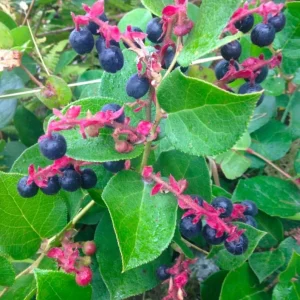
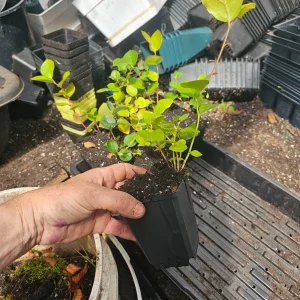
Black Salal Berry Bush Live Plant – 4 inch Pot – Outdoor Edible Berries
Original price was: $34.10.$24.99Current price is: $24.99.
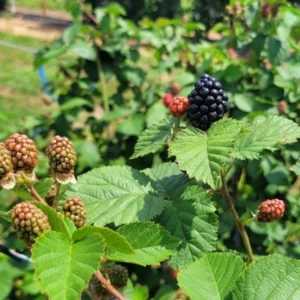
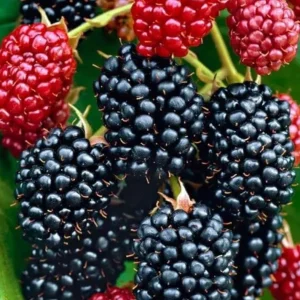
Bring the beauty and bounty of nature to your garden with a black salal berry bush. This salal plant care is easy, offering attractive foliage and delicious, edible berries. Perfect for groundcover or woodland gardens, this 4-inch potted plant is ready to thrive outdoors.
-
USDA Hardiness Zone
USDA zones 6–9 -
Soil Type
Well-draining, acidic soil rich in organic matter -
Sunlight Exposure
Partial to full shade -
Expected Planting Period
Spring or Fall

You can track your order HERE
Sep 28
Oct 03 - Oct 05
Oct 08 - Oct 12
Shipping and return policies: Our Alive & Thrive Guarantee covers issues with your plants within the first 30 days. Reach out to us. Our team will answer your questions and help you find the plants that are truly suitable for your environment, climate, and personal preferences.

Overview
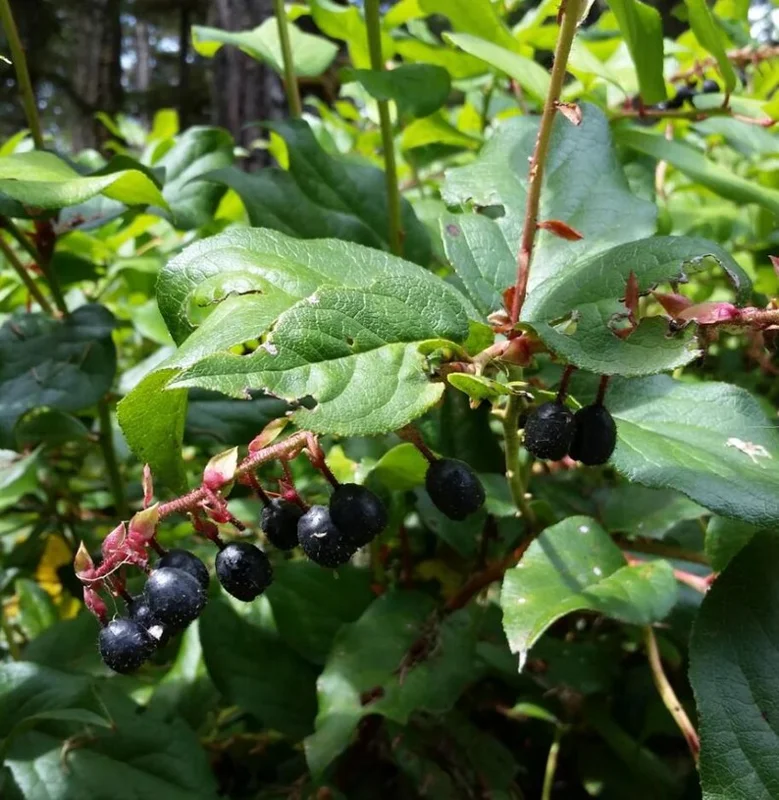
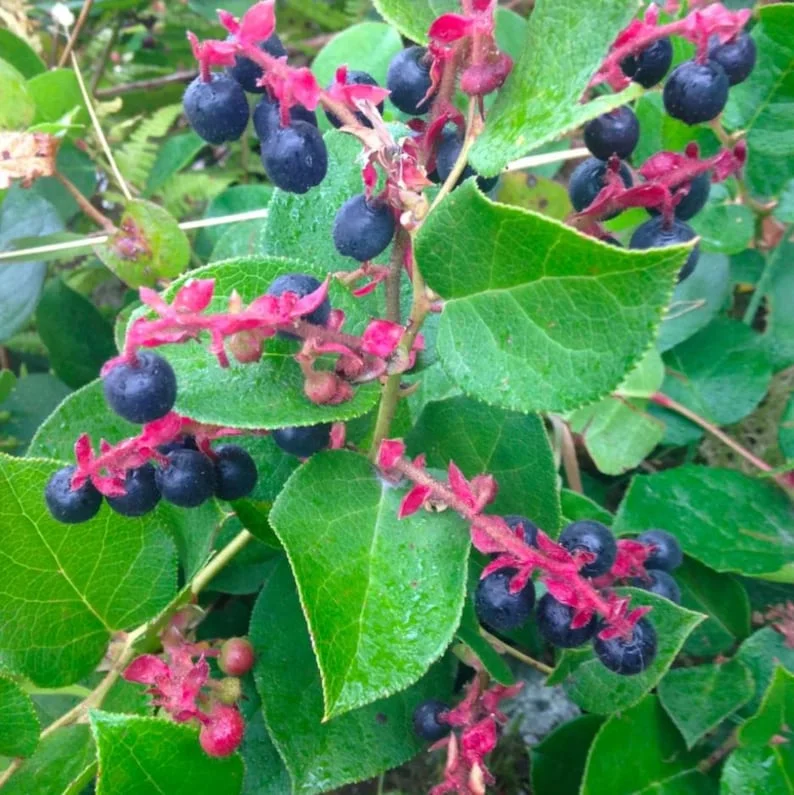
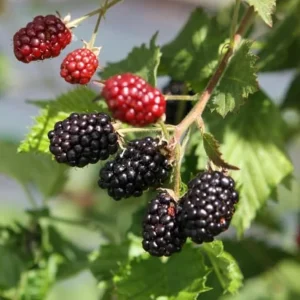
Discover the charm and utility of the black salal berry bush, a robust and versatile native plant perfect for your outdoor landscape. This black salal berry bush, also known by its botanical name Gaultheria shallon, is provided as a healthy live plant in a convenient 4-inch nursery pot, ready for transplanting. Revered for its glossy, evergreen leaves and clusters of dark, edible berries, Salal is an excellent choice for gardeners seeking both ornamental value and a source of delicious fruit. Thriving in a variety of conditions, it’s particularly well-suited for woodland gardens, naturalized areas, or as an attractive groundcover. Its resilient nature makes it a fantastic addition for both experienced gardeners and those new to cultivating native plants.
The gaultheria shallon is a significant plant in many ecosystems, providing food and shelter for wildlife while also offering beautiful foliage for floral arrangements. Its adaptability allows it to flourish in diverse settings, from shady forest floors to more open, partly sunny locations. With its dense growth habit, it can help suppress weeds and prevent soil erosion, making it a functional and aesthetically pleasing choice for various landscape designs. Whether you’re aiming to create a native plant haven or simply add a low-maintenance, berry-producing shrub to your yard, this black salal berry bush is an outstanding option.
Key Benefits
The black salal berry bush offers a multitude of benefits for both your garden and your palate, making it a highly rewarding plant to cultivate. Its robust nature ensures long-lasting beauty and productivity.
- Edible Berries: The plant produces abundant dark berries that are sweet and delicious, perfect for fresh eating, jams, jellies, pies, or sauces. Enjoy the unique flavor of these native fruits directly from your garden.
- Evergreen Foliage: Maintain year-round interest with its attractive, leathery, dark green leaves. The evergreen nature of this black salal berry bush ensures your garden retains color and structure even in winter months.
- Low Maintenance: This hardy shrub requires minimal care once established, making it an ideal choice for busy gardeners or those looking for a fuss-free landscape solution. Its resilience means less time spent on intensive salal plant care.
- Wildlife Attractor: Salal berries are a favorite food source for birds and other small wildlife, enhancing biodiversity in your garden. The dense foliage also provides shelter for various creatures.
- Erosion Control: With its spreading root system and dense growth, Salal is excellent for stabilizing slopes and preventing soil erosion, especially in naturalized or sloped areas.
- Shade Tolerant: Unlike many berry-producing plants, Salal thrives in partial to full shade, making it a perfect understory plant for woodland gardens or areas with limited direct sunlight.
- Native Plant Benefits: As a native species, it’s well-adapted to local conditions, requires less water once established, and supports local ecosystems, contributing to a healthier environment.
Plant Care & Growing Tips
Caring for your black salal berry bush is generally straightforward, making it a rewarding addition to many gardens. To ensure your gaultheria shallon thrives and produces abundant berries, understanding its specific needs is key. These plants are quite resilient but will perform best when their environmental preferences are met.
For sunlight, salal growing conditions are quite adaptable. While it can tolerate full sun in coastal or cooler climates, it generally prefers partial to full shade, especially in hotter inland areas. Aim for a spot that receives morning sun and afternoon shade, or dappled light throughout the day. Well-draining, acidic soil is crucial for Salal. It thrives in soils rich in organic matter, such as loamy or sandy soils, with a pH between 4.5 and 6.0. If your soil is heavy clay, amend it with compost, peat moss, or sand to improve drainage and acidity. Regular watering is important during the first year after planting to help establish a strong root system. Once established, Salal becomes quite drought-tolerant, but will benefit from occasional deep watering during prolonged dry spells, especially when berries are developing. Avoid overwatering, as this can lead to root rot.
The edible berry shrub is hardy in USDA Zones 6-9, tolerating a range of temperatures. It can withstand moderate frosts but may experience some leaf damage in extreme cold. Fertilization is typically not necessary if planted in rich, organic soil. If growth appears sluggish, a light application of an acid-loving plant fertilizer in spring can be beneficial. Pruning is generally minimal; remove any dead, damaged, or unruly branches to maintain shape and promote air circulation. You can also prune for size control or to encourage denser growth. Pests and diseases are rarely a significant problem for Salal, thanks to its robust nature. Ensure good air circulation and proper watering to prevent common fungal issues. With these simple care tips, your salal plant care will be minimal, and you’ll enjoy a healthy, productive shrub for years.
Size & Details
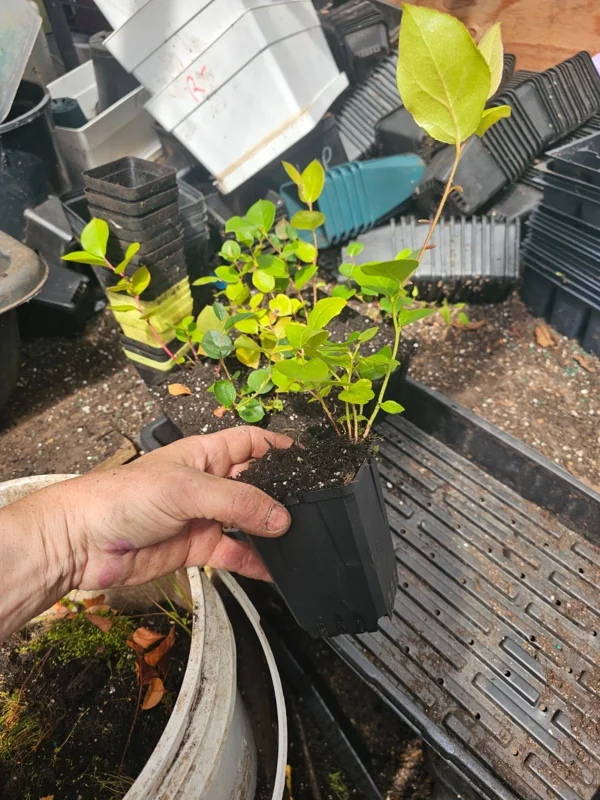
This black salal berry bush is shipped as a healthy, live plant in a 4-inch nursery pot, providing a robust start for your garden. At the time of shipping, plants typically stand between 6 to 12 inches tall, depending on seasonal growth and maturity. Salal is a moderately fast-growing shrub that, left unpruned, can reach mature heights of 3 to 6 feet tall and spread equally wide, often forming dense thickets. Its growth habit can be upright or more sprawling, making it versatile for various landscape uses. The plant is expected to begin producing berries within 1-2 years of planting, with fruit ripening in late summer to early fall. Each pot contains one well-rooted plant, ensuring a strong foundation for future growth. The evergreen foliage provides year-round visual interest.
When you receive your black salal berry bush, it will be carefully packaged to ensure its safe arrival. The 4-inch pot size makes it easy to transplant into your desired garden location or a larger container if preferred. This size is ideal for establishing the plant quickly, allowing it to adapt to its new environment with minimal stress. With proper care, your gaultheria shallon will develop into a beautiful and productive shrub, enhancing your garden with its distinctive foliage and delicious, homegrown berries.
Frequently Asked Questions
- Q: How big does this black salal berry bush get? A: This black salal berry bush typically grows to a height of 3 to 6 feet and can spread equally wide, forming dense thickets. Its ultimate size can vary based on growing conditions and whether it is pruned.
- Q: What size pot does it come in? A: The black salal berry bush is shipped as a live plant in a 4-inch nursery pot, ready for transplanting into your garden or a larger container.
- Q: Is this an indoor or outdoor plant? A: This is primarily an outdoor plant, best suited for garden beds, woodland areas, or as a naturalized shrub. While it can be grown in containers, it thrives in outdoor environments.
- Q: How much sunlight does it need? A: Salal prefers partial to full shade, especially in hotter climates. In cooler, coastal regions, it can tolerate more sun. Aim for a location with dappled light or morning sun and afternoon shade for optimal salal growing conditions.
- Q: Is this plant easy to care for? A: Yes, the black salal berry bush is considered a low-maintenance plant. Once established, it is quite hardy and drought-tolerant, requiring minimal salal plant care.
- Q: What condition will it arrive in? A: Your plant will arrive healthy and carefully packaged in its 4-inch nursery pot, ensuring the soil is intact and the plant is protected during transit.
- Q: Can I eat the berries from this plant? A: Absolutely! The berries from the gaultheria shallon are edible and have a sweet flavor. They can be enjoyed fresh or used in various culinary applications like jams, jellies, and pies.
- Q: How long until it produces berries? A: Typically, the edible berry shrub will start producing berries within 1 to 2 years after planting, with fruit ripening in late summer to early fall.
- Q: When is the best time to plant a black salal berry bush? A: The best time to plant is in spring or fall, allowing the plant to establish its root system before extreme summer heat or winter cold.
- Q: Will it survive winter in my zone? A: The black salal berry bush is hardy in USDA Zones 6-9. It can tolerate moderate frosts, but protection may be beneficial in the colder parts of its range during harsh winters.
Be the first to review “Black Salal Berry Bush Live Plant – 4 inch Pot – Outdoor Edible Berries”
People Also Viewed

Sold 100 products
Original price was: $159.96.$79.98Current price is: $79.98.
Sold 74 products
Original price was: $38.98.$22.98Current price is: $22.98.
Sold 91 products
Original price was: $39.98.$19.99Current price is: $19.99.

Sold 64 products
Original price was: $75.80.$37.90Current price is: $37.90.
Flower Plants
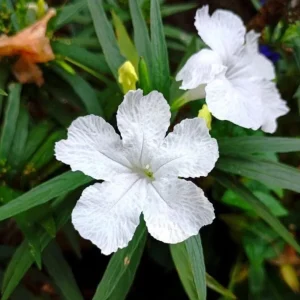
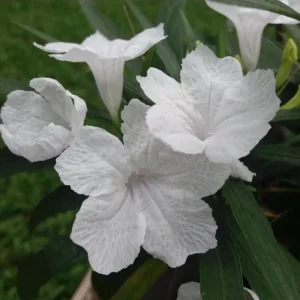
White Ruellia Live Plant Set – 3-6″ Tall Starter Plants (Set of 3) – Outdoor Flowering Perennial
Sold 57 products
Original price was: $41.58.$20.79Current price is: $20.79.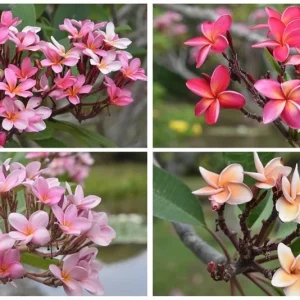
Flower Plants
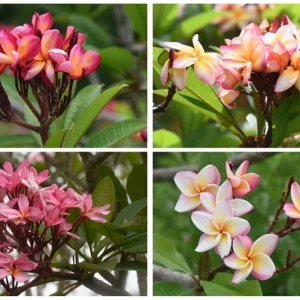
Plumeria Cuttings Variety Pack – 2 Unrooted Cuttings 12-16″ – Fragrant Tropical Flowers
Sold 90 products
Original price was: $49.97.$25.98Current price is: $25.98.





%20–%20Outdoor%20Flowering%20Perennial&url=https://gardennursery.net/product/white-ruellia-live-plant-set-3-6-tall-starter-plants-set-of-3-outdoor-flowering-perennial/&media=https://img.gardennursery.net/2026/03/white-ruellia-live-plant-set-3-6-tall-starter-plan-e1ec264b.webp)


Reviews
There are no reviews yet.