


Belle of India Jasmine Live Plant – Fragrant Shrub 4-7 inch
Original price was: $59.60.$29.80Current price is: $29.80.
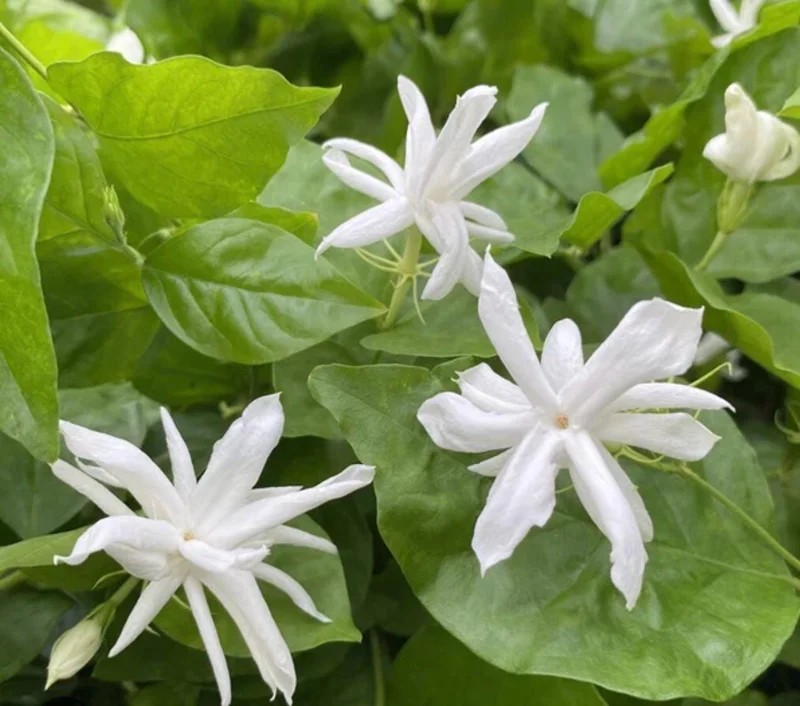
Bring exotic fragrance to your home or garden with the beautiful Belle of India Jasmine live plant. This exquisite shrub produces highly scented white flowers, perfect for adding a touch of elegance and a delightful aroma to any space. Standing 4-7 inches tall, it’s ready to thrive in your care.
-
USDA Hardiness Zone
USDA Zones 9-11 (outdoors), suitable for indoor cultivation elsewhere -
Soil Type
Rich, well-draining soil -
Sunlight Exposure
Full sun (at least 6 hours direct sunlight) -
Expected Planting Period
Year-round indoors; Spring to early summer outdoors in suitable zones

You can track your order HERE
Sep 15
Sep 20 - Sep 22
Sep 25 - Sep 29
Shipping and return policies: Our Alive & Thrive Guarantee covers issues with your plants within the first 30 days. Reach out to us. Our team will answer your questions and help you find the plants that are truly suitable for your environment, climate, and personal preferences.

Overview
Introduce an intoxicating aroma and elegant beauty to your plant collection with the Belle of India Jasmine live plant. This exquisite variety of Jasminum sambac is highly prized for its prolific, multi-petaled white flowers that release a sweet, rich fragrance, especially in the evening. Often referred to as the ‘Grand Duke of Tuscany’ or ‘Mogra’ in some regions, the Belle of India Jasmine live plant is a vigorous grower that can be cultivated as a shrub, a small vine, or even trained as a superb container plant. Its glossy green foliage provides a beautiful backdrop to the pristine white blooms, making it a stunning addition to patios, balconies, or sunny garden spots. This plant is a true sensory delight, inviting relaxation and a touch of the exotic into your environment and is a wonderful choice for anyone looking for a truly fragrant jasmine plant.
Key Benefits
The Belle of India Jasmine live plant offers numerous benefits, making it a cherished choice for plant enthusiasts seeking both beauty and sensory pleasure. Its remarkable attributes contribute to a more vibrant and enjoyable living space.
- Intense Fragrance: The most notable benefit is its exceptionally strong and pleasant fragrance. The blooms release a captivating sweet scent that can perfume an entire room or garden area, especially during warmer evenings, offering a truly immersive aromatic experience. This makes it a prime choice among fragrant jasmine plant varieties.
- Beautiful Blooms: Its double, pure white flowers are not only fragrant but also visually stunning. They add a touch of classic elegance and purity to any setting, contrasting beautifully with the deep green leaves.
- Versatile Growth Habit: This jasmine can be grown as a compact shrub, trained as a small climbing vine, or kept in a pot. This versatility allows it to fit into various garden designs and indoor spaces, making it a flexible option for many gardeners.
- Attracts Pollinators: The fragrant flowers are a magnet for beneficial pollinators such such as bees and butterflies, contributing to the biodiversity of your garden and supporting local ecosystems.
- Relatively Easy Care: With proper light and watering, this flowering jasmine shrub is quite resilient and rewarding to grow. It doesn’t demand overly complex care, making it suitable for both experienced gardeners and those new to fragrant plants.
- Cultural Significance: In many cultures, Jasminum sambac, including the Belle of India, holds significant cultural importance, used in ceremonies, perfumes, and teas, adding an extra layer of appreciation to its presence.
Plant Care & Growing Tips
Caring for your Belle of India Jasmine live plant is a rewarding experience, as its vibrant blooms and enchanting fragrance will flourish with proper attention. To ensure your fragrant jasmine plant thrives, understanding its specific needs for light, water, soil, and temperature is crucial. This variety, a form of Jasminum sambac, prefers conditions that mimic its tropical origins.
Sunlight: The Belle of India Jasmine requires abundant sunlight to produce its best blooms. Aim for at least 6 hours of direct sunlight per day. In very hot climates, some afternoon shade can prevent leaf scorch, but generally, the more sun, the more flowers. When grown indoors, place it in the brightest south-facing window possible, or supplement with a grow light to ensure adequate light exposure for this flowering jasmine shrub.
Watering: Consistent moisture is key for this jasmine. Water thoroughly when the top inch of soil feels dry to the touch. Allow excess water to drain completely from the pot. Avoid letting the plant sit in standing water, as this can lead to root rot. During active growth and flowering, it will require more frequent watering. Reduce watering somewhat during cooler, dormant periods. Maintaining good drainage is vital for a healthy jasmine plant care routine.
Soil: Plant your Belle of India Jasmine in rich, well-draining soil. A good quality potting mix amended with compost or organic matter works well for container plants. For garden planting, ensure the soil is fertile and drains freely. A slightly acidic to neutral pH (6.0-7.0) is ideal. Good aeration of the soil promotes strong root development.
Temperature & Humidity: This tropical plant thrives in warm temperatures, ideally between 65-85°F (18-29°C). It is not frost-tolerant and should be protected from temperatures below 45°F (7°C). If you live in a colder climate, it’s best grown in a container that can be brought indoors during winter. High humidity is appreciated, especially indoors. You can increase humidity by misting, using a pebble tray, or placing it near a humidifier.
Fertilization: During the growing season (spring through summer), feed your jasmine every 2-4 weeks with a balanced liquid fertilizer, or one slightly higher in phosphorus to encourage blooming. Reduce feeding in fall and winter. Always follow the fertilizer package instructions for dilution rates.
Pruning: Prune after a flush of blooms to encourage bushier growth and more flowers. Remove any dead, damaged, or leggy stems. Regular pruning helps maintain a desirable shape and size for your Belle of India Jasmine live plant.
Size & Details
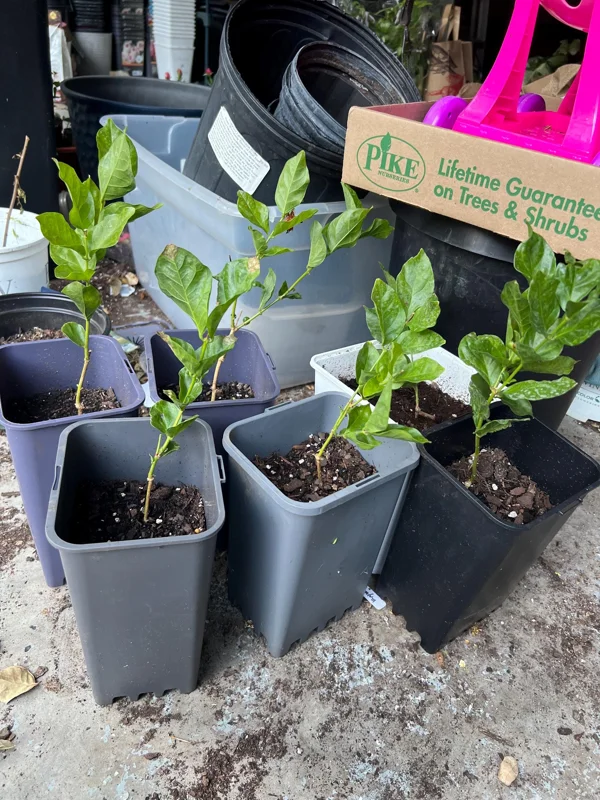
This offering is for one Belle of India Jasmine live plant, which arrives healthy and ready to grow. Each plant measures between 4 to 7 inches in height, measured from the soil line to the top of the foliage. It is typically shipped in a small nursery pot, allowing for a smooth transition to your chosen planter or garden spot. This flowering jasmine shrub is a moderate to fast grower under optimal conditions, quickly establishing itself and producing its beloved fragrant blooms. Expect the plant to mature into a compact shrub or a manageable vine depending on pruning and support. With proper jasmine plant care, you can anticipate consistent flowering throughout the warmer months, especially in subtropical and tropical climates.
Frequently Asked Questions
- Q: How big does this Belle of India Jasmine live plant get? A: When mature, the Belle of India Jasmine can reach 3-5 feet in height and spread if left unpruned. However, it can be easily maintained at a smaller size with regular pruning and is excellent for container growing.
- Q: Is this an indoor or outdoor plant? A: The Belle of India Jasmine live plant can be grown outdoors in USDA Zones 9-11 year-round. In colder climates, it is best grown in a pot and brought indoors when temperatures drop below 45°F (7°C), making it a versatile fragrant jasmine plant.
- Q: How much sunlight does it need? A: This jasmine thrives in full sun, requiring at least 6 hours of direct sunlight daily for optimal flowering. If grown indoors, a bright, south-facing window is ideal.
- Q: Is this plant easy to care for? A: Yes, with consistent watering and plenty of sunlight, the Belle of India Jasmine is considered relatively easy to care for. It’s a rewarding plant for both beginners and experienced gardeners who enjoy fragrant flowers.
- Q: What condition will it arrive in? A: Your Belle of India Jasmine live plant will arrive securely packaged in a nursery pot, typically 4-7 inches tall, and ready for planting or repotting. While some minor leaf stress can occur during transit, the plant is robust and will recover quickly.
- Q: How long until it blooms? A: Depending on its age and growing conditions, your Belle of India Jasmine may bloom within the first growing season. Optimal light and fertilizer will encourage faster and more prolific flowering.
- Q: Can I use Jasminum sambac for tea or culinary purposes? A: While Jasminum sambac flowers are traditionally used to scent teas and in some culinary applications in various cultures, it’s essential to ensure your plant has been grown without pesticides if you intend to use it for consumption.
- Q: What’s the minimum temperature this flowering jasmine shrub can tolerate? A: The Belle of India Jasmine is sensitive to cold and should not be exposed to temperatures below 45°F (7°C). It will suffer damage or die if subjected to frost.
- Q: What kind of soil does it prefer? A: It prefers rich, well-draining soil with a slightly acidic to neutral pH. A good quality potting mix with added organic matter is ideal for container growing.
- Q: Does this jasmine plant care involve special pest control? A: Like many plants, it can occasionally encounter pests like spider mites or aphids. Regular inspection and prompt treatment with insecticidal soap or neem oil can keep these issues in check.
Be the first to review “Belle of India Jasmine Live Plant – Fragrant Shrub 4-7 inch”
People Also Viewed
Sold 69 products
Original price was: $38.00.$19.00Current price is: $19.00.
Sold 76 products
Original price was: $38.36.$19.18Current price is: $19.18.
Sold 63 products
From $19.00
Sold 59 products
Original price was: $38.36.$19.18Current price is: $19.18.
Sold 94 products
Original price was: $38.00.$19.00Current price is: $19.00.
Sold 85 products
From $19.44
Sold 62 products
Original price was: $38.00.$19.00Current price is: $19.00.
Sold 56 products
Original price was: $38.00.$19.00Current price is: $19.00.
Sold 95 products
Original price was: $38.00.$19.00Current price is: $19.00.
Sold 85 products
Original price was: $18.76.$9.38Current price is: $9.38.

Sold 53 products
From $19.00
Sold 76 products
Original price was: $38.00.$19.00Current price is: $19.00.
Sold 53 products
Original price was: $38.00.$19.00Current price is: $19.00.
Sold 68 products
Original price was: $38.36.$19.18Current price is: $19.18.
Sold 56 products
Original price was: $38.00.$19.00Current price is: $19.00.
Sold 97 products
Original price was: $38.76.$19.38Current price is: $19.38.
Sold 54 products
From $19.00
Sold 56 products
Original price was: $38.00.$19.00Current price is: $19.00.




Reviews
There are no reviews yet.