
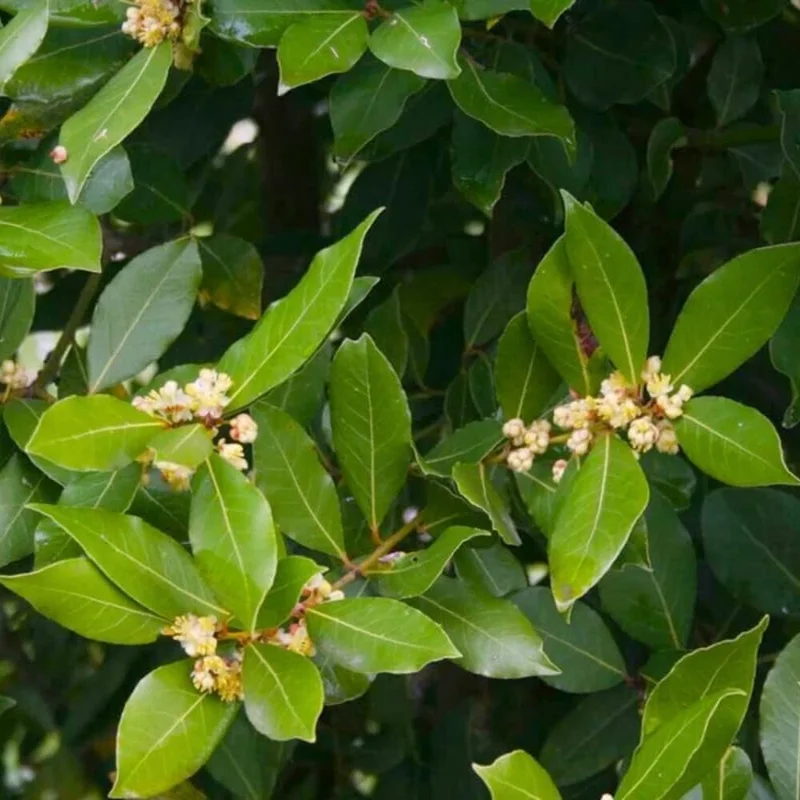
Bay Leaf Tree Plant Laurus Nobilis Live 5-7 Inches Tall – Sweet Bay Laurel Indoor/Outdoor
$27.59
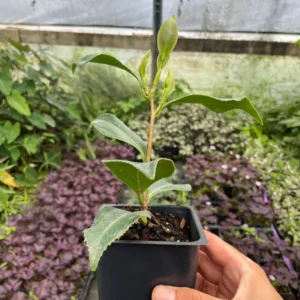
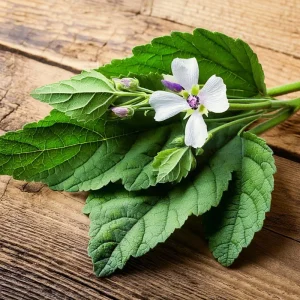
Cultivate your own fresh herbs with this vibrant bay leaf tree plant, standing 5 to 7 inches tall. Known as sweet bay laurel or Laurus Nobilis, it’s perfect for both indoor and outdoor settings. Enjoy its aromatic leaves for cooking and its elegant appearance as a decorative plant.
-
USDA Hardiness Zone
USDA zones 8-11 -
Soil Type
Well-draining loam, sand, silt, or clay -
Sunlight Exposure
Full sun to partial shade -
Expected Planting Period
Spring to early summer outdoors, year-round indoors

You can track your order HERE
Nov 27
Dec 02 - Dec 04
Dec 07 - Dec 11
Shipping and return policies: Our Alive & Thrive Guarantee covers issues with your plants within the first 30 days. Reach out to us. Our team will answer your questions and help you find the plants that are truly suitable for your environment, climate, and personal preferences.

Overview
Introduce the timeless elegance and culinary versatility of the bay leaf tree plant, scientifically known as Laurus Nobilis, into your home or garden. This live plant, typically arriving 5 to 7 inches tall, is often referred to as sweet bay laurel, and is cherished for its fragrant, evergreen leaves essential in many cuisines. Originating from the Mediterranean region, the Bay Laurel is a hardy and beautiful specimen that can be grown as a compact houseplant or allowed to mature into a larger shrub or tree in suitable climates. Its dark green, glossy leaves add a sophisticated touch to any space, while also providing a continuous supply of fresh bay leaves for your culinary adventures. Whether you’re a seasoned gardener or a beginner, this Laurus Nobilis live plant offers a rewarding growing experience and a constant source of aromatic flavor.
Key Benefits
The bay leaf tree plant offers a multitude of advantages beyond its aesthetic appeal, making it a valuable addition to any plant collection. Its evergreen foliage ensures year-round beauty and functionality.
- Culinary Essential: The primary benefit is the availability of fresh bay leaves, which impart a distinct, aromatic flavor to soups, stews, sauces, and roasts. Fresh leaves are often more potent and flavorful than dried alternatives.
- Aromatic Foliage: The glossy, dark green leaves release a pleasant, slightly spicy fragrance when brushed, contributing to a refreshing atmosphere indoors or out. This natural aroma can also deter certain pests.
- Decorative Accent: With its classic appearance and dense foliage, the sweet bay laurel makes an excellent ornamental plant, suitable for formal gardens, container planting, or as a structured element in mixed borders. It can be easily pruned and shaped.
- Air Purification: Like many living plants, the Laurus Nobilis live plant contributes to improved indoor air quality by absorbing common pollutants and releasing oxygen, promoting a healthier living environment.
- Low Maintenance: Once established, the bay leaf tree plant is relatively easy to care for, tolerant of various conditions, and generally resistant to pests and diseases, making it suitable for gardeners of all experience levels.
- Versatile Growth: This plant can adapt to both indoor and outdoor growing conditions, offering flexibility in where you choose to cultivate your own culinary bay leaf supply. It thrives in pots, allowing for easy relocation.
- Historical Significance: Beyond its practical uses, the bay laurel holds rich historical and symbolic significance, representing victory and honor, adding a layer of cultural depth to your plant collection.
Plant Care & Growing Tips
Proper care ensures your bay leaf tree plant thrives, whether indoors or out. This resilient plant is relatively forgiving, but understanding its basic needs will lead to a healthier, more productive specimen. For sunlight, the sweet bay laurel prefers full sun to partial shade. If growing indoors, place it near a bright window where it can receive at least 4-6 hours of direct sunlight daily. Outdoors, it can tolerate full sun, especially in cooler climates, but may benefit from some afternoon shade in hotter regions to prevent leaf scorch. The ideal temperature range for Laurus Nobilis is between 60-75°F (15-24°C), though it can tolerate cooler temperatures down to about 20°F (-6°C) for short periods, making it suitable for USDA zones 8-11 outdoors. In colder zones, it should be brought indoors for winter.
When it comes to watering, the bay leaf tree plant prefers consistently moist but not waterlogged soil. Water thoroughly when the top inch of soil feels dry to the touch, allowing excess water to drain away. Reduce watering frequency in winter when the plant’s growth slows. Well-draining soil is crucial; a good quality potting mix formulated for herbs or general houseplants with added perlite or sand works well. Fertilize your Laurus Nobilis live plant every 2-4 weeks during the growing season (spring and summer) with a balanced liquid fertilizer diluted to half strength. Reduce or stop fertilization in fall and winter. Pruning can be done to maintain shape and size, and to encourage bushier growth. Watch out for common pests like spider mites or scale insects, especially on indoor plants, and treat with horticultural oil or insecticidal soap if necessary. Ensuring good air circulation and appropriate humidity will help keep your culinary bay leaf plant healthy.
Size & Details
This offering is for one bay leaf tree plant, specifically a Laurus Nobilis live plant, which typically arrives at a height of 5 to 7 inches tall. It is shipped as a young seedling, ready for transplanting into a larger pot or directly into your garden if the climate permits. The plant exhibits a medium growth rate, meaning it will gradually increase in size over time with proper care. When mature, a sweet bay laurel can reach heights of 10-20 feet or more in ideal outdoor conditions, though it can be kept much smaller through regular pruning, especially when grown in containers. The leaves are evergreen, providing year-round foliage. Expect your plant to establish itself quickly and begin producing aromatic leaves for harvest within its first year. The plant is typically shipped in a small nursery pot or with its root ball carefully wrapped to ensure its health upon arrival, ready to be planted in a well-draining environment. This indoor bay laurel starter plant is a single specimen.
Frequently Asked Questions
- Q: How big does this plant get? A: This bay leaf tree plant arrives at 5-7 inches tall. With proper care, it can grow into a large shrub or small tree, reaching 10-20 feet outdoors. When grown in a pot, its size can be managed through regular pruning.
- Q: Is this an indoor or outdoor plant? A: The Laurus Nobilis live plant is versatile and can thrive both indoors and outdoors. In USDA zones 8-11, it can be grown year-round outside. In colder climates, it is best grown in a container and brought indoors during winter.
- Q: How much sunlight does it need? A: Your sweet bay laurel prefers full sun to partial shade. If growing indoors, provide bright, direct light for at least 4-6 hours daily. Outdoors, it can handle full sun, but may appreciate some afternoon shade in very hot climates.
- Q: Is this plant easy to care for? A: Yes, the bay leaf tree plant is considered relatively easy to care for. It’s forgiving of minor neglect and generally resistant to pests and diseases, making it a good choice for both novice and experienced gardeners.
- Q: Can I use the leaves for cooking? A: Absolutely! The leaves from this culinary bay leaf plant are perfect for cooking. They add a rich, aromatic flavor to stews, soups, sauces, and roasts. Fresh leaves are often more potent than dried ones.
- Q: What condition will it arrive in? A: Your Laurus Nobilis live plant will arrive as a healthy seedling, typically 5-7 inches tall, with its roots carefully protected. It will be ready for immediate planting upon arrival to ensure a smooth transition.
- Q: What’s the best soil type for this plant? A: The bay leaf tree plant prefers well-draining soil. A good quality potting mix for herbs or general houseplants, amended with perlite or sand for improved drainage, is ideal. Avoid heavy, waterlogged soils.
- Q: How often should I water my bay laurel? A: Water your indoor bay laurel when the top inch of soil feels dry to the touch. Ensure thorough watering until water drains from the bottom, then allow the soil to dry slightly before the next watering. Reduce frequency in cooler months.
- Q: When is the best time to plant this? A: If planting outdoors, spring to early summer is ideal, allowing the plant to establish before winter. For indoor cultivation, you can plant it any time of year.
- Q: Will it survive winter in my zone? A: The bay leaf tree plant is hardy in USDA zones 8-11. If you are in a colder zone, it’s essential to grow it in a container and move it indoors to a protected, bright location before the first frost.
Be the first to review “Bay Leaf Tree Plant Laurus Nobilis Live 5-7 Inches Tall – Sweet Bay Laurel Indoor/Outdoor”
People Also Viewed
Sold 89 products
Original price was: $99.96.$49.98Current price is: $49.98.

Sold 90 products
Original price was: $91.98.$45.99Current price is: $45.99.





Reviews
There are no reviews yet.