
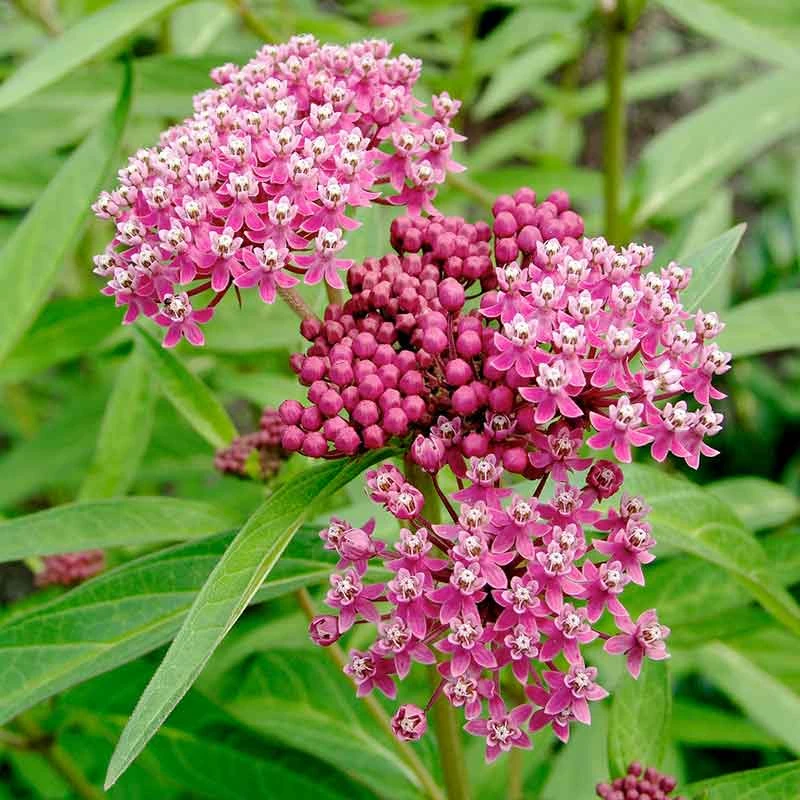
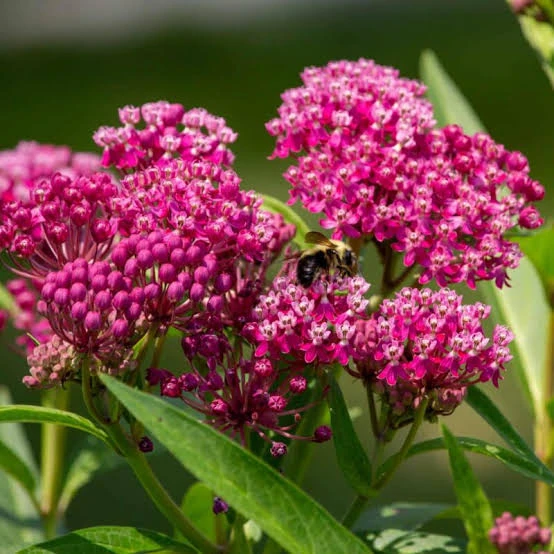
Purple Milkweed Live Plant (Asclepias purpurascens) 4in Tall – Attracts Monarchs
Original price was: $24.98.$11.99Current price is: $11.99.
Add a vibrant touch to your garden with this purple milkweed live plant, shipped in a 4-inch pot. Known scientifically as Asclepias purpurascens, this native perennial is a crucial host plant for monarch butterfly caterpillars and a favorite nectar source for many other pollinators. Enjoy its stunning deep purple-pink flowers and support local biodiversity.
-
USDA Hardiness Zone
USDA zones 3-8 -
Soil Type
Well-draining, sandy, or loamy soil -
Sunlight Exposure
Full sun -
Expected Planting Period
Spring to early summer

You can track your order HERE
Oct 09
Oct 14 - Oct 16
Oct 19 - Oct 23
Shipping and return policies: Our Alive & Thrive Guarantee covers issues with your plants within the first 30 days. Reach out to us. Our team will answer your questions and help you find the plants that are truly suitable for your environment, climate, and personal preferences.

SHIP NO POT
Overview
Introduce a splash of stunning color and vital ecological support to your garden with this beautiful purple milkweed live plant. Known scientifically as Asclepias purpurascens, this native perennial is renowned for its captivating deep purple-pink flower clusters that bloom from early to mid-summer. Unlike its more common relatives, such as common milkweed, purple milkweed live plant offers a unique hue that stands out in any landscape. As a crucial host plant for monarch butterfly caterpillars and a nectar source for many other pollinators, including bees and hummingbirds, adding this plant to your garden is a significant step towards supporting local ecosystems and biodiversity. Our plants are shipped healthy and ready to thrive, providing an immediate impact on your garden’s aesthetic and ecological value.
Cultivating a purple milkweed live plant is a rewarding experience for any gardener, from beginner to expert. These resilient plants are relatively low-maintenance once established, tolerating a range of soil conditions and requiring minimal care. Their upright growth habit and attractive foliage make them suitable for various garden designs, from wildflower meadows to formal borders. By choosing to plant Asclepias purpurascens, you’re not just enhancing the beauty of your outdoor space; you’re actively participating in conservation efforts to protect monarch populations and other beneficial insects. Discover the joy of growing purple milkweed and witness the transformation of your garden into a bustling hub of natural activity.
Key Benefits
Adding a purple milkweed live plant to your garden offers numerous advantages, both aesthetic and environmental. This plant is a true asset for any gardener looking to create a vibrant, eco-friendly outdoor space, especially for those interested in milkweed for butterflies.
- Attracts Monarch Butterflies: This is a primary host plant for monarch butterfly caterpillars, providing the essential food source they need to grow and metamorphose. Planting purple milkweed live plant directly contributes to the survival and proliferation of these iconic pollinators.
- Supports General Pollinators: Beyond monarchs, the nectar-rich flowers of asclepias purpurascens are a magnet for a wide array of other pollinators, including various bee species, hoverflies, and hummingbirds, enhancing the biodiversity of your garden.
- Vibrant Floral Display: The deep purplish-pink flower clusters create a stunning visual impact in the garden, adding a unique color that complements other perennials and annuals. Its striking appearance makes it an excellent choice for ornamental planting and those seeking vibrant pollinator garden plants.
- Low Maintenance and Drought Tolerant: Once established, the purple milkweed live plant is remarkably resilient. It requires minimal care, is tolerant of dry conditions, and generally resistant to pests and diseases, making it ideal for busy gardeners.
- Native Plant Benefits: As a native species, Asclepias purpurascens is well-adapted to local climates and soils, requiring fewer resources and integrating seamlessly into existing ecosystems. It helps restore natural habitats and supports native wildlife.
- Educational Opportunity: Observing the life cycle of monarch butterflies on your purple milkweed live plant provides a fantastic educational opportunity for children and adults alike, fostering an appreciation for nature and conservation.
- Versatile Garden Use: Its upright form and attractive appearance make it suitable for various garden settings, including perennial borders, pollinator gardens, native plant gardens, and even large containers. It’s an excellent choice for a pollinator garden plants scheme.
Plant Care & Growing Tips
Caring for your purple milkweed live plant (Asclepias purpurascens) is relatively straightforward, making it a rewarding addition to most gardens. These plants thrive in full sun, meaning they need at least 6-8 hours of direct sunlight per day to produce abundant blooms and support healthy growth. While they can tolerate partial shade, flowering may be reduced. When it comes to watering, asclepias purpurascens prefers moderately moist soil but is quite drought-tolerant once established. Water deeply when the top inch or two of soil feels dry, especially during prolonged dry spells. Avoid overwatering, as this can lead to root rot. Good drainage is crucial for its health.
The ideal soil for growing purple milkweed is well-draining, sandy, or loamy soil. It can adapt to a variety of soil types, including clay, as long as drainage is adequate. This native plant generally does not require heavy fertilization; a light application of compost or a balanced slow-release fertilizer in spring is usually sufficient. Purple milkweed is hardy in USDA zones 3-8, meaning it can withstand cold winters and return reliably each spring. Deadheading spent flowers can encourage more blooms and prevent unwanted self-seeding. Monitor for common garden pests, though milkweed is generally resistant. By following these simple guidelines, your purple milkweed live plant will flourish and become a haven for pollinators.
Size & Details
This purple milkweed live plant is shipped in a 4-inch nursery pot, providing a well-established root system ready for planting. Mature plants typically reach a height of 2 to 4 feet and a spread of 1 to 2 feet, forming an upright, bushy perennial. Its growth rate is moderate, establishing itself well within the first year and reaching its full size within 2-3 years. The distinctive deep purple-pink flowers appear in clusters from early to mid-summer, attracting a variety of beneficial insects. This plant is a fantastic choice for adding vertical interest to your garden beds or for creating a dedicated pollinator garden plants area. Expect continuous blooms throughout its season, offering sustained support for monarch butterflies and other pollinators.
The plant will arrive carefully packaged to ensure its health during transit, ready for immediate transplanting into your garden or a larger container. With proper care, your asclepias purpurascens will provide years of ecological benefits and ornamental beauty. Its robust nature and adaptability make it a gardener’s favorite, especially for those committed to supporting native wildlife.
Frequently Asked Questions
- Q: How big does this purple milkweed live plant get? A: Your purple milkweed live plant can grow to be 2 to 4 feet tall and 1 to 2 feet wide at maturity, providing a significant presence in your garden.
- Q: Is this an indoor or outdoor plant? A: Asclepias purpurascens is an outdoor perennial plant, best suited for garden beds or large outdoor containers where it can receive ample sunlight.
- Q: How much sunlight does my purple milkweed need? A: This plant thrives in full sun, requiring at least 6-8 hours of direct sunlight daily for optimal growth and flowering.
- Q: Is this plant easy to care for? A: Yes, once established, the purple milkweed live plant is considered low-maintenance, tolerating drought and a range of soil conditions, making growing purple milkweed accessible for most gardeners.
- Q: What condition will it arrive in? A: Your plant will arrive healthy and well-packaged in a 4-inch nursery pot, ready for transplanting into your garden.
- Q: How long until it blooms? A: Depending on when it’s planted, your purple milkweed live plant typically blooms from early to mid-summer, often in its first year if planted in spring.
- Q: Will it survive winter in my zone? A: Asclepias purpurascens is hardy in USDA Zones 3-8, meaning it is well-equipped to survive winter in these regions and will return in spring.
- Q: Is this plant good for attracting monarch butterflies? A: Absolutely! This is a primary host plant for monarch butterfly caterpillars, making it essential for their life cycle and an excellent choice for milkweed for butterflies.
- Q: What kind of soil is best for purple milkweed? A: Well-draining, sandy, or loamy soil is ideal, though it can tolerate various soil types as long as drainage is good.
- Q: Can I grow this purple milkweed in a container? A: Yes, you can grow purple milkweed live plant in a large container, ensuring it has adequate drainage and plenty of sunlight.
Be the first to review “Purple Milkweed Live Plant (Asclepias purpurascens) 4in Tall – Attracts Monarchs”
People Also Viewed










Fruits
Strawberry Guava Live Plant, Psidium cattleyanum, 5-9 inch, Edible Fruit Tree, Indoor/Outdoor
Sold 57 products
$29.98






%20–%2030+%20Seeds%20for%20Fall%20Color%20&%20Syrup&url=https://gardennursery.net/product/sugar-maple-tree-seeds-acer-saccharum-30-seeds-for-fall-color-syrup/&media=https://img.gardennursery.net/2026/01/sugar-maple-tree-seeds-acer-saccharum-30-seeds-for-63ddf5b7.webp)


Reviews
There are no reviews yet.