
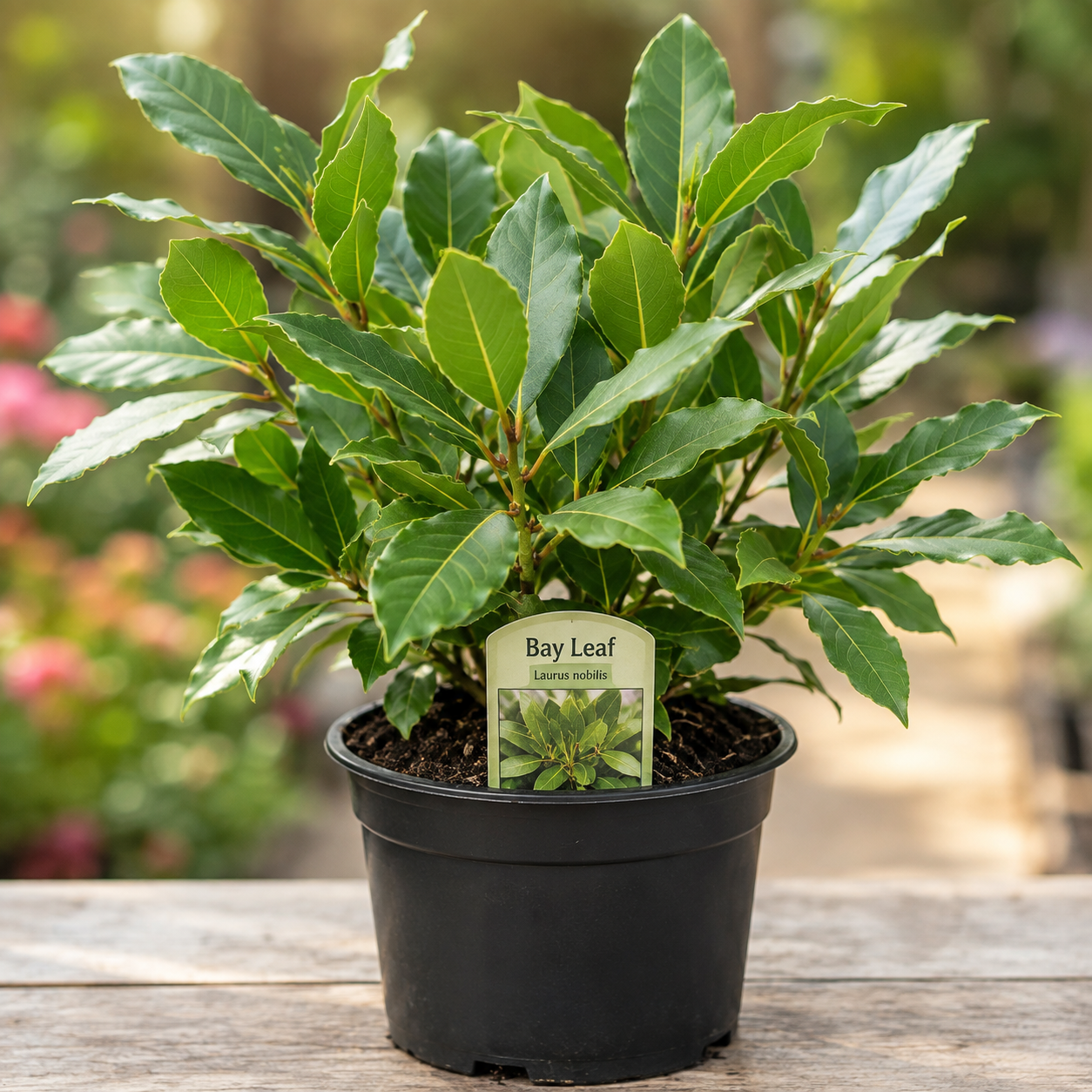
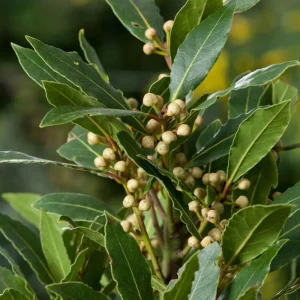
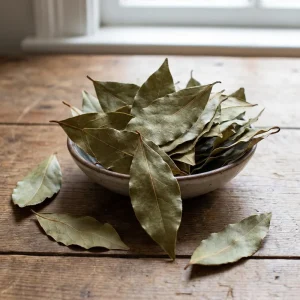
Bay Leaf Tree Live Plant 8-10 Inch Tall – Laurus Nobilis Herb for Cooking & Garden
Original price was: $41.98.$19.99Current price is: $19.99.
Bring the rich aroma of fresh bay leaves to your home with this bay leaf tree live plant. Standing 8-10 inches tall, this Laurus Nobilis plant is perfect for culinary enthusiasts and garden lovers. Enjoy its drought-tolerant nature and fragrant leaves, ideal for zones 8-11.
-
USDA Hardiness Zone
8-11 -
Soil Type
Loose, well-draining soil -
Sunlight Exposure
Full sun to semi-shade -
Expected Planting Period
Year-round indoors; Spring to early fall outdoors

You can track your order HERE
Sep 17
Sep 22 - Sep 24
Sep 27 - Oct 01
Shipping and return policies: Our Alive & Thrive Guarantee covers issues with your plants within the first 30 days. Reach out to us. Our team will answer your questions and help you find the plants that are truly suitable for your environment, climate, and personal preferences.

Overview
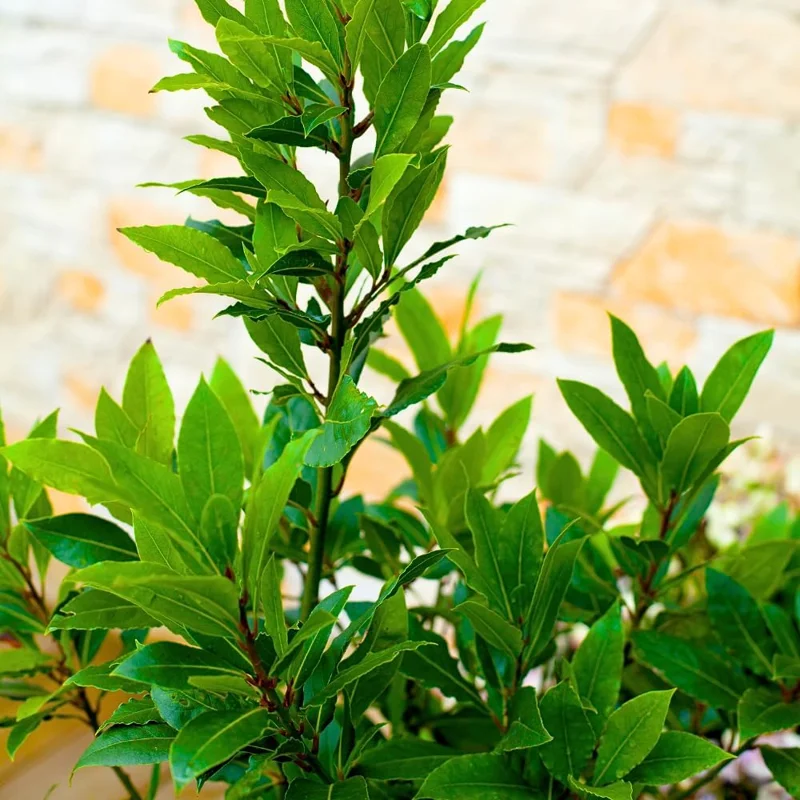
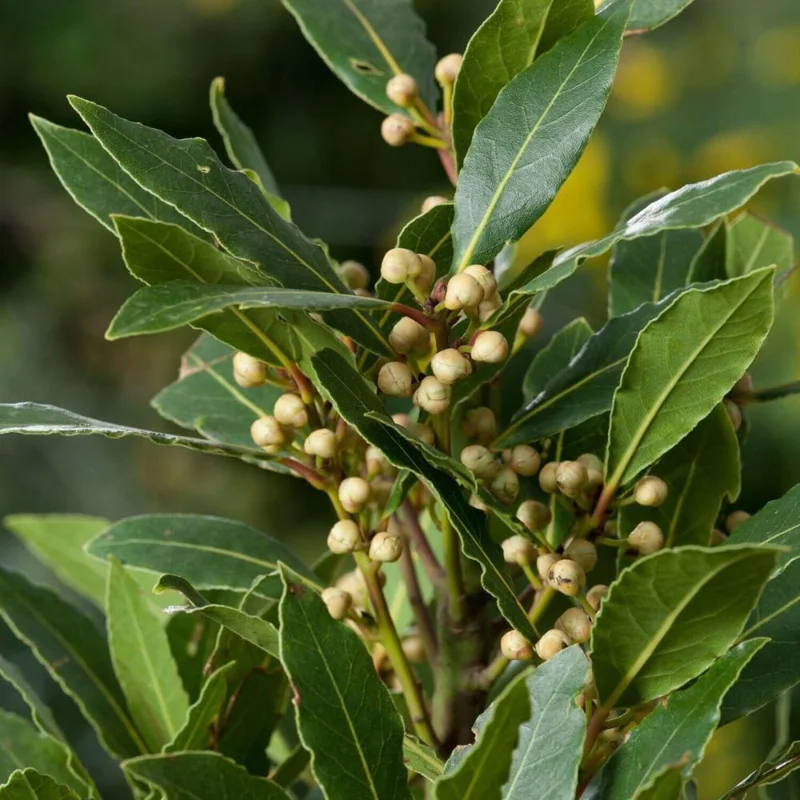
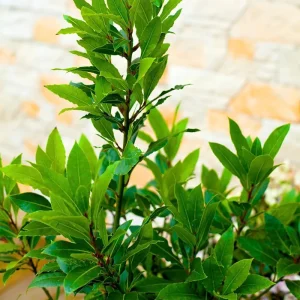
Introduce the timeless elegance and aromatic delight of a bay leaf tree live plant into your garden or patio. This exquisite Laurus Nobilis plant, often referred to simply as a bay tree, is a must-have for any culinary enthusiast or plant collector. Known for its glossy, dark green leaves that release a distinct, savory fragrance when crushed, this herb tree is not only a beautiful ornamental but also a highly functional addition to your kitchen. Our 8-10 inch tall specimen is ready to thrive, offering both aesthetic appeal and practical use for your favorite dishes. The bay leaf tree is a steady grower, adapting well to various conditions, making it an excellent choice for both seasoned gardeners and those new to growing herbs.
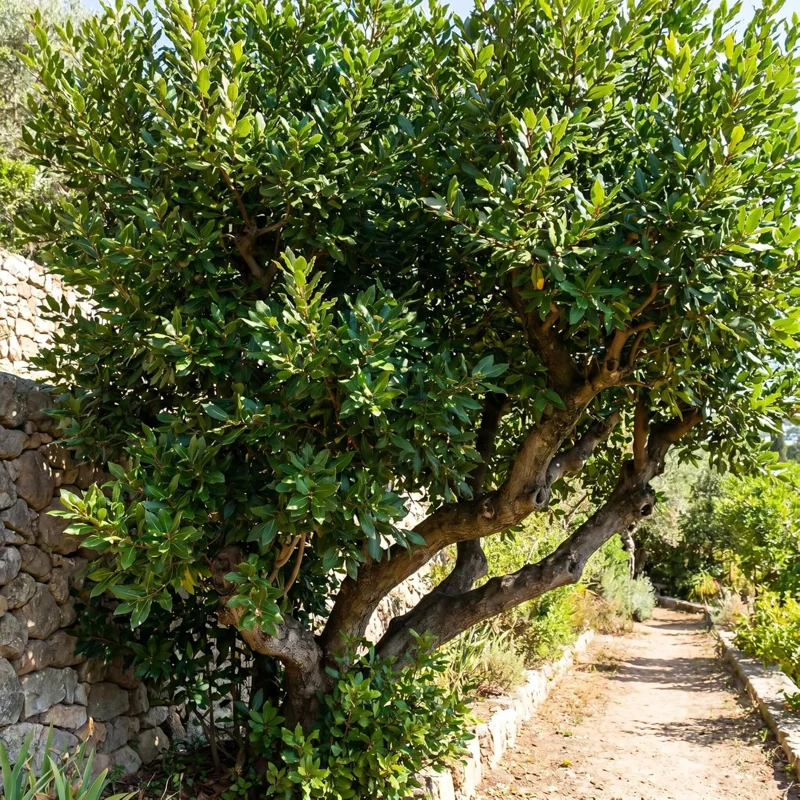
The Laurus Nobilis plant is native to the Mediterranean region, celebrated for centuries for its culinary, medicinal, and ornamental value. Its resilience and striking appearance make it a versatile plant that can be grown in containers or directly in the ground in suitable climates. Imagine plucking fresh bay leaves directly from your own plant to enhance soups, stews, sauces, and roasts. This bay leaf tree live plant promises to be a rewarding addition, providing a continuous supply of fresh, aromatic leaves and adding a touch of Mediterranean charm to your environment.
Key Benefits
Cultivating a bay leaf tree offers a multitude of benefits, from enhancing your culinary skills to beautifying your outdoor or indoor space. This versatile plant is truly a gem for any home.
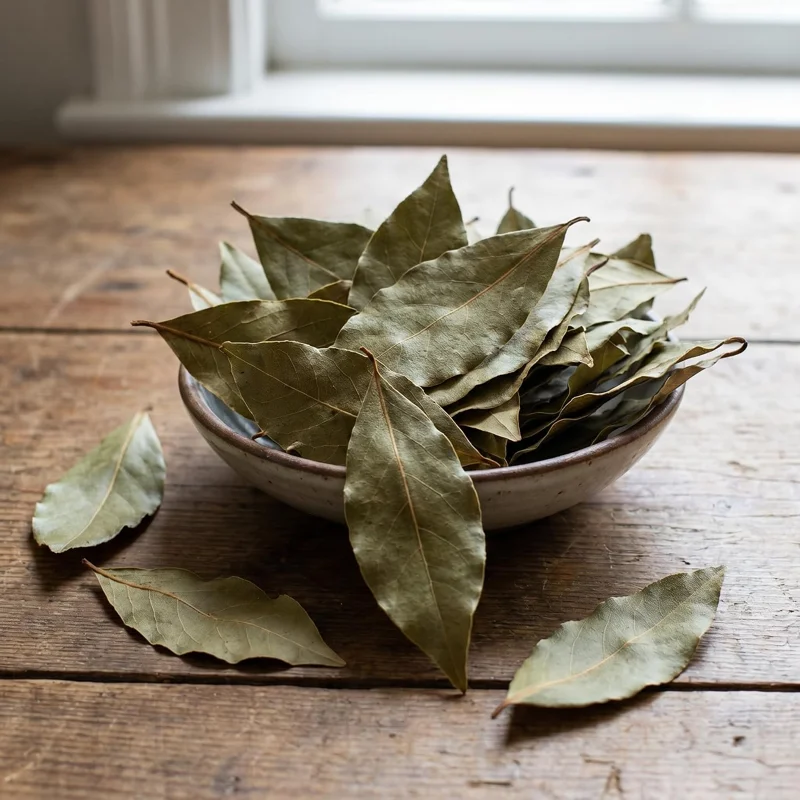
- Culinary Delight: Enjoy the unparalleled flavor and aroma of fresh bay leaves in your cooking. Unlike dried leaves, fresh ones impart a more potent and nuanced taste to stews, soups, sauces, and braises, elevating your culinary creations. Growing your own bay tree for cooking ensures a constant supply.
- Aromatic Foliage: The glossy, dark green leaves release a pleasant, spicy fragrance when brushed or crushed, acting as a natural air freshener for your garden or patio. It’s a sensory pleasure that enhances the outdoor living experience.
- Drought Tolerance: Once established, this bay leaf tree live plant is remarkably drought-tolerant, requiring less frequent watering compared to many other plants. This makes it a low-maintenance option for busy gardeners.
- Year-Round Greenery: As an evergreen, the bay leaf tree provides beautiful green foliage throughout the year, adding visual interest to your landscape even in cooler months. Its consistent color is a welcome sight.
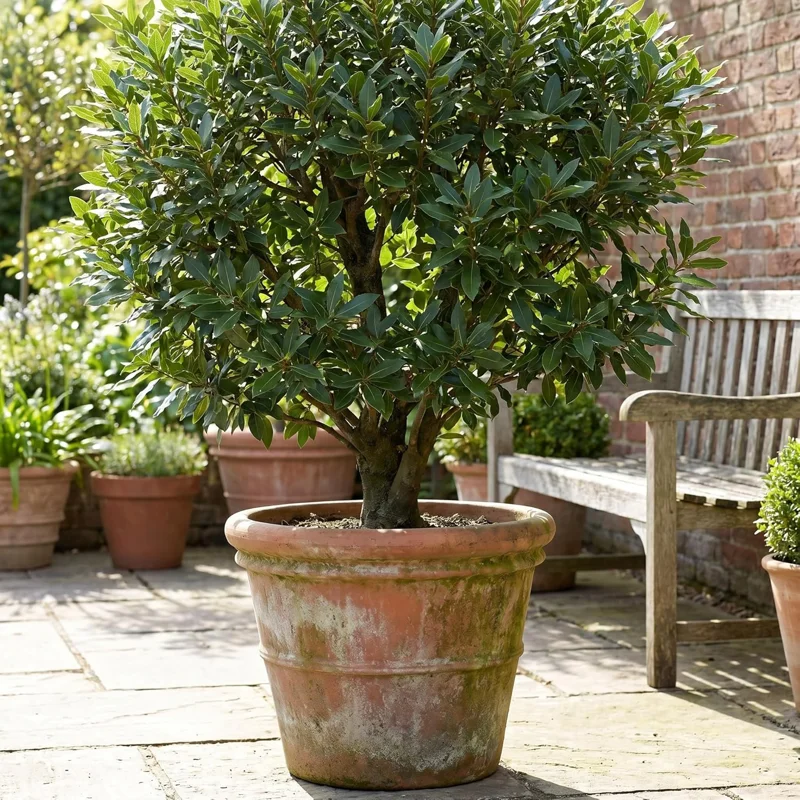
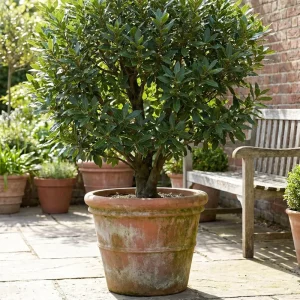
- Versatile Landscaping: Suitable for containers, herb gardens, flower beds, and landscaping, the bay leaf tree can be pruned into various shapes, including a standard or hedge, making it adaptable to different garden designs.
- Hardy & Resilient: Thriving in USDA Zones 8-11, this plant is known for its hardiness and ability to withstand a range of conditions, ensuring its longevity and continued beauty for years to come.
- Pest Resistant: Bay leaf trees are generally resistant to common garden pests, reducing the need for chemical treatments and promoting a healthier garden ecosystem.
Plant Care & Growing Tips
To ensure your bay leaf tree live plant flourishes and provides you with an abundance of fragrant leaves, understanding its specific care requirements is essential. This plant, while relatively low-maintenance, benefits greatly from proper attention to its environmental needs. Providing the right conditions will lead to a robust and productive tree, making growing bay leaf plant a rewarding experience.
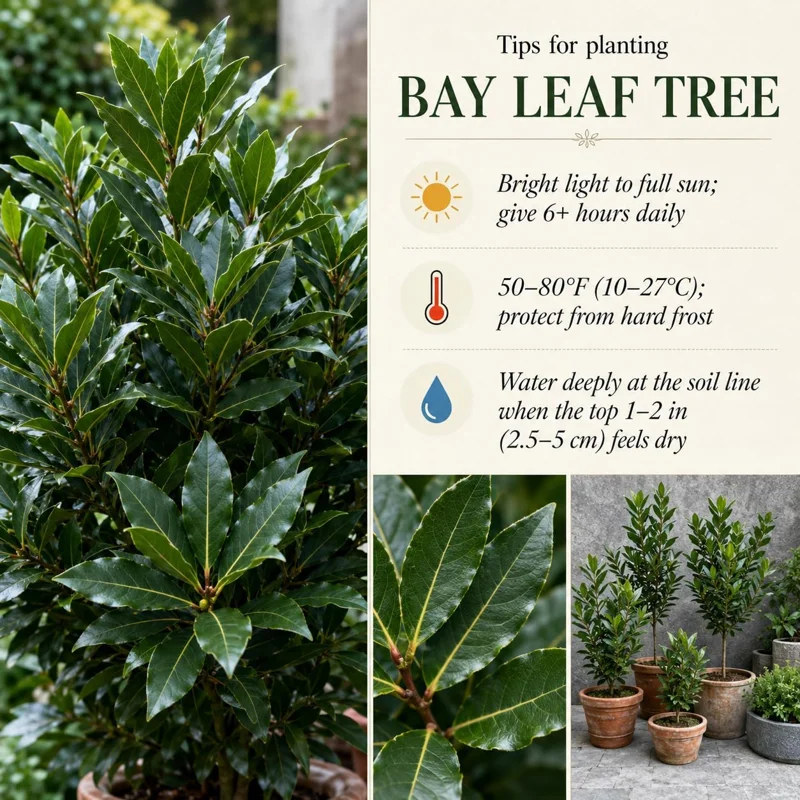
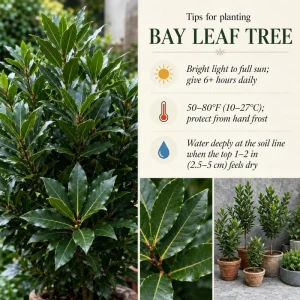
The bay leaf tree thrives in full sun, meaning it requires at least 6 hours of direct sunlight per day. While it can tolerate semi-shade, optimal growth and leaf production occur in sunnier locations. If growing indoors, place it near a south-facing window or supplement with grow lights. For soil, the Laurus Nobilis prefers loose, well-draining soil. A good quality potting mix amended with perlite or sand will ensure proper drainage and prevent root rot. Avoid heavy, waterlogged soils. In terms of watering, this plant has moderate moisture needs. Water thoroughly when the top inch or two of soil feels dry to the touch, and then allow the soil to dry out slightly before the next watering. It’s important not to overwater, especially in cooler months, but also to avoid letting the soil become completely parched, particularly for young plants.
The Laurus Nobilis plant is hardy in USDA Zones 8-11. In these zones, it can be grown outdoors year-round. In colder climates, it’s best grown in a container that can be moved indoors during winter to protect it from frost. When temperatures drop below freezing, bring your bay leaf tree inside to a bright, cool location. Fertilize your bay leaf tree sparingly, typically once or twice during the growing season (spring and summer) with a balanced, slow-release fertilizer. Over-fertilization can lead to leggy growth and reduced aroma. Pruning can be done to maintain shape and size, and to encourage bushier growth. Common problems include yellowing leaves, which can indicate overwatering or nutrient deficiency, and scale insects, which can be treated with horticultural oil. Regular inspection and prompt action will keep your bay leaf plant care routine effective.
Size & Details
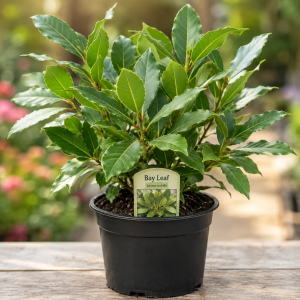
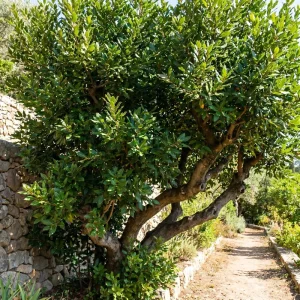
This offering is for one bay leaf tree live plant, typically measuring 8-10 inches tall from the base of the plant to the tip of its tallest leaf. It is shipped as a rooted plant in a nursery pot, ready for transplanting into a larger container or directly into your garden, depending on your climate and preference. The plant is a steady growing tree, and with proper care, it can reach a mature height of 6–12 feet when grown outdoors in ideal conditions. In containers, its size can be easily managed through pruning to suit your space. You can expect a healthy, vibrant plant with established roots, ensuring a smooth transition to its new home. The leaves are green and aromatic, characteristic of the Laurus Nobilis species, perfect for your bay tree for cooking needs.
This plant is ideal for those looking to add a functional and beautiful evergreen to their landscape. It thrives in well-drained soil and tolerates a range of light conditions from full sun to semi-shade. Once established, it becomes drought-tolerant, making it a robust choice for various garden settings. The plant’s mature size and growth rate will vary based on growing conditions, climate, and care. It is an excellent choice for creating a fragrant herb garden, an ornamental container plant, or even a small hedgerow in warmer zones.
Frequently Asked Questions
- Q: How big does this plant get? A: This bay leaf tree live plant is 8-10 inches tall upon arrival. With proper care, it can reach a mature height of 6-12 feet when planted in the ground, or its size can be maintained smaller in a container through regular pruning.
- Q: Is this an indoor or outdoor plant? A: The bay leaf tree can be grown both indoors and outdoors. It is hardy in USDA Zones 8-11 for outdoor planting. In colder zones, it should be grown in a pot and brought indoors during winter.
- Q: How much sunlight does it need? A: This plant prefers full sun, meaning at least 6 hours of direct sunlight daily, for best growth and leaf production. It can tolerate semi-shade but may grow less vigorously.
- Q: Is this plant easy to care for? A: Yes, the bay leaf tree is considered relatively easy to care for, especially once established. It’s drought-tolerant and generally pest-resistant, making bay leaf plant care manageable for most gardeners.
- Q: What condition will it arrive in? A: Your bay leaf tree live plant will arrive as a healthy, rooted specimen in a nursery pot, carefully packaged to ensure its safe journey and readiness for planting.
- Q: Can I use the leaves for cooking? A: Absolutely! The leaves of the Laurus Nobilis are highly prized for culinary use. You can pluck fresh leaves directly from your tree to flavor a wide variety of dishes, making it an excellent bay tree for cooking.
- Q: When is the best time to plant? A: For outdoor planting in zones 8-11, spring or early fall is ideal. If growing in a container, it can be planted any time of year as long as it’s protected from extreme weather.
- Q: What type of soil does it prefer? A: The bay leaf tree thrives in loose, well-draining soil. A good quality potting mix with added perlite or sand works well, ensuring roots don’t sit in water.
- Q: Will it survive winter in my zone? A: If you are in USDA Zones 8-11, it will likely survive winter outdoors. In colder zones, you must bring the plant indoors before the first frost to protect it.
- Q: How often should I water my bay leaf plant? A: Water when the top 1-2 inches of soil feel dry. Allow the soil to dry out slightly between waterings. Avoid overwatering, especially in cooler months.
Be the first to review “Bay Leaf Tree Live Plant 8-10 Inch Tall – Laurus Nobilis Herb for Cooking & Garden”
People Also Viewed
Sold 64 products
From $5.19

Vegetables
Organic Jerusalem Artichoke Tubers – Early Dwarf Sunray Sunchoke – 1 Lb for Planting or Eating
Sold 97 products
Original price was: $91.96.$45.98Current price is: $45.98.
Sold 89 products
$14.98
Sold 93 products
Original price was: $39.99.$27.99Current price is: $27.99.
Sold 83 products
Original price was: $35.96.$17.98Current price is: $17.98.
Sold 66 products
Original price was: $31.96.$15.98Current price is: $15.98.
Sold 71 products
From $5.19
Sold 75 products
Original price was: $31.99.$28.99Current price is: $28.99.
Sold 68 products
Original price was: $26.76.$13.38Current price is: $13.38.
Sold 69 products
From $19.00
Sold 82 products
Original price was: $38.00.$30.40Current price is: $30.40.
Sold 82 products
Original price was: $202.56.$101.28Current price is: $101.28.
Sold 98 products
Original price was: $30.78.$21.54Current price is: $21.54.
Sold 50 products
$5.19
Sold 99 products
Original price was: $56.00.$44.80Current price is: $44.80.
Sold 72 products
From $17.16
Sold 77 products
Original price was: $41.20.$20.60Current price is: $20.60.
Sold 89 products
Original price was: $35.98.$19.49Current price is: $19.49.




Reviews
There are no reviews yet.