
Queen of the Night Epiphyllum Oxypetalum Live Plant – 22-26 Inch Tall, 1 Gallon Pot
Original price was: $88.50.$76.96Current price is: $76.96.
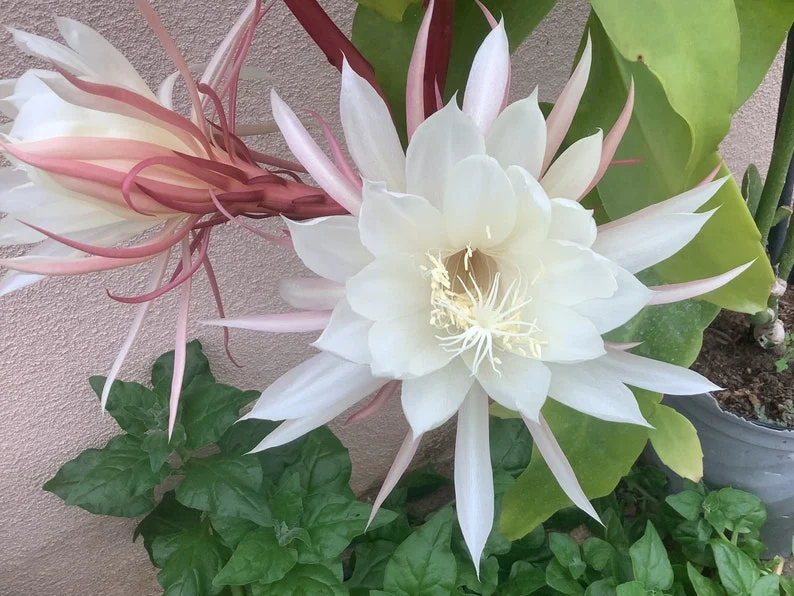
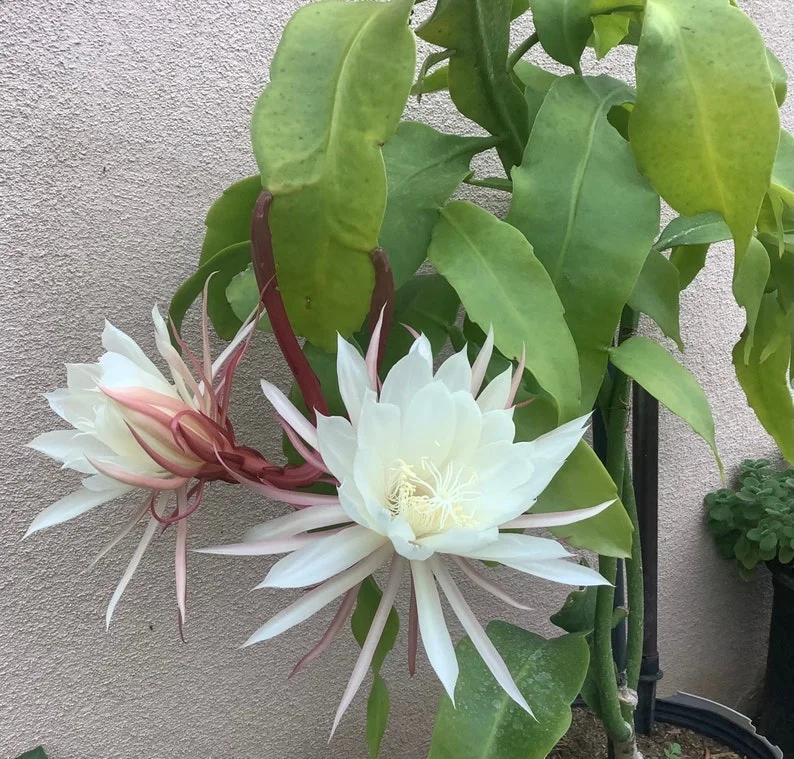
Bring exotic beauty into your home with a stunning Queen of the Night live plant. This 22-26 inch tall, 1 gallon potted Epiphyllum oxypetalum is renowned for its spectacular, large white flowers that open only at night, filling your space with an intoxicating fragrance. Perfect for indoor growers seeking a unique and rewarding plant.
-
USDA Hardiness Zone
USDA Zones 10-11 (or indoors) -
Soil Type
Well-draining, airy potting mix (e.g., orchid mix, perlite, potting soil) -
Sunlight Exposure
Bright indirect light -
Expected Planting Period
Year-round indoors

You can track your order HERE
Sep 20
Sep 25 - Sep 27
Sep 30 - Oct 04
Shipping and return policies: Our Alive & Thrive Guarantee covers issues with your plants within the first 30 days. Reach out to us. Our team will answer your questions and help you find the plants that are truly suitable for your environment, climate, and personal preferences.

Overview
Experience the captivating allure of the Queen of the Night live plant, scientifically known as Epiphyllum oxypetalum. This remarkable epiphytic cactus is celebrated for its breathtakingly beautiful, large white flowers that unfurl dramatically at dusk, releasing a sweet, intoxicating fragrance that can fill an entire room. Often referred to as the ‘night blooming cereus,’ this particular specimen arrives as a robust 22 to 26 inch tall plant, rooted in a 1 gallon nursery pot, ready to thrive in your indoor garden. The Queen of the Night live plant is a true spectacle, offering a unique botanical experience as its ephemeral blooms create an unforgettable evening display. Its striking foliage and dramatic flowering habit make it a prized possession for plant enthusiasts and a conversation starter in any home.
Originating from the tropical rainforests of Central and South America, Epiphyllum oxypetalum is an epiphyte, meaning it naturally grows on other plants, but it is not parasitic. It absorbs moisture and nutrients from the air and rain, making it well-suited for hanging baskets or elevated positions where its long, flattened stems can cascade gracefully. This mature plant is poised to produce its iconic flowers, transforming your evenings with its magnificent bloom and enchanting scent. If you’re looking for a truly unique and fragrant plant, the night blooming cactus is an excellent choice.
Key Benefits
The Queen of the Night live plant offers a multitude of benefits that make it a highly desirable addition to any plant collection. Its unique features and aesthetic appeal contribute to a delightful indoor gardening experience.
- Spectacular Nocturnal Blooms: Witness the awe-inspiring spectacle of large, pure white flowers that open only after sunset, creating a magical ambiance. These blooms are a rare treat, lasting just one night but leaving a lasting impression.
- Intoxicating Fragrance: The flowers emit a powerful, sweet, and exotic perfume that can fill your home, offering a truly sensory experience that few other plants can provide. It’s a natural air freshener for your evenings.
- Elegant Foliage: Even when not in bloom, the Epiphyllum oxypetalum care involves appreciating its long, flattened, and often wavy-edged stems that provide a lush, architectural element to your indoor decor. They can trail beautifully from hanging planters.
- Relatively Low Maintenance: Despite its exotic appearance, this fragrant plant indoor is surprisingly easy to care for, requiring consistent but not overly demanding attention, making it suitable for both experienced and novice gardeners.
- Unique Conversation Starter: The rare and dramatic blooming habit of this large flowering plant makes it a fantastic focal point and a fascinating topic for guests, showcasing your unique taste in horticulture.
- Air Purifying Qualities: Like many houseplants, the Queen of the Night contributes to a healthier indoor environment by absorbing carbon dioxide and releasing oxygen, especially at night when many plants reverse this process.
- Long-Lived Specimen: With proper care, your Queen of the Night live plant can thrive for many years, providing annual displays of its stunning flowers.
Plant Care & Growing Tips
Caring for your Queen of the Night live plant, or Epiphyllum oxypetalum, is relatively straightforward, ensuring you can enjoy its spectacular blooms for years to come. This epiphytic cactus thrives with specific conditions that mimic its natural habitat. It prefers bright, indirect light; direct, harsh sunlight can scorch its delicate stems. An east-facing window is often ideal, providing gentle morning sun, or a spot a few feet away from a south or west-facing window. During the warmer months, if you place it outdoors, ensure it’s in a shaded location. Proper Epiphyllum oxypetalum care also involves consistent watering.
Water thoroughly when the top inch or two of soil feels dry to the touch, and allow excess water to drain completely. Never let the pot sit in standing water, as this can lead to root rot. Reduce watering significantly during its dormant period in winter. The ideal soil for this night blooming cactus is a well-draining, airy mix, similar to what orchids or other epiphytes prefer. A mix of potting soil, perlite, and orchid bark or coco coir works well. Maintain average room temperatures between 60-80°F (15-27°C) and provide high humidity if possible, especially during dry indoor conditions. Fertilize monthly during the growing season (spring to fall) with a balanced liquid fertilizer, diluted to half strength. This fragrant plant indoor prefers a slightly acidic to neutral pH soil. USDA Hardiness Zones for outdoor growth are typically 10-11, but it is primarily grown as a houseplant in most regions. To encourage blooming, ensure the plant experiences a slight cool, dry resting period in late fall/early winter.
Size & Details
This offering is for one Queen of the Night live plant (Epiphyllum oxypetalum), which stands impressively at 22 to 26 inches tall from the base of the plant to the tip of its tallest stem. It is securely rooted and shipped in a 1 gallon nursery pot, providing a healthy and established root system ready for transplanting or continued growth in its current container. The plant’s mature size can reach several feet in length, with stems that cascade gracefully, making it ideal for hanging baskets or elevated displays. Its growth rate is moderate, and with optimal Epiphyllum oxypetalum care, it will continue to develop robust stems and produce its stunning blossoms. Expect to see flower buds typically forming in late spring to early summer, with blooms appearing from summer through early fall. The plant is shipped with care to ensure it arrives in excellent condition, ready to flourish in your home and eventually display its magnificent, large flowering plant characteristics.
Frequently Asked Questions
- Q: How big does this Queen of the Night live plant get? A: This particular plant is 22-26 inches tall upon arrival. With proper care, its stems can grow several feet long, making it an excellent candidate for hanging baskets or trained to climb.
- Q: What size pot does it come in? A: The night blooming cactus is shipped in a sturdy 1 gallon nursery pot, providing ample space for its root system to thrive during transit and upon arrival.
- Q: Is this an indoor or outdoor plant? A: While it can be grown outdoors in very warm climates (USDA Zones 10-11), the Queen of the Night live plant is predominantly grown as a magnificent indoor houseplant in most regions due to its sensitivity to cold.
- Q: How much sunlight does it need? A: This fragrant plant indoor prefers bright, indirect light. Avoid direct, intense sunlight, which can burn its stems. An east-facing window or a bright room with diffused light is ideal.
- Q: Is this plant easy to care for? A: Yes, despite its exotic appearance, Epiphyllum oxypetalum care is relatively simple. It requires consistent watering, proper light, and well-draining soil, making it suitable for gardeners of various experience levels.
- Q: What condition will the large flowering plant arrive in? A: Your plant will arrive healthy and well-packaged, carefully secured in its 1 gallon nursery pot to minimize stress during shipping. Some minor leaf adjustments may be needed upon unpacking.
- Q: When is the best time for this plant to bloom? A: The Queen of the Night live plant typically blooms from summer to early fall, with flowers opening at night and closing by morning. A cool, dry rest period in winter can encourage more prolific blooming.
- Q: Will it survive winter in my zone? A: If you live outside of USDA Zones 10-11, this plant must be brought indoors during colder months to protect it from freezing temperatures. It thrives in average household temperatures.
- Q: Is the fragrance strong? A: Yes, the fragrance of the Queen of the Night live plant is famously strong, sweet, and exotic. It can easily fill a room and is one of its most celebrated features.
- Q: How often should I water my night blooming cactus? A: Water thoroughly when the top 1-2 inches of soil are dry to the touch. Reduce watering during winter dormancy. Always ensure good drainage to prevent root rot.
Be the first to review “Queen of the Night Epiphyllum Oxypetalum Live Plant – 22-26 Inch Tall, 1 Gallon Pot”
People Also Viewed
Sold 64 products
Original price was: $65.76.$39.46Current price is: $39.46.
Sold 65 products
Original price was: $33.98.$16.99Current price is: $16.99.
HousePlants
Philodendron Melanochrysum Live Plant – 4 Inch Tall Starter Aroid – Velvet Foliage Indoor Houseplant
Sold 75 products
Original price was: $35.18.$15.99Current price is: $15.99.

Sold 57 products
Original price was: $24.18.$16.12Current price is: $16.12.
Sold 84 products
Original price was: $55.96.$27.98Current price is: $27.98.
Sold 67 products
Original price was: $56.42.$33.86Current price is: $33.86.
Sold 50 products
Original price was: $33.82.$20.30Current price is: $20.30.
Sold 65 products
Original price was: $41.98.$20.99Current price is: $20.99.

Sold 58 products
Original price was: $12.00.$6.00Current price is: $6.00.

Sold 59 products
Original price was: $103.60.$51.80Current price is: $51.80.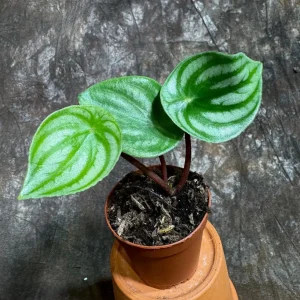
Sold 62 products
Original price was: $27.96.$13.98Current price is: $13.98.
Sold 61 products
Original price was: $119.90.$71.94Current price is: $71.94.
Sold 69 products
Original price was: $91.98.$45.99Current price is: $45.99.
Sold 74 products
Original price was: $9.96.$4.98Current price is: $4.98.
Sold 52 products
From $79.80
Sold 76 products
From $10.99
Sold 51 products
Original price was: $33.99.$13.99Current price is: $13.99.
Sold 79 products
Original price was: $30.69.$20.46Current price is: $20.46.





%20–%20Pink%20Flowering%20Native&url=https://gardennursery.net/product/20-eastern-redbud-tree-seeds-cercis-canadensis-pink-flowering-native/&media=https://img.gardennursery.net/2026/01/20-eastern-redbud-tree-seeds-cercis-canadensis-pin-686016cd.webp)


Reviews
There are no reviews yet.