
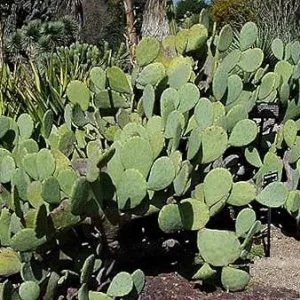
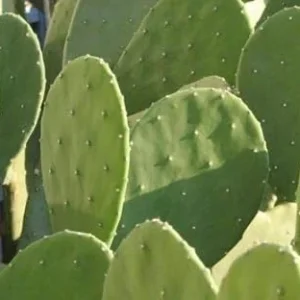
Thornless Prickly Pear Live Plant – Potted Succulent for Indoor/Outdoor
Original price was: $26.54.$23.08Current price is: $23.08.
Discover the beauty of a thornless prickly pear live plant, a unique and easy-to-grow succulent. Perfect for adding a touch of desert elegance to your indoor spaces or outdoor garden, this plant is known for its distinctive pads and low-maintenance nature.
-
USDA Hardiness Zone
USDA zones 9-11 -
Soil Type
Well-draining cactus or succulent mix -
Sunlight Exposure
Full sun (6-8+ hours direct light) -
Expected Planting Period
Spring to early summer outdoors; year-round indoors

You can track your order HERE
Sep 21
Sep 26 - Sep 28
Oct 01 - Oct 05
Shipping and return policies: Our Alive & Thrive Guarantee covers issues with your plants within the first 30 days. Reach out to us. Our team will answer your questions and help you find the plants that are truly suitable for your environment, climate, and personal preferences.

Overview
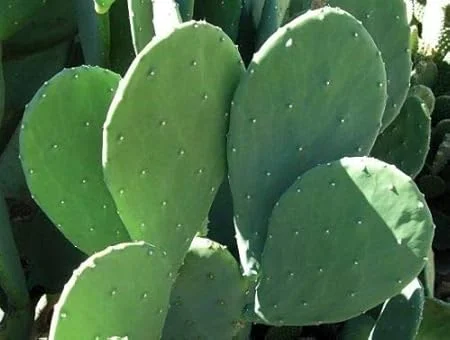
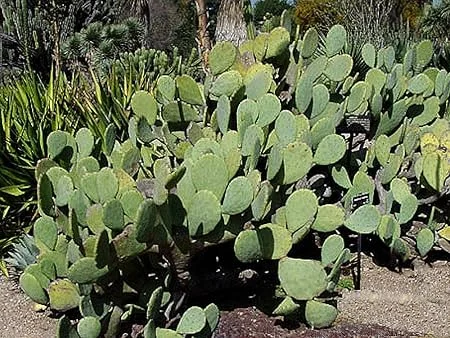
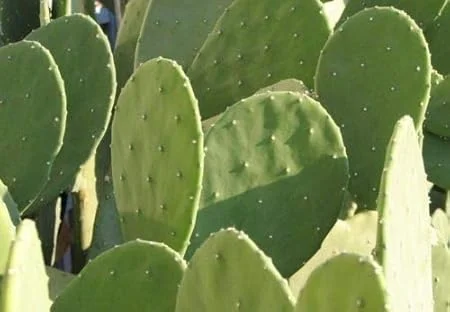
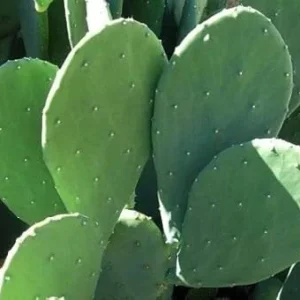
The thornless prickly pear live plant, scientifically known as Opuntia ficus-indica ‘Burbank Spineless,’ is a remarkable succulent that brings the iconic beauty of the desert right to your home or garden. Unlike its thorny cousins, this cultivated variety offers all the charm without the prickly defenses, making it a joy to handle and maintain. This versatile live plant is celebrated for its broad, paddle-like pads, which are not only visually appealing but also edible when properly prepared. It’s an excellent choice for both experienced gardeners and beginners looking for a distinctive, low-maintenance addition to their plant collection. Whether you’re aiming for a xeriscape garden, a unique patio accent, or an intriguing indoor specimen, the thornless prickly pear live plant promises to deliver a touch of the arid landscape’s allure.
Originating from arid and semi-arid regions, the thornless prickly pear live plant has adapted to thrive in challenging conditions, making it incredibly resilient. Its striking form and ease of care contribute to its growing popularity among plant enthusiasts in the US. This plant is not only ornamental but can also produce edible ‘pads’ (nopales) and fruits (tunas) under ideal growing conditions, offering a unique culinary experience. Embrace the exotic appeal and practical benefits of this wonderful succulent.
Key Benefits
Bringing a thornless prickly pear live plant into your space offers numerous advantages, from its aesthetic appeal to its remarkable hardiness. This succulent is more than just a pretty face; it’s a testament to nature’s adaptability and an easy-care companion for any plant lover.
- Low Maintenance & Drought Tolerant: The thornless prickly pear live plant is incredibly forgiving, requiring minimal watering and thriving on neglect. It’s an ideal choice for busy individuals or those new to gardening, making it a truly drought tolerant plant.
- Unique Aesthetic Appeal: Its distinctive paddle-shaped pads create an architectural statement, adding a modern and exotic touch to any indoor or outdoor setting. It stands out from typical houseplants.
- Edible Pads & Fruits: Under proper conditions, the young pads (nopales) and fruits (tunas) of the spineless prickly pear are edible and can be used in a variety of culinary dishes, offering a unique garden-to-table experience.
- Air Purification: Like many succulents, the prickly pear can help improve indoor air quality by absorbing toxins and releasing oxygen, contributing to a healthier living environment.
- Versatile Placement: Suitable for both indoor container growing in bright spots and outdoor garden beds in warmer climates, offering flexibility in how you enjoy this plant.
- Pest Resistant: Generally robust, the thornless prickly pear live plant is less susceptible to common pests, reducing the need for constant monitoring and treatment.
- Conversation Starter: Its unusual appearance and thornless nature make it a fascinating plant that will undoubtedly spark curiosity and conversation among guests.
Plant Care & Growing Tips
Caring for your thornless prickly pear live plant is straightforward, thanks to its resilient nature. For optimal growth, provide it with plenty of sunlight. It thrives in full sun, meaning at least 6-8 hours of direct sunlight per day. If grown indoors, place it near a south-facing window or under a grow light to ensure it gets adequate light. Insufficient light can lead to leggy growth and weakened pads. As a succulent live plant, it’s accustomed to arid conditions, so mimic its natural habitat as much as possible.
Watering is perhaps the most critical aspect of prickly pear care. Allow the soil to dry out completely between waterings. Overwatering is the most common cause of problems, leading to root rot. During the growing season (spring and summer), water thoroughly but infrequently. In fall and winter, reduce watering significantly, perhaps once a month or even less, depending on humidity and temperature. The ideal soil for a thornless prickly pear live plant is a well-draining cactus or succulent mix, or a sandy loam if planting outdoors. Ensure pots have drainage holes to prevent water from sitting at the roots. This plant is well-suited for warm climates and is typically hardy in USDA zones 9-11, though it can be grown as an annual or brought indoors in colder regions. Fertilize sparingly with a balanced, low-nitrogen fertilizer specifically formulated for cacti and succulents, once or twice during the growing season. Propagation is easy from pad cuttings, allowing you to expand your collection or share with friends. Keep an eye out for mealybugs or scale, though they are generally not a major issue for this robust plant.
Size & Details
This thornless prickly pear live plant typically ships as a rooted cutting or a small potted plant, ready to establish itself in your chosen location. Young plants usually stand between 4-8 inches tall, with the potential to grow significantly larger over time, reaching heights of up to 6-10 feet and a similar spread in ideal outdoor conditions. When grown in containers, its size can be managed through pruning. The growth rate is moderate, with new pads emerging throughout the warmer months. Expect your plant to produce its characteristic flat, green pads, which can develop a reddish tint in strong sunlight or cooler temperatures. While mature plants can produce edible fruits, this usually occurs after several years of growth and depends heavily on environmental conditions. It’s a wonderful journey to watch this Opuntia ficus-indica mature and flourish.
Frequently Asked Questions
- Q: How big does a thornless prickly pear live plant get? A: In ideal outdoor conditions, a thornless prickly pear live plant can grow quite large, reaching up to 6-10 feet tall and wide. When grown in a container, its size is much more manageable and can be controlled with pruning.
- Q: Is this an indoor or outdoor plant? A: The thornless prickly pear live plant is highly versatile. It can thrive outdoors in USDA zones 9-11 year-round. In colder climates, it makes an excellent indoor succulent, provided it receives ample sunlight.
- Q: How much sunlight does it need? A: This plant requires abundant sunlight. For best growth, provide at least 6-8 hours of direct sun daily. Indoors, place it in the brightest possible location, such as a south-facing window.
- Q: Is this plant easy to care for? A: Yes, the thornless prickly pear live plant is considered very easy to care for. Its drought-tolerant nature and minimal watering requirements make it suitable for beginners and busy individuals alike.
- Q: What condition will it arrive in? A: Your succulent live plant will arrive as a healthy, well-rooted cutting or a young plant in a nursery pot, carefully packaged to ensure its safety during transit.
- Q: Can I eat the pads and fruits of this spineless prickly pear? A: Yes, the young pads (nopales) and fruits (tunas) of the spineless prickly pear are edible. They are a common ingredient in Mexican cuisine, but ensure they are properly prepared before consumption.
- Q: What kind of soil is best for this plant? A: This plant thrives in well-draining soil. A specialized cactus and succulent potting mix is ideal, or you can amend regular potting soil with perlite or sand to improve drainage.
- Q: How often should I water my thornless prickly pear? A: Water only when the soil has completely dried out. During the summer, this might be every 2-4 weeks, and even less frequently in winter, sometimes only once a month or every other month.
- Q: Is this plant pet-safe? A: While the plant is thornless, it’s always best to keep plants out of reach of pets, as ingestion of plant material can sometimes cause mild digestive upset.
- Q: What’s the minimum temperature this plant can tolerate? A: The thornless prickly pear live plant is cold hardy down to about 20°F (-6°C) for short periods. In areas with colder winters, it should be brought indoors or provided with protection.
Be the first to review “Thornless Prickly Pear Live Plant – Potted Succulent for Indoor/Outdoor”
People Also Viewed
Sold 68 products
Original price was: $399.80.$199.90Current price is: $199.90.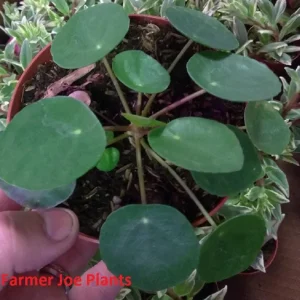
Sold 98 products
Original price was: $28.58.$15.99Current price is: $15.99.
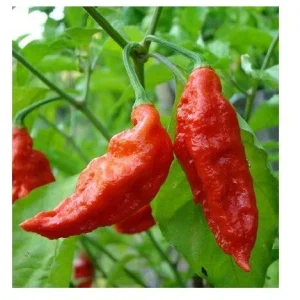
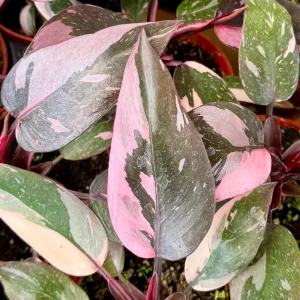
Sold 90 products
Original price was: $54.98.$38.48Current price is: $38.48.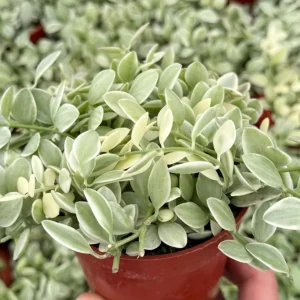
HousePlants
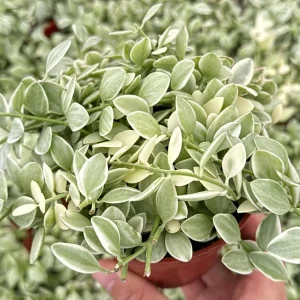
Variegated Dischidia Cascade Live Plant – Trailing Succulent, 3 Inch Pot, Indoor Vining Plant
Sold 62 products
Original price was: $55.99.$40.99Current price is: $40.99.
Sold 56 products
Original price was: $31.96.$15.98Current price is: $15.98.
Sold 78 products
Original price was: $39.58.$27.70Current price is: $27.70.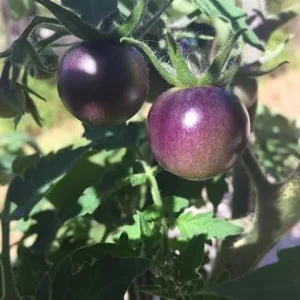
Vegetables
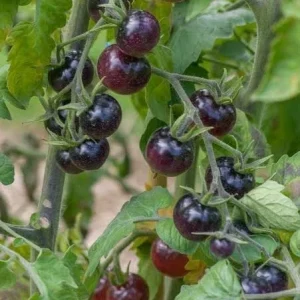
Blue Berries Tomato Live Plant Seedlings – Set of 3, 4-7 inch Rare Variety for Outdoor Gardening
Sold 70 products
$62.59
Sold 86 products
Original price was: $115.80.$57.90Current price is: $57.90.
Sold 78 products
Original price was: $63.96.$31.98Current price is: $31.98.
Sold 69 products
From $55.80
Sold 51 products
Original price was: $41.56.$20.78Current price is: $20.78.
Sold 65 products
Original price was: $39.58.$27.70Current price is: $27.70.
Sold 86 products
Original price was: $191.96.$95.98Current price is: $95.98.
HousePlants
Sold 77 products
Original price was: $158.10.$94.86Current price is: $94.86.
Sold 61 products
Original price was: $35.18.$24.62Current price is: $24.62.
Sold 96 products
Original price was: $54.99.$39.99Current price is: $39.99.
Sold 96 products
$109.90





Reviews
There are no reviews yet.