
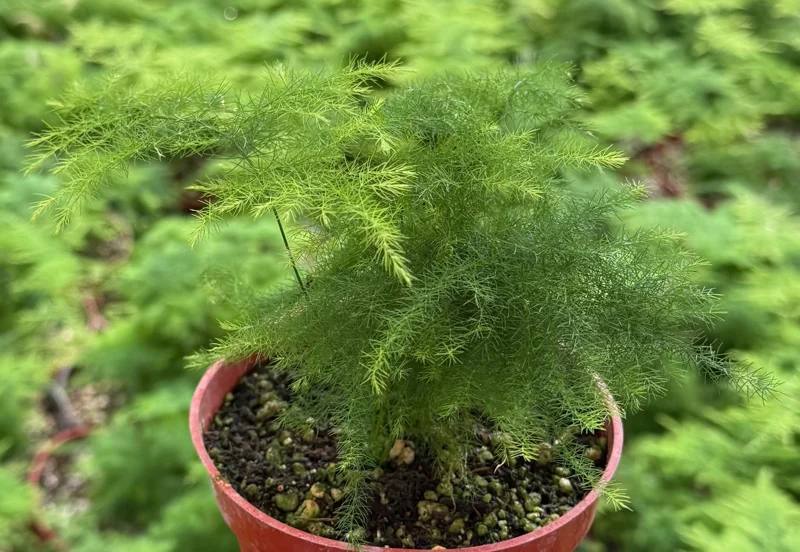
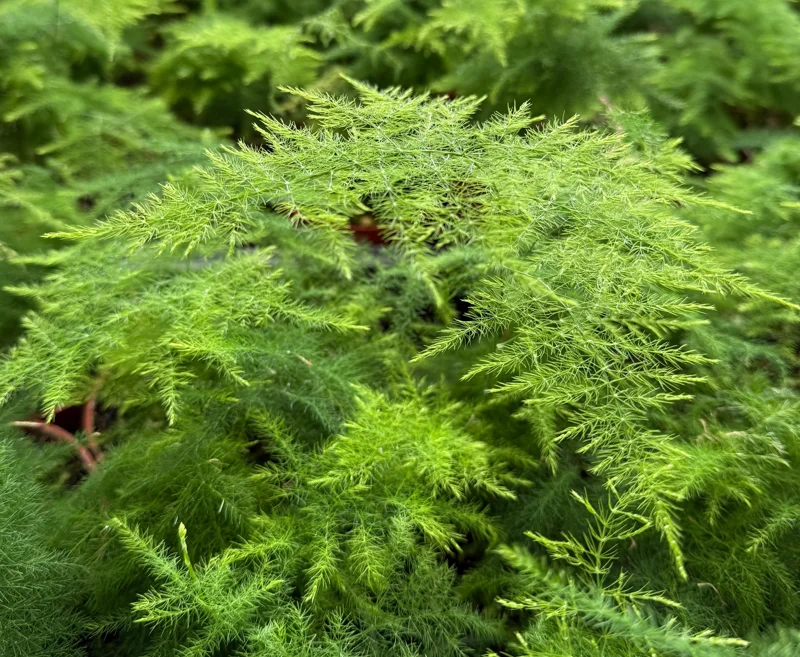
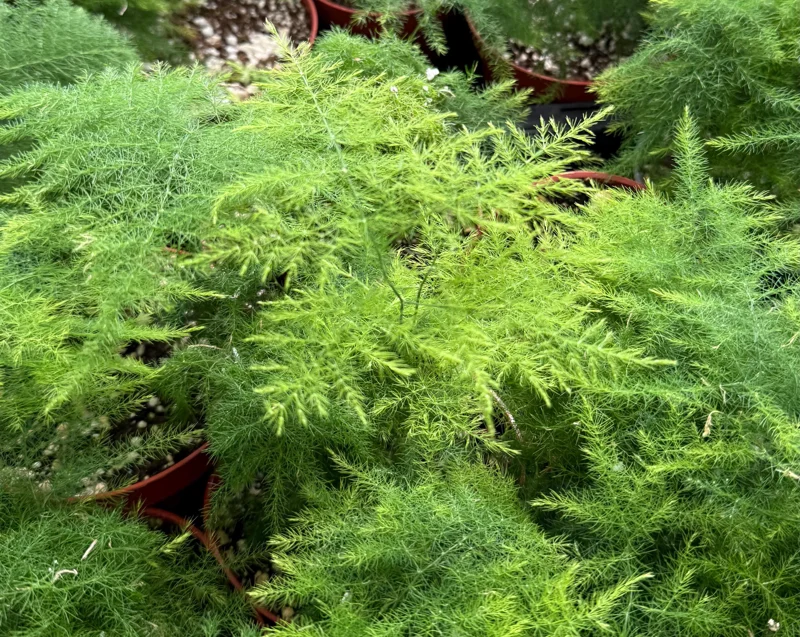
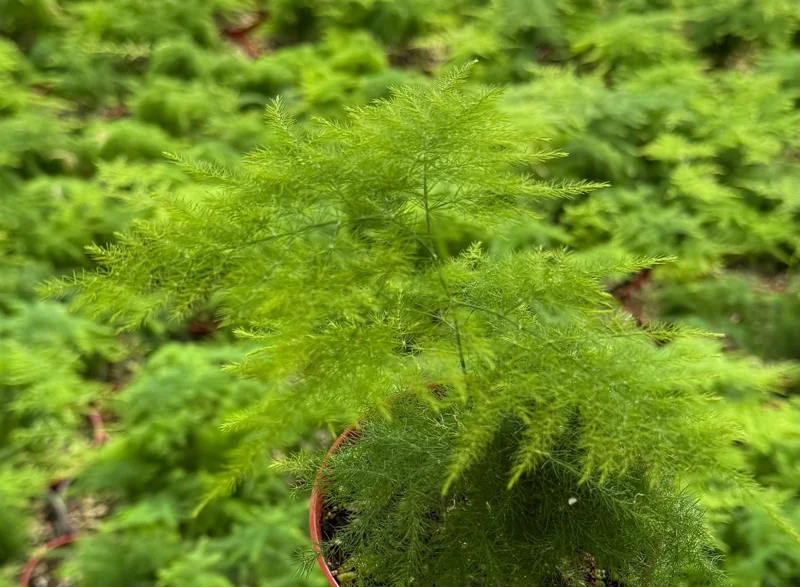
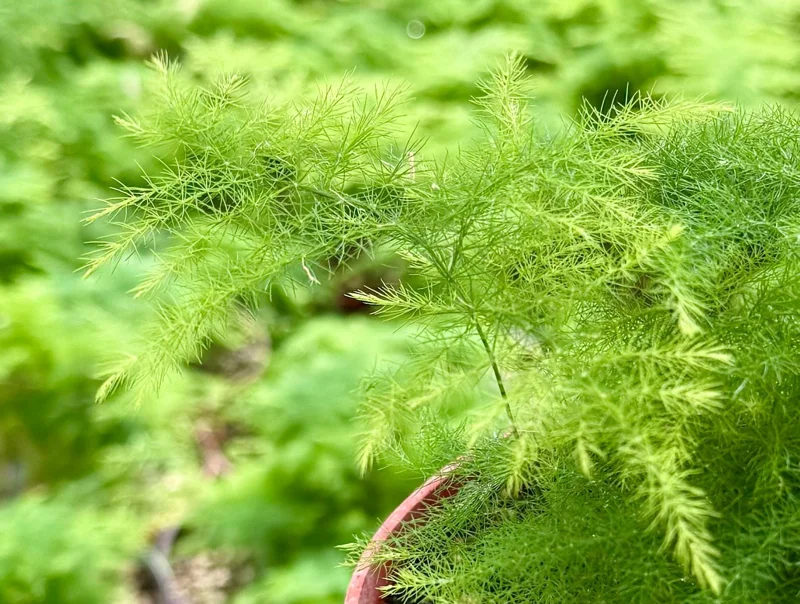
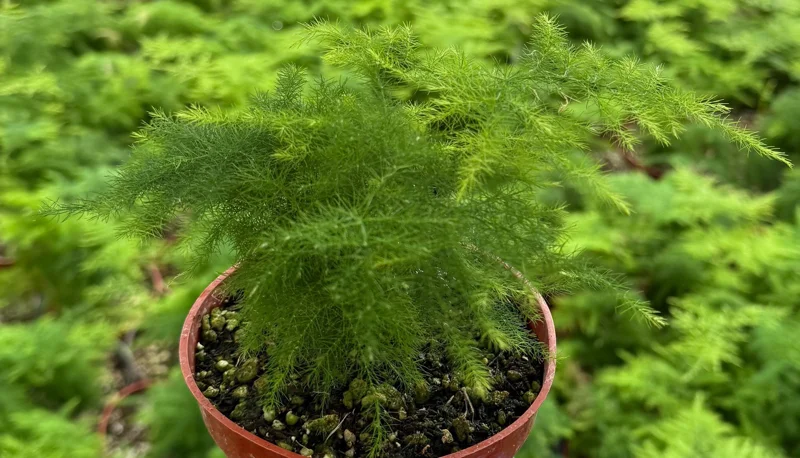
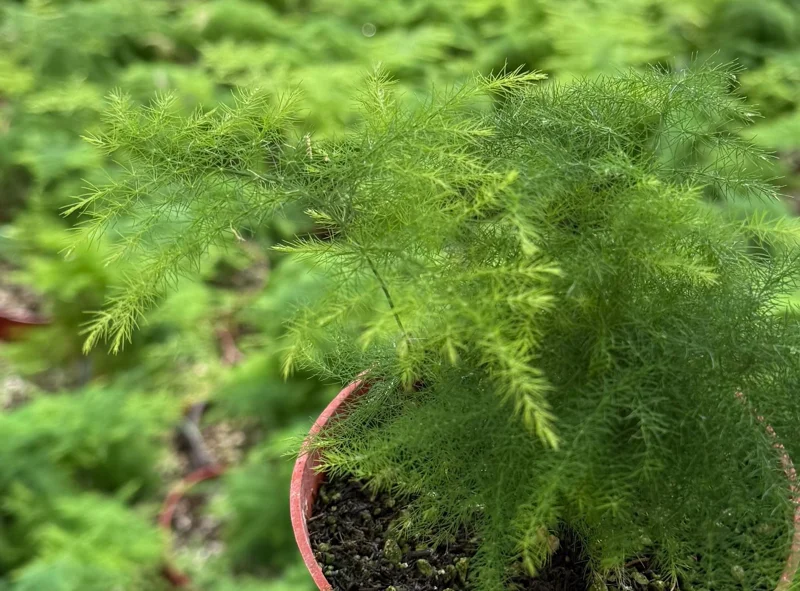
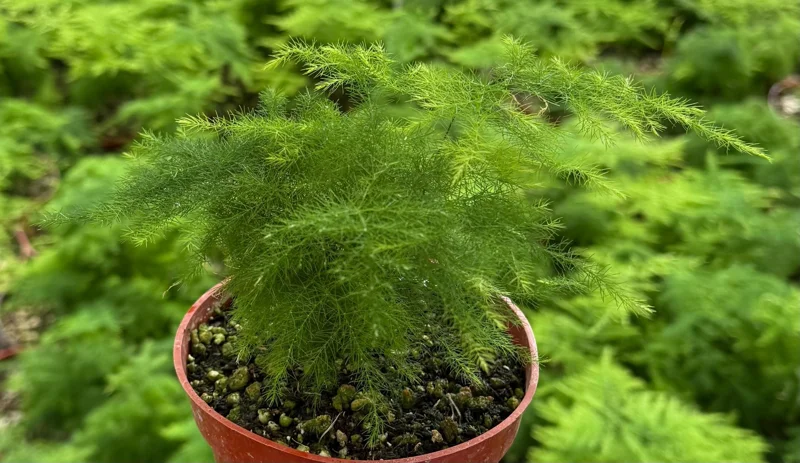
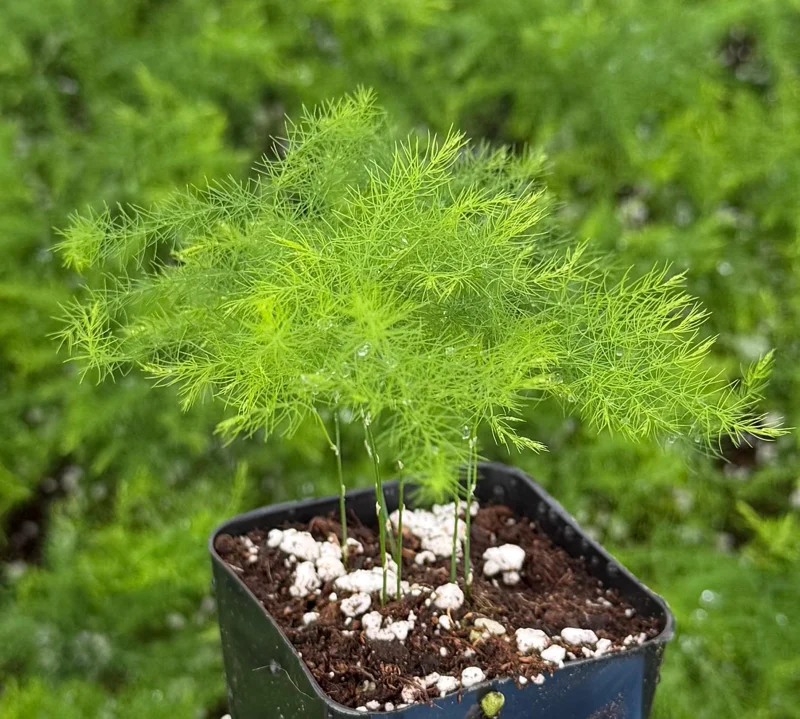
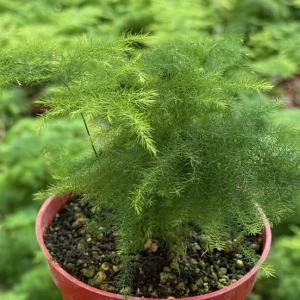
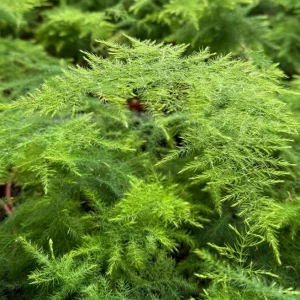
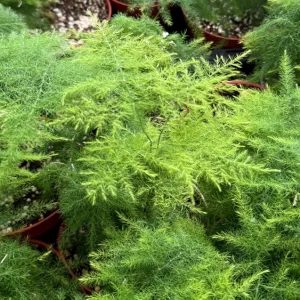
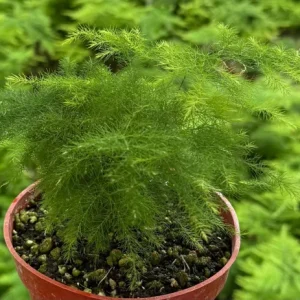
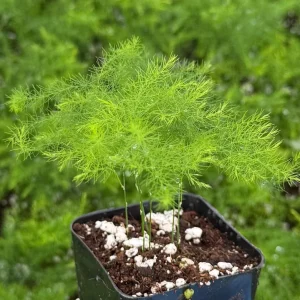
Asparagus Fern Live Plant – Delicate Foliage – 4 inch Pot – Indoor Houseplant
From $10.76
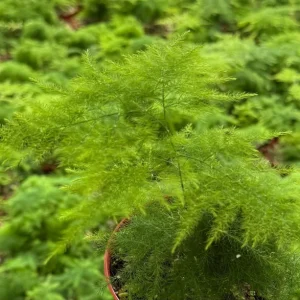
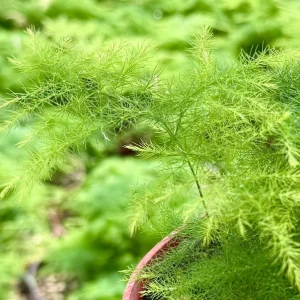
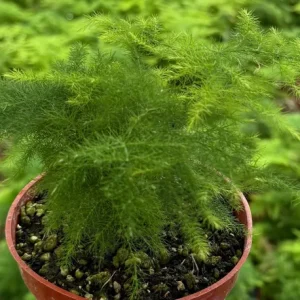
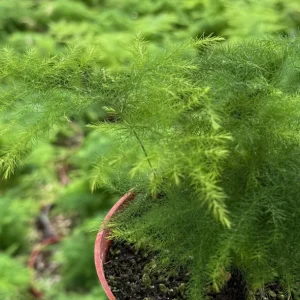
Bring delicate elegance to your home with the asparagus fern live plant. This beautiful indoor plant, often called lace fern, features airy, fern-like foliage that cascades gracefully from hanging baskets or trails from shelves. It’s an easy-care houseplant that thrives in bright, indirect light, adding a touch of natural beauty to any room.
-
USDA Hardiness Zone
USDA zones 9-11 (outdoors); commonly grown indoors -
Soil Type
Well-draining potting mix -
Sunlight Exposure
Bright, indirect light -
Expected Planting Period
Year-round indoors

You can track your order HERE
Oct 14
Oct 19 - Oct 21
Oct 24 - Oct 28
Shipping and return policies: Our Alive & Thrive Guarantee covers issues with your plants within the first 30 days. Reach out to us. Our team will answer your questions and help you find the plants that are truly suitable for your environment, climate, and personal preferences.

Overview
The asparagus fern live plant, despite its common name, is not a true fern but a charming member of the Asparagaceae family, related to the edible garden asparagus. Known for its delicate, feathery foliage, this plant adds a unique texture and lush green appeal to any indoor setting. Its airy appearance, often mistaken for soft fern fronds, is actually composed of modified stems called cladodes. This fast-growing plant can exhibit various growth habits, from trailing beautifully in hanging baskets to forming upright clumps, making it versatile for different decor styles. Commonly referred to as lace fern plant or climbing asparagus, it’s a popular choice for those seeking an elegant and relatively low-maintenance houseplant. While primarily grown for its ornamental foliage, small white flowers may occasionally appear, sometimes followed by decorative red berries, enhancing its charm. The captivating beauty and adaptable nature of the asparagus fern live plant make it a delightful addition to both novice and experienced plant enthusiasts’ collections.
There are several popular asparagus fern varieties, including Asparagus setaceus (lace fern) and Asparagus densiflorus (which encompasses foxtail and sprenger’s asparagus fern). Each variety offers slightly different foliage textures and growth patterns, but all share the characteristic delicate, cloud-like appearance. These plants are celebrated for their ability to bring a touch of the outdoors inside, creating a serene and inviting atmosphere. Whether you’re looking to enhance a bright corner or add greenery to a bathroom, the asparagus fern live plant provides year-round beauty with its vibrant green hues and intricate leaf structure. Its resilience and striking visual appeal ensure it remains a beloved choice for interior plantscaping.
Key Benefits
The asparagus fern live plant offers a multitude of benefits that make it an excellent choice for any home or office environment. Its unique aesthetic and relatively easy care requirements contribute to its popularity as an indoor plant.
- Elegant Decorative Appeal: The delicate, airy foliage of the asparagus fern live plant creates a soft, ethereal look that enhances any room. Its feathery fronds can cascade gracefully, making it ideal for hanging baskets, high shelves, or as a vibrant filler in mixed plant arrangements, adding a touch of natural elegance.
- Versatile Growth Habits: Depending on the variety and care, this plant can trail, climb, or form upright clumps. This adaptability allows it to be used in various decorative contexts, from providing a lush backdrop to acting as a focal point in your plant collection.
- Air-Purifying Qualities: Like many houseplants, the asparagus fern live plant contributes to a healthier indoor environment by helping to filter airborne toxins and improve air quality. It’s a natural way to enhance the freshness of your living spaces.
- Relatively Low Maintenance: While it appreciates consistent moisture and humidity, the asparagus fern care routine is generally straightforward, making it suitable for those new to houseplants. With proper light and watering, it thrives beautifully without demanding excessive attention.
- Fast Growing and Lush: This plant is known for its relatively fast growth rate, quickly filling out its space with abundant, vibrant green foliage. This rapid growth means you can enjoy a full, lush plant in a shorter amount of time, providing instant visual impact.
- Adds Texture and Softness: The fine, needle-like leaves of the lace fern plant offer a unique textural contrast to broader-leaved plants, adding depth and interest to your indoor garden. Its soft appearance can soften harsh lines in decor.
- Potential for Flowers and Berries: Although grown primarily for its foliage, mature plants may produce small white flowers followed by attractive red berries. These add an unexpected touch of color and interest, especially during the colder months.
Plant Care & Growing Tips
Proper asparagus fern care is essential for maintaining its lush, delicate appearance. This plant thrives in conditions that mimic its natural subtropical habitat. For optimal growth, place your asparagus fern live plant in an area that receives bright, indirect light. Direct, harsh sunlight can scorch its delicate foliage, leading to yellowing or browning. An east or north-facing window is often ideal, or a spot a few feet away from a south or west-facing window. If the light is too low, the plant may become leggy and sparse. Consistent moisture is key; the soil should be kept consistently moist but never waterlogged. Allow the top inch of soil to dry out slightly between waterings, but avoid letting the plant become completely dry, as this can cause foliage to drop. Overwatering can lead to root rot, so ensuring good drainage is crucial.
Humidity is another vital factor for a thriving asparagus fern live plant. These plants prefer higher humidity levels, making them excellent choices for bathrooms or kitchens. If your home’s air is dry, consider misting the plant regularly, placing it near a humidifier, or setting its pot on a pebble tray filled with water. The ideal temperature range for asparagus fern care is between 65-75°F (18-24°C). Avoid exposing the plant to sudden temperature fluctuations or cold drafts. For soil, a well-draining potting mix that retains some moisture is perfect. A mix designed for houseplants or ferns, often including peat moss, perlite, and pine bark, works well. Fertilize your foxtail fern indoor plant every 2-4 weeks during the growing season (spring and summer) with a balanced liquid fertilizer diluted to half strength. Reduce or stop fertilizing during fall and winter when growth slows. Pruning can be done to maintain shape and remove any yellow or brown fronds, encouraging bushier growth. Watch out for common pests like spider mites and mealybugs, especially in dry conditions; treat with insecticidal soap if needed. Understanding the specific needs of different asparagus fern varieties can further refine your care routine, ensuring a healthy and vibrant plant.
Size & Details
This asparagus fern live plant is delivered in a 4-inch nursery pot, providing a healthy starter plant ready for your home. While its exact height can vary upon arrival, it typically measures between 6-10 inches tall from the base of the pot to the top of the foliage, offering a compact yet impactful presence. The plant is known for its fast growth rate, and with proper asparagus fern care, it can quickly develop into a lush specimen. Depending on the variety, it can trail several feet when mature, making it ideal for hanging baskets, or form a bushy mound up to 2 feet wide. It is shipped as a well-rooted, healthy plant, carefully packaged to ensure safe arrival. The delicate foliage will mature over time, creating a dense, airy display. Expect a vigorous plant that, given the right conditions, will continue to grow and flourish, providing long-lasting beauty.
The lace fern plant is typically grown as an indoor houseplant in most climates, though it can be moved outdoors to a shaded spot during warm summer months in USDA zones 9-11. It will arrive in a plastic nursery pot, which is suitable for initial growth but can be repotted into a decorative container of your choice upon arrival. The plant’s mature size and spread will depend on its growing conditions and whether it is allowed to trail or is pruned to maintain a more upright form. Its adaptability makes it a versatile choice for various placements within your home, from tabletops to hanging displays, allowing its feathery foliage to be fully admired.
Frequently Asked Questions
- Q: How big does this asparagus fern live plant get? A: This plant is shipped in a 4-inch pot and typically arrives 6-10 inches tall. With proper care, it’s a fast grower and can trail several feet or form a bushy mound up to 2 feet wide, depending on the variety and growing conditions.
- Q: Is this an indoor or outdoor plant? A: The asparagus fern live plant is most commonly kept as an indoor plant due to its preference for consistent temperatures and humidity. It is hardy outdoors in USDA zones 9-11 but is generally used as a houseplant or an annual in colder climates.
- Q: How much sunlight does my asparagus fern live plant need? A: This plant thrives in bright, indirect light. Avoid direct sunlight, which can scorch its delicate fronds. An east or north-facing window is ideal, or a spot a few feet away from a brighter window.
- Q: Is this plant easy to care for? Is it good for beginners? A: Yes, asparagus fern care is relatively straightforward, making it a good choice for beginners. It primarily requires consistent moisture, high humidity, and bright, indirect light to flourish.
- Q: What condition will the lace fern plant arrive in? A: Your plant will arrive as a healthy, well-rooted specimen in a 4-inch nursery pot, carefully packaged to minimize stress during transit and ensure it reaches you in excellent condition.
- Q: Can I use this foxtail fern indoor plant in hanging baskets? A: Absolutely! The trailing nature of many asparagus fern varieties makes them perfect for hanging baskets, allowing their feathery foliage to cascade beautifully and create a stunning visual display.
- Q: How often should I water my asparagus fern live plant? A: Water when the top inch of soil feels dry to the touch. Keep the soil consistently moist but never soggy. Ensure the pot has good drainage to prevent root rot.
- Q: What are the main differences between asparagus fern varieties? A: While all share delicate foliage, varieties like Asparagus setaceus (lace fern) tend to have very fine, airy fronds and a more trailing habit, whereas Asparagus densiflorus (foxtail or sprenger’s fern) often has denser, more upright growth or a more plume-like appearance.
- Q: Will my asparagus fern live plant produce flowers or berries? A: Mature plants may produce small, inconspicuous white flowers, sometimes followed by decorative red berries. These are an added bonus, as the plant is primarily grown for its attractive foliage.
- Q: What kind of soil is best for asparagus fern care? A: A well-draining potting mix that retains some moisture is ideal. A standard houseplant mix amended with perlite or peat moss would work well to ensure both drainage and moisture retention.
| Pot Size | 2" Pot, 4" Pot, 6" Pot |
|---|
Be the first to review “Asparagus Fern Live Plant – Delicate Foliage – 4 inch Pot – Indoor Houseplant”
People Also Viewed

Sold 77 products
Original price was: $143.80.$51.90Current price is: $51.90.
HousePlants
Set of 2 Black Velvet Alocasia Live Plants – Alocasia Reginula – 4-6″ Tall Indoor Houseplant
Sold 50 products
Original price was: $120.36.$60.18Current price is: $60.18.

Sold 63 products
Original price was: $89.56.$44.78Current price is: $44.78.





Reviews
There are no reviews yet.