
4 inch Red Spring Cactus Live Plant – Rhipsalidopsis Succulent Indoor
Original price was: $143.80.$51.90Current price is: $51.90.
Bring vibrant color to your indoor space with this red spring cactus live plant. This 4-inch Rhipsalidopsis succulent offers stunning red blooms typically in spring, features a unique trailing form, and is an easy care cactus perfect for beginners. Pet-friendly and adaptable, it’s an ideal addition to any home.
-
USDA Hardiness Zone
USDA zones 10-11 (typically grown indoors) -
Soil Type
Well-draining potting mix with perlite/orchid bark -
Sunlight Exposure
Bright, indirect light -
Expected Planting Period
Year-round indoors

You can track your order HERE
Oct 13
Oct 18 - Oct 20
Oct 23 - Oct 27
Shipping and return policies: Our Alive & Thrive Guarantee covers issues with your plants within the first 30 days. Reach out to us. Our team will answer your questions and help you find the plants that are truly suitable for your environment, climate, and personal preferences.

Overview
Introduce a burst of vibrant color and unique charm to your indoor plant collection with the exquisite red spring cactus live plant. Known botanically as Rhipsalidopsis, this beautiful succulent is a true gem, especially when its striking red blooms appear. Unlike its desert-dwelling cousins, this Rhipsalidopsis succulent is an epiphytic cactus, meaning it naturally grows on other plants in its native rainforest habitats rather than in soil. This particular variety is celebrated for its ease of care and dazzling floral display, making it a favorite among both seasoned plant collectors and beginners. Our 4 inch specimen arrives healthy and ready to thrive in your home, adding an instant touch of natural beauty and elegance to any room.
The Rhipsalidopsis genus, often confused with Schlumbergera (Christmas Cactus) and Hatiora (Easter Cactus), is distinguished by its unique flower shape and blooming period. This particular red spring cactus live plant promises a spectacular show of vibrant red flowers, typically appearing in spring, hence its common name. Its segmented, flattened stems create an attractive, trailing or bushy form even when not in bloom, providing year-round visual interest. Perfect for hanging baskets, shelves, or as a desk companion, this red holiday cactus is a versatile and rewarding addition to any indoor garden.
Key Benefits
The red spring cactus live plant offers numerous benefits, making it an excellent choice for enhancing your living space. Its unique characteristics contribute to both aesthetic appeal and ease of care, ensuring a delightful experience for its owner.
- Stunning Spring Blooms: Experience a spectacular display of vibrant red flowers, typically in spring, that can last for several weeks. These cheerful blooms add a pop of color and life to your home during a time when many other plants are just beginning to awaken. The sheer abundance of flowers on a mature red spring cactus live plant is truly breathtaking.
- Low Maintenance: This Rhipsalidopsis succulent is surprisingly easy to care for, requiring less frequent watering than many other houseplants. Its forgiving nature makes it an ideal choice for busy individuals or those new to plant care, allowing you to enjoy its beauty without constant fuss. It’s truly an easy care cactus.
- Adaptable Indoor Plant: Thrives in typical household environments, making it perfect for various indoor settings such as living rooms, offices, or bedrooms. It can adapt to different light conditions, as long as direct, harsh sunlight is avoided.
- Unique Growth Habit: Its segmented, flattened stems create an attractive, cascading form, making it an excellent candidate for hanging baskets or elevated planters. This unique structure provides architectural interest even when the plant is not flowering.
- Air Purifying Qualities: Like many houseplants, the red spring cactus live plant contributes to a healthier indoor environment by helping to filter airborne toxins and improve air quality. Enjoy not just its beauty, but also the cleaner air it helps provide.
- Long Lifespan: With proper care, a Rhipsalidopsis succulent can live for many years, becoming a cherished part of your home decor. It’s a plant that grows with you, offering beauty season after season.
- Pet-Friendly: Generally considered non-toxic to pets, making it a safer option for homes with curious cats and dogs. Always supervise pets, but this plant is a more pet-friendly choice than many common houseplants.
Plant Care & Growing Tips
Caring for your red spring cactus live plant is straightforward, and with a few key considerations, it will flourish and reward you with beautiful blooms. Understanding its natural habitat as an epiphytic plant, which grows on trees in rainforests, helps in providing the best care. This Rhipsalidopsis succulent prefers conditions that mimic its tropical origins rather than a dry desert environment. For optimal spring cactus care, follow these guidelines.
Sunlight Requirements: Provide bright, indirect light. An east-facing window is often ideal, offering gentle morning sun. Avoid direct, harsh afternoon sunlight, especially in warmer months, as this can scorch the delicate stems and leaves, leading to a reddish discoloration or even burning. If kept outdoors during summer, ensure it is placed in a shaded or partially shaded location. Insufficient light can result in fewer blooms, while too much direct light can damage the plant. For optimal blooming, ensure it receives adequate light during its growing season.
Watering Schedule and Soil Moisture: Water thoroughly when the top inch or two of soil feels dry to the touch. Allow excess water to drain completely from the pot. This red spring cactus live plant prefers consistently moist, but not waterlogged, soil during its active growing and blooming periods. Reduce watering significantly during its dormancy period after flowering, typically in summer, allowing the soil to dry out more between waterings. Overwatering is a common cause of root rot, so ensure good drainage. The 4 inch spring cactus in its nursery pot will need more frequent watering than a larger plant in a bigger pot.
Soil Type and Drainage: Use a well-draining potting mix. A good blend for this Rhipsalidopsis succulent would be a mixture of regular potting soil, perlite, and orchid bark or coco coir. This mimics its natural environment, providing aeration and drainage while retaining some moisture. The pot must have drainage holes to prevent water from sitting at the bottom and causing root issues.
Temperature Range and USDA Hardiness Zone: Ideal temperatures range from 60-75°F (15-24°C). This plant is not frost-hardy and should be protected from temperatures below 50°F (10°C). It is typically grown as an indoor plant in most climates. For outdoor growing in USDA zones, it would only be suitable in very warm, frost-free regions, generally USDA zones 10-11. A cool period (around 50-55°F / 10-13°C) for 6-8 weeks in late fall/early winter, coupled with reduced watering, can help stimulate bud formation for a more prolific spring bloom. This contributes to a vibrant red holiday cactus display.
Fertilization Schedule and Type: Fertilize every 2-4 weeks during the active growing season (spring through early fall) with a balanced liquid fertilizer diluted to half strength. Reduce or cease fertilization during the dormancy period after flowering. A fertilizer higher in potassium can encourage more abundant blooms. Avoid over-fertilizing, as this can lead to salt buildup in the soil and harm the plant. This care will ensure your easy care cactus continues to thrive.
Common Problems and Solutions: Watch out for common pests like mealybugs and spider mites, which can be treated with insecticidal soap. Yellowing stems can indicate overwatering or nutrient deficiency. If stems appear shriveled, it’s usually a sign of underwatering. Lack of blooms can be due to insufficient light, lack of a cool dormant period, or improper fertilization. Adjusting care routines based on these signs will help maintain a healthy red spring cactus live plant.
Size & Details
This offering is for a vibrant red spring cactus live plant, shipped in a 4 inch diameter nursery pot. At the time of shipping, the plant typically stands approximately 4-6 inches tall from the soil line, with a spread that will continue to fill out as it grows. Its segmented stems will naturally cascade over the edges of the pot, creating an attractive display. This 4 inch spring cactus is a young, healthy specimen, ready to establish itself in its new home.
As an epiphytic Rhipsalidopsis succulent, its growth rate is moderate, and it can eventually develop into a much larger, impressive specimen with trailing stems several feet long over many years. Expect to see its characteristic red blooms in the spring, provided it receives appropriate care and a cool resting period during the preceding winter months. It ships as a well-rooted live plant, securely packaged to minimize stress during transit, ensuring it arrives in excellent condition and ready to thrive. This red holiday cactus will bring joy for seasons to come.
Frequently Asked Questions
- Q: How big does this plant get? A: This red spring cactus live plant is shipped in a 4 inch pot and is typically 4-6 inches tall. With proper care, its segmented stems can grow to several feet in length, creating a beautiful trailing or bushy display over many years.
- Q: What size pot does it come in? A: The red spring cactus live plant comes in a standard 4 inch diameter nursery pot, making it easy to place directly into a decorative planter or repot into a slightly larger container upon arrival. This is a perfect 4 inch spring cactus to start with.
- Q: Is this an indoor or outdoor plant? A: This Rhipsalidopsis succulent is primarily grown as an indoor houseplant due to its sensitivity to cold. It can be moved outdoors to a shaded location during warm summer months in suitable climates, but must be brought inside before temperatures drop below 50°F (10°C).
- Q: How much sunlight does it need? A: The red spring cactus live plant thrives in bright, indirect light. An east-facing window is often ideal. Avoid direct afternoon sun, which can scorch its delicate stems.
- Q: Is this plant easy to care for? A: Yes, this easy care cactus is considered low maintenance and is an excellent choice for both beginner and experienced plant enthusiasts. Its care requirements are straightforward, mainly focusing on proper watering and light for good spring cactus care.
- Q: What condition will it arrive in? A: Your red spring cactus live plant will arrive as a healthy, well-rooted specimen in its 4 inch nursery pot, carefully packaged to ensure minimal stress and damage during shipping.
- Q: When is the best time for it to bloom? A: This plant, often called a red holiday cactus, typically blooms in the spring. To encourage abundant flowering, it benefits from a cool, slightly drier resting period in late fall and early winter.
- Q: Is this plant pet-safe? A: The red spring cactus live plant is generally considered non-toxic to pets, making it a safer option for homes with cats and dogs. However, it’s always best to supervise pets around any houseplants.
- Q: What kind of soil is best for this succulent? A: A well-draining potting mix is crucial for this Rhipsalidopsis succulent. A mix designed for cacti and succulents, or a blend of regular potting soil with added perlite and orchid bark, works well.
- Q: How often should I water my spring cactus? A: Water your red spring cactus live plant when the top inch or two of soil feels dry. During its active growth and blooming periods, it prefers consistently moist soil, but never waterlogged. Reduce watering during its summer dormancy.
Be the first to review “4 inch Red Spring Cactus Live Plant – Rhipsalidopsis Succulent Indoor”
People Also Viewed
HousePlants
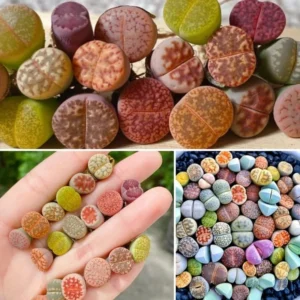
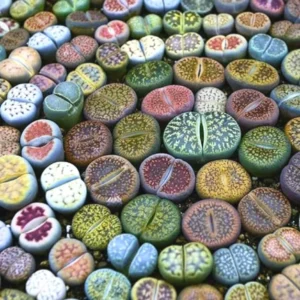
Lithops Live Plants Mix – 10 Large Colorful Living Stones Succulents for Indoor/Outdoor Growing
Sold 81 products
Original price was: $27.98.$13.99Current price is: $13.99.



Flower Plants
Royal Standard Hosta Bare Root Plant – Fragrant White Flowers, Sun Tolerant, Perennial
Sold 75 products
From $71.80







&url=https://gardennursery.net/product/red-mulberry-tree-5-bare-root-plants-12-24in-tall-morus-rubra/&media=https://img.gardennursery.net/2026/01/red-mulberry-tree-5-bare-root-plants-12-24in-tall-1024x1020.webp)


Reviews
There are no reviews yet.