
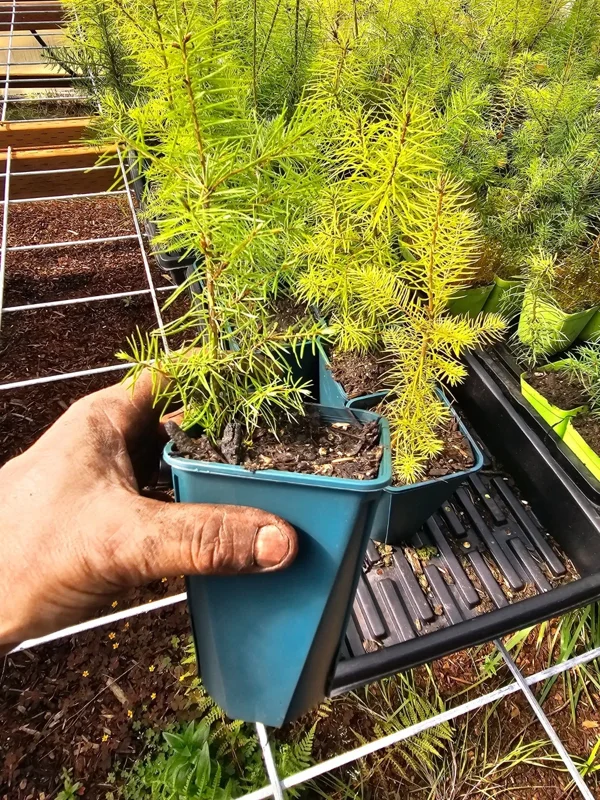
2-Pack Douglas Fir Live Plant Tree – Evergreen Conifer in 6 Inch Pot – Outdoor
Original price was: $84.00.$52.80Current price is: $52.80.
Bring natural grandeur to your garden with this 2-pack Douglas Fir live tree offering. Each robust evergreen conifer arrives thriving in a 6-inch pot, ready to establish itself in your outdoor landscape. Known for its stately form and resilient nature, the Douglas Fir live tree is a fantastic choice for creating windbreaks, privacy screens, or a majestic focal point in your yard.
-
USDA Hardiness Zone
USDA zones 4-6 -
Soil Type
Well-draining, slightly acidic to neutral loam -
Sunlight Exposure
Full sun to partial shade -
Expected Planting Period
Early spring or early fall

You can track your order HERE
Sep 25
Sep 30 - Oct 02
Oct 05 - Oct 09
Shipping and return policies: Our Alive & Thrive Guarantee covers issues with your plants within the first 30 days. Reach out to us. Our team will answer your questions and help you find the plants that are truly suitable for your environment, climate, and personal preferences.

Overview
Introduce the timeless beauty of the forest to your own backyard with this exceptional 2-pack Douglas Fir live tree offering. These magnificent evergreen conifers, known scientifically as Pseudotsuga menziesii, arrive as vigorous young plants, each growing robustly in its own 6-inch pot. The Douglas Fir live tree is celebrated for its rapid growth, symmetrical pyramidal shape, and soft, fragrant needles, making it a beloved choice for landscaping, reforestation, and even as a living Christmas tree. Originating from western North America, this iconic tree adapts well to various climates, offering year-round greenery and a touch of wilderness to any outdoor space. Whether you’re planning a new garden, establishing a privacy screen, or simply appreciating the beauty of nature, these young Douglas Firs are an excellent foundation for creating a lasting natural legacy on your property. They are ready to be transplanted and begin their journey to becoming impressive, mature specimens.
Key Benefits
Investing in a Douglas Fir live tree brings a multitude of benefits to your landscape and environment. These trees are not just visually appealing; they contribute significantly to ecological health and offer practical advantages for homeowners. From enhancing biodiversity to providing natural shelter, the Douglas Fir is a plant that truly gives back.
- Year-Round Greenery: As an evergreen, the Douglas Fir maintains its vibrant green foliage throughout all seasons, providing consistent color and life to your garden even in the depths of winter. This ensures continuous visual appeal and structure in your landscape design.
- Excellent Privacy & Windbreak: The dense foliage and rapid growth of the Douglas Fir make it an ideal choice for creating natural privacy screens or effective windbreaks. Planting a row of these trees can significantly reduce wind speeds and offer seclusion for your outdoor living areas.
- Habitat for Wildlife: Mature Douglas Firs provide essential shelter and food sources for various birds and small mammals, contributing to local biodiversity. Their cones offer sustenance, and their branches provide nesting sites and protection from predators.
- Aromatic Fragrance: The needles of the evergreen conifer release a pleasant, fresh, piney scent, especially when brushed or warmed by the sun. This natural aroma can enhance the sensory experience of your garden.
- Low Maintenance Once Established: While requiring consistent care in their early years, established Douglas Fir trees are remarkably self-sufficient. They are generally drought-tolerant and disease-resistant, requiring minimal intervention once mature.
- Versatile Landscaping Use: Whether used as a majestic specimen tree, part of a mixed border, or in a naturalized woodland setting, the Douglas Fir fits seamlessly into various landscape designs, adding height, texture, and grandeur.
- Potential for Future Timber: For those with larger properties and a long-term vision, the Douglas Fir is also a valuable timber tree, known for its strong and durable wood.
Plant Care & Growing Tips
Caring for your young Douglas Fir live tree is crucial for its successful establishment and long-term health. While relatively hardy, providing the right conditions from the start will ensure your trees thrive and grow into magnificent specimens. Understanding the specific needs of this evergreen conifer will help you cultivate a robust and beautiful addition to your landscape.
When it comes to sunlight, the Douglas Fir prefers full sun to partial shade. For optimal growth and density, aim for at least 6 hours of direct sunlight per day. While young trees can tolerate some shade, mature trees will be healthier and more vigorous in brighter conditions. Ensure the planting site offers good air circulation to prevent fungal issues. Regarding watering, consistent moisture is key, especially during the first few years after planting. Water deeply and regularly, allowing the top inch or two of soil to dry out between waterings. Avoid waterlogging, as this can lead to root rot. Once established, the Douglas Fir becomes quite drought-tolerant, but supplemental watering during prolonged dry spells will be beneficial. The ideal soil type for growing Douglas Fir is well-draining, slightly acidic to neutral (pH 5.0-7.0) loam. It can tolerate a range of soil types, including sandy or clay soils, as long as drainage is adequate. Amend heavy clay soils with organic matter to improve drainage and aeration. For temperature, the Douglas Fir is a cold-hardy tree, thriving in USDA hardiness zones 4-6. It prefers cooler climates and can tolerate harsh winters, but extreme heat and humidity can be challenging. Fertilization is not always necessary, especially if your soil is naturally fertile. However, if growth seems slow or foliage appears pale, a balanced evergreen fertilizer can be applied in early spring before new growth begins. Follow product instructions carefully to avoid over-fertilization, which can harm the tree. Watch out for common pests like aphids and spider mites, and diseases such as needle cast. Good cultural practices, including proper watering and air circulation, can help prevent many problems. Regular monitoring allows for early detection and treatment.
Size & Details
This offering includes a 2-pack Douglas Fir live tree, with each plant arriving in a healthy 6-inch nursery pot, providing a strong root system ready for transplanting. At the time of shipping, the young trees typically stand between 10-18 inches tall, depending on growth stage and variety, offering a manageable size for planting and initial care. The Douglas Fir is known for its relatively fast growth rate, often adding 1-2 feet of height per year under ideal conditions. When mature, these impressive trees can reach heights of 40-70 feet in cultivation, with a spread of 15-25 feet, developing a classic pyramidal shape. They are shipped as actively growing, healthy plants, fully rooted in their containers, ensuring a smooth transition to your garden. Expect these trees to begin establishing quickly after planting, with visible new growth appearing in the first growing season. While the ultimate size will depend on growing conditions and time, these young plants provide a robust start to cultivating a magnificent growing Douglas Fir in your landscape.
Frequently Asked Questions
- Q: How big does this Douglas Fir plant get? A: These young Douglas Firs are shipped in 6-inch pots and are typically 10-18 inches tall. In ideal outdoor conditions, a mature Douglas Fir live tree can reach impressive heights of 40-70 feet with a spread of 15-25 feet.
- Q: Is this an indoor or outdoor plant? A: The Douglas Fir is an outdoor tree. It requires ample space to grow and thrives in full sun conditions, making it unsuitable for long-term indoor cultivation. It is best suited for landscaping and garden planting.
- Q: How much sunlight does it need? A: This evergreen conifer performs best in full sun, meaning at least 6 hours of direct sunlight per day. It can tolerate partial shade, but growth may be less vigorous and the tree less dense.
- Q: Is this plant easy to care for? Is it good for beginners? A: While young Douglas Firs require consistent watering and attention during establishment, they become relatively low-maintenance once mature. They are a good choice for beginners who can provide the necessary initial care and have adequate outdoor space.
- Q: What condition will it arrive in? Is it shipped in soil? A: Your 2-pack Douglas Fir live tree will arrive as healthy, actively growing plants, fully rooted in their 6-inch nursery pots with soil. We take great care in packaging to ensure they reach you in excellent condition.
- Q: When is the best time to plant a Douglas Fir? A: The best time to plant a Douglas Fir is in early spring or early fall. This allows the tree to establish its root system before the onset of extreme summer heat or winter cold.
- Q: Will this tree survive winter in my zone? A: The Douglas Fir is a cold-hardy tree, generally thriving in USDA Hardiness Zones 4 through 6. It is well-adapted to cooler climates and can withstand significant winter temperatures.
- Q: What are these outdoor trees for sale commonly used for? A: These outdoor trees for sale are commonly used for creating privacy screens, windbreaks, reforestation efforts, specimen planting in large landscapes, or as a living Christmas tree that can be planted after the holidays.
Be the first to review “2-Pack Douglas Fir Live Plant Tree – Evergreen Conifer in 6 Inch Pot – Outdoor”
People Also Viewed
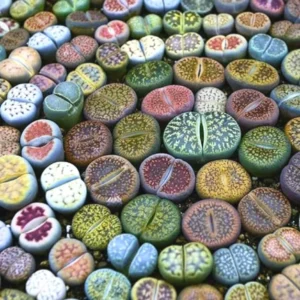
HousePlants
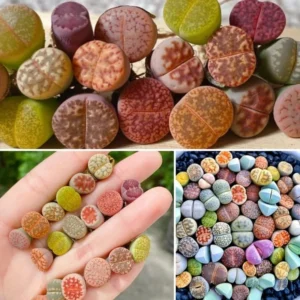
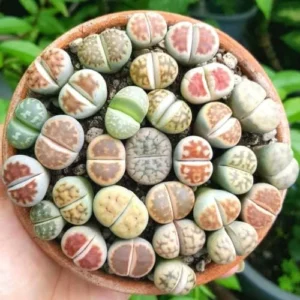
Lithops Live Plants Mix – 10 Large Colorful Living Stones Succulents for Indoor/Outdoor Growing
Sold 93 products
Original price was: $27.98.$13.99Current price is: $13.99.



Sold 80 products
Original price was: $91.98.$45.99Current price is: $45.99.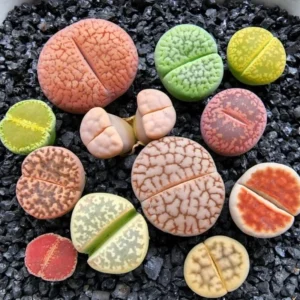
Sold 99 products
Original price was: $39.98.$19.99Current price is: $19.99.
Flower Plants
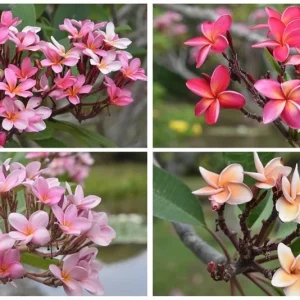
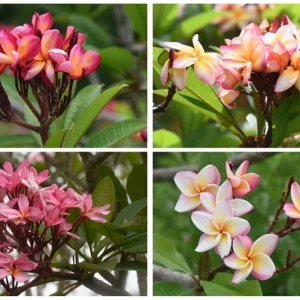
Plumeria Cuttings Variety Pack – 2 Unrooted Cuttings 12-16″ – Fragrant Tropical Flowers
Sold 66 products
Original price was: $49.97.$25.98Current price is: $25.98.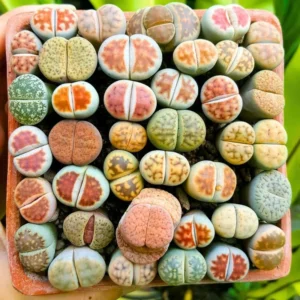
Sold 66 products
Original price was: $52.00.$41.60Current price is: $41.60.





Reviews
There are no reviews yet.